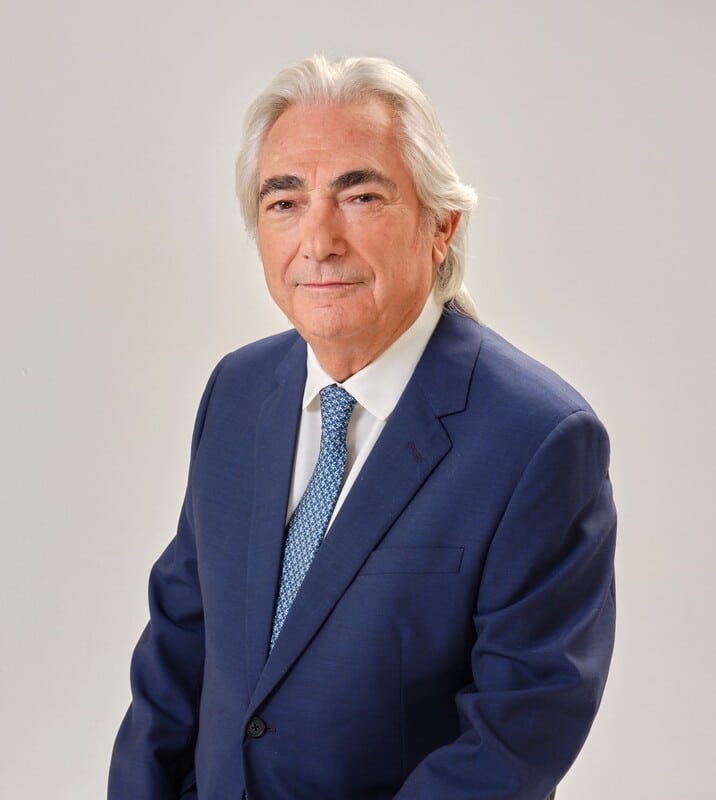
Manuel Lao has gained prominence in the last year in the economy pages of the main newspapers and now he will also do so in the gastronomy pages. The veteran businessman has come to the rescue of the main establishments that made up Grupo Iglesias, one of the most important in the restaurant sector in Barcelona and a key partner of Albert Adrià in the elBarri group. The pandemic and accumulated high debts, 7.5 million euros, led Grupo Iglesias to suspend payments and not be able to recover from the crisis, but now, thanks to Lao, its restaurants will have a second life and, most importantly, 63 jobs can be saved.
Sources close to the former owner of the gaming and leisure group Cirsa explain that Manuel Lao was a regular customer of the Iglesias brothers' restaurants, who forged their gastronomic empire thanks to one of the city's most iconic seafood restaurants, Rías de Galicia, on Lleida street. Thus, seeing how the business ended up in liquidation in a commercial court, Lao decided to get to work and present Judge José María Fernández Seijo with an offer that would allow saving the maximum number of workers and keeping alive key restaurants for Barcelona to remain a gastronomic reference.
"It has been a personal commitment by Manuel Lao, a very sentimental corporate operation in which he wants to prioritize his love for Barcelona and for the hospitality sector, to which he has always been linked. These restaurants are a benchmark for the city and could not be lost," explains a spokesman for the businessman. This acquisition, he specifies, has been carried out outside the Nortia group, the holding company through which he channels his investments and with which he manages the assets resulting from the sale of Cirsa.
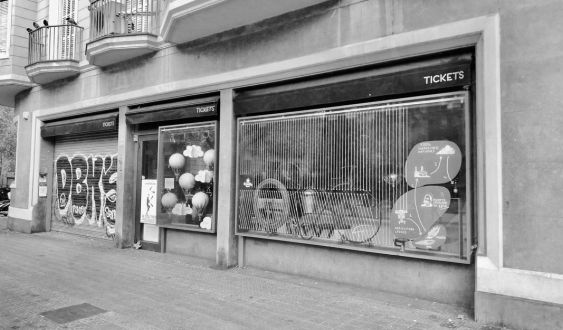
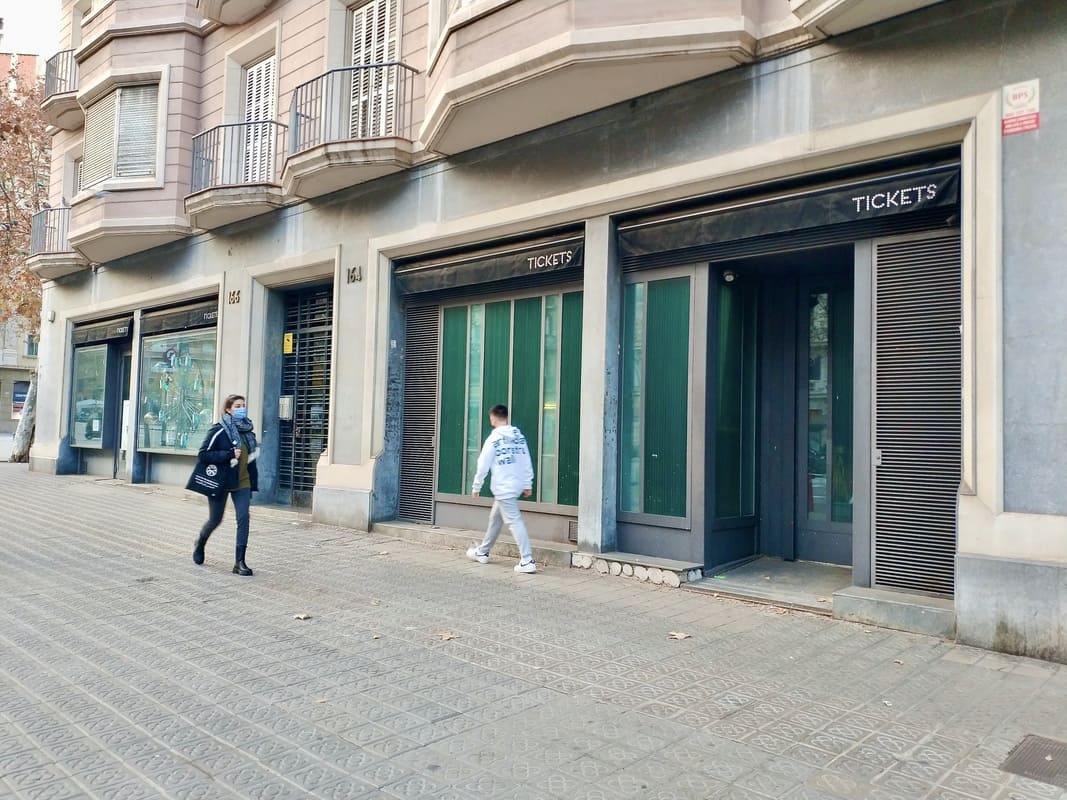
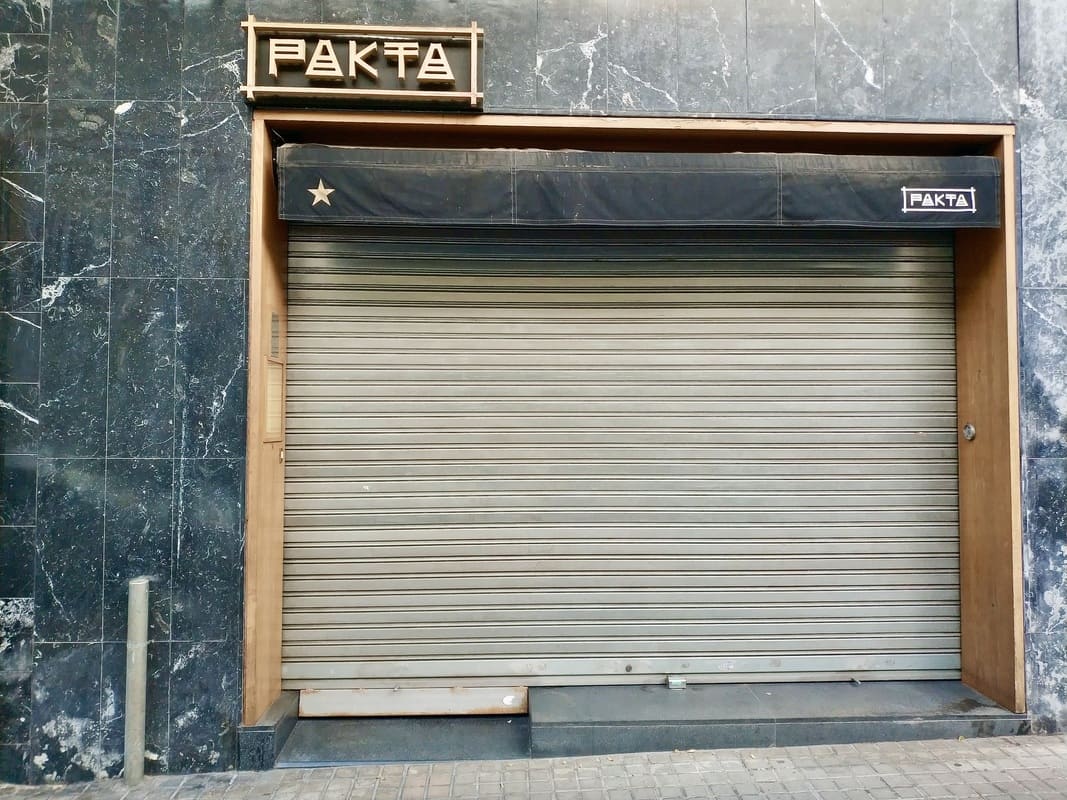
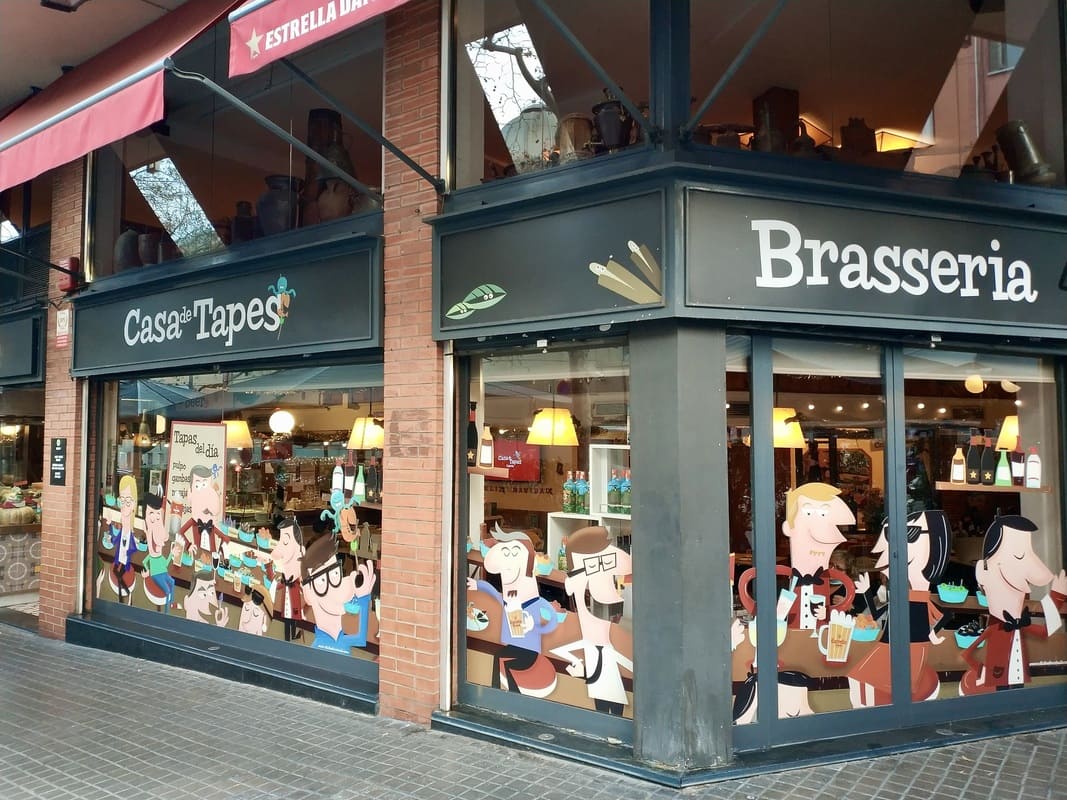
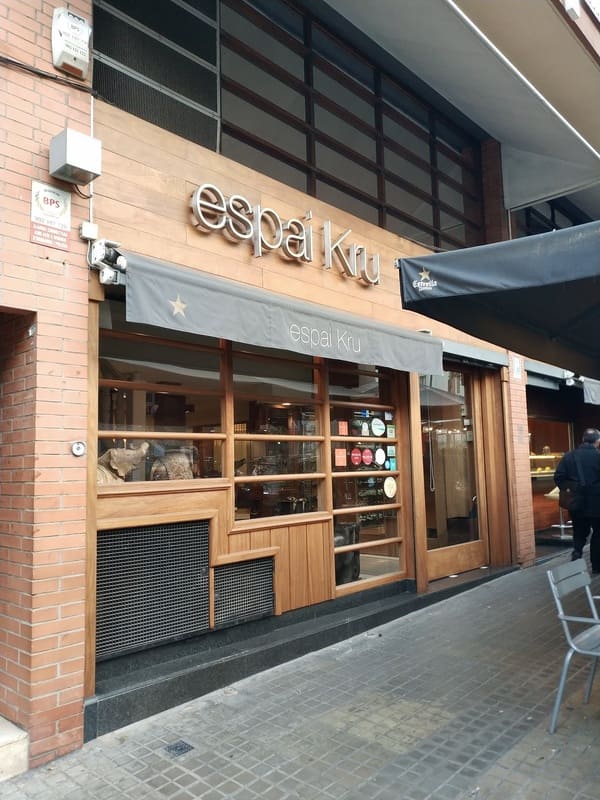
The offer presented by Lao to the commercial judge, of about 2.5 million euros, has allowed him to acquire a package of assets consisting of five restaurants: Tickets, Rías de Galicia, Espai Kru, Casa de Tapas Cañota and Pakta. It also includes the ownership of several parking spaces and some of the premises occupied by these establishments (that of Rías de Galicia, among them), although there are others, such as Tickets, which are rented. The investor has committed to saving 63 jobs and assuming their labor liabilities.
Rías de Galicia, Cañota and Espai Kru continue to operate normally ---under the supervision of the bankruptcy administrator---, while Tickets and the Japanese-Peruvian Pakta are closed. Lao has already put his team to work to reopen these two establishments, which had a Michelin star, as soon as possible. The goal is to reopen Tickets next March, but it will be under a new name, as the Tickets brand belongs to chef Albert Adrià, who is not part of this new stage and is now focused on the temporary restaurant Admo, which he has opened in Paris with Alain Ducasse. The other establishments that were part of the already dissolved elBarri group have also been left out of this operation: the vermouth bar Bodega 1900 ---transferred to the former maître d', Ángel Geriz---, Enigma and the Mexican restaurants Hoja Santa and Niño Viejo, which are still in Adrià's hands but are closed. Enigma and Hoja Santa also had a Michelin star.
"We have started looking for a renowned chef to reopen the old Tickets in March; we will maintain the same philosophy of it being a spectacular restaurant, with showcooking and top category in Barcelona, but adapted to the new reality," the new owners state. Another of their projects is to reopen the 41º cocktail bar, located in a premises adjacent to Tickets that eventually became part of the same restaurant. The Rías de Galicia formula will also be maintained "so that it continues to be the best seafood restaurant in Barcelona for many years," they add.
Tickets, which in 2019 was the twentieth best in the world according to the prestigious ranking The World's 50 Best Restaurants, opened in 2010 by Albert Adrià, who created in this venue an authentic school of international reference and the so-called "contemporary tapas style," as explained in the blog Gastroeconomy by specialized journalist Marta Fernández Guadaño. "Tickets transferred the Bulli language to the urban context of a city like Barcelona and a district like Paral·lel," says the expert, who notes that a prodigious decade of Barcelona's gastronomy has come to an end. "It has been 10 years in which the genius of a guy like Albert Adrià, allied with the business structure of a hospitality saga like the Iglesias, gave rise to a historical stage of world gastronomy, with its own style and, in addition, a quarry of chefs and professionals in the dining room, wine, and cocktail making who are now scattered around the globe," explains Fernández in Gastroeconomy.
Manuel Lao's dream is to contribute to preserving this legacy as much as possible and to recover the gastronomic splendor that the Paral·lel - Calle Lleida axis has experienced in the last ten years and, as a whole, the entire Sant Antoni neighborhood.
Of Andalusian origin, Manuel Lao Hernández forged his business empire in Terrassa (Barcelona) with his brother Juan Lao, although their paths separated in 1998. He is considered by Forbes magazine as the nineteenth richest person in Spain, with a fortune of around 1.3 billion euros. He transformed the amusement machine company Cirsa into one of the most important groups in the world in the gaming sector, with a strong presence in Spain and Latin America. In 2018, the businessman decided to sell Cirsa to the investment group Blackstone for more than 2 billion. Excluding debt, it is estimated that he collected more than 1 billion, a fortune he now manages through Nortia Capital, a conglomerate that owns properties totaling more than 85,000 square meters, as well as hotels and a 4,000-hectare agricultural estate in the Montes de Toledo.
After creating a powerful structure and signing renowned executives in the financial sector, Nortia has put its assets to work and is currently one of the most active investors, which has made Lao a regular on the business pages of newspapers. His first major investment was the purchase of the building that houses Casa Seat, at the confluence of Paseo de Gràcia and Diagonal. The firm has opted to invest in the infrastructure and sustainability sector and has also become a shareholder in important listed companies such as the real estate company Merlin Properties, where it owns just over 8% of the capital, and the construction company Sacyr, where it entered this month with the purchase of 3%.
Another of its recent operations is the entry into the financial advisory and asset management firm Arcano. Nortia Capital is also a shareholder of Healthcare Activos Yield ---a company that invests in residences for the elderly and healthcare centers---; of KC Impact, the first Spanish fund manager specialized in the promotion and development of sustainable infrastructures; and of McWin Food Ecosystem, a fund specialized in foodservice and foodtech promoted by the founders of Amrest (La Tagliatella and Bacoa).
Nortia Capital has also decided to bet heavily on the hotel sector in alliance with the Barcelona-based Roig family, owners of the Hotel Pulitzer, with whom it has created a joint venture that plans to invest one hundred million to create a chain of 20 urban hotels ---four or five stars--- in the next five years in various European capitals.
Add The New Barcelona Post as your preferred Google source for free
Stay informed with the latest news.
