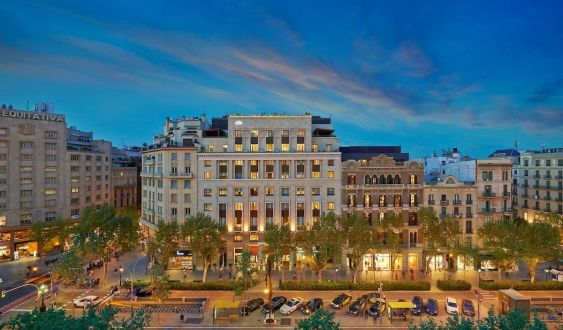
Before the current banking and hotel skin, on that plot stood one of the most resounding symbols of bourgeois Barcelona: the historic headquarters of the Círculo Ecuestre. Inaugurated in 1926 by Alfonso XIII, the building represented a city sure of itself, Europeanized and proud of certain social rituals. It was not just a club for equestrian enthusiasts. It was a stage for sociability, prestige, and formal-informal power, considered in its time one of the most refined clubs in Europe.
Some passages of the novel Potser no hi va haver mai primavera, by journalist Vicenç Lozano, take place precisely in that club. The book recovers a little-explored period: the daily life of a Barcelona that inhabited the brief republican parenthesis between 1931 and 1936, a rare bird in Spanish political history.
The proclamation of the Second Republic did not mean, as has sometimes been simplified, the immediate collapse of that social life. Many members celebrated the new political era. The real fracture would come later. The coup d'état and the Civil War radically transformed the destiny of the property, seized and destined for trade union and political uses, very far from its original function.
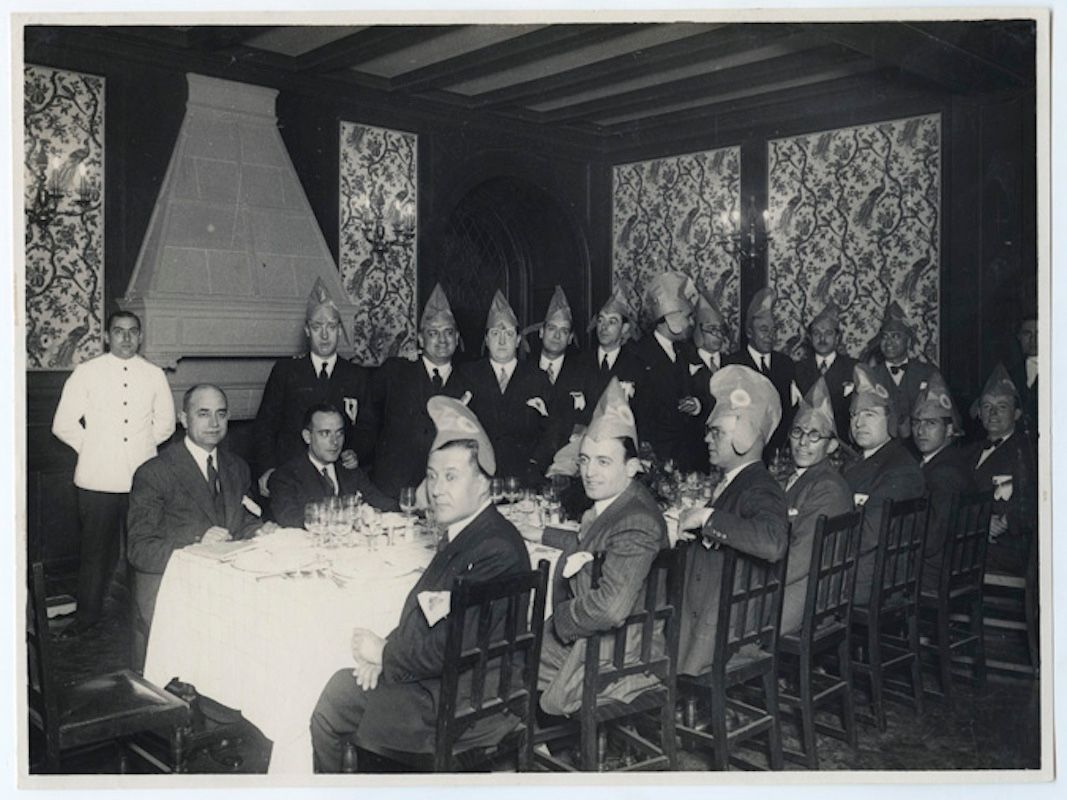
After the conflict, the building never returned to the club's hands. The new regime re-signified that club as the headquarters of Falange Española de las JONS, even altering its most emblematic spaces. An example: the marble swimming pool conceived in the original project was emptied and converted into the so-called Salón de los Caídos. Architecture, as so often in Barcelona, once again became a hostage of history.
The next episode would be even more drastic. The old building disappeared in the 1950s, in full developmental euphoria. Its demolition, accidental and well-remembered in the city, gave way to the construction of the new headquarters for the Banco Hispano Americano, designed in 1955 by the Basque architect Manuel Galíndez. That functional and resounding building, an emblem of the financial power of the time, would end up integrated decades later, through mergers, into the orbit of Banco Santander.
From the Circle to the bank
The transition from social club to bank was not anecdotal. It reflected a profound change in the city's symbolic hierarchy: from social to economic power, from private salons to corporate offices. The Equestrian Club moved to Diagonal with Balmes, while Passeig de Gràcia consolidated its status as a business showcase and financial hub, today again changed by the hotel industry and fashion multinationals.The decisive turn that brings this building into a chapter of our series would arrive in the 21st century. In 2005, it was proposed that the building become a new hotel and entered into a struggle between major international brands. Mandarin Oriental, the legendary brand born in Hong Kong, aspired to take over its management against powerful giants such as Four Seasons or Starwood. The operation, promoted by Reig Capital Group, anticipated a mutation of enormous symbolic significance: a traditional bank transformed into an icon of Asian superluxe.
And it was a Mandarin
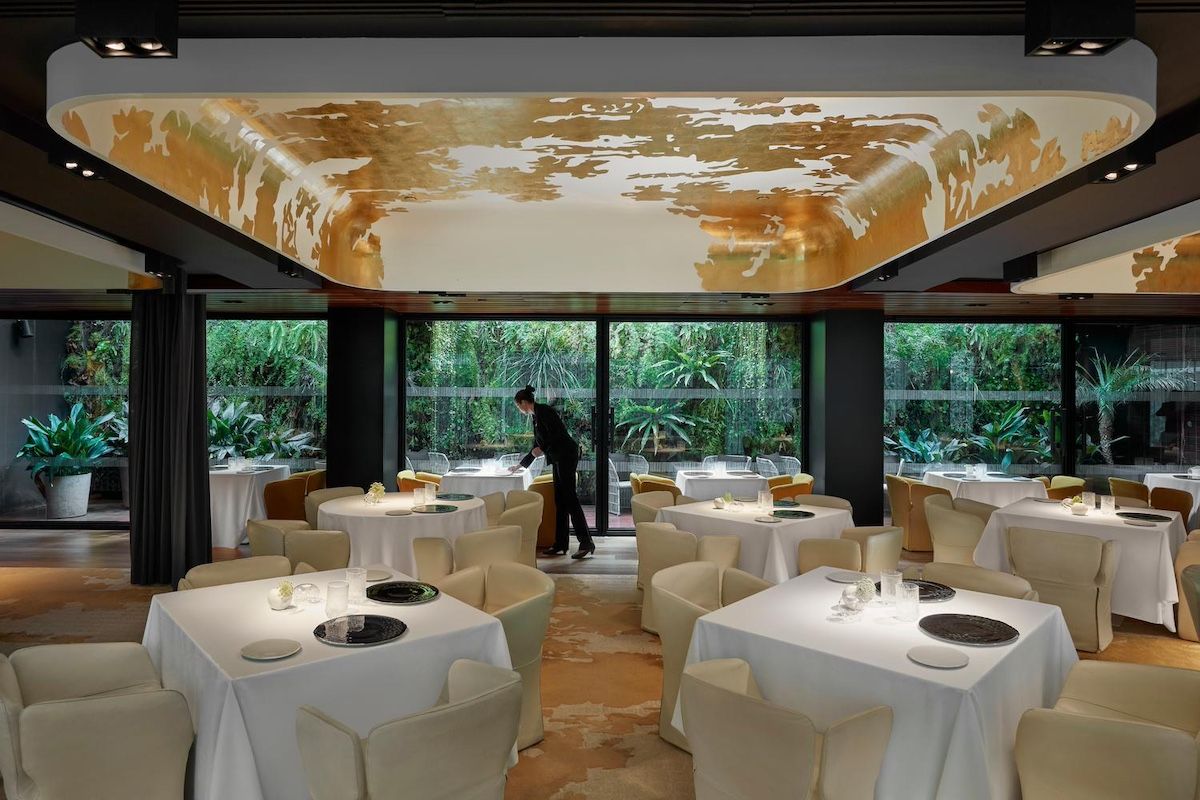
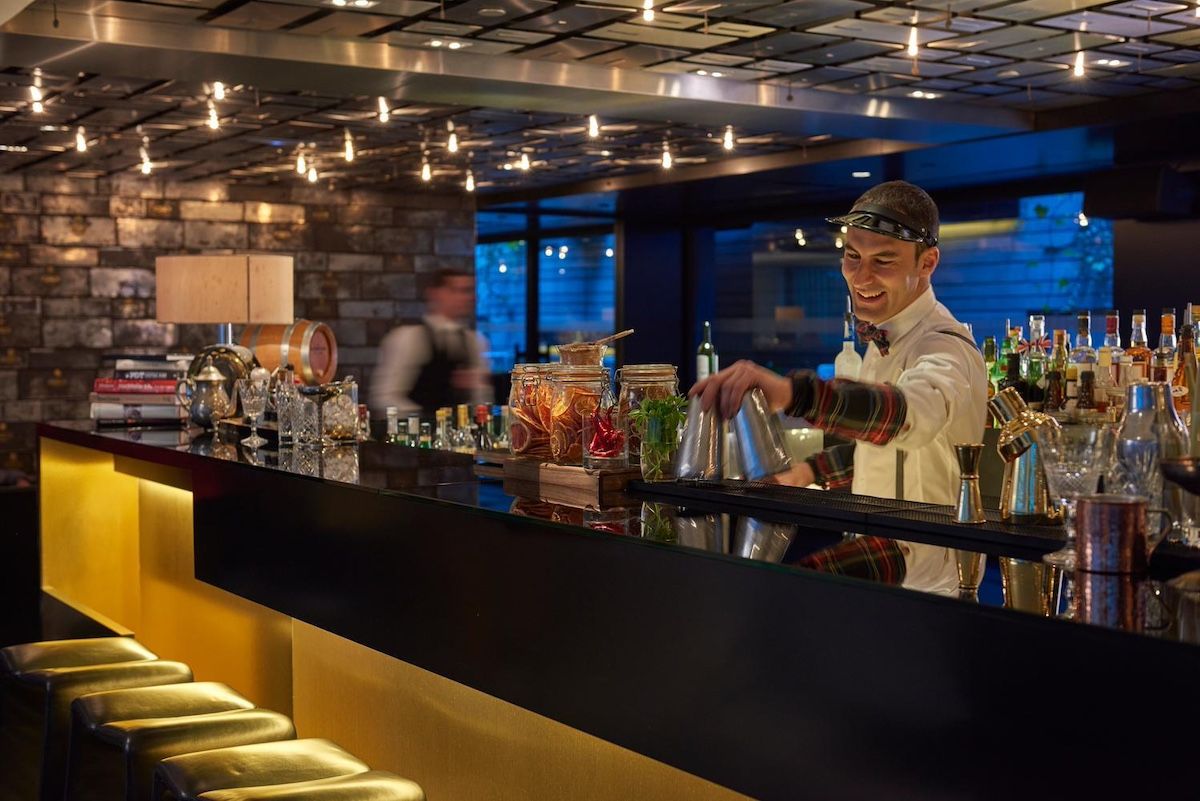
When the hotel opened its doors in 2009, guests witnessed more than just the inauguration of a new prestigious establishment in the city. The brand landed in Spain with an aesthetic and conceptual language radically different from that of traditional European luxury. The interior design, entrusted to Patricia Urquiola, introduced an interesting, contemporary, and almost silent elegance. The competition looked carefully at the new.However, the financial past did not completely disappear. The Banker's Bar, built from old customer safety deposit boxes, functions as a nod to the building's memory. There, the logic of secrecy and custody survived, transformed into scenery; many valuables kept in those boxes were never claimed due to ignorance or prudence.
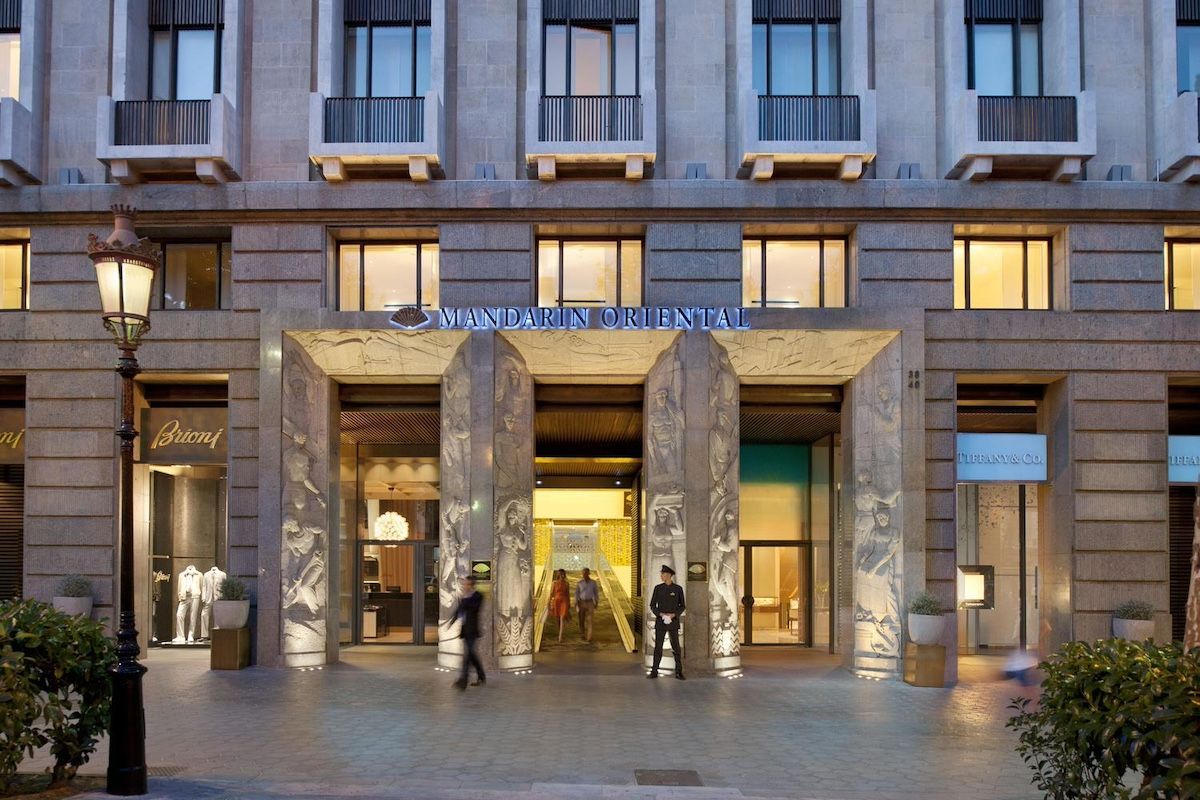
One of the hotel's notable features is its entrance. It is accessed by a suspended ramp that acts as a kind of contemporary drawbridge behind the facade with figures sculpted by Frederic Marés. The architectural gesture is intended for the guest or visitor, rather than entering, to ascend to the Mandarin. The transition from the hustle and bustle of the Eixample to the interior of the building becomes a small ceremony every time one arrives.
The lobby confirms the feeling. There is no classic ostentation or ornamental excess. Sophistication lies in the material, light, and textures. The interior design work, while impressive, does not seek that effect, but rather to envelop the arriving guest, something that happens to those who stay: the rooms and suites prolong that sensation. More than hotel rooms, they are carefully choreographed urban apartments. Among them, the suites with direct views of Passeig de Gràcia summarize the proposal well: spaciousness, silence, warmth, and a contemporary look.
The spa, which the house has conceived as a sanctuary of serenity, is noteworthy. The indoor pool is impressive because it avoids grandiosity and reinforces the hotel's idea: to isolate the guest from the urban rhythm without disconnecting them from the city, and here returns the serenity of that pool from the old Ecuestre.
A larger hotel, a reinforced symbol
The operation to convert the Mandarin into an even more prestigious place with the addition of new suitesit was not only hotel-related. It was urban, economic, and strategic. In 2011, Reig Capital Group reached an agreement withIsak Andicto incorporate into the establishment the adjacent building at Passeig de Gràcia 36, former headquarters of Banco de Sabadell, owned by the former owner of Mango. The expansion reinforced its positioning in the highest segment of the market.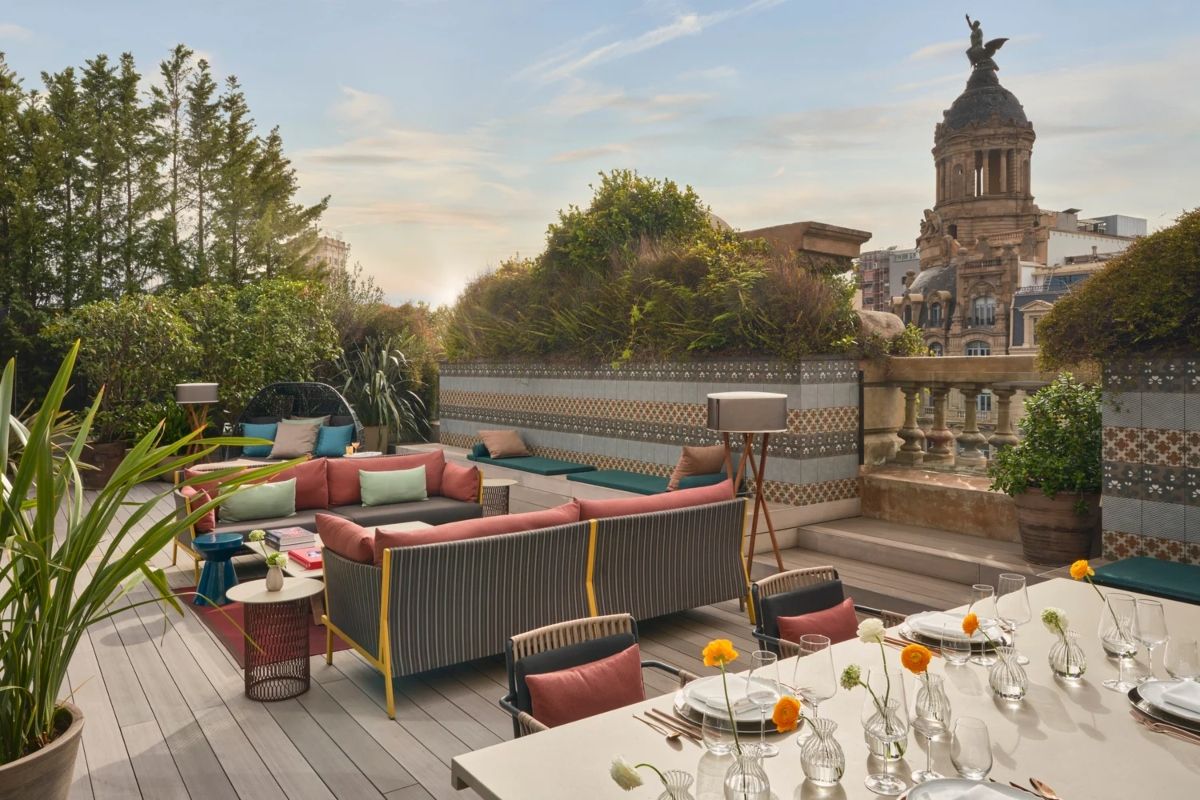
Over the years, the hotel consolidated a very singular profile within the local ecosystem: unprecedented rates in Barcelona, global clientele, and a symbolic position that transcends mere hospitality. In 2023, the building added a new chapter to its biography. The Olayan Group acquired the property for more than 220 million euros, confirming something that Barcelona has been demonstrating for some time: its most coveted addresses are global assets: it went from Andorran to Saudi.
Thus, the former site of the Círculo Ecuestre, later a political barracks, bank, and financial emblem, has ended up becoming one of the temples of international superluxe. A place where urban history, architecture, and economy overlap with a Barcelonian naturalness. The buildings of our city and those of us who appreciate them rarely forget who they were... and this one has been many, many things throughout its life.
Add The New Barcelona Post as your preferred Google source for free
Stay informed with the latest news.