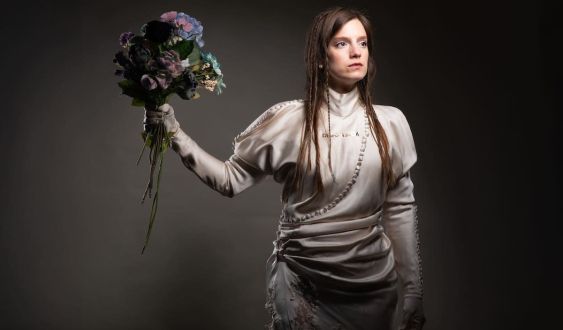
"Better that no background sound plays; music must be treated well, listened to, and not used to fill a void." After a Mediterranean cuisine menu, Magalí Sare has leaned on the bar for an after-dinner Baileys carajillo. What matters now is the conversation, without other interferences. Because she already has the music within her.
"I grew up in a very musical family. My father, Frederic Sesé, is a musician and popularizer and was, among many other things, one of the founders of Zeleste. My mother is a psychopedagogue and very fond of music. My sister, Júlia, is a choir director and my brother, Gerard, is one of the creators of the Generació de Merda company." In this context, Magalí learned to play the piano at six, "and the transverse flute at nine, because I wanted to play in the school band." No one in her family doubted that she had a brilliant artistic future ahead of her, which she has developed with the utmost professionalism, "fighting against the chaos and informality that are often associated with art."
She studied classical music and then, at the Sabadell Conservatory, alongside piano and flute, she also delved into the world of percussion. "That's where jazz crossed my path, along with other music that is easy to access from here, such as flamenco, Latin music, Brazilian music, or afrobeat." Sounds that she has been devouring and integrating into her own, untransferable musical language, based on restlessness, travel, the need to learn and take on new challenges, and an enormous cultural permeability.
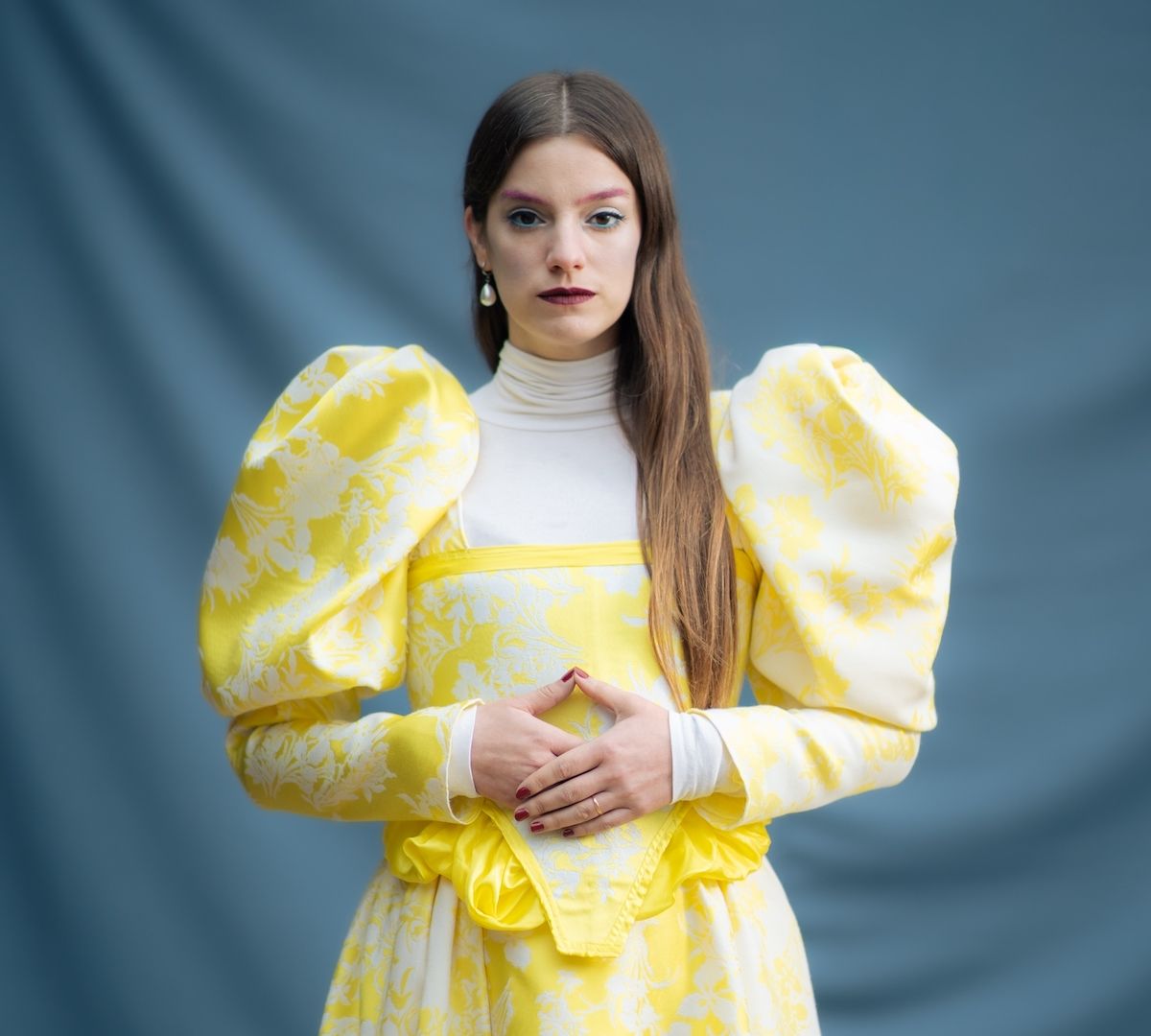
Her new album, Descasada Vol. 1 (Segell Microscopi), the third she has released solo, "brings together everything I have been doing and absorbing musically" and represents her most personal work. "It is totally mine, there I take care of all the voices, piano and percussion and, except for one specific arrangement, all the others are mine." She also assures that it is the album where she has felt most free, "because I am not talking about myself, but it is the result of an anthropological investigation into wedding songs from many countries." Songs of women who do not want to be married: forced marriages, girls dressed in white, ladies advancing towards altars that do not elevate, but rather chain. The result is a collection of songs that add up to twelve languages, ninety collaborators and an endless number of musical styles, "and which will have continuity in a second volume, already underway."
The song of rebirth
Between the ages of 19 and 21, Magalí Sare lived a nightmare. "A deeply toxic relationship that consumed me and from which I largely emerged thanks to my family." After all that time of annulment, of forced silence, "I realized that what I wanted was to get on a stage and sing my songs to explain myself to the world." Thus, in 2018, her first solo album saw the light. Songs of Love and Demons, result of that whole unblocking process, "in which I would compose two or three songs every week and in which I was reborn."Since then, Magalí has not stopped. "I have released an album with guitarist Sebastià Gris, who is my partner, I have collaborated with Clara Peya on her album Estómac, I released my second solo album, Esponja, and I have traveled all over the world, especially with double bassist Manel Fortià, with whom we have the duo Magalí i Manel".
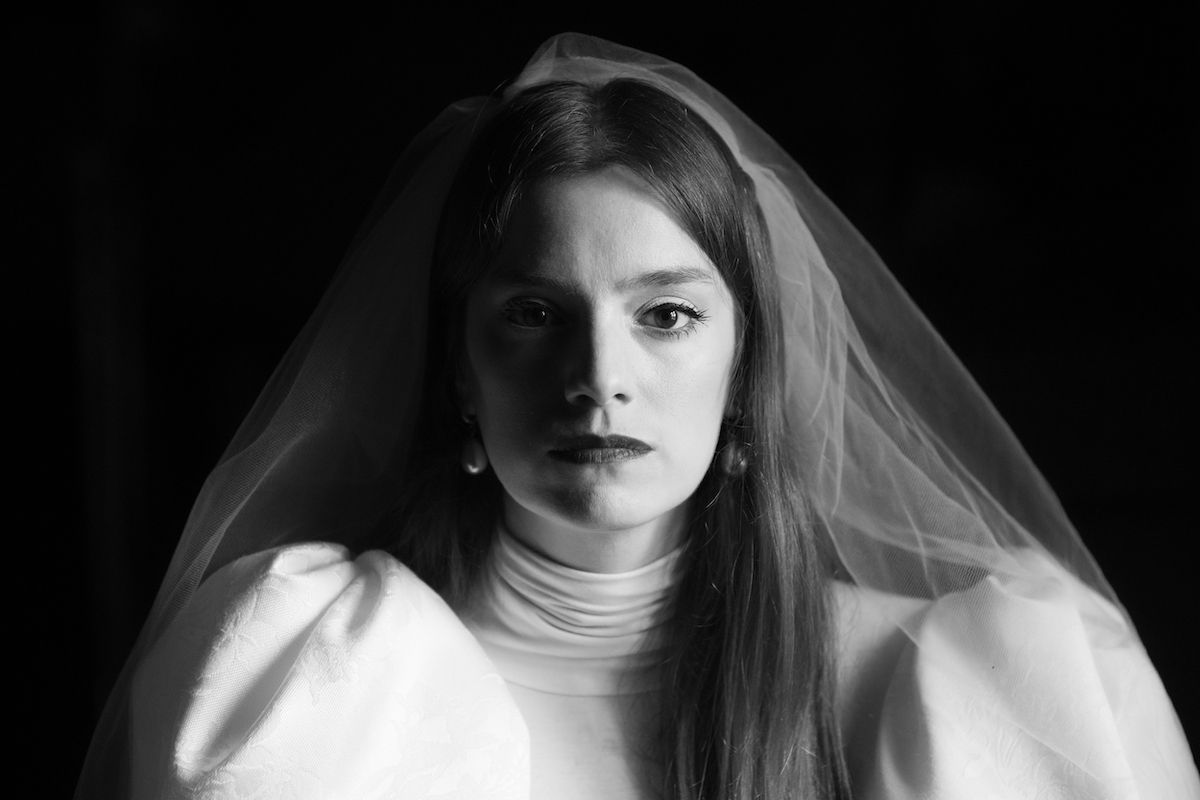
With this formation, which has already recorded two albums, the artist also experienced "the hatred generated on social media," when a legion of guardians of essences did not like her reinterpretation of Els segadors for the investiture of Pere Aragonès, in the midst of the pandemic, given the impossibility of the Orfeó Català performing it. "But I don't regret anything —she asserts—. That's what art should be about: stirring things up, sparking discussion. Singing a song by bringing something new to the original!"
Freedom and music
"When I was a child, we used to come to La Rambla with my father and I remember that stage they put in front of the Liceu when it had burned down. As a teenager, I would come down to Barcelona with my friends from Cerdanyola del Vallès, and that made me feel powerful. For me, that is Barcelona, freedom and music". Or, at least, it was.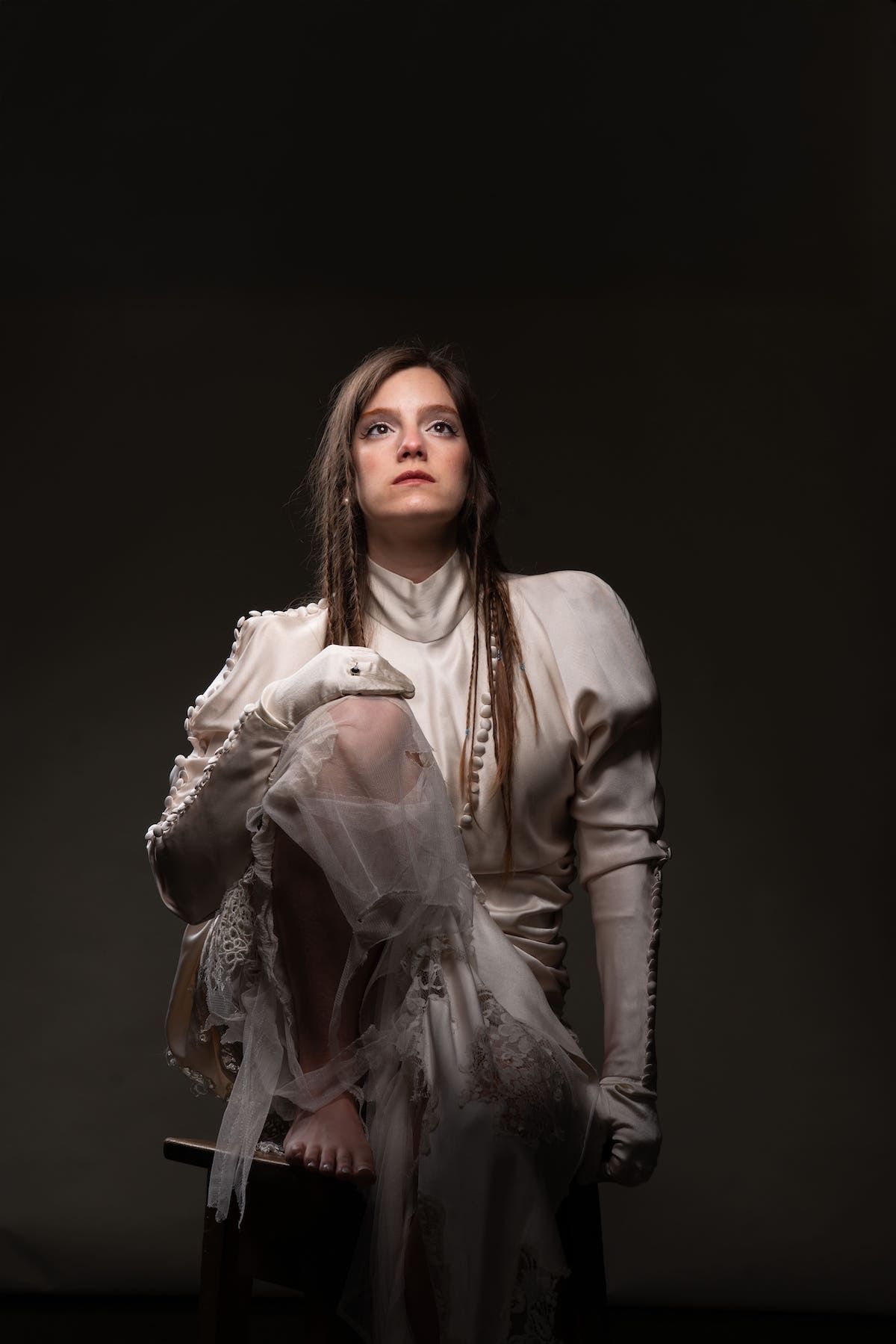
The relationship has become more complicated. "Absurd prices, gentrification, and the fact that, in this city, there are fewer and fewer concert halls because they are closing them down," have led the artist, who finishes her carajillo, to live right now between Barcelona and Centelles.
—If you want something else to drink, you're invited.
She looks around with her intense coffee-colored eyes. From the window, you can see how dusk begins. The after-dinner conversation has stretched out. In the background, the crossed sound of conversations, laughter, and the noises from the bar. The Bar captivates. And, enigmatic, as if everything happening around her were a song whose cadences she fully masters, a music that dances without secrets in her head, Magalí Sare smiles.
Add The New Barcelona Post as your preferred Google source for free
Stay informed with the latest news.
