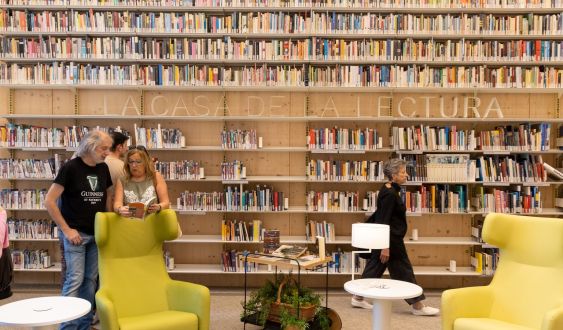
Barcelona displays from Saturday and throughout the week all its literary talent at the Guadalajara International Book Fair (FIL). Consolidated as the most relevant and influential event in the field of Spanish-speaking literature, the Catalan capital has landed at the FIL at a symbolic moment: the city is the guest of the event just as it celebrates the tenth anniversary of its designation as a UNESCO City of Literature. However, and despite the relevance of the event, being a guest city at the FIL is not the culmination of any path: it is one more step for a consolidated sector that aspires to continue growing both locally and internationally.
This further step on this path comes after a decade in which, as a UNESCO City of Literature, Barcelona has reinforced its role as the editorial epicenter of Southern Europe, has expanded its international projection, and has consolidated a cultural network that coexists with tradition and innovation. Thus, the city exhibits itself in Guadalajara not only as a cradle of writers and publishing houses, but as a living and dynamic literary ecosystem.
“Being a guest city at the FIL represents a unique opportunity. It attracts more than 900,000 people, and represents an absolutely privileged showcase. As guest of honor, all eyes are on you,” highlights Anna Guitart, the commissioner of Barcelona's participation in the FIL.
Placing oneself in this preferential position in the showcase is not a milestone achieved in a few years, nor in ten. Barcelona's role as a guest city has its roots in a literary tradition that has been built over more than a century of complicity between editors, authors, and readers, despite wars and dictatorships. In this process, it was also key to look to the other side of the Atlantic, the same side from which the FIL now looks at the Barcelona ecosystem. The well-known Latin American boom took off from Barcelona, with the undisputed leadership of Carme Balcells, who set out to project Latin American talents and authors who at that time did not reach Europe.
This emergence of authors from the other side of the Atlantic not only represented a boom for Latin American literature, but also for Barcelona itself, which took advantage of the impulse and inertia of this boom to articulate a rich ecosystem linked to literature that, just ten years ago, obtained its recognition, being named UNESCO City of Literature —a distinction held by only 63 cities worldwide—.
As Jaume Muñoz, head of the Barcelona City of Literature program —created by the City Council following the UNESCO distinction—, highlights, the Catalan capital assumed this designation “as a recognition and a motivation to carry out projects in favor of literature”, such as participation in the FIL and also in fairs such as those in Buenos Aires and the Angoulême comic fair, in which Barcelona was a guest city in 2019 and this very 2025. But, “beyond these moments of great visibility”, the program develops projects such as the residence for writers Vil·la Joana, in Collserola, and the awarding of grants to support literary creation, such as the Montserrat Roig and Carme Montoriol grants, which have seen names like Irene Pujadas, Albert Forns, Laia Viñas and Adrià Targa. Since its creation, a total of 194 grants have been awarded by the City Council within the framework of the Barcelona City of Literature program and the Barcelona Institute of Culture (Icub).
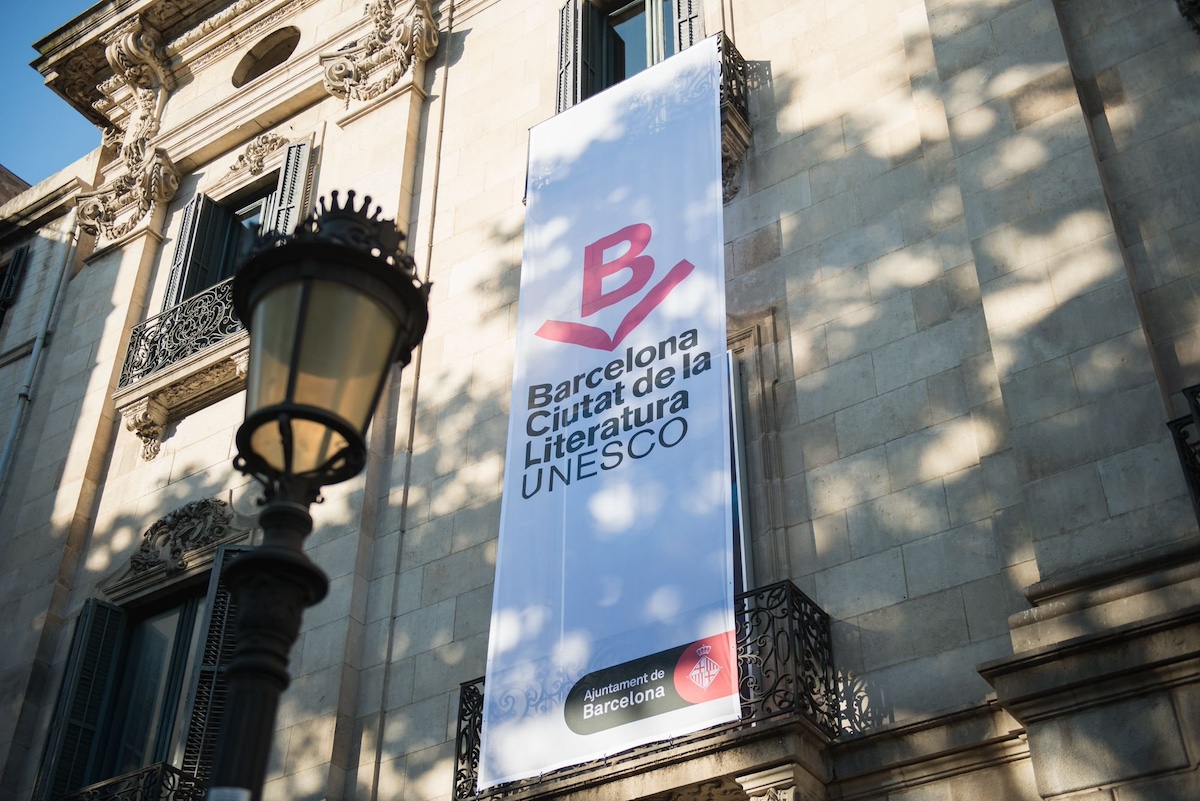
To boost the literary ecosystem and creation, the program also encourages collaboration and exchange of writers with other cities with the same Unesco recognition, and promotes initiatives to explain the city's literary heritage. “We do it based on three lines: promoting reading, supporting creation, and disseminating our literary heritage,” summarizes Muñoz. “This recognition has allowed us to take a leap forward in policies for promoting reading, supporting creation, and disseminating this heritage,” he emphasizes, looking back at the last decade. Turning his gaze to the decade to come, Muñoz argues that “these ten years should be about consolidation, supporting creative initiatives and freedom of expression, and spreading what Barcelona and its literature are to the whole world.” And Barcelona already has other major events ahead: in April 2026, coinciding with Sant Jordi, the city will host the general assembly of the International Cities of Refugee Network (Icorn), in an initiative with PEN Català, and in 2027 it will be the venue for the world congress of children's and young adult literature IBBY World Congress.
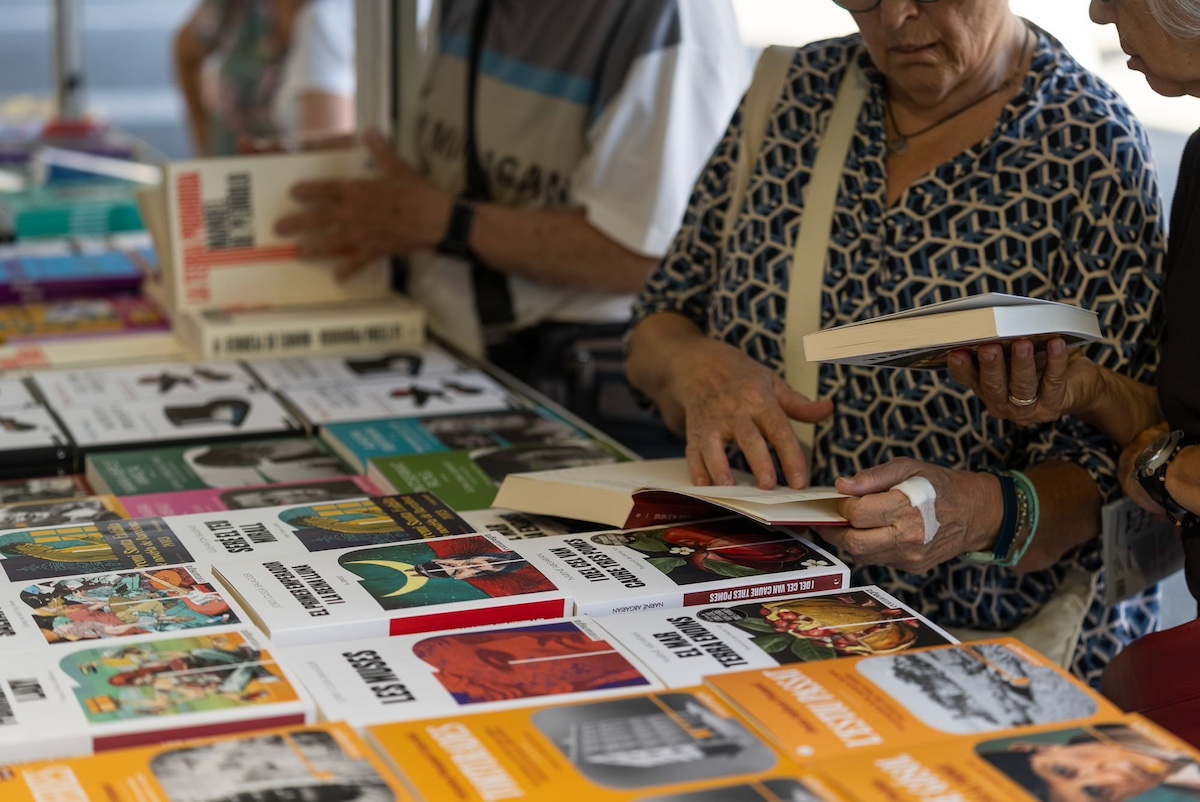
Barcelona's role in these upcoming events will be determined by the one it is playing at the FIL, which will last until next Monday. “It is the most important Spanish-language festival in the world, and this means great visibility and an incomparable business opportunity,” reiterates Muñoz. With this perspective, Barcelona will showcase not only the potential of its literature, but also its broad cultural reality, with exhibitions, performing arts, gastronomy, cinema, and even science. “For Barcelona, it represents an opportunity to explain itself from many points of view,” points out Guitart.
The importance of background work
Thus, the FIL is presented as a key opportunity for the sector and for literary Barcelona, although its positioning does not depend so much on large events, but on daily work, as Muñoz highlights: “The sector is strong in this city and it is strong day by day, also with readers in libraries and with citizens in bookstores to participate in reading clubs. It is the daily reading of Barcelonians that gives life to the sector.”
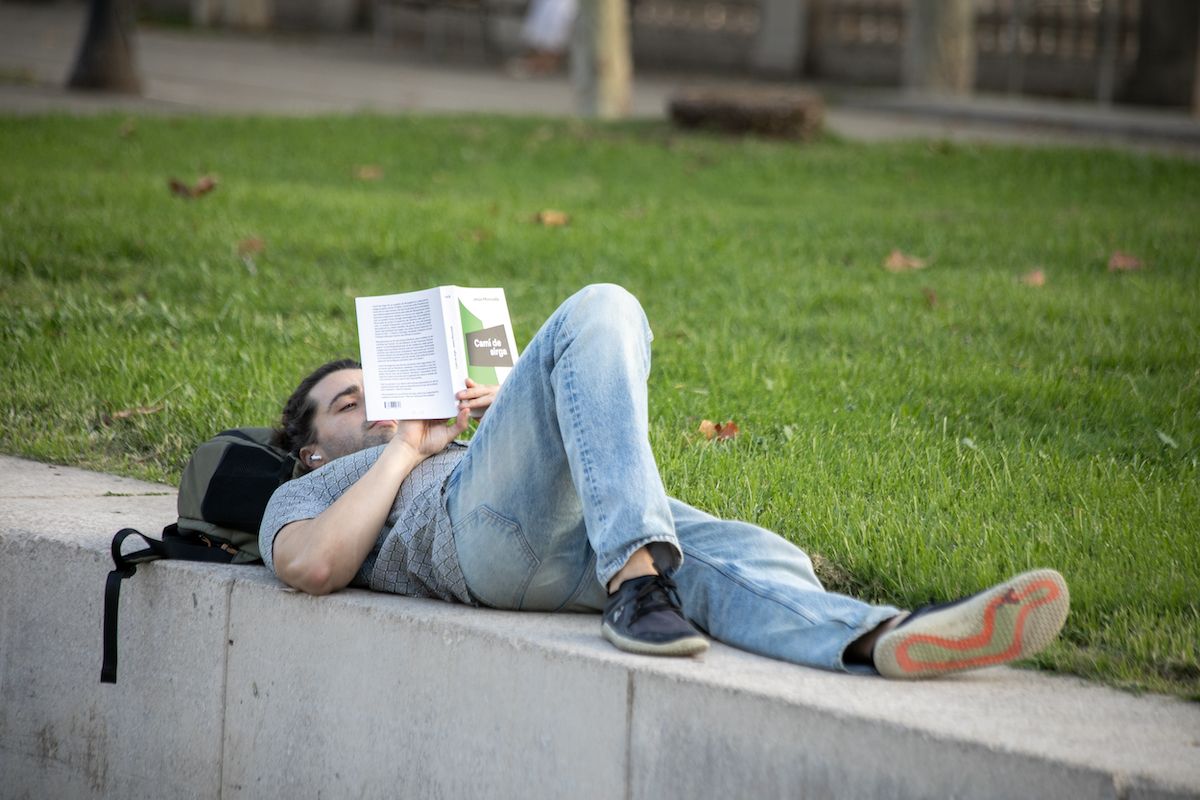
“The FIL is a very important event, but we are lucky to have a robust and very solid sector. These great moments of visibility are an opportunity; they are great showcases, but without continuous background work, these opportunities neither arrive nor consolidate,” reiterates Muñoz, who highlights the different links in the literary sector. Along the same lines, Guitart defends that participating in the FIL will boost Barcelona's positioning also in the medium and long term: “It's planting a seed.” In fact, it has already germinated with the first shoots, with the translations of works in Catalan into Spanish to be able to take them to the FIL. “We worked hand in hand with the Institut Ramon Llull to expand its translation aid program and, over the last two years, we have been working with publishers and agencies to be able to translate books that were not available in Spanish,” says Guitart.
“With this whole process, we have opened doors,” adds Muñoz, about a literary ecosystem that goes beyond writers, agencies and publishers —from large groups to independent imprints—, and also includes bookstores, libraries and festivals, such as La Setmana del Llibre en Català, BCNegra, ArtsLibris or Kosmopolis, with Sant Jordi another literary event that goes far beyond a festival. Literature expands in the city also with literary routes, activities in the neighborhoods and reading clubs, with Barcelona as a literary laboratory and a city that is written day by day.
In this narrative of literary Barcelona, new generations of writers find fertile ground in which to experiment and create, despite the difficulties that often come with moving through the literary ecosystem. In this context, the city is written from diverse perspectives, which have generated a literary imaginary in which Barcelona acts as a stage and even protagonist of countless stories that run through its streets and draw stories of those who have inhabited them for decades.
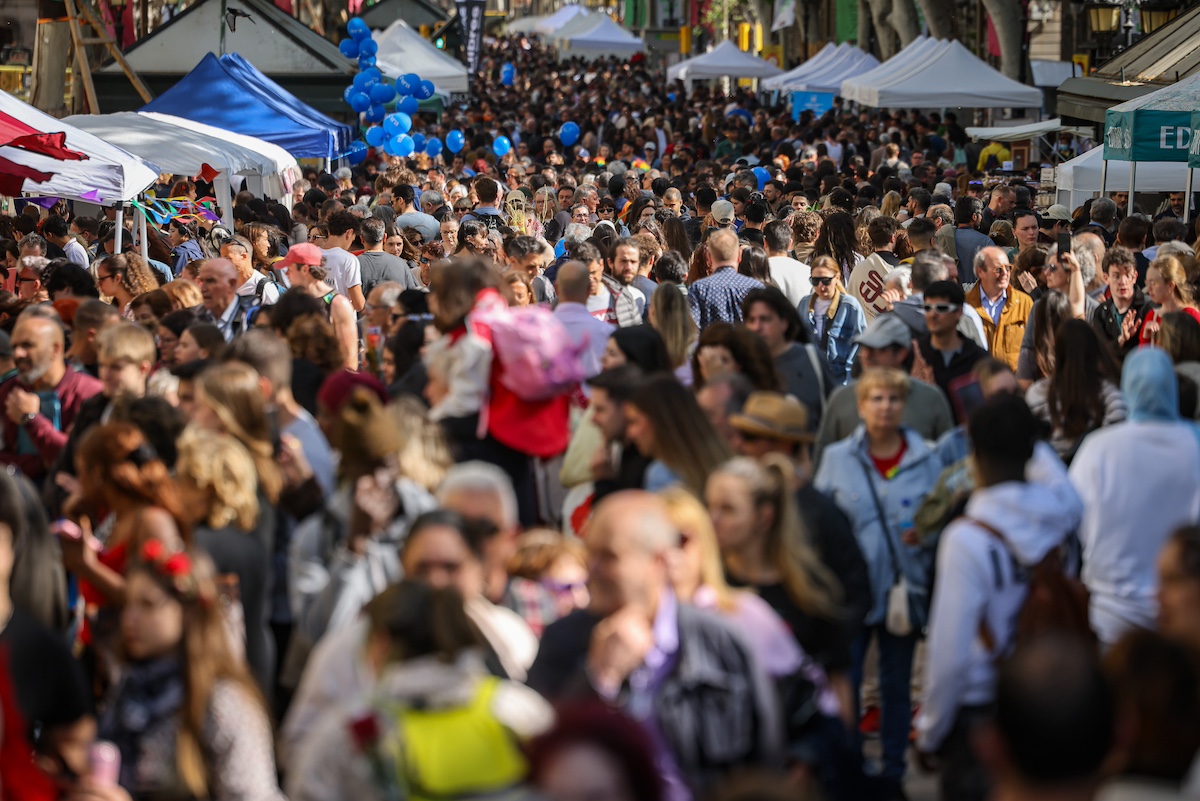
The new generations of writers continue to find inspiration in the city, as is the case of Laia Bové, who debuts as a writer by narrating a story straddling the Catalan capital and the United States, a reflection of her own experience residing on the other side of the Atlantic, where she has worked as a professional ice skater. Writing had always been a passion for her, and she joined an initiative born in the United States that has been expanding across the globe: the Novel Writing Month, in November. “You set out to write about 1,500 words every day, and you end the month with 50,000, which is already a manuscript.”
With this initiative, she resumed this passion for writing, which has culminated in the novel Saber tornar. Initially written in Catalan and English —and now with the hope that it will be translated into her second language—, the novel narrates two parallel stories of two characters who don't know how to approach their lives; with one in Chicago and the other in Masnou, Barcelona acts as a meeting point and “almost an additional character.” And it is that the city, especially its oldest streets, have been a source of inspiration for Bové: “It is a very living part of history, which affects the emotions of the characters.”
“Catalans should bet more on Catalan authors"
Barcelona also inspires the novelistic debut of Gil Pratsobrerroca
El Tribunal Suprem ha avalat que la Generalitat pugui multar amb 10.000 euros els bancs i grans tenidors que tinguin pisos buits de forma injustificada durant més de dos anys. En una sentència, l'alt tribunal desestima el recurs de la Sareb contra la sentència del Tribunal Superior de Justícia de Catalunya (TSJC) que ja va avalar la constitucionalitat de diversos articles de la llei catalana del dret a l'habitatge. En concret, la sentència del Suprem confirma la validesa de l'article 136.1.i de la llei 18/2007, del 28 de desembre, del dret a l'habitatge, que preveu sancions per als propietaris de pisos buits de forma permanent i injustificada per un període de més de dos anys. La multa pot anar dels 9.000 als 90.000 euros.
La sentència del Suprem, de la qual ha estat ponent la magistrada Celsa Pico, considera que la Generalitat és competent per regular i sancionar els casos de pisos buits, ja que la Constitució espanyola li atribueix competències exclusives en matèria d'habitatge. El tribunal rebutja l'argument de la Sareb que la llei catalana vulnera la llibertat d'empresa i el dret a la propietat privada, ja que considera que la funció social de la propietat "no és una qüestió menor" i que la llei busca garantir el dret a l'habitatge de la ciutadania.
A més, el Suprem també avala la constitucionalitat de l'article 136.1.g de la mateixa llei, que permet a la Generalitat expropiar temporalment l'ús de pisos buits per destinar-los a lloguer social. Aquesta mesura, que ja ha estat aplicada en alguns casos, busca mobilitzar el parc de pisos buits per fer front a l'emergència habitacional.
La sentència del Suprem és ferma i no es pot recórrer. Això suposa un important suport jurídic per a la Generalitat en la seva lluita contra els pisos buits i la defensa del dret a l'habitatge.
The Game of Silence, published two months ago: although the plot takes place in the Pyrenees, with a seven-year-old girl missing and countless family secrets revealed, everything begins in Barcelona and, in this case, with the urge to leave the big city. With unexpected plot twists and a construction based onflashbacks, the writer trusts that this novel will be the first of many. However, it is not simple: “The percentage that reaches authors is sometimes so limited that it is difficult to dedicate oneself to writing,” he highlights, even if it may not be the case for Pratsobrerroca, who delved into the literary world by presenting himself to competitions and winning awards, until making the leap as a screenwriter and, finally, a writer.
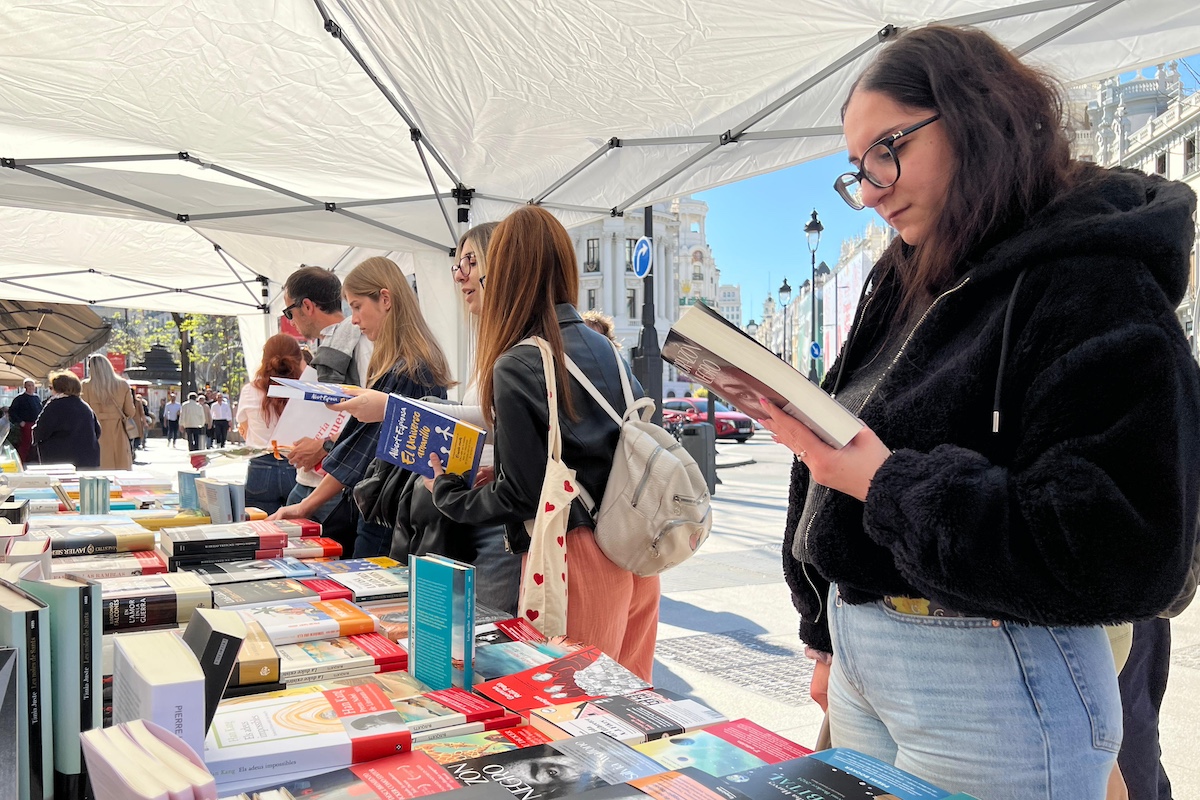
Pratsobrerroca adds another handicap: “Catalans should bet more on Catalan authors. Often a famous name comes from abroad, and we buy it without thinking that the quality of local authors is even superior.” Pratsobrerroca goes further: “In the same way that is happening with music, with a boom of options in Catalan from rap to pop and folk, we have authors in Catalan of all genres, from crime novels to romance, mystery or historical novels.” He cites names such as Oriol Canals, Irene Solà, Laia Vilaseca, Magda Minguet, Núria Fortuny and a long etcetera: “We must bet on Catalan authors.”
With these pending tasks and many others overcome with flying colors, Barcelona faces the future from a renewed impulse with the FIL and from a solid and vibrant ecosystem, which combines tradition and innovation. All with a challenge and an opportunity ahead: to consolidate the city as a literary center, maintaining its identity while reinforcing its projection and that of its writers.
Add The New Barcelona Post as your preferred Google source for free
Stay informed with the latest news.