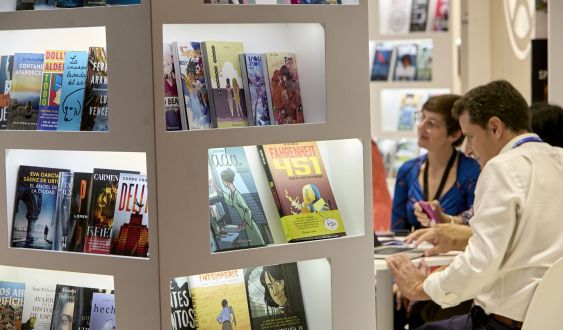
First came CDs. Then came screens, social media, series, and video games. Now, artificial intelligence. The book has been facing growing competition for years, but the publishing industry has continued to grow. In 2025, the Spanish publishing market generated €3.138 billion in revenue, 3.3% more than the previous year, marking twelve consecutive years of sustained growth. But growth was not limited to revenue; it was also reflected in sales and production: 196 million copies were sold and more than 89,000 titles were published.
This expanding publishing industry will have one of its major showcases at Liber. The professional publishing fair will celebrate its 44th edition in Barcelona from September 29 to October 1, with nearly 250 exhibitors from 19 countries. For three days, publishers, agents, distributors, and booksellers will gather to showcase the sector’s latest developments, explore new markets, negotiate rights, and seek new ways for books to reach other countries and formats. In total, the organisers expect to bring together around 9,000 professionals, almost 40% of them from abroad.
The exhibition will cover the entire book value chain, from major publishing groups and independent imprints to specialised publishers and companies involved in production, distribution, and marketing, as well as professional associations and representatives from different autonomous communities, from Andalusia to the Basque Country.
A publishing industry that crosses borders
Expansion beyond Spain’s borders will be one of the main themes of this year’s edition. Liber returns to Barcelona — after being held in Madrid last year, as the fair alternates between the two cities and is promoted by the Federación de Gremios de Editores de España (FGEE) — with a clear ambition: to build “a bridge between Europe and Latin America,” as expressed in this year’s motto.
This international focus will also be reflected in the fair’s programme: Liber has invited more than 700 professionals from 70 countries, who will take part in an agenda featuring more than 4,000 professional meetings.
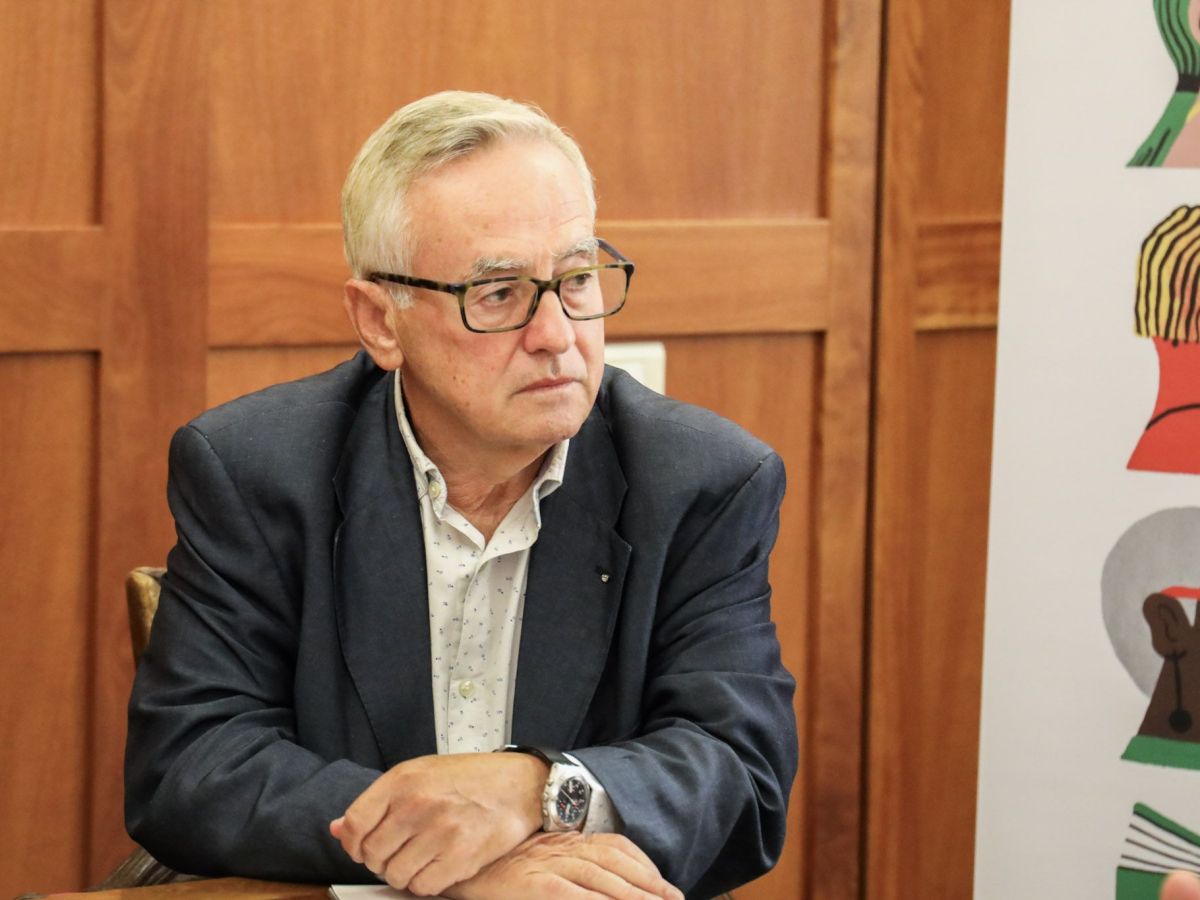
However, these commercial opportunities will not only come from Latin America. “We have a solid publishing industry that has a great asset: Spanish, a language spoken by nearly 600 million people worldwide,” points out Manuel González, president of the Federación de Gremios de Editores de España and of Liber.
A market of Spanish speakers that is no longer concentrated only in Latin America, but has spread throughout the world. The United States will become, as González reminds us, in not too long the second country in the world with the most Spanish speakers. But the interest in the Spanish book goes even further: to China, India, South Korea, Ukraine, Turkey or Armenia, countries that will also be present at the fair with their own stand.
Exports from the Spanish publishing sector are approaching 400 million euros
With all this variety of countries, the Federación de Gremios de Editores de España estimates that exports from the Spanish publishing sector are already approaching 400 million euros. A figure that is no longer only explained by physical books crossing borders, but increasingly by the sale of rights: agreements to translate, edit, distribute or adapt a work in other markets.
“The publishing industry has two main business models: the sale of the physical book and the sale of the license for a foreign publisher to publish it,” explains Fernando Benzo, general secretary of the FGEE. It is precisely this rights market that Liber wants to promote with the Salón de Derechos, a space that was launched for the first time in Madrid in its previous edition and that for the first time now arrives in Barcelona.
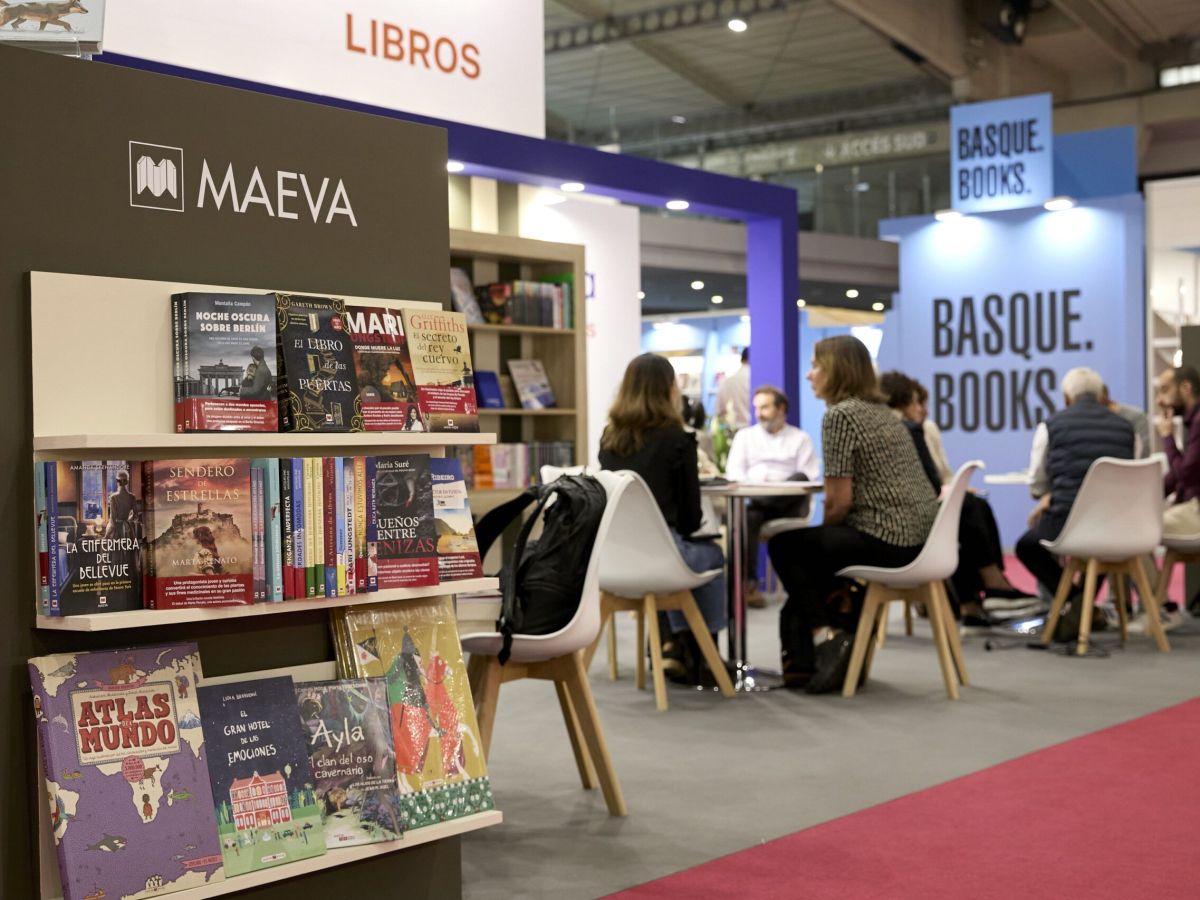
This space connects Spanish publishers with agents, buyers and professionals from other countries interested in acquiring translation, editing, distribution or adaptation rights. On this occasion, the fair has invited 120 specialists from 46 countries and hundreds of professional meetings have already been scheduled.
The future of the book, on the table
The sale of copyrights will not be the only topic of conversation at Liber. As a showcase for the industry, the fair will also put on the table one of the changes that generates the most questions in the sector: artificial intelligence. Its impact already reaches practically the entire book chain, from translation and proofreading to editing, promotion, distribution, and data analysis. But it also opens new debates about copyright and the use of works to train generative artificial intelligence models.
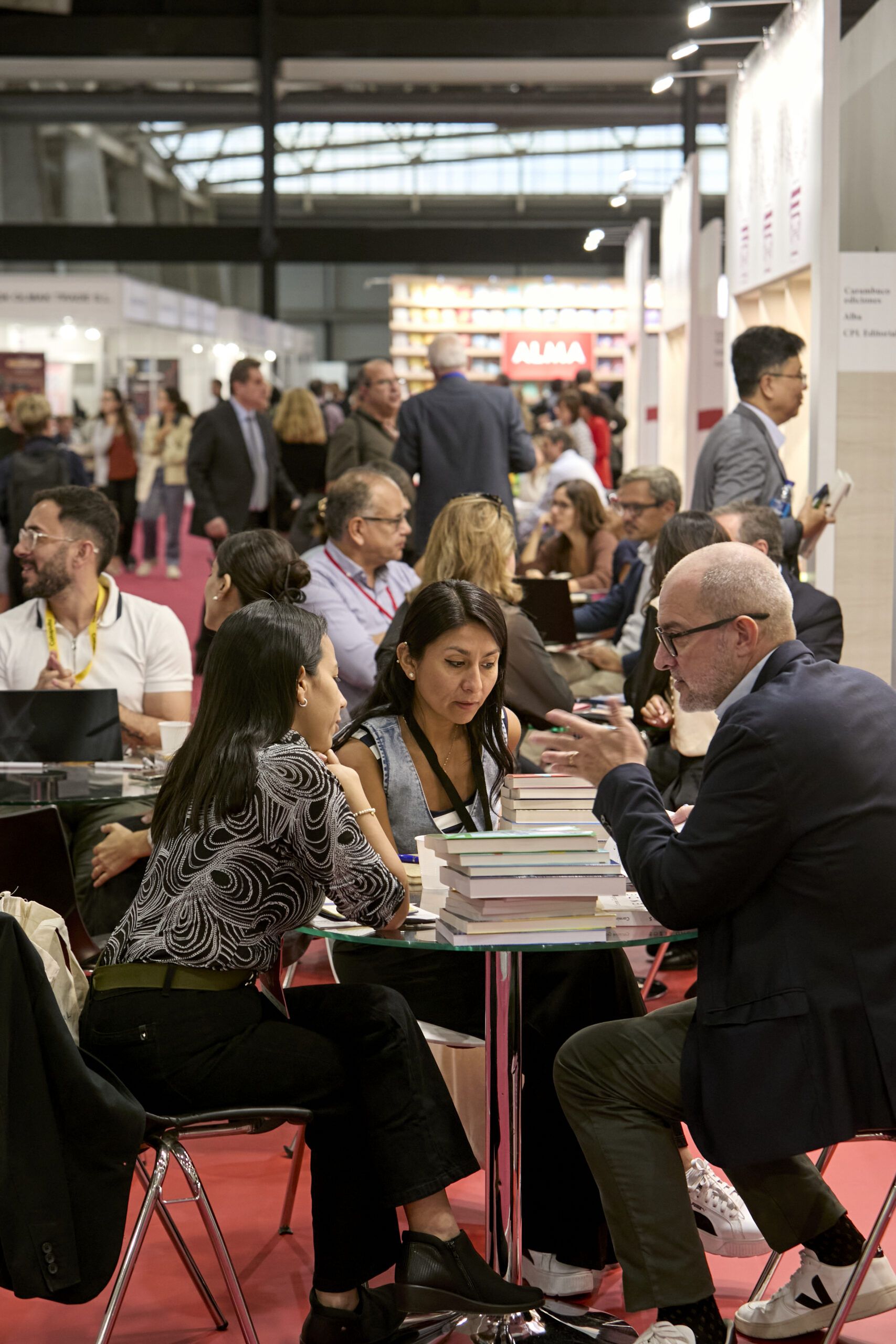
AI will share space with other changes and challenges that are already transforming the publishing industry. Audiobooks, new reading formats, sustainability, and accessibility will also be among the topics of the professional program, along with issues more related to the publishing business, such as translation, data, internationalization, and market perspectives until 2030. In total, Liber's extensive program will bring together more than 80 activities and around 150 speakers.
Liber's agenda will also be completed with a more institutional event: the Liber Gala, which will be held on September 30 at the National Art Museum of Catalonia (MNAC). During the evening, the Liber Awards, granted by the Federation of Guilds of Publishers of Spain on the occasion of the fair, will be presented. This year, the awards will recognize Cuban writer Leonardo Padura, editor Xosé Ballesteros, the Regional Library of Murcia, the ABC Cultural supplement, the creators of the series Anatomía de un instante, and the Barcelona bookstore Casa Anita.
Add The New Barcelona Post as your preferred Google source for free
Stay informed with the latest news.