
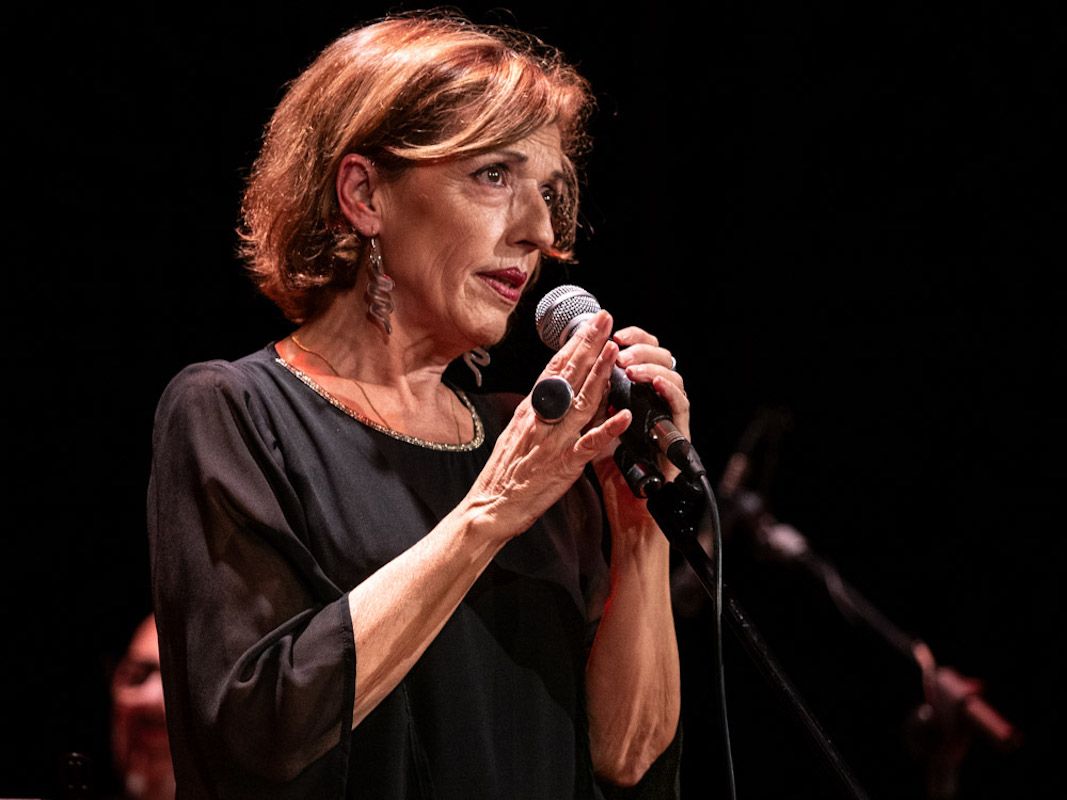
"My experience with Tete Montoliu was great. He always said that, as a pianist, he didn't want to see singers or guitarists, but that I was the exception. He was charming," laughs singer Laura Simó, leaning on the bar, Coca Cola in hand, recalling her time with the brilliant pianist, from which the beautiful recording of a concert in Calella in 1994 has recently been released, published under the title Together again (Swit) and which provides necessary evidence of the tandem formed by both.
--- Well, Tete had a reputation for having a very difficult character.
"I caught him at a particularly happy moment. Exuberant, newly married, in love. Like many other times in my life, I was in the right place at the right time," replies this seasoned vocalist of Catalan jazz, who has worked with an immensity of major names such as Juan Carlos Calderón, Lucky Guri, Jordi Sabatés, Francesc Burrull, Joan Díaz or her husband, Joan Vinyals.
"Many are no longer here and I am amazed to see how their memory is ignored. They are the ones who opened the way for jazz in this city and not even a street is dedicated to them. They are not given the tribute they deserve," laments the artist, while in the background the Brother to brother by her adored Gino Vannelli accompanies the morning atmosphere of the Bar. "I have been privileged to be able to share projects with all these talents —she adds—; of course, yes: I have been in the right place at the right time."
And currently, she continues there. In addition to presenting the new album with Horacio Fumero, pianist Ignasi Terraza and David Xirgu or Esteve Pi on drums, Laura is working with Francesc Capella —"with whom I have collaborated since 1986 and with whom we are already a 'broken' couple," she laughs—, on a show that, under the title West side songs, collects songs from various Leonard Bernstein musicals. The regular and Capella are accompanied by double bassist Guillermo Prats and his brother, drummer David Simó. In parallel, she collaborates with Carles Margarit, with whom she sings and recites poems by his father, Joan Margarit and, in her (let's say) free time, she acts as an advisor to the society Artistas, Intérpretes y Ejecutantes (AIE), "which watches over the rights of musicians."
A lifestyle
Trained as a translator and interpreter, the artist considers herself, above all, a musician, "which is more than a profession: it's a lifestyle, a way of being." Nearing four decades of activity, she was honored in 2023 by the Associació de Músics de Jazz de Catalunya for her impressive career. However, this has gone beyond jazz and has seen her playing in disparate fields, such as interpreting Granados' repertoire with Albert Guinovart, tackling Bernstein's musicals, Stevie Wonder's soul, or even tangos, "which I suppose is partly an inheritance from my grandmother, born in Argentina."
--- And with so many concerts and albums and collaborations, what can you say you are most proud of?
With an expressive smile that begins in a lively, almond-shaped gaze, the parishioner reflects for a few moments and sips her drink before replying that she cannot highlight any work above another, "because in all projects I have always tried to learn and contribute the most. At most, there are moments I remember with special affection, like my album Senza fine."
What she does consider herself especially fortunate for is something that goes far beyond music. "My mother died in my arms. I was lucky enough to be by her side until the last moment, with her. That gave me a new perspective on what life is and, as part of it, death. Something that must be accepted and understood naturally," she muses.
A call for goodwill
Barcelona has plenty of talent and lacks stages, according to the artist who, even so, declares herself a Barcelonan without hesitation. "Our generation was hardened on the stage, but now it turns out that there are very well-prepared musicians who don't have spaces. This city needs God and help to truly become cosmopolitan. I know too much talent that has left here. Besides, living here becomes very tiring, and even more so considering what this city once was!"
--- Would you say it's an institutional problem?
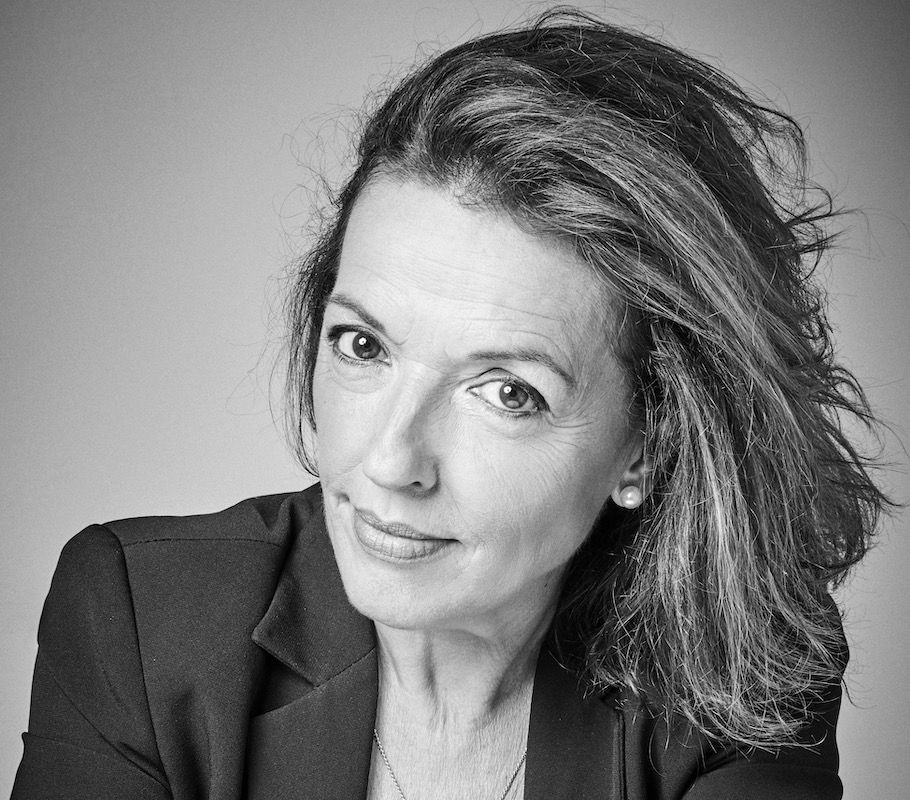
Singer Laura Simó shakes her head. "Not only. It's also a matter of lack of civility. Of a city where there are many coexistence regulations, but no one to enforce them, starting with ourselves. It should make us reflect that our streets smell of pee and are at the mercy of mass tourism," she reflects.
--- Is there a solution?
"I trust in good will and in the capacity and desire to move forward," replies Laura Simó, who immediately brings up the Barcelona that continues to enchant her: "The city of every September 11th, which brings together so many people who share the desire to assert their identity."
A few moments of silence pass, opportunely accompanied by Vannelli's People gotta move, after which the artist concludes, with the widest breadth of her smile:
--- That Barcelona, the one of September 11th, is the one that continues to impress me.
Add The New Barcelona Post as your preferred Google source for free
Stay informed with the latest news.
