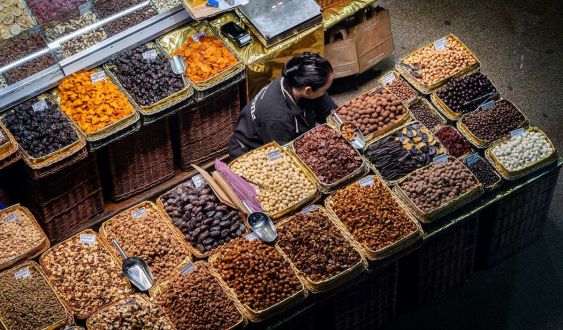
Entering the Boqueria is an explosion of smells and color. From La Rambla, dehydrated fruit and chocolates create a colorful mosaic on the right, while fresh fruit climbs on the left in impossible mounds. To stack it, at Vidal Pons they have been defying gravity for three hours, practically at dawn. And it's not an exaggeration. "Every day they dedicate three hours to building the mountains of fruit," highlights the president of the Market Traders Association, Jorge Mas. In gestures and details like that of Vidal Pons' fruit lies, according to him, the essence of the Boqueria.
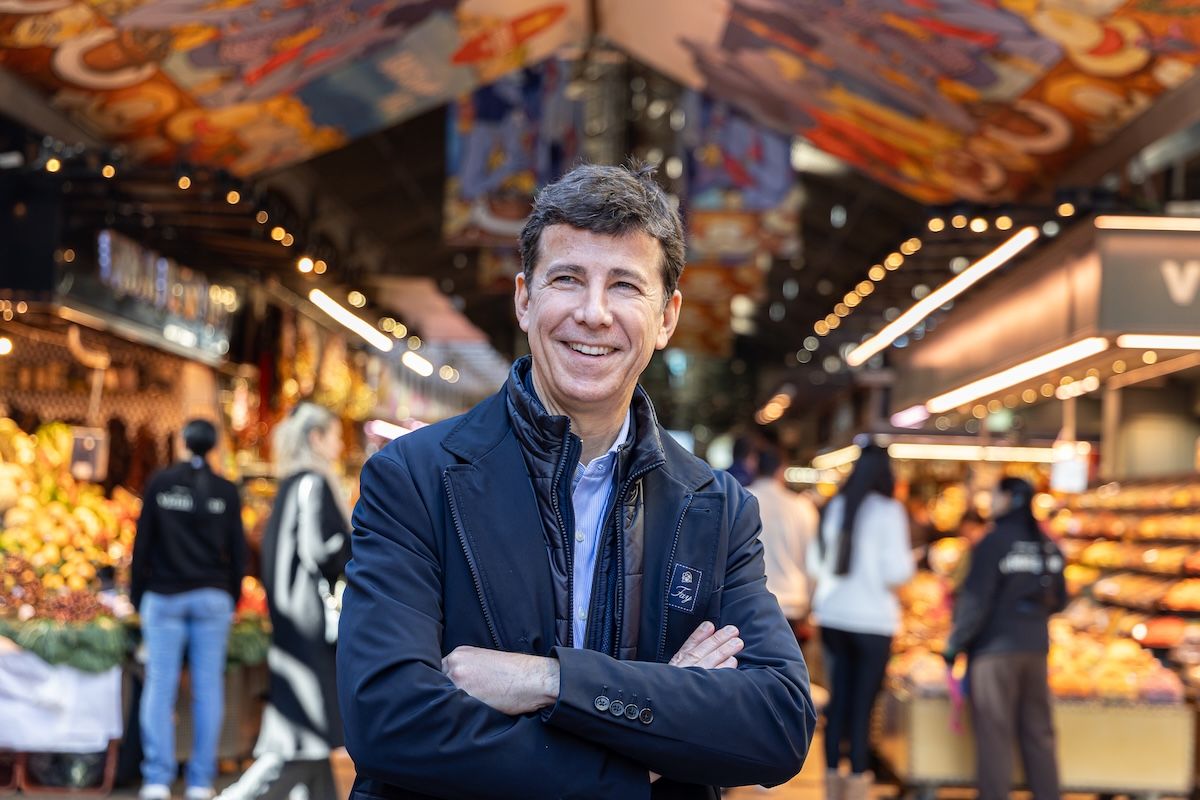
And these gestures and details are the result of something that goes further: trades with many years of experience behind the stall counter. Just as Vidal Pons has been in the market since 1897, many Boqueria stalls continue generation after generation — several are already on their fourth. And from that trajectory emerge these gestures, and also an expert knowledge that the market also exhibits as a differential treasure to care for and value. "We have product, and also expert professionals who know it with passion and care." There are many such experts in the Boqueria, "like Eduard Soley, a doctor in fruits and vegetables," in a figurative and almost literal sense: "Do you have a kidney ache? Do you have circulation problems? He knows what fresh products can help in each case."
"This knowledge, this source of wisdom, is something you can hardly find elsewhere." And that is one of the attractions with which the market wants to attract Barcelonans, including young people, a mission that has become its "main challenge," highlights Mas, who has lived the Boqueria since his childhood, where the family business took root in 1945. "We have to convey to the local public that in the Boqueria we have the knowledge, and also the product."
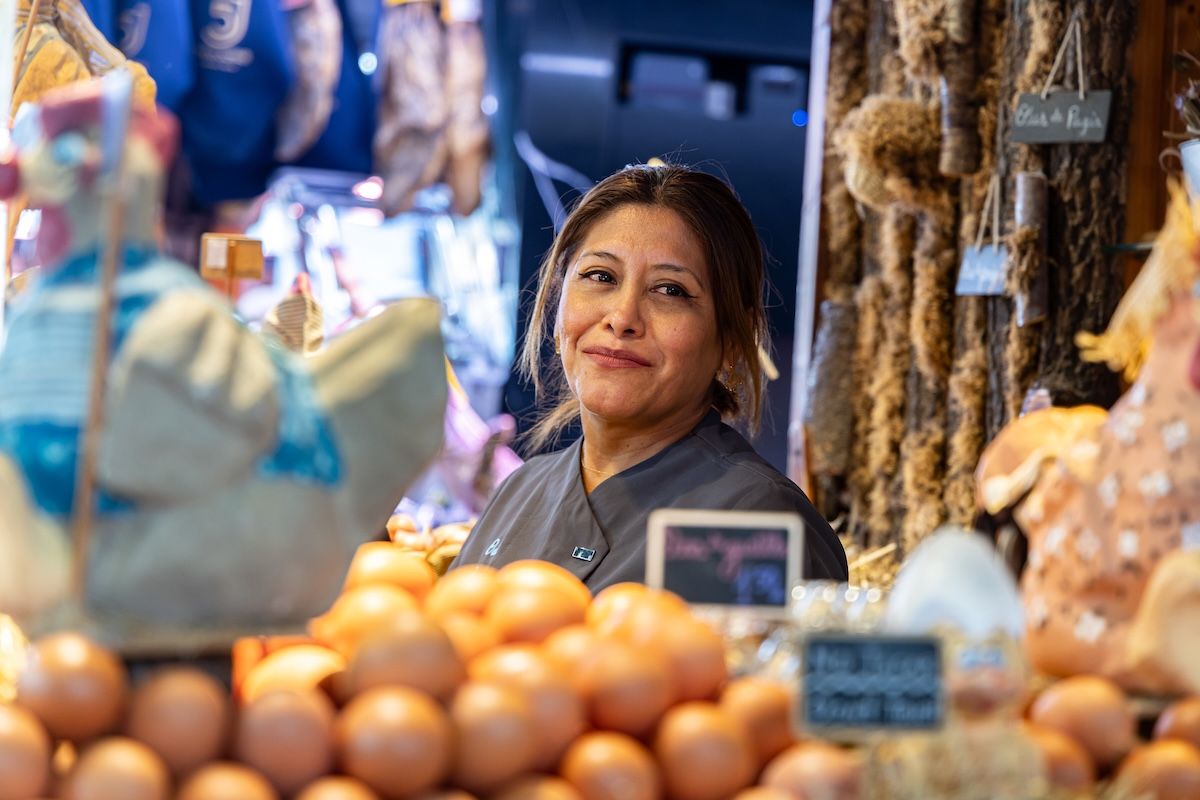
And it is that, "what cannot be found in the Boqueria, cannot be found anywhere". The countless types of fish or the dozens of eggs from the Ous de Calaf stall illustrate this vast assortment: chicken eggs of all kinds, goose, duck, and even emu and ostrich eggs form pyramids of different shades of cream and white. These compositions, this variety, and this knowledge lead to a third element with which the market wants to reconquer the people of Barcelona: "The enjoyment of the experience", through 180 stalls with products within a wide range of prices. "We must break the idea that buying in the Boqueria is expensive because it is in the center. We are a market and we do not operate under those logics. The price depends on the quality, not the location," Mas emphasizes as he walks among the stalls, without forgetting the market's gastronomic offer as an attraction.
This experience moves away from the image that has been generated in the minds of many: the queues of tourists and the crowds around take away products that clog the market's aisles. Despite this facet of the Boqueria, that of the local market persists. In fact, as Mas recalls, crowds have been common in the market for decades: "If we look back 50 years, it was just as or more crowded. When I was little, at Christmas, you couldn't even get in," recalls the also founder of the retail consultancy Crearmas. Thus, traffic has remained: what has changed has been the profile, which has shifted more towards the occasional visitor, to the detriment of the regular one who filled the aisles. Now it is still there, but in a much smaller volume that they want to recover. In fact, tourists represent around 80% of those who enter the market. This disproportion remains at a time marked by the decrease in visitors mainly due to the works on La Rambla, with a 5% drop.
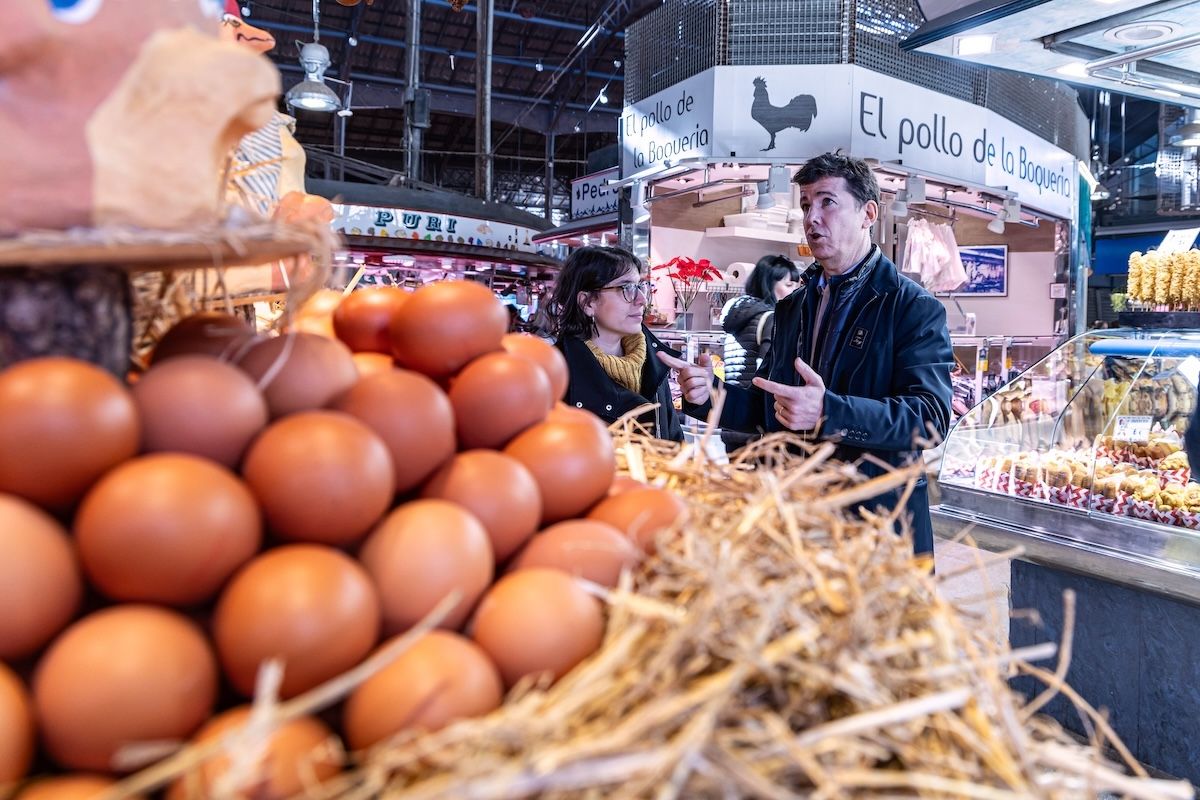
To address this asymmetry in the visitor profile, La Boqueria is clear that it must turn its gaze to the resident. "All the actions we carry out are aimed at the local public," emphasizes Mas. And there are quite a few: school visits, cooking classes for diabetics to teach them adapted recipes, a program for elderly people who are widowed and had never before gone shopping or cooked for themselves —especially men, located by the CAP and who for four weeks learn to shop and cook while weaving new social networks. These are some examples of a focus on the local that is complemented by programs that are not so formal but just as or more important: "The market does the work of monitoring people who come assiduously. If they haven't seen someone who usually comes for days, they consult their relatives, and valuable networks and relationships are generated," highlights Óscar Ubide, manager of La Boqueria.
Awaiting reform
This local focus and valuing it to attract Barcelonians again is key for the future of the market. Proof of this local focus is alsothe recent rejection by close to 70% of stallholders to open on high season Sundaysto take advantage of tourist peaks. And that same approach is what they want to promote with the reform already agreed upon with the City Council —with the support of a remarkable 91% of the stallholders—, which will go beyond the integral renovation of the market, and will set limits on elaborated products associated with fast consumption and passing visitors. With the agreement, the market must offer at leasta 50% of traditional productand a maximum of 50% to processed product, in search of ensuring a balance that enhances its facet as a local market, above that of a global icon. "Now it only remains for the City Council to press the start button," highlights Mas, who asks to accelerate the process and launch the reform, so that it develops in parallel to that of La Rambla and is advanced when the remodeling of the avenue comes to an end.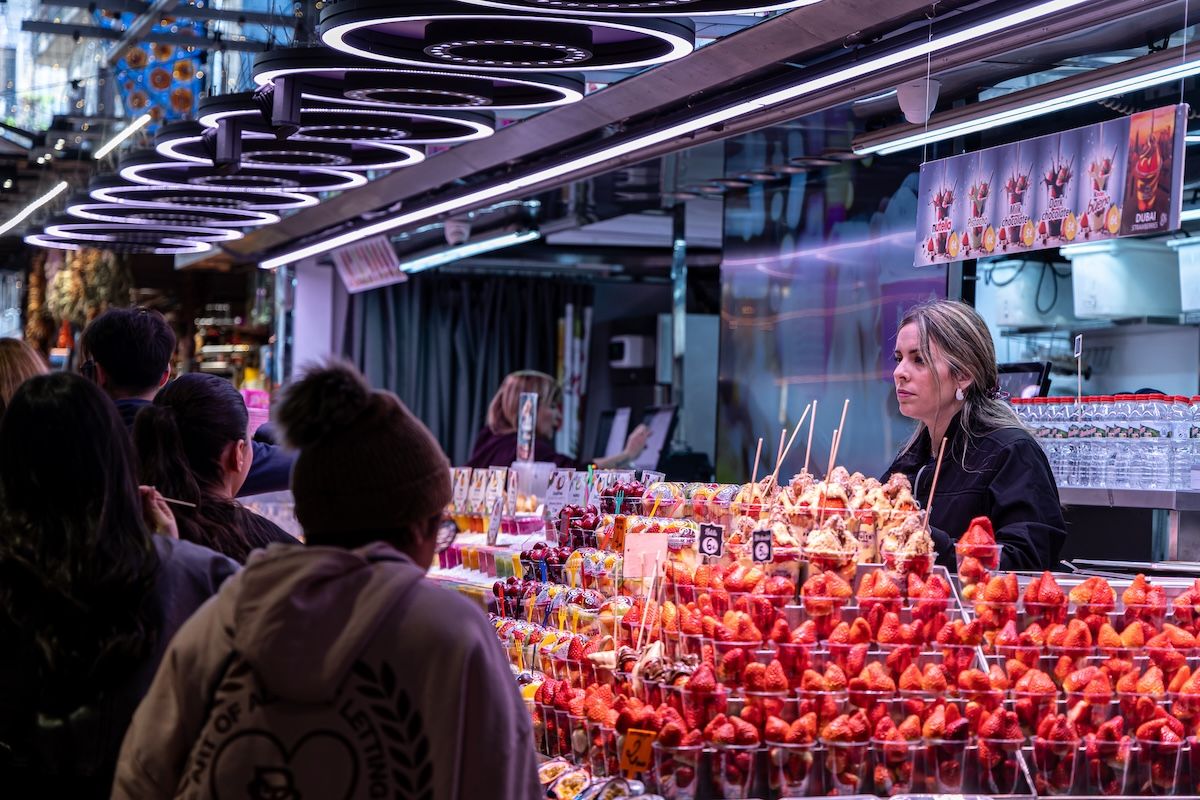
The reform is approached not without challenges, such as its still asbestos roof, and from a joint perspective with the City Council, as Mas highlights. In addition, the Boqueria also hopes to begin the reform of what had been the traditional entrance for the local public and now operates more as a back door: the Plaza de la Gardunya, which will also be valued as a main entrance. "The market must not lose its essence and soul. Having 91% support for the reform is very relevant, and it must be used to advance quickly."
"The Boqueria must be a world-leading market, but it must continue to be a market, and look like one." And it is that there are global icons that have moved away from their nature, and the Boqueria does not want to be one of them. In this global context, the Boqueria is not alone in its challenges and difficulties. In fact, it addresses them jointly with the alliance of The Magnificent Seven: renowned international markets such as Borough Market in London, Markthalle Neun in Berlin, and Pike Place Market in Seattle.
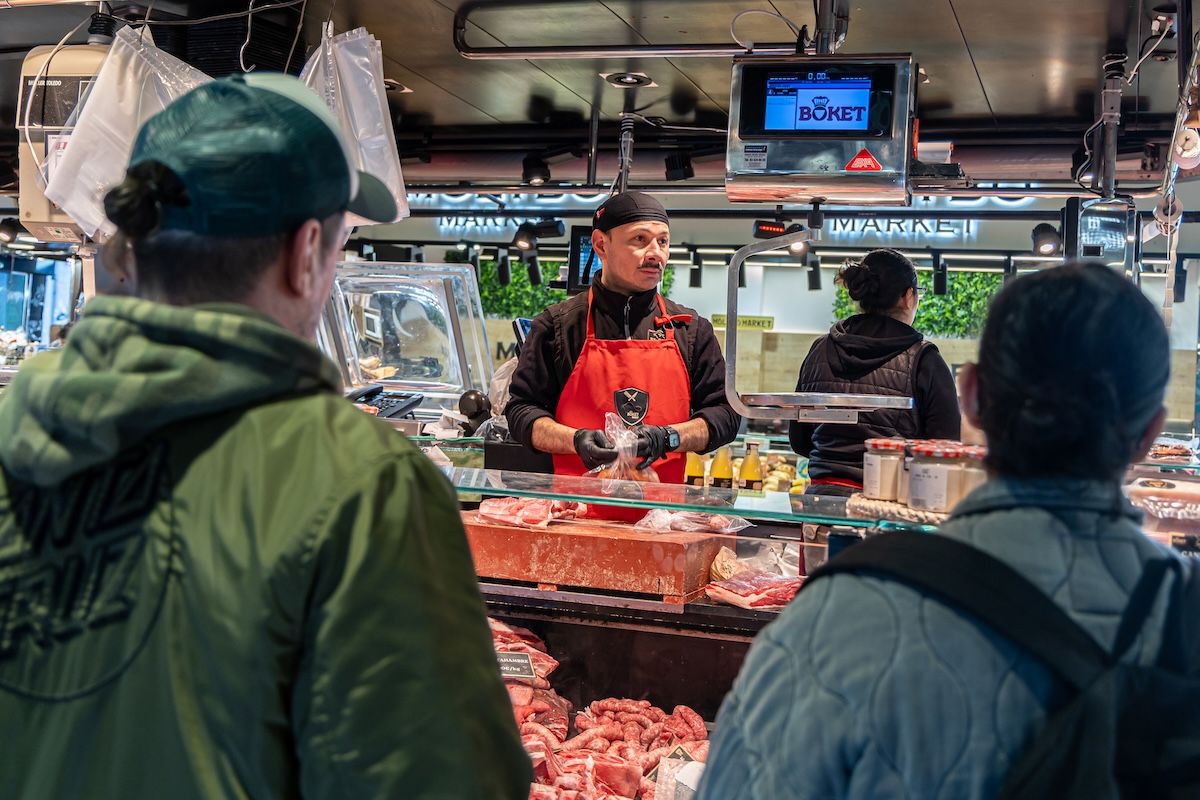
To maintain this essence, the market must also maintain its balance and variety. In a context where certain operators have acquired various stalls, a certain concentration of businesses in the hands of the same private operator is being generated. From the association, Mas points out that setting limits on concentration depends on the City Council, and that operating various businesses is not problematic if that balance is maintained: "If it harmed the market, we should act."
In any case, "the ideal would be for La Boqueria to be an equitable market, and for there to be no situation of force," to guarantee the balanced continuity of a market that also seeks that balance between tradition and modernity, with innovations such as sensors to monitor visitor flows, refrigerated lockers to leave purchases while strolling through the center, or a project to convert the market into a gastronomic hub. With it, La Boqueria wants to look to the future, from a facility that accumulates centuries of past.
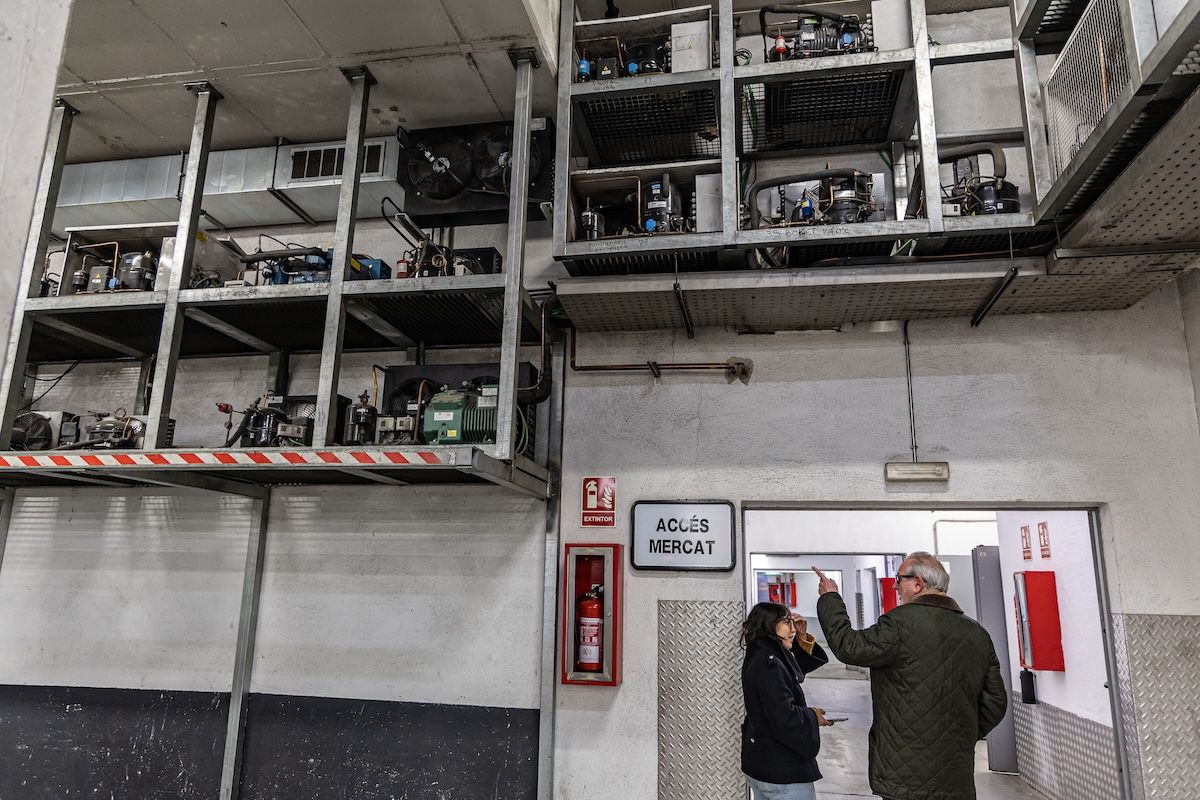
Its very name is a witness to this history and this medieval origin, which goes much further back than the 180 years the building has stood. It was goat meat (boc) that gave the market its name years after farmers settled outside the city walls to avoid paying taxes to the city. "Things have been sold here since before 1200," Ubide emphasizes as he walks through the market's logistics floor, in an area inaccessible to the public and with labyrinthine warehouses in crisscrossing corridors. The first licenses granted by the city, with the walls already extended to the Raval, were for that boc meat, which was then sold on tables and carts along La Rambla. From those carts to current challenges, La Boqueria continues to look at the city and its residents with the aim of being and continuing to be what it is and was: a market. Global, but, essentially, a market.
Add The New Barcelona Post as your preferred Google source for free
Stay informed with the latest news.
