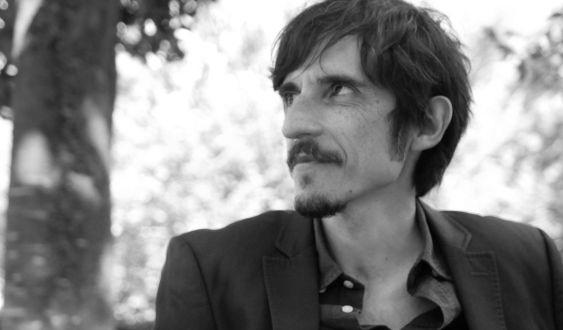
The orchestral opening of Taking care of business imposes itself on the bar's clientele who, for a few seconds, fall silent and let themselves be carried away by the melody, allowing Nina Simone's voice to fill the space and their souls. Leaning against the bar, the writer Juan Vico closes his eyes, nods and smiles, like someone reuniting with a lifelong friendship, making it something better. "A Negroni," he orders, following the rhythm of the song with his fingers tapping on the bar.
"I have always written what I wanted, for better or worse, without thinking much about trends or commercial demands. It's a somewhat suicidal stance, but there are days when I feel very proud of it," explains the person who, at 20 years old, in 2005, debuted with the poetry collection Víspera de ayer, with which he won the prestigious Arcipreste de Hita award. In these almost 20 years since that premiere, many things have happened on the blank pages that have crossed his life: a total of three poetry collections, an essay, a book of short stories, and five novels. Each work, moreover, different. "Since I have published books of various genres, each first title of each of those genres represents, for me, an important turning point. They have something of a new beginning, of starting over."
A feeling of always starting from scratch that translates into a freshness and creative freedom that shies away from any kind of accommodating formula. Thus, for example, his first novel, Hobo, presented the life of a bluesman, a stand-in for Jimmie Lunceford, wandering with his guitar from town to town, from dive to dive, in a United States where being born with the wrong skin color was the worst condemnation.
The next, El teatro de la luz, presented a criminal plot in 1920s Barcelona, amidst opulent splendor, a nascent film industry, and slum misery, with which he won the Monteleón Foundation award. With the third novel, Los bosques imantados, he changed register again and created a satire on superstition and sorcery set in 19th-century France. With El animal más triste he reflected on desire and infidelity in a story of reencounters where memory oscillates between life and celluloid and puts things in their painful place. That. Each novel, a different world where the only common denominator is the dialogue of people with art.
Now, he returns to bookstores and the lives of readers with Los regresos (Galaxia Gutenberg), a biographical novel about the Italian poet Dino Campana. "He is a key figure in early 20th-century European literature, but quite unknown in Spain. He had an amazing life that cried out for a novel. Hopefully, it will at least help some readers discover his figure." Diagnosed with mental problems since he was 15, Campana led a tormented existence, leaving behind a single, though influential, work: the Canti orfici.
Without looking back
17 years ago, Juan made a momentous decision: to dedicate himself exclusively to literature. A leap into the void that he took without looking back. "It was undoubtedly a good decision, seen in retrospect," he smiles as he recalls.
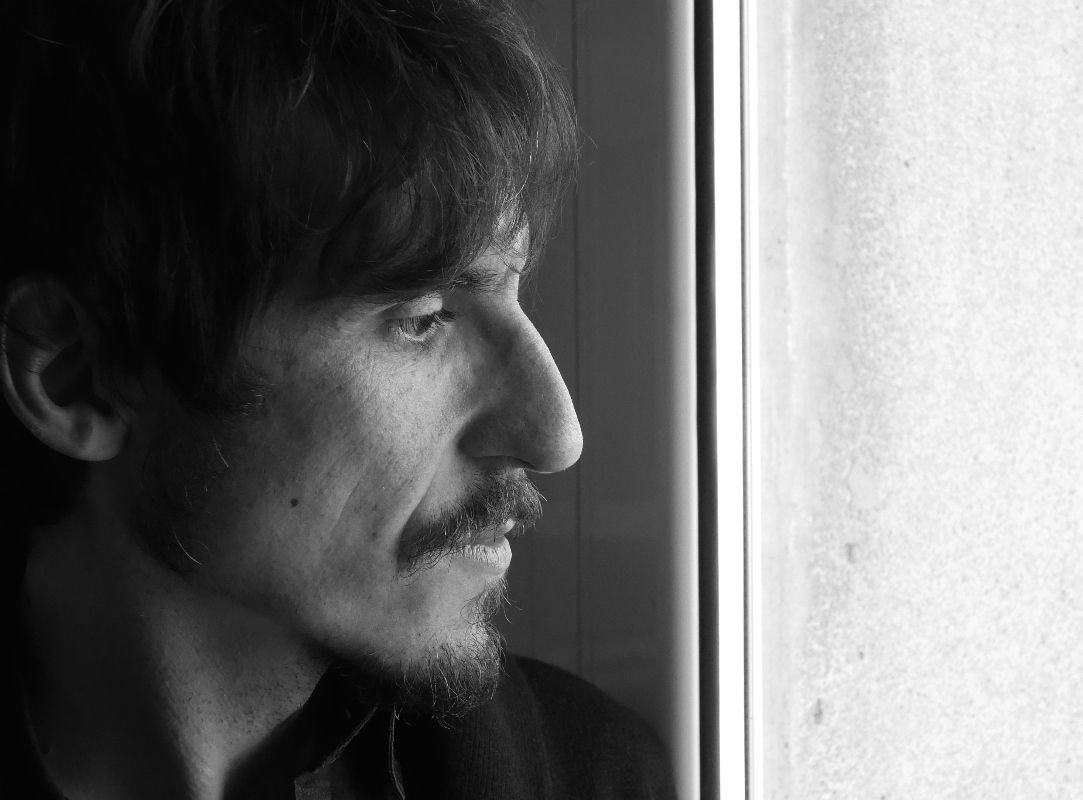
--- It's difficult to make a living writing books in this country.
Juan Vico sips his Negroni. "Well, I'm not just referring to writing books. I include other activities like literary teaching or various editorial jobs," he replies, referring to tasks such as having been editor-in-chief of the literary magazine Quimera, or his work as a creative writing professor at the Ateneu Barcelonès, with which he feels especially comfortable.
"I like teaching more and more; it's a pleasure to share my experience with people who are starting in the fascinating and monstrous world of literary creation," he clarifies.
Where love and hate alternate
"I was born in Badalona and have lived in Barcelona since 2006. It's a city that I find very comfortable, sometimes, too much. I believe, however, that it's impossible to live in a place for a long time and not develop a relationship in which love and hate alternate or even get confused, perhaps several times in the same day." Sources of that hate, the usual ones: "Prices, gentrification, mass tourism, the dwindling cultural offerings compared to a few years ago." What makes him fall in love: many other things, starting with memories.
"I have one from childhood that fascinates me: the taxidermy shop that was in Plaça Reial, a centenary establishment that disappeared with the facelift of the Olympics. The business, as I have read later, had been in decline for decades. But I suppose the effect that a shop window full of stuffed animals caused on an 80s child is incomparable to what it would produce in a child today, no matter how decadent its appearance was back then." The writer finishes his Negroni with a last sip and asks for the next one. "I still retain a taste for extravagant museums and strange collections, although I have never collected anything," he adds.
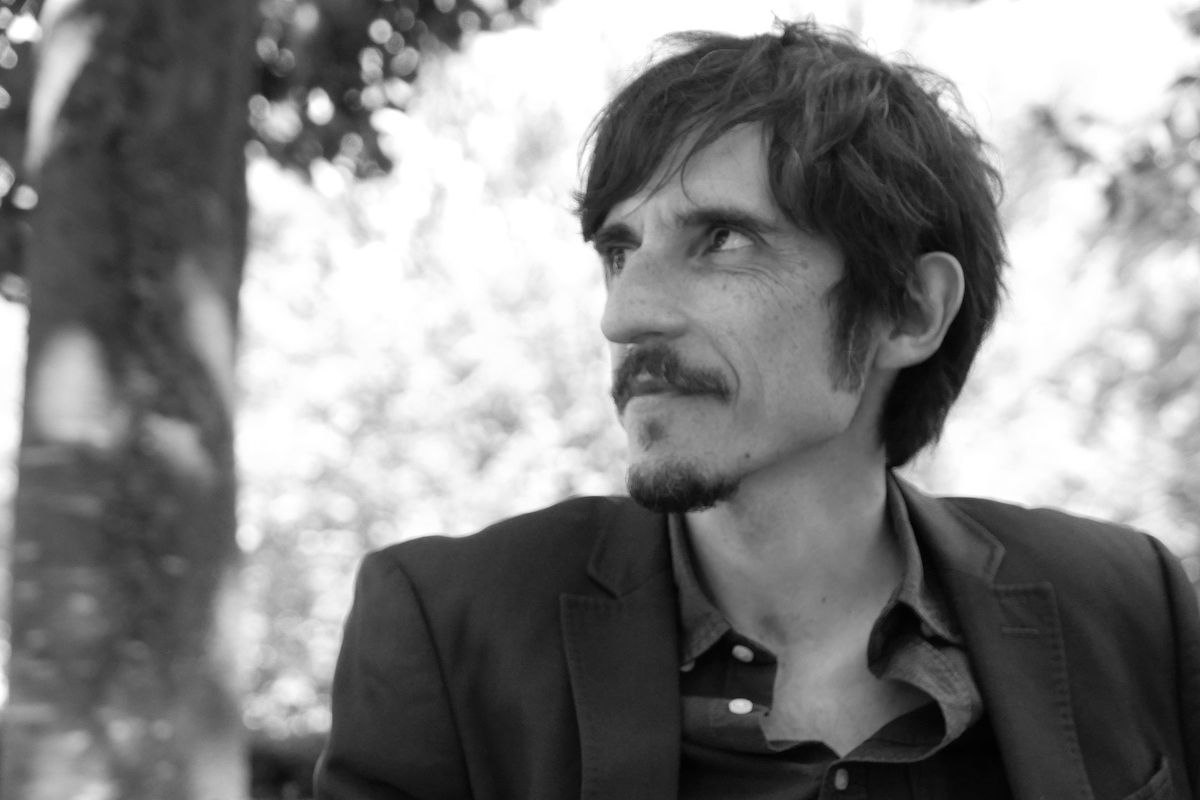
--- The memory you will forever cherish is that of the quality of the food at this Bar, in case you want to have dinner after the second round. We have a set menu, à la carte, portions, tapas…
Juan Vico smiles. Nina Simone's version of Feeling good plays with all its categorical magnitude. The bar's clientele livens up.
--- Some portion will fall, but first we finish the drink, right?
--- The doubt offends!
Add The New Barcelona Post as your preferred Google source for free
Stay informed with the latest news.
