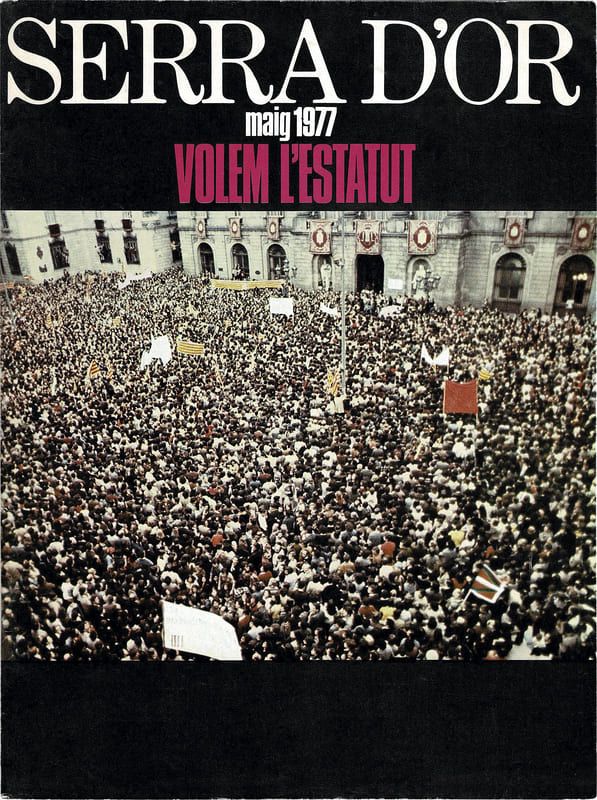
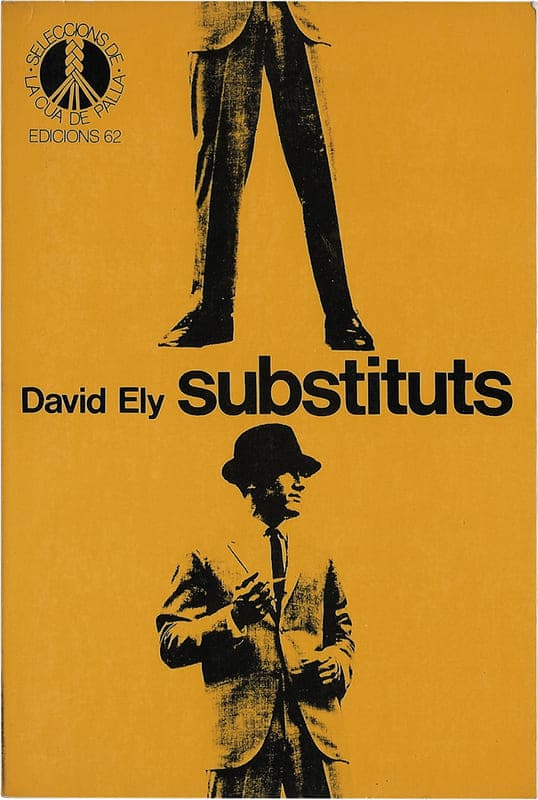
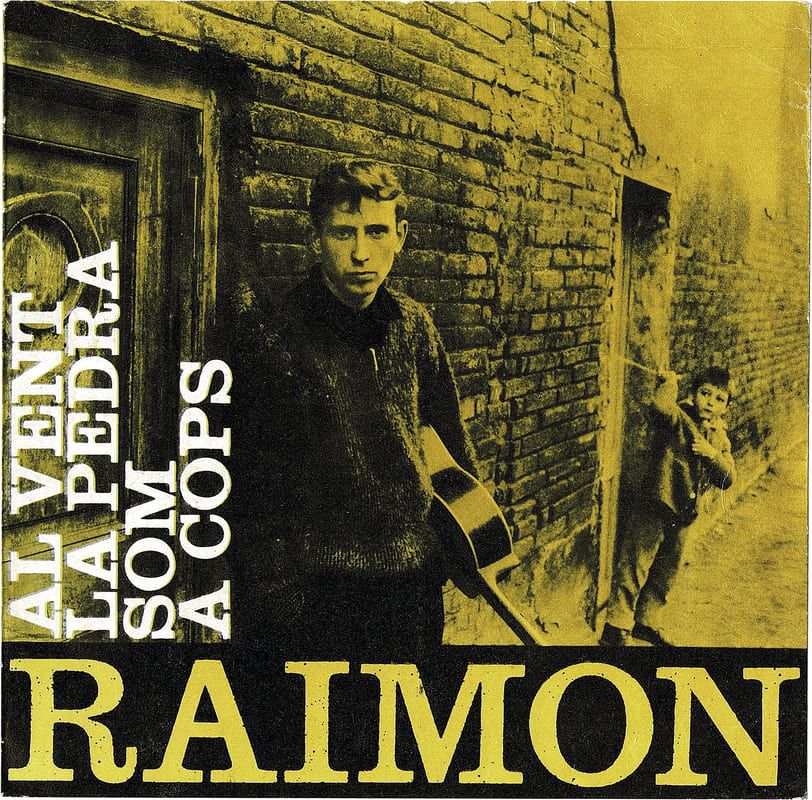
You don't know it, but Jordi Fornas is part of your life. You have come across him when you have consulted the Enciclopèdia Catalana or when, in bookstores or libraries, you have found volumes from the collections La Cua de Palla or El Balancí, with publishers such as Península or Edicions 62, with translations of great novels by Capote or Miller into Catalan or, also, with Joan Fuster or with Perich, or with Manuel de Pedrolo or with Francisco Candel. He has snuck into your record collection, either in the form of a cover by Serrat, Raimon, Lou Bennett, Núria Feliu, the Nova Cançó or some rock en català band from the 60s. You have had him in your magazine rack, in titles such as Serra d'Or or Presència.
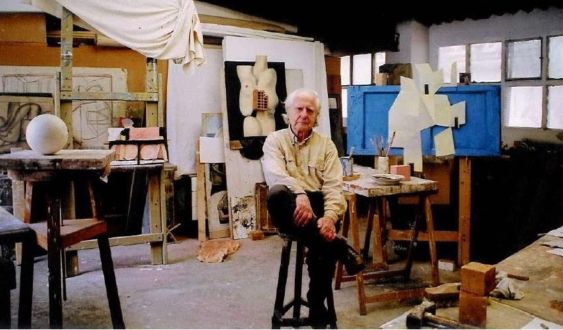
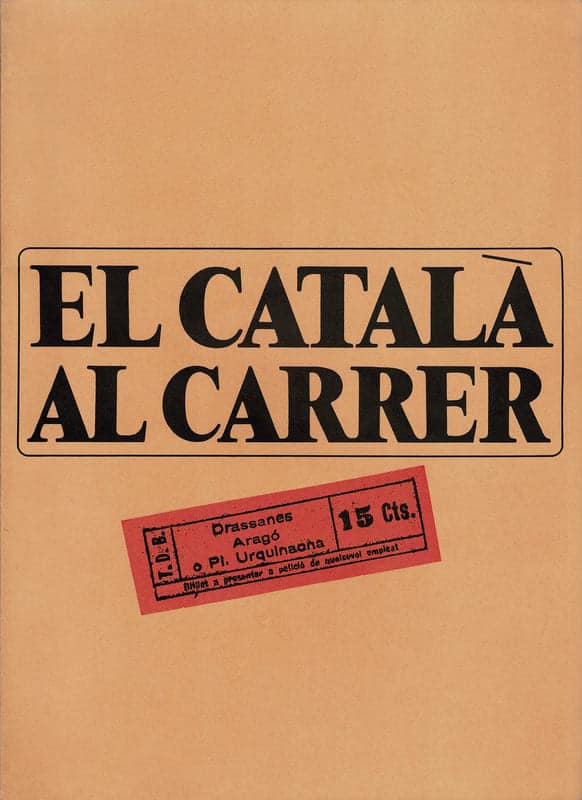
Born in 1927 in a Barcelona where he spent his entire life, Jordi Fornas was a painter, sculptor, photographer and, above all, one of the great forgotten names of graphic design. His production starts from expressionism to end up in a lexicon where abstraction, structuralism and reflection converge. "He was a key piece in the machinery of the Catalan cultural revolt of the 60s," says the Lleida designer Pau Llop who, taking advantage of the tenth anniversary of the artist's death, has collected his legacy in an exhibition and in a volume (the first to address his figure as a graphic designer) recently published by the Institut d'Estudis Ilerdencs, under the title Fornas. La Imatge de la Catalunya dels 60.
"I began to discover his graphic work as a result of buying records published by Edigsa. I loved and was captivated by the covers. From there, I pulled the threads and contacts until I discovered all of Jordi Fornas's graphic work for Edicions 62, Serra d'Or and a long etcetera," explains Llop, in love with the legacy of artists such as Joan Pedragonsa, Pla Narbona and photographers such as Colita, Oriol Maspons or Leopoldo Pomés. Llop recalls ---still with a grimace of surprise--- that he had never found any review or extensive publication about the artist's legacy: "Which encouraged me to work on it".
--- And how long did it take you to carry out this whole process?
--- Well, about ten years for the entire book and exhibition process.
An artist for the entire Catalan universe
It is surprising that this great tribute to a complete Barcelona native like Fornas comes from Lleida. Pau Llop clarifies it unequivocally: "The link with Lleida and with any other point in Catalonia is the fact thatthe design and work of Fornas is for all the Països Catalans. From Jordi Barre's records in Northern Catalonia to Porcel's books in the Islands; from the bookLleida. Problem and realityfrom Lladonosa, Porta, Miquel, Vallverdú i Gabernet (always from Lleida) to the first book by Edicions 62, which is none other thanWe Valenciansof Joan Fuster".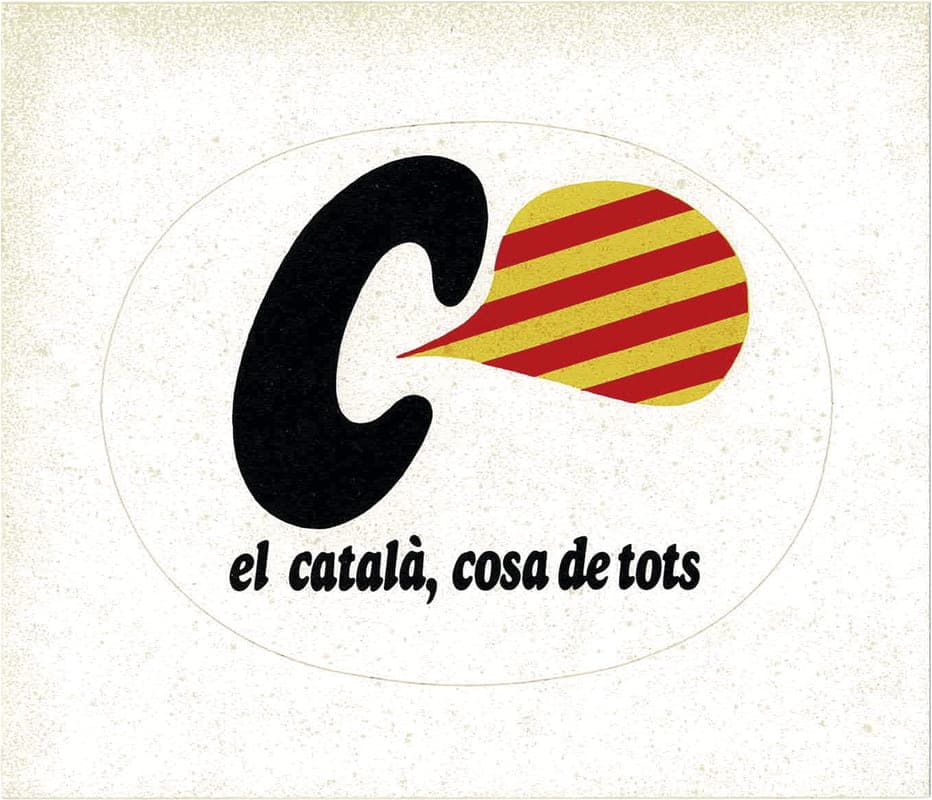
This deep bond with the entire Catalan-speaking and cultural territory is what motivates Paul Llop to commit to continuing to vindicate the figure of the designer: "The intention is for the exhibition to be itinerant and to continue disseminating Fornas's work wherever possible."
--- Do you know when we will be able to see the exhibition in Barcelona?
--- I can't specify any dates yet, time will tell.
For now, there is the book, with a prologue by Jordi Amat that delves into the figure of the designer and artist in the process of refounding the Catalanist imaginary between the last throes of the 50s and the dawn of the 70s.
Add The New Barcelona Post as your preferred Google source for free
Stay informed with the latest news.
