Every concert has a script. Songs are carefully ordered, setlists prepared, hours of rehearsals put in, and every entrance and exit worked out in advance. The singer takes to the stage knowing what they will sing and, more or less, what will happen over the next hour and a half. But some musicians choose to throw that script out the window.
That's when a different version of the artist appears — more authentic, less rehearsed: a familiar song played differently, a piece that wasn't part of the set repertoire, or an unexpected collaboration. These are the moments when a musician leaves familiar ground and allows themselves to explore what happens when they do things differently.
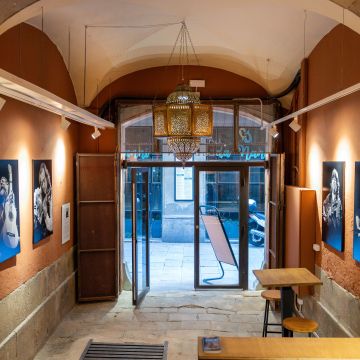
It's this art of straying from the script that JazzSí champions — the emblematic Raval concert venue beginning a new chapter after years shut and a thorough refurbishment that has allowed the space to be adapted and soundproofed. It does so alongside Liba Villavecchia, saxophonist, with Guim Cifré and Clara Conill, former managers of sala Milano, one of the city's leading jazz venues, which also closed its doors in 2023.
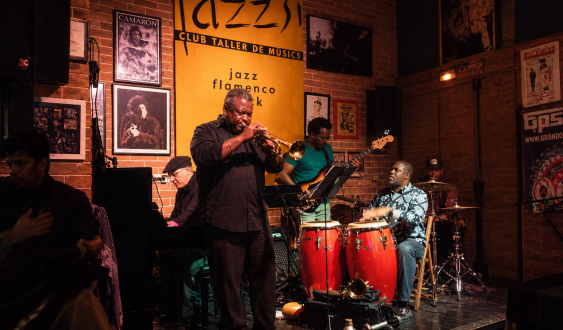
This isn't just a reopening. The idea is to recover the spirit the venue was born with back in 1992: a space linked to the Taller de Músics where jazz and flamenco coexisted with rumba, where students could take the stage alongside established musicians, and where jam sessions were the norm.
This is also the direction the new JazzSí wants to recover: making room for projects that don't fit easily into a label or a particular genre, for emerging artists who are still finding their place, but also for established musicians looking to explore a new facet, try another language, or simply dare to innovate.
Behind this venture lies a firm conviction too: that Barcelona needs these neighbourhood venues, precisely because there are fewer of them every year and many have closed in recent years. "Lots of the city's iconic venues are losing their licences. Given that situation, we thought it was worth taking on a project as risky as opening a music venue is today, one that can also make an important contribution to the city and the music scene," says Guim Cifré, speaking to The New Barcelona Post.
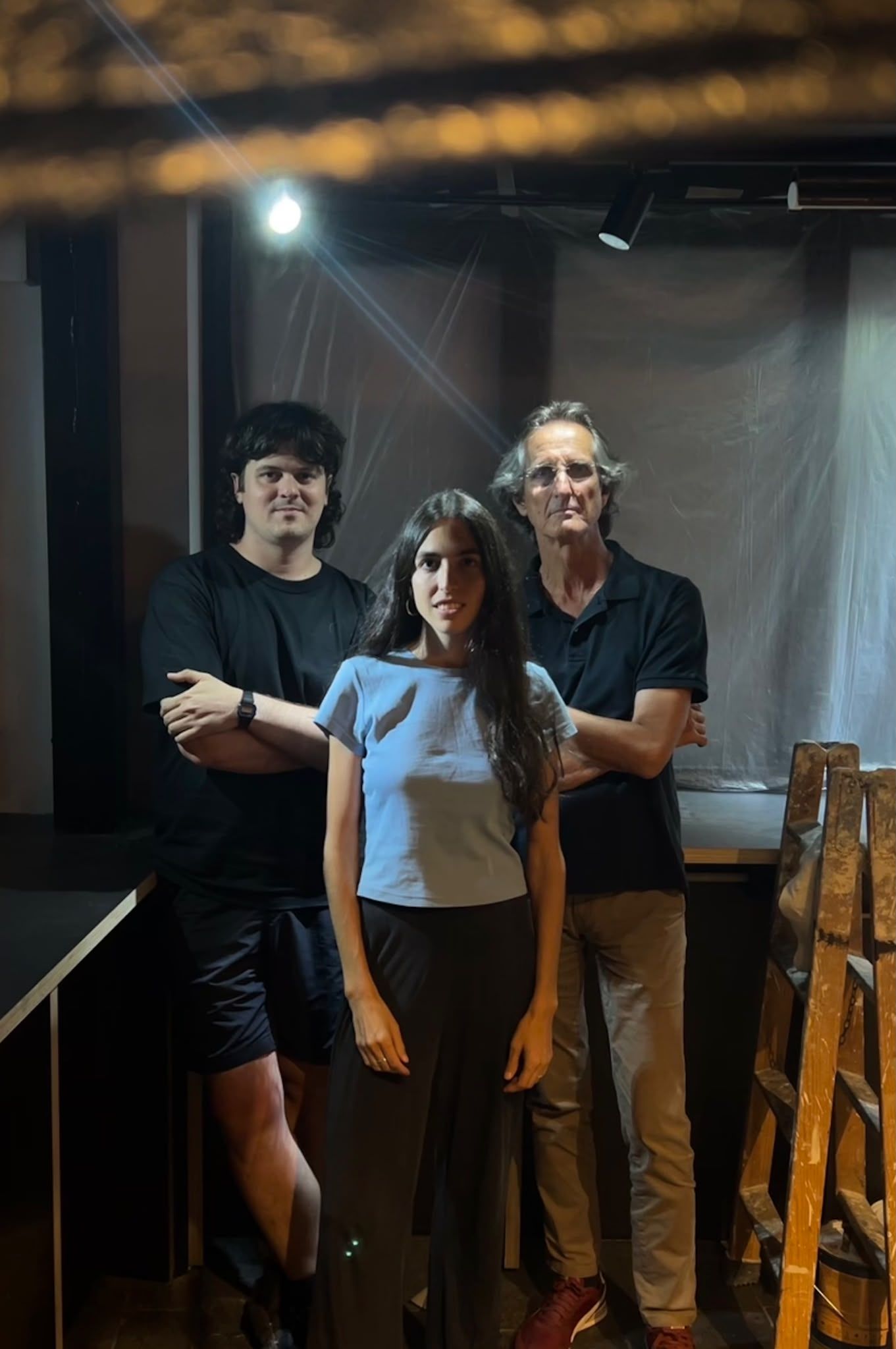
For this reason too, the new team wants to put an open programme at the heart of the project, one capable of bringing different ways of understanding music into dialogue. "The city needs a place that brings different styles together. Limiting ourselves too much would be a mistake," argues Liba Villavecchia. A space, in short, for "music that searches, that experiments, and that goes off track," as the motto for this new chapter puts it.
A small venue with decades of history
This spirit, however, doesn't start from nothing. Opened in 1992 at Carrer Requesens 2, JazzSí has been, for more than three decades, a small but significant meeting point for live music in Barcelona, offering live programming every day, Monday to Sunday. Its stage has seen generations of musicians pass through, among them Enrique Morente, Carmen Linares, Miguel Poveda and Mayte Martín. And within its four walls, a young Rosalía — then a student at the Taller de Músics — also had some of her earliest performances.
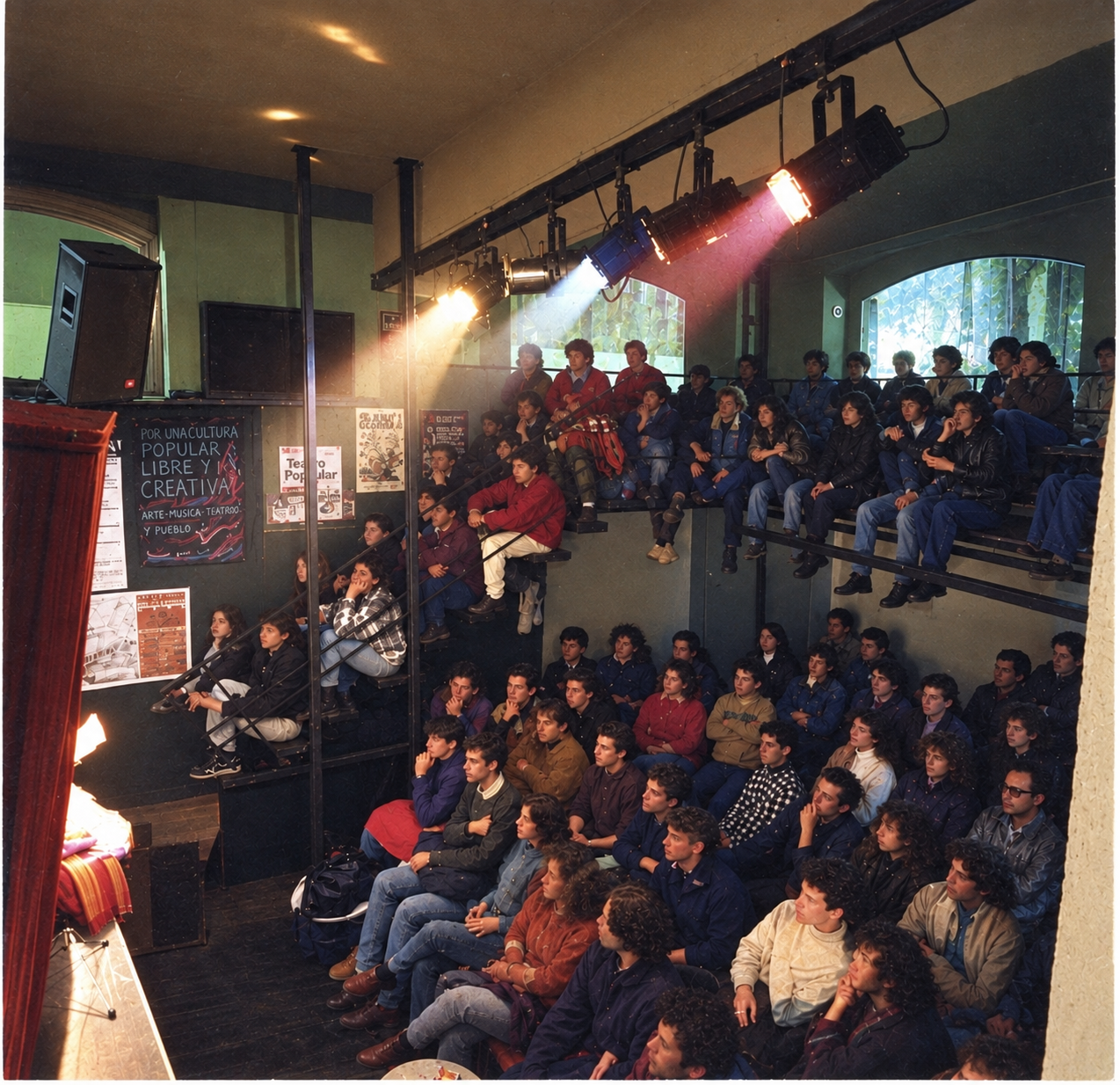
But JazzSí wasn't just a concert venue. Its ties to the Taller de Músics also made it a place of learning, where students and teachers could share the stage with musicians of established standing. An unusual blend of school, concert venue and meeting point that survived for decades, but which was hit hard by the effects of the pandemic — especially harsh for small venues and live music.
The venue gradually lost its regular rhythm until it closed its doors in 2023. Since then, a space once accustomed to live music every day of the week has sat in silence — a silence now broken by this new chapter, which has required more than a year of building work to carry out a thorough refurbishment, bringing the venue up to current standards, renewing all its technical equipment and soundproofing it. With the space now renovated, JazzSí is preparing to break the silence, open its doors and return to daily activity from 18 September.
The new JazzSí has no wish to be pigeonholed into a single genre, aiming instead to bring different ways of understanding music together. There will be jazz, but also free improvisation, flamenco, electronic music, rock, song and experimental work.
JazzSí, yes to everything
The new JazzSí will champion live music, but it won't just be a concert venue. During the day it will operate as a cultural bar, with tapas, snacks and vermouth, but also books, records, vinyl and tapes. The idea is for it to be a place to drop by, dig through crates, listen to music or run into other musicians without having to wait for a concert. There will also be a small selection of records and self-releases from local independent labels, aiming to give visibility to projects that don't always have easy distribution channels.
The relationship with the Taller de Músics, with which it shares both history and neighbourhood, will also be an important part of this new chapter. JazzSí wants to keep its calling as a space for informal learning while also opening up to emerging projects that are just starting out. But it doesn't want to be a space solely for young projects: the idea is for students from the Taller and other schools to cross paths with more established musicians, hear them up close, share experiences and take part in the jam sessions that will also form part of the programme, making room for improvisation and exchange between musicians.
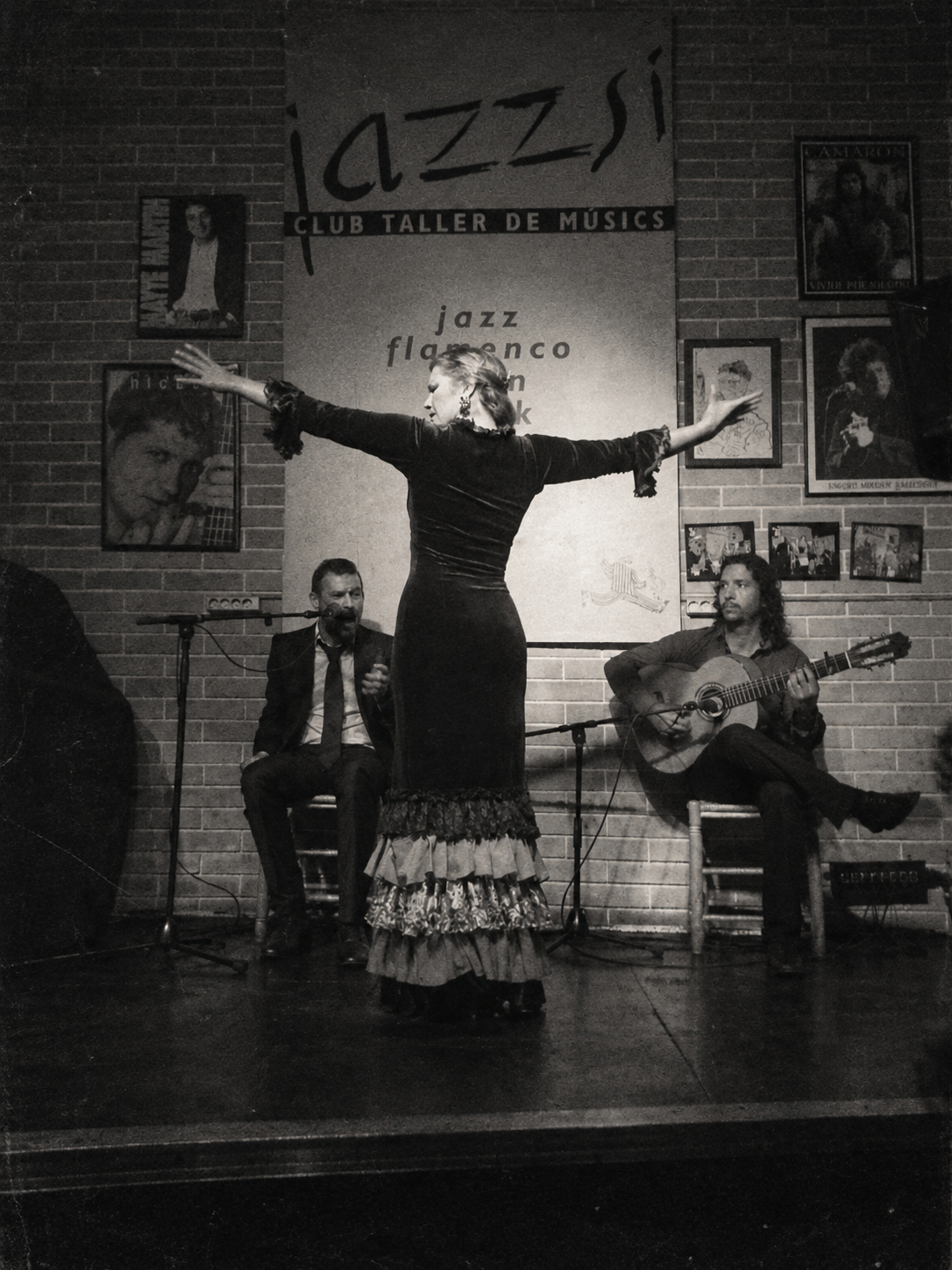
This desire to mix styles will also carry through into the programming. The new JazzSí, in fact, has no wish to be pigeonholed into a single genre, aiming instead to bring different ways of understanding music together. There will be jazz — as a nod to its own name — but also free improvisation, flamenco, electronic music, rock, singer-songwriter and experimental work, as well as projects that don't fit easily into any one label. "We're especially interested in projects that search for and mix languages," notes Cifré. The goal, ultimately, is "not to talk about styles or genres, but about quality projects."
This freedom in programming, however, doesn't mean giving up on quality. "The motto 'JazzSí, yes to everything' doesn't mean accepting everything," warns Villavecchia. The goal is not to shut the door too soon on projects that fall outside the usual circuits, without giving up on quality. With this in mind, the founders look for inspiration to small European venues such as Café OTO in London, Sowieso in Berlin, l'Alchemia in Kraków, and Les Instants Chavirés in Paris — benchmarks for an approach to clubs that shuns labels and backs a mix of genres, experimentation and improvisation.
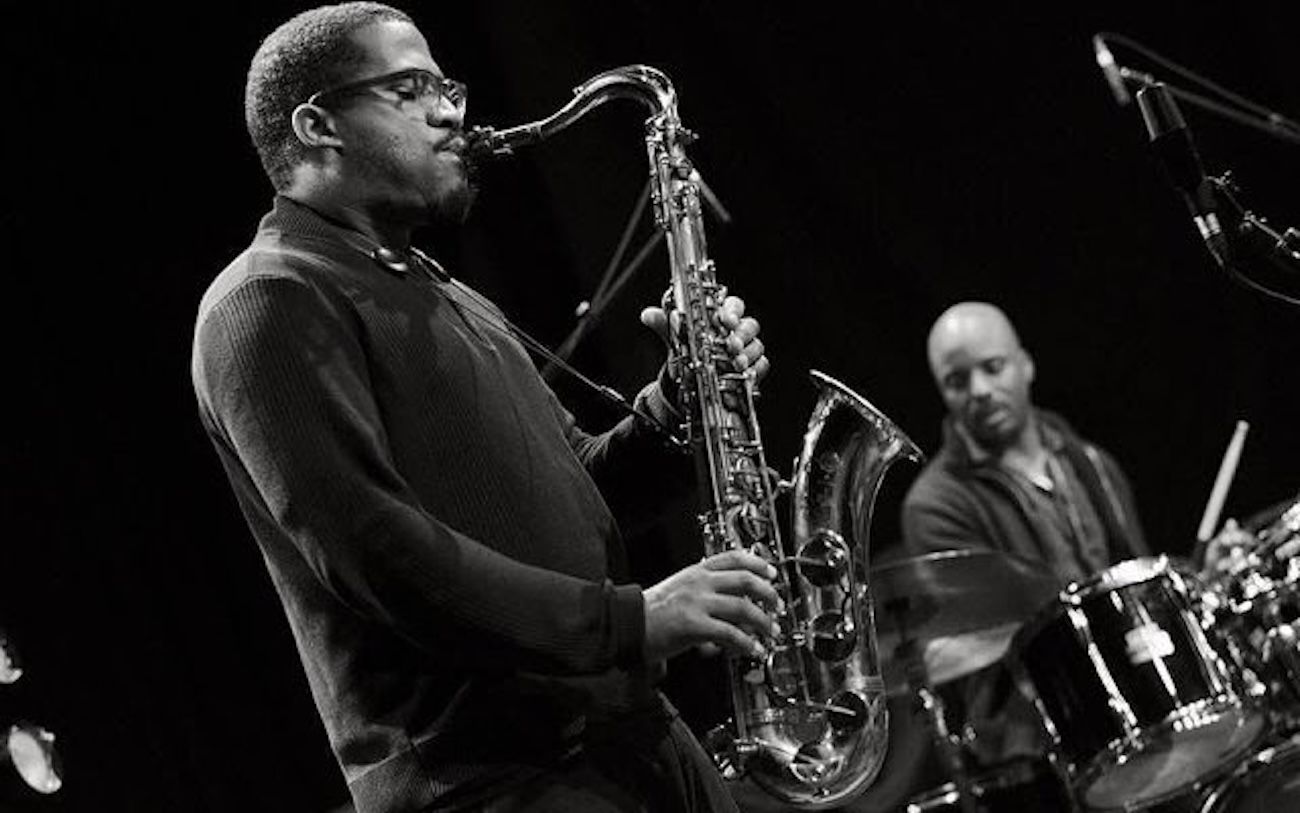
A philosophy the founders want to make visible from day one. To mark the reopening, they've put together a three-day programme, from 18 to 20 September, under the name Manifiesto, condensing into three nights the spirit with which JazzSí is reopening its doors. With free entry on the first day and a surprise concert, the programme will combine local acts such as the avant-pop duo Damoridemort, made up of Blanc Nua and Rikamichie, and Behenii II, the improvisation project from Vasco Trilla, Don Malfon and El Pricto, alongside international artists like American saxophonist James Brandon Lewis, who will perform with drummer Chad Taylor.
Music that calls for closeness
For all these reasons, the founders see the venue's small size as an ally rather than a limitation. This format makes it possible to programme artists and projects that might struggle to find a fit in larger spaces, while also fostering a closer relationship between musicians and audience. It's an approach that makes even more sense in a city where finding small spaces to improvise, experiment and grow musical projects is becoming increasingly difficult.
In recent years, in fact, some of these small-format venues have been closing. It's true, though, that the city still holds on to long-standing spots such as Jamboree and Harlem Jazz Club, and has seen new ones emerge, including Aclam Club and La Perla del Born — also featured a few weeks ago in El Radar for its firm commitment to flamenco. Between old and new, a still-fragile network is taking shape, one that allows emerging artists and more experimental projects to find spaces to perform in and gradually build their audience.
Add The New Barcelona Post as your preferred Google source for free
Stay informed with the latest news.