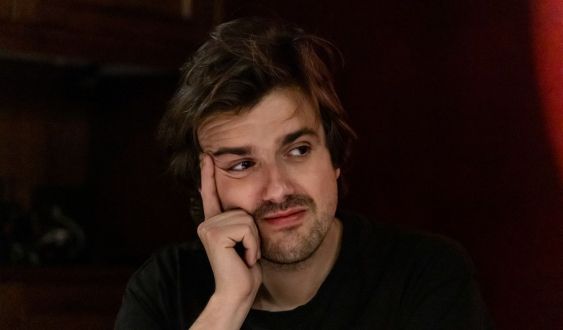
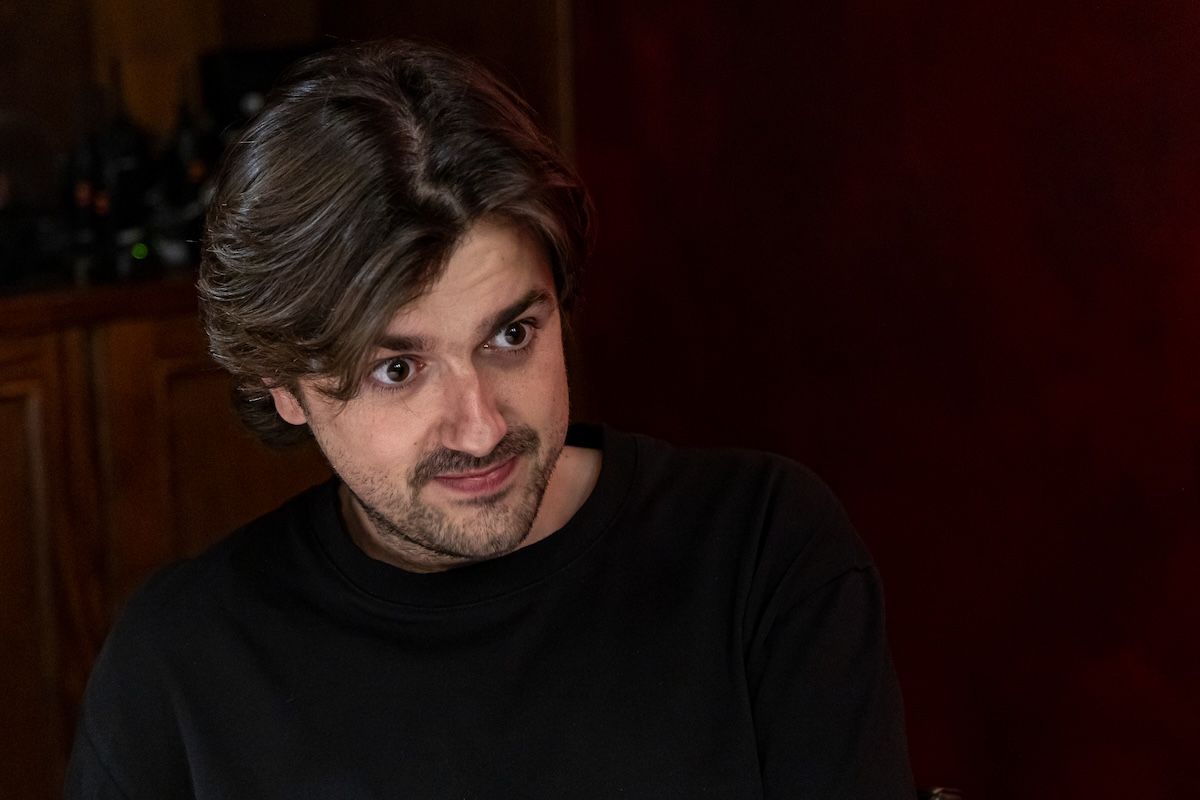
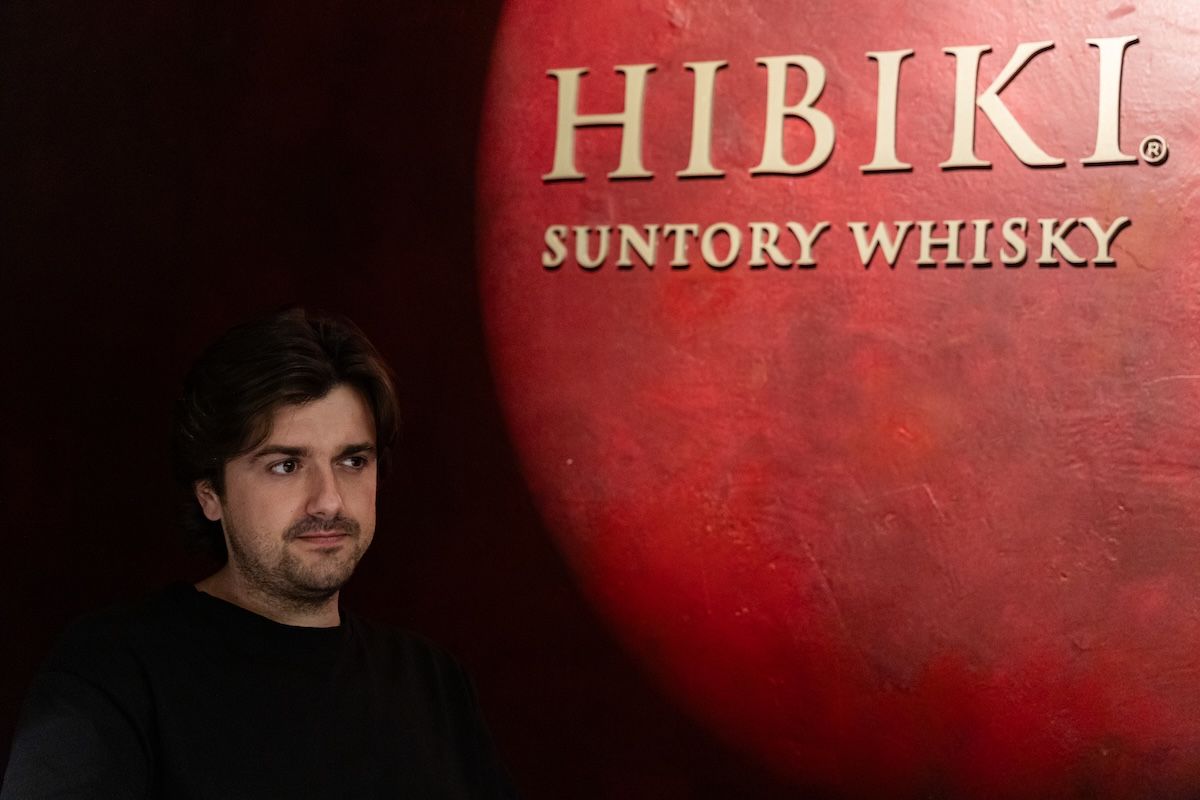
In the complicit penumbra of the SpeakEasy of Dry Martini we met with Ivan Forcadell (Alcanar, 1993). The setting could not be more appropriate: a space where appearances are deceiving and where the truth is found behind shelves full of bottles of alcohol.
Forcadell is not a conventional artist. He thinks and speaks at a dizzying speed. Although he is very clear about his path, he defines himself as a "survivor". As a "hybrid" artist. Someone who has managed to combine the legacy of the hard work of the irrigated farmer with the sophistication of the contemporary art market. With disarming sincerity and a total absence of shame that, he confesses, helps him to "pay bills", Forcadell has gone from loading his car with paintings bound for Menorca to captivating galleries and collectors.
— What drives you to do what you do?
— The vital state I like the most is working. I really like to work, I really like to create and I really like to play. For me, the great premise is that I have to enjoy the process. I have invested in working better to be able to do the things that interested me. In many I have made mistakes, but that's the beauty of it.
— You are an artist, an entrepreneur… how do you define yourself?
— Survivor. Society in 2026 asks you to be a hybrid, a hybrid out of necessity in a constantly changing world. The only thing you need is not to lose your essence and your foundation. I need my own book to review myself, to know if I'm doing well and to be able to backpedal. Being an entrepreneur is very creative, but… what an obsession we have with defining everything! I am an artist, but the big names in contemporary art are all entrepreneurs. They move through the market; if not, we wouldn't know them. Moving a camera for someone to look at you costs a lot of money. In the end, why do people know Picasso or Dalí? Because they were expensive! 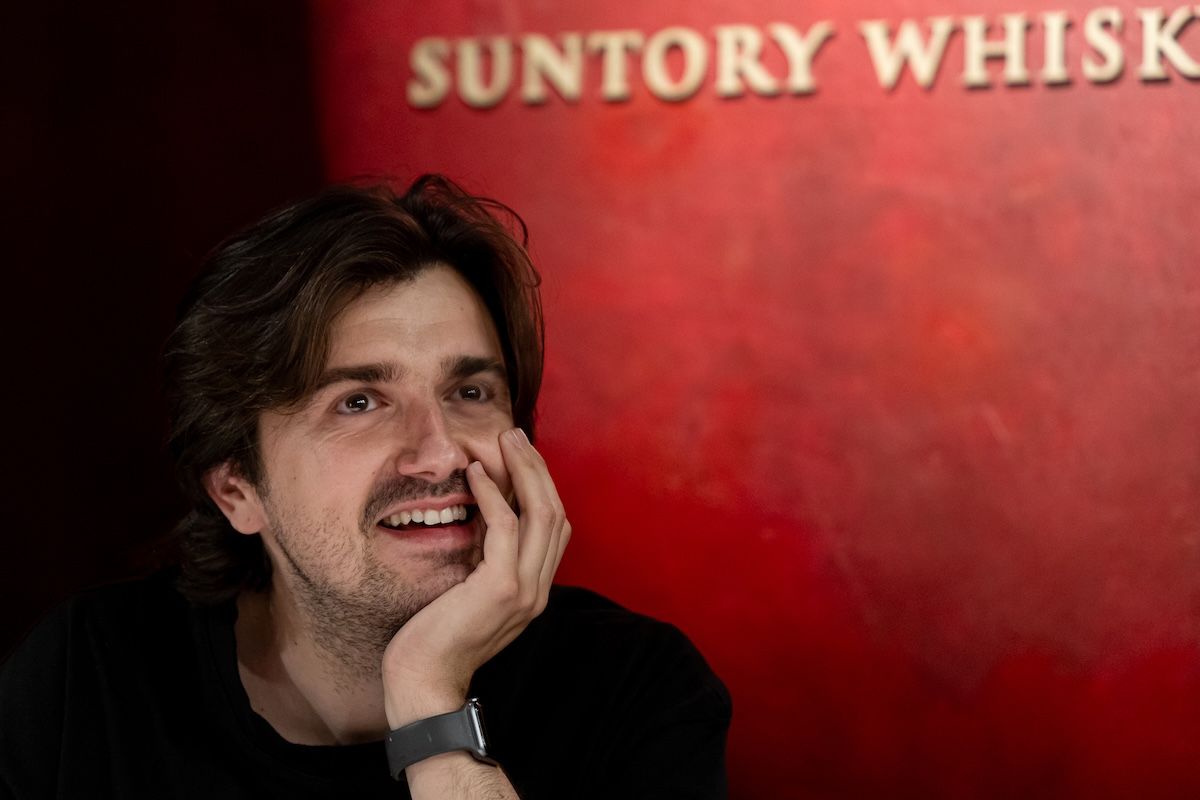 — Let's talk about discipline. Are you a disciplined person?
— Yes, very much so. And that, in large part, is what makes me an artist. It comes from my home, from all my life. The irrigated farmer is from a very hardworking class, no summer or anything. I come from a house of women, managed by women, where a lot of work has been done and where there were some non-negotiables that were never touched. There are some phrases my mother says: "Gos fart no casa". She also said: "Si hi ha un plat a taula on en són cinc i en ve un del carrer, s'asseu i ja en som sis". For me, life is about that.
"I am an artist, but the big names in contemporary art are all entrepreneurs. They move by the market; otherwise, we wouldn't know them"
— How do you approach this world of art?
— The pharmacist in my town gave me a book by Miró when I was 12 or 13 years old and that's where it all began. I grew up through Miró, it was a passion. I didn't understand it, but it amused me. Then, in a compulsive way, as I am, I started to get interested in it. I wanted to be a veterinarian and I did the scientific baccalaureate, but a few days before the selectivity exam, I decided to apply for the artistic one. I took the institute book, read four pages and got a very good grade in Art History without ever having studied it. 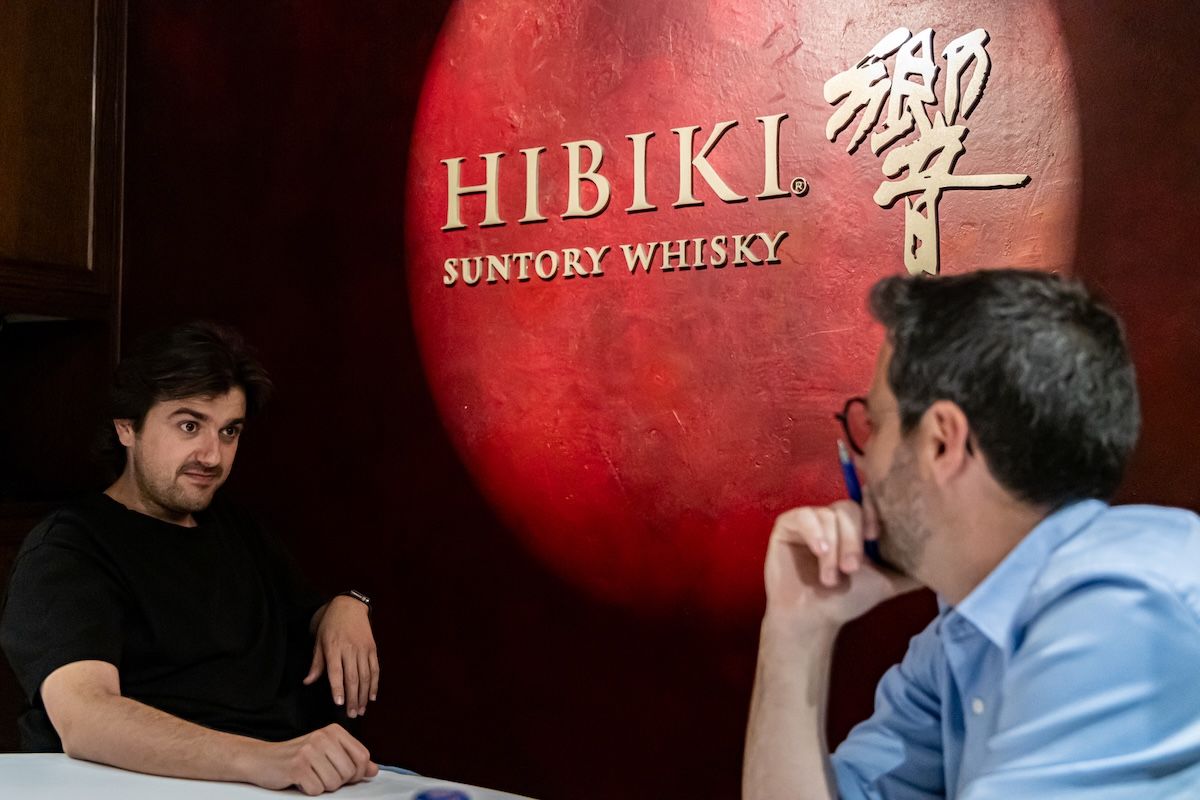
"I don't care if one of my pieces is worth millions of euros. Success is about small victories"
Add The New Barcelona Post as your preferred Google source for free
Stay informed with the latest news.