
The months of October and November usually come with a large number of events in which cities and their challenges are protagonists. In Barcelona, we have just left behind a new record-breaking edition of the Smart City Expo World Congress, but a month ago the World Metropolitan Summit was also held, and just a week ago the 20th edition of the specialization in urban strategic thinking of the Ibero-American Center for Urban Strategic Development closed. Other cities such as Seoul, Vancouver, or Istanbul, to name a few, have been the scene of debates and global exchange of experiences.
There are many challenges and many perspectives from which they are faced. But there is one in particular that is still very difficult to incorporate: that of young people. This is a deficit that is almost always recognized in events like those mentioned and for which we have not yet found effective answers. From my experience, I believe that on many occasions there is a wrong initial approach: the participation of young people is demanded, arguing that if we are planning the cities of the future, today's youth will be tomorrow's main protagonists.
Where is the error? In the fact that we still have not fully assimilated that in our cities, if things do not change much, what will predominate in the medium and long term will be older people. In other words, there will never be as many young people as there are now. Therefore, it is not that we have to involve them in the construction of the city of the future, but that they should have a much more relevant role already in the city of the present. Because, in addition, from many points of view, the current city is very unfriendly to young people. True, large cities offer opportunities for access to knowledge, a first work experience, culture, networking, leisure alternatives, but they also accumulate frictions that mark the lives of young people and adolescents.
When we talk about the city of five million, which is actually already 5.4 million, and of which today nearly two million are between 0 and 35 years old (that is, considerably less than half, and decreasing), the tensions between urban potential and real difficulties become very visible: lack of adequate spaces for leisure, stigmatization and hostility towards young groups in public spaces ---accentuated for certain groups---, feelings of loneliness and mental health problems, low involvement in civic life, and structural barriers to emancipation or access to stable employment. We provide a brief overview below, focusing on the 15 to 30 age group, which barely exceeds 900,000 individuals in the metropolitan region.
We start with the most urban element, which are meeting and leisure spaces for young people. It has long been recognized that these are often scarce and poorly adapted. Parks, squares, and streets are usually designed for various uses but do not always offer safe and attractive areas for groups of teenagers to do activities, rehearse music, play, or simply converse. The consequence is twofold: young people move to private interiors, which sometimes means having to consume, they wander through shopping centers or similar places, or they go to unadapted urban spaces, which often generates conflicts with neighbors and the police and reinforces narratives of "nuisance" associated with youth.

It is true that in the vast majority of metropolitan municipalities, there has been a commitment to maintaining and expanding networks of facilities, such as "youth spaces" or youth casals, which offer multipurpose rooms, workshops, activities, and spaces for supervised and self-managed freedom. These facilities also work on education in participation to serve as a school of citizenship as much as possible. However, they only cover a part of the needs, both in terms of content and organizational form or territorial distribution, and even so, demand often exceeds supply.
From then on, when a group of young people gathers in public, it is not uncommon for them to perceive, and actually suffer, hostility: noise complaints, police interventions, or rejection campaigns that stigmatize normal youthful behaviors. This dynamic not only hinders healthy uses of public space but also fuels a relationship of distrust between young people and the administration, as well as with the neighborhood. "Zero tolerance" policies for uncivil behavior can deepen marginalization if they are not accompanied by accessible leisure alternatives and facilities.
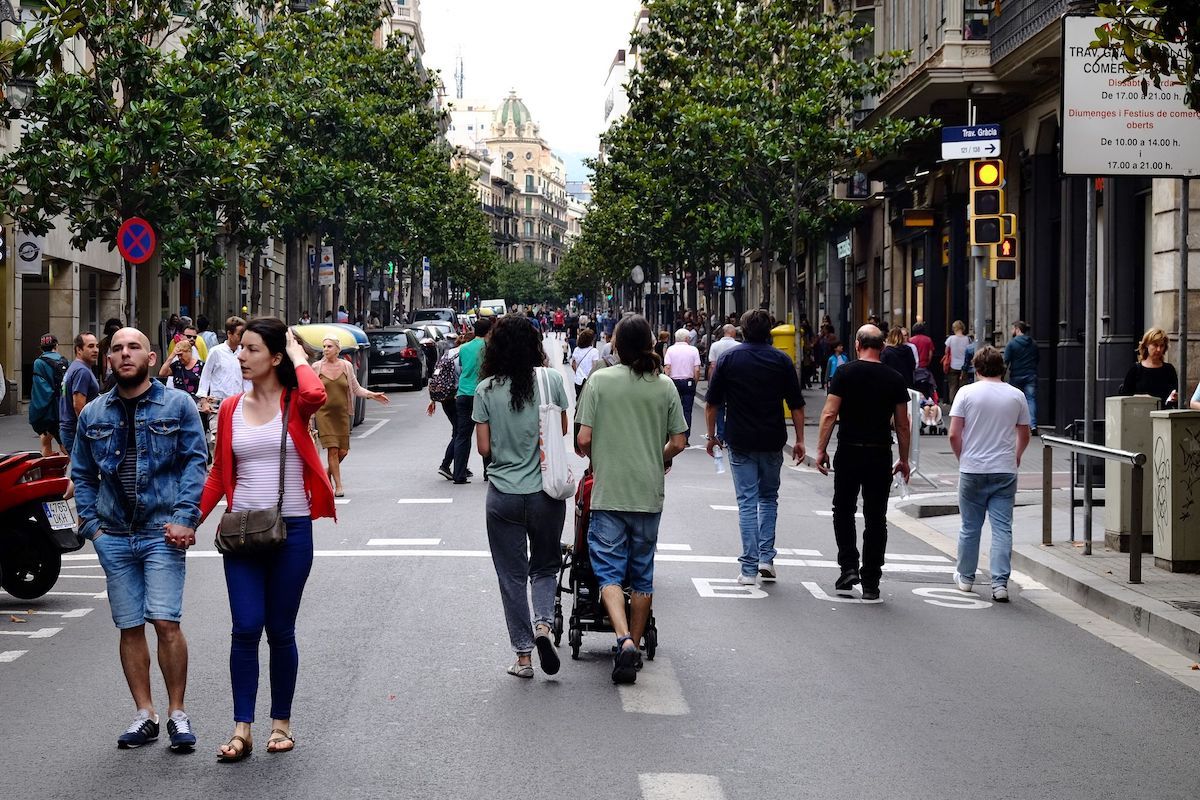
Some municipal initiatives have long prioritized mediation and co-design strategies: involving young people in public space planning, promoting cultural activities that occupy the streets in an orderly manner (for example, local festival programs with spaces for young people), and extending facility hours or opening other idle spaces, such as schoolyards, to encourage gathering. This approach seeks to move from repression to shared regulation and the creation of spaces with more room for tolerance.
"Data indicates that the youth emancipation indicator in Catalunya has fallen steadily since 2007 (in 2024 it was 17.4% for young people between 16 and 29 years old, far from the European average: 31.5%)"In another area, the mental health of young people has become a priority concern, even more so after the traumatic episode of COVID. The manifestations are very diverse, ranging from academic stress and social media pressure to job insecurity and difficulties in emancipating themselves. All these circumstances fuel anxiety and depression. A study conducted by the company BankmyCell in 2018 revealed that an act as simple as making or receiving a call generated anxiety in 81% of young people surveyed.
Without intending to be alarmist, we must light some warning signal. Data on suicide show that, despite annual fluctuations, there are relevant increases in young groups in some periods, and public health is taking the issue increasingly seriously, with specific plans. These strategies combine healthcare, training for teachers and community agents, and awareness campaigns.
It is important to emphasize that the feeling of loneliness, especially in adolescents and young adults, does not always correlate with a lack of relationships, but rather with the quality of these relationships and the perception of a lack of support. Community interventions and companionship or mentoring programs, coupled with accessible mental health services for young people, are key to reversing this dynamic.
And we come to the other big issue: access to housing. This is probably one of the most tangible barriers to youth autonomy. Data indicate that the youth emancipation indicator in Catalonia has fallen steadily since 2007 (in 2024 it was 17.4% for young people between 16 and 29 years old, far from the European average: 31.5%) and that, in many cases, young people who emancipate must allocate a very high portion of their salary to pay rent or even to resort to shared flats. These circumstances will delay vital decisions (forming a family, studying abroad, taking risks with a professional project...) and exacerbate precariousness.
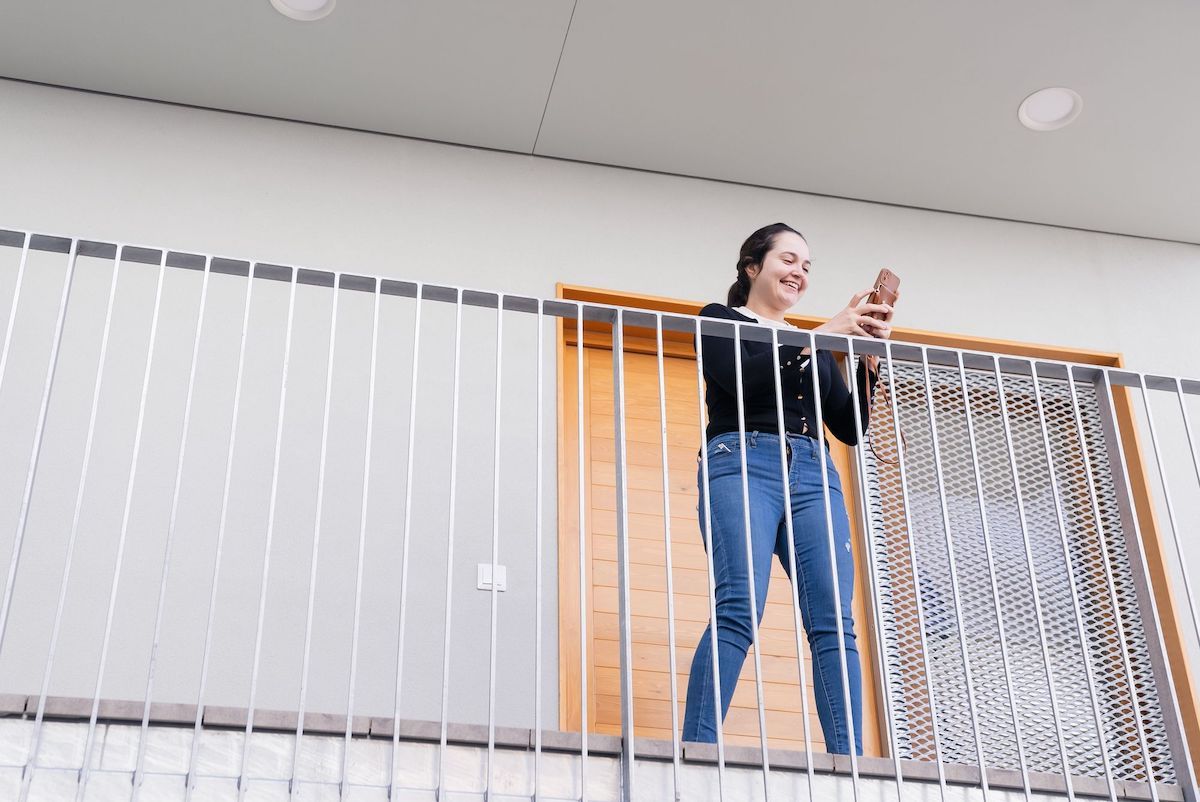
We know the proposals that administrations are putting on the table day in and day out: policies to promote the affordable housing stock, rental assistance programs for young people, or measures to promote alternatives such as shared housing and housing cooperatives. We also know that the measures are generally very timid and slow to implement, so we will live with this problem for a long time. What is clear is that its magnitude requires coordinated action at the metropolitan and autonomous community level, including measures on rent regulation, control of housing speculation, and incentives for the construction of public, concerted, or private housing, but in any case, affordable and dignified.
If housing access costs are high, the other side of the coin, entry into the labor market for young people and, consequently, obtaining income to live, remains marked by precariousness. State and regional indicators show an overall reduction in youth unemployment in recent years, but job quality and the transition to stable contracts and adequate salaries continue to be a significant obstacle. Just recently, we learned from the National Institute of Statistics that while average salaries have risen by 5% overall, for young people between 16 and 24 years old there has been a real decrease of 14 euros.

The situation is a bit disconcerting: at the same time that we attract young expats who fill medium and high-skilled jobs, we see our talent leave for other places where they receive higher remuneration. It is true that a significant portion of expats live here but work for companies from outside, with higher salaries than locals (which is why they can afford to live where locals cannot), but all of this generates a great sense of frustration among the overqualified local youth.
And what can we say about boys and girls from recently immigrated families and modest social strata, for whom physical features or surnames generally represent an aggravating factor in any of the circumstances described so far, from the hostility of public spaces to job opportunities. A large part of our future is at stake, as I already pointed out in this article, in how we break these stigmas and understand that not only is our society irremediably diverse, but that issues such as the safeguarding of Catalan are in the hands of this youth who study it in public schools.
"We must find formulas to involve young people more in the design and management of both the current and future metropolis"With all this, and although many young people express interest in topics such as climate, equality, or social rights, their involvement in formal channels of participation tends to be scarce, as shown by the results of the Survey on generations and participation carried out in 2023. The image we have today of young citizens is that they get their information from social media and that, therefore, they are very vulnerable to manipulations of the fake news and radicalization, with important consequences regarding the shift in their political tendencies.
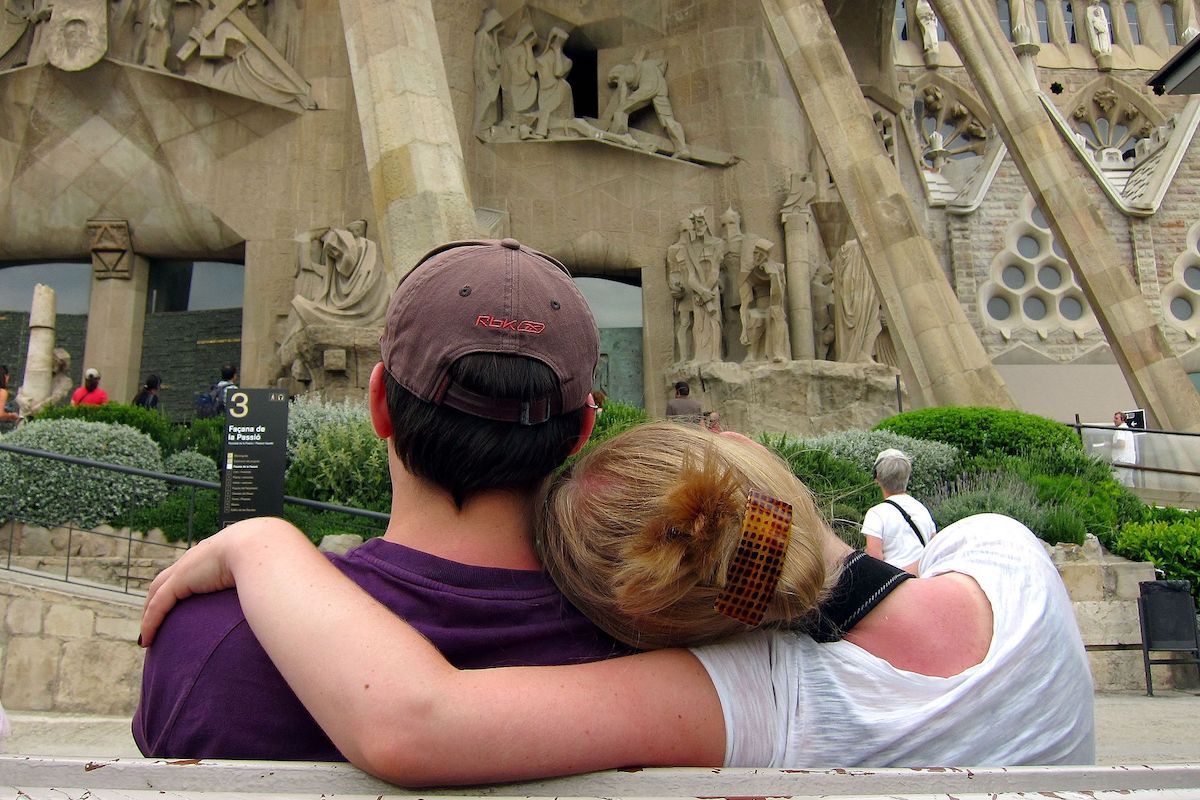
That is why we must find formulas to involve young people more in the design and management of both the current metropolis and that of the future. If the city of five million wants to retain talent, promote health, and build community, urban planning, social policy, and participatory practices must be transformed so that youth find not only opportunities, but also spaces for autonomy and recognition. And for this, we must listen to them and share responsibilities in action on all these fronts.
Without this, the urban promise will remain halfway for a generation that we insist on pigeonholing alphanumerically (Z, millennials, centennials...), something that should not favor their self-esteem much, but which, despite everything, contains the creativity and extra energy to rethink the city that those of us who have been dedicated to it for a long time surely lack.
Add The New Barcelona Post as your preferred Google source for free
Stay informed with the latest news.