
The future is technological, and decisions surrounding it cannot be left to the margins of technology-based professionals. With this premise, the Associació d'Enginyers Industrials de Catalunya has compiled 300 measures in a report to advance towards economic, industrial, and sustainable progress. Under the name Enginyeria, motor de progrés, the document analyzes the measures that should be undertaken in six different areas, which include the climate emergency, digital transformation, health, innovative and 4.0 industry, energy, and a just society.
For all of them, the document advocates for the participation of engineers in public-private spaces for analysis, study, and decision-making. "We cannot solve technology-based issues with people who do not have this technological base," remarked the dean of the Col·legi d'Enginyers Industrials de Catalunya, Narcís Armengol.
What seems obvious is not currently happening in public administration, Armengol emphasized during the presentation of the document, alongside the president of the association, Maria Salamero, and the coordinator of the report's editorial board, Matilde Villarroya, who highlighted that it is a pragmatic "action document."
They propose the possibility of extending the closure schedule of nuclear power plants if renewable energies are not developed at the required paceFavoring the obtaining of new synthetic fuels from the chemical recycling of waste; transferring part of freight transport from roads to rail distribution; strengthening the ecosystem of startups, foster cybersecurity; boost the digital transformation of the transport system; promote technological solutions for an aging population, andto study the possibility of deploying a Universal Basic Income in a limited way to evaluate its viability,are some of the measures included in the report. In most of these areas, "technology is no excuse for not solving them"; the technology already exists, and it is a matter of decision, according to Armengol. Thus, he has asked the administration for "firmness, pragmatism, and courage" in the face of these challenges.
Prolong nuclear energy?
Among the report's proposals, another stands out: evaluating the possibility of extending the closure schedule for nuclear power plants. It proposes assessing whether they should continue operating beyond 2035 in case renewable energies do not develop at the required pace, as they believe is happening.
"We know we have to close nuclear plants, but along the way there are some tasks we are not doing. We cannot say we will close them if we don't do our homework with renewables," warned the dean. The alternative? Using gas to supply the energy that will stop being produced when nuclear plants close, something that would prevent environmental goals from being met.
Efficient water use
Coinciding with the current drought situation, the document includes proposals regarding water. Among them is the need to implement saving measures and promote efficient water use in the agricultural sector, with aid and appropriate taxation from the public administration.
The group of engineers aims to create a "permanent space for technology, industry, leadership, and action"The consumption by citizens from their homes is anecdotal compared to the use of water for fields and the agricultural sector. "Despite that, we continue to flood the fields instead of using technologies"that allow for more efficient water use, said Salamero, who urged the implementation of measures in this regard.
Interpellation to the political sphere
The document, prepared within the framework of the association's 160th anniversary, is not limited to collecting these measures and proposals, but rather transfers them to representatives from the political and business spheres. It did so at a meeting at the Escola Industrial with about 130 people, including representatives of the Parliament and its political groups. With one objective: to position the engineering collective as a key player in these future decisions, and to focus on the measures it deems necessary to guarantee sustainable progress. In addition, they intend to generate a "permanent space for technology, industry, leadership, and action." In this sense, they propose to report on and continue this document annually, to monitor and update the proposals and guide and promote necessary policies for the future.
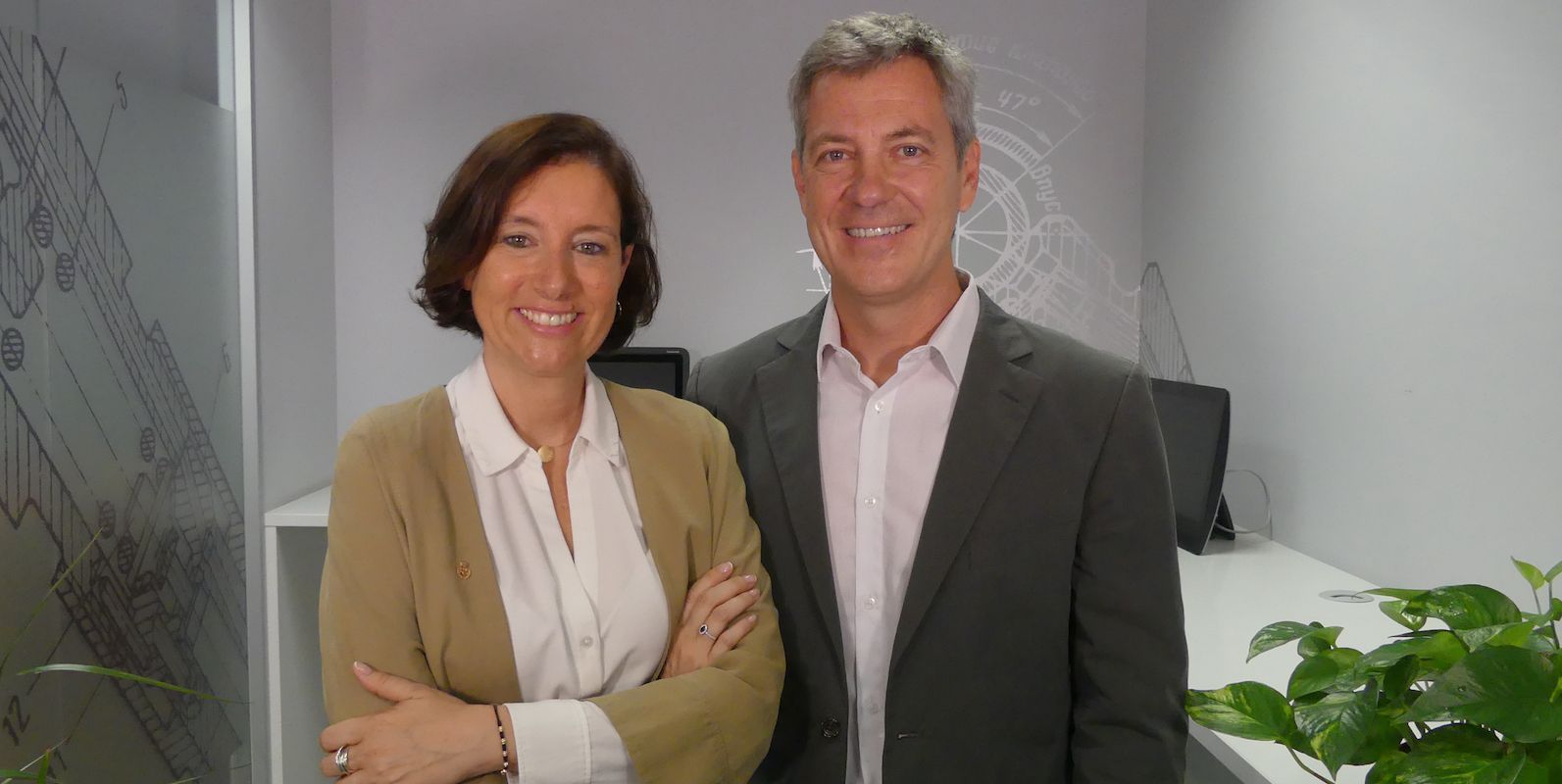
"We must move forward with agility, energy, and determination, making brave and systemic decisions that go far beyond political cycles," added Salamero. The president of the association, which represents 10,000 industrial engineers, has asked administrations to take action with determination.
All these measures will depend on having enough qualified engineers, and in Catalonia, 50,000 will be missing in a decade.Thus, the collective aspires for this to be "a reference document" for administration and professionals for a future in which engineers want to be an active part of the solutionand contribute their knowledge and point of view, along with other professional fields and branches. "The future is multidisciplinary, but our role is important," Villarroya added.
All these measures will depend on a factor as decisive as it is evident: having enough qualified engineers. In Spain, there will be a shortage of more than 200,000 in a decade, a figure that in Catalonia translates to 50,000. "Without these profiles, the evolution towards economic, industrial, and sustainable progress will not be possible," Salamero warned. Faced with this situation, he proposes a recipe with two main ingredients: positioning these professions as attractive, and placing engineering leaders at the forefront of visible management and decision-making spaces.

Add The New Barcelona Post as your preferred Google source for free
Stay informed with the latest news.
