Juan Roberto Vásquez was never entirely seduced by traditional architecture. The number of regulations, permits, and procedures was frustrating for him: too much paperwork, little creativity. He was looking for something else, something more agile and direct.
This is how Indissoluble was born, a studio that crosses architecture, design, engineering, programming, construction, and narrative. A place where the ephemeral allows for quick thinking, intense creation, and the transformation of complex content into immersive experiences. All from the same space in Poblenou, Barcelona.
--- How do you feel in that intermediate place between the perennial and the ephemeral in the creation of stories and spaces?
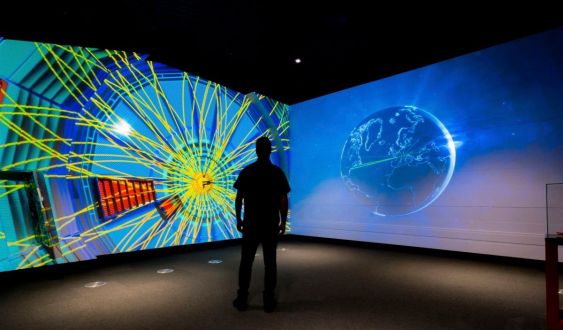
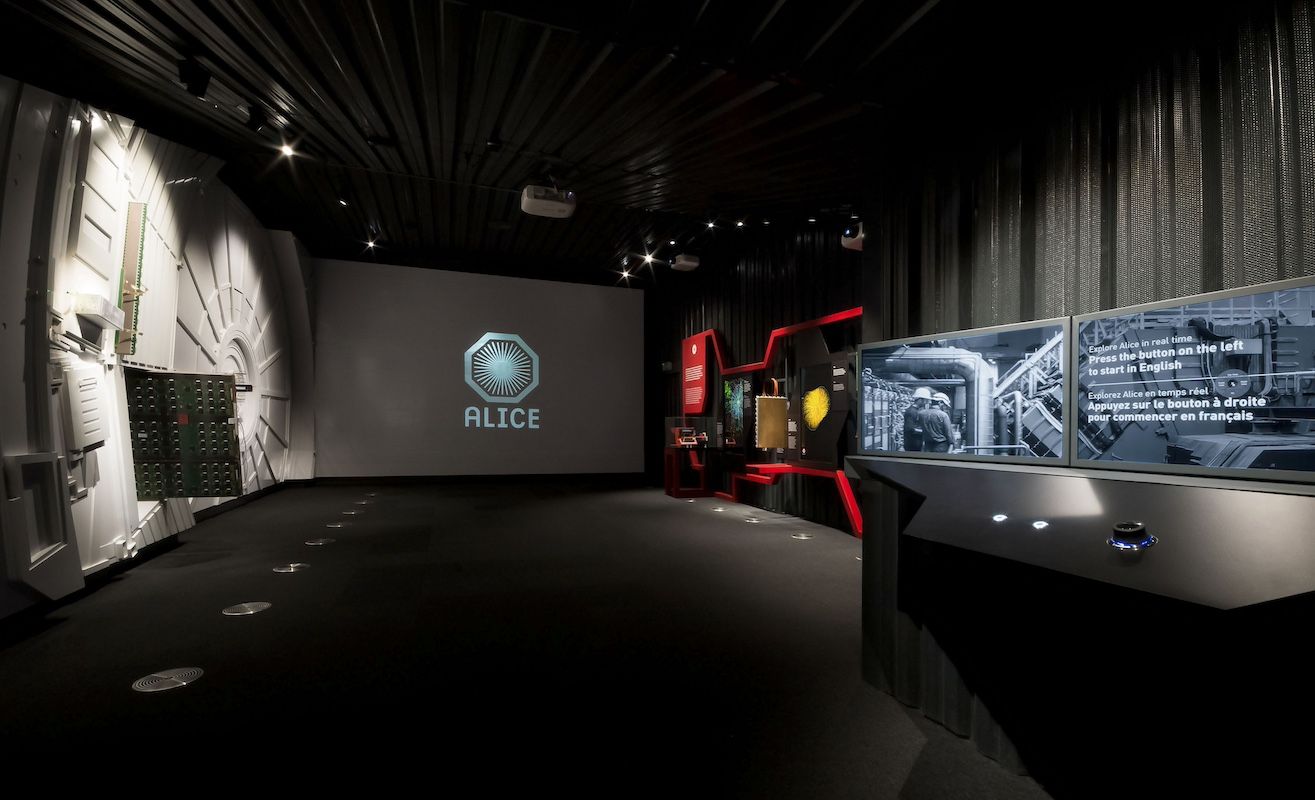
--- We design and produce quite a few permanent projects in combination with many ephemeral ones. The length of survival is different, but our interest is to be in that world that mixes communication, architecture, engineering, programming, graphic design, construction, and user experience. Our thing is to find a way for the user to understand the theme being dealt with, in all aspects and in a very immersive way: a company's product, scientific research, a religious topic, nuclear physics, history, art, or literature. For CERN (European Organization for Nuclear Research), for example, we have been converting their scientific research into entertaining, understandable, and visible exhibitions for 10 years. We make the public learn. And have fun, above all.
--- With what objective?
--- What we seek is to translate specific content into a holistic experience. We take care of the entire process: in our office in Poblenou, we can produce, prototype, assemble, design, modify. We are a creative production company, we are well-equipped, we can make decisions and changes quickly, all with the same team. It is very real and unusual. We operate from Barcelona and our current projects are located mainly in Europe and the Middle East, but we have also carried out works in America and Asia. We are currently working on around 20 simultaneous projects.
--- In addition to the design, is the prototype made in Barcelona, and then produced at the final location?
--- The most complex and special parts are produced here. Standard elements must be local (space preparation, platforms, plasterboard walls, etc.). Pieces transported from Barcelona are assembled upon arrival at their destination. Nothing is built; everything is prepared for easy assembly and disassembly. For us, it makes sense both functionally and economically, because we can control manufacturing. Ultimately, knowledge is one of our values.
--- What about material and energy consumption for production and transport?
--- In terms of energy saving, the best thing would be to do nothing: no exhibition, no concert, so no construction, but also no leisure or transmission of knowledge. We are in favor of reading the need with its conditions to create a formula and design a space with the least environmental damage. It's also about using low-consumption elements, recycled and recyclable materials. On the other hand, by constructing the elements in Barcelona, machinery and know-how are utilized, and travel to the site just to ensure elements are produced correctly is saved. That's why, in addition, we develop the standard in each place.
--- What happens when these ephemeral projects are dismantled?
--- It varies a lot. We have just finished assembling an ephemeral project for a Qatari ministry, for example, which intends to be recycled many times by themselves: some elements will be exhibited in offices, while other modules will travel to various events. Many ephemeral exhibitions end up becoming permanent due to public acclaim or the client themselves. Permanent exhibitions, on the other hand, have a lifespan of five to fifteen years, depending on the theme. Currently, we have several permanent projects underway, such as the Espai Cràter in Olot or the permanent room at Cosmocaixa in Barcelona. We just lost the first project we carried out at CERN 10 years ago, because the building was demolished.
--- How do you work in such a heterogeneous team?
--- The more complex the project, the better we function as a group. We have a great capacity to combine knowledge and great agility to decide and act quickly, because we are together and work at the same time. Interaction is crucial, and multidisciplinarity is real.
--- Being in Barcelona, why do they call you, for example, from Malaysia?
--- We do passive marketing, because we don't have salespeople, but we do have a clear vision for the website: to spread the word, to make ourselves seen. But, generally, they come to us through other projects, word of mouth. Satisfied clients recommend us because we do it well: we trust in our work.
Add The New Barcelona Post as your preferred Google source for free
Stay informed with the latest news.