If Proust's madeleine taught us that a taste can open the door to childhood, music reminds us that the ear also knows how to return. And yet, in many restaurants, the soundtrack barely whispers: a generic, soulless list that neither speaks nor accompanies. But there are places that have understood something essential. Places where chords are used as ingredients, where music does not decorate: it narrates. It builds atmospheres, awakens memories, weaves stories. Stories that, almost always, take us back to the past.
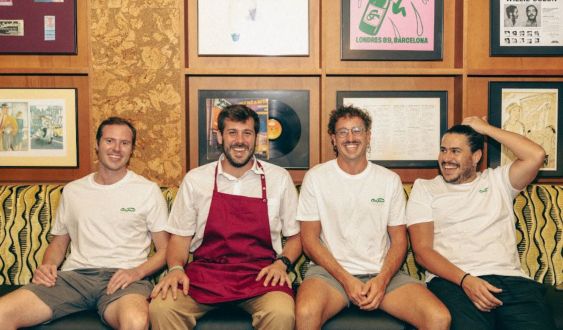
Ignasi García, from Maleducat and Casa Fiero, summarizes it with a clear image: "Music is a way to return to the spontaneity of childhood." In his restaurants, Te quiero comer la boca by La Mosca, Gettin' Jiggy With It by Will Smith, or Oiga, mire, vea by Guayacán Orquesta play uninhibitedly, in addition to Oques Grasses, The Gardener, or Martinho da Vila. A mix that does not seek to please, but to relax codes, break hierarchies, lower the volume of the outside world. In addition, Maleducat releases a monthly newsletter with playlists that function as a memory and a gift: lists to take something from the place, not in your hands, but in your ears.
At the other end of the city, Señora Dolores offers one of Barcelona's most personal selections. Its creator, chef and music lover Mathieu Pérez, jumps from Cartola to Ennio Morricone or J-Live with a naturalness that needs no explanation. "Music is very important in this profession; without it, I couldn't spend so many hours cooking," he confesses, while serving cult natural wines and a fried lasagna that takes your breath away. His connection between cooking and sound is as literal as it is visceral: for a time, he cooked and DJed at the same time. "I was DJ Four Crepes —referring to Four Tet—. I had vinyls and two crepe machines, and I DJed while I cooked."
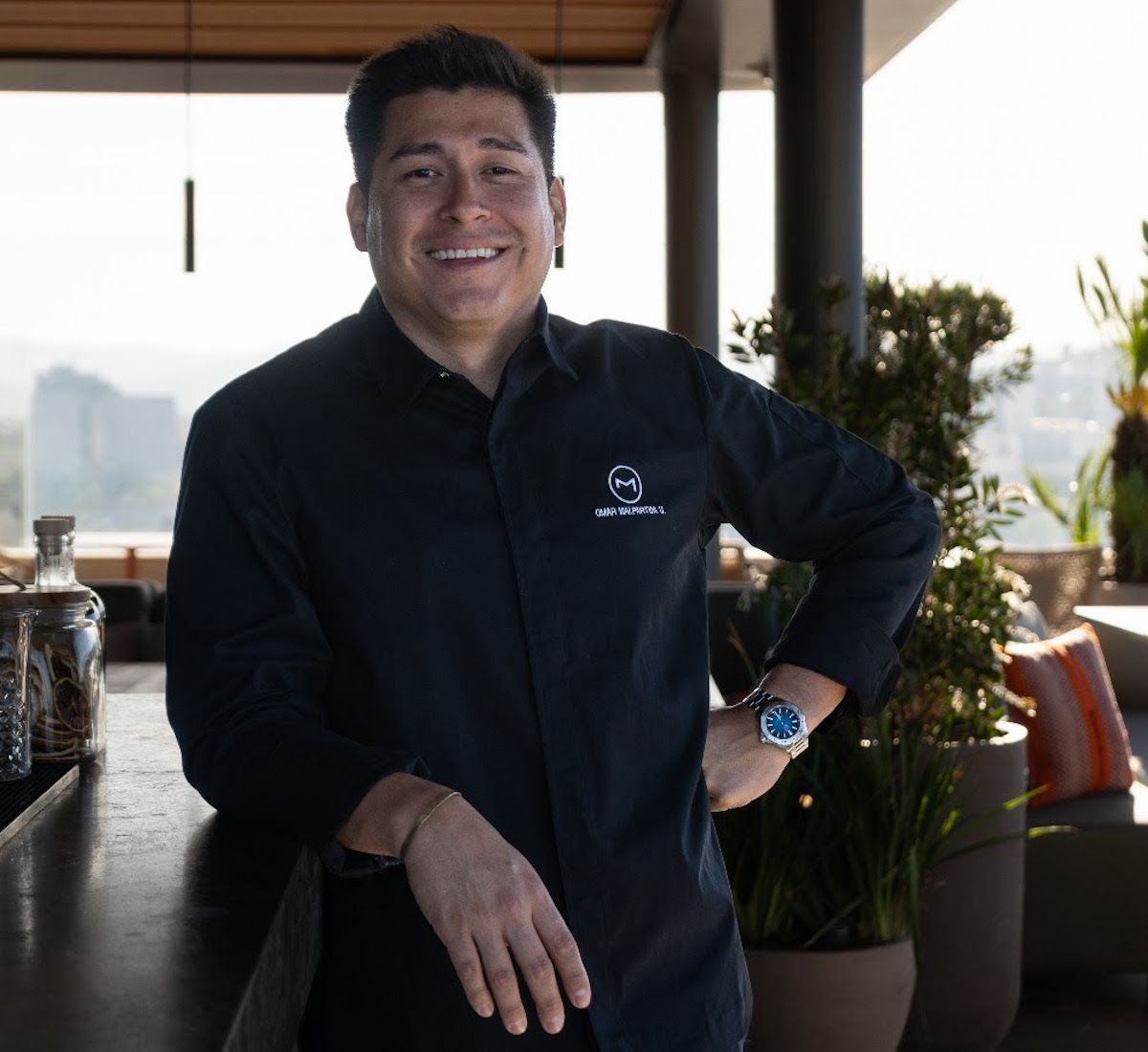
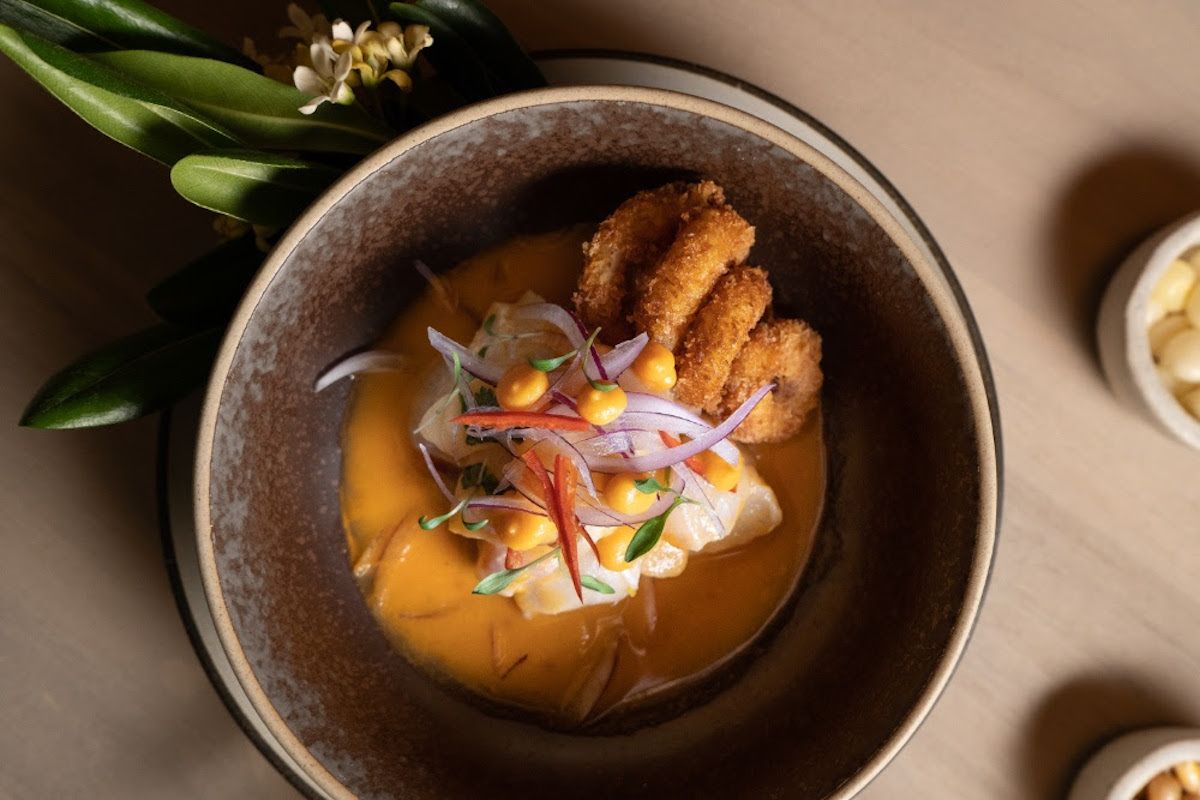
Also Omar Malpartida, chef of Maymanta at the Grand Hyatt Barcelona, cooks with rhythm. In his universe, music is not background: it is atmosphere and part of the journey. Depending on the moment or the event, different playlists play: in Verbena, his Creole experience, salsa and merengue rule; in Pachamama, his afternoon gathering with an Ibizan soul, house and afrohouse mix. Everything happens in the same place, without needing to move, "as if each space were a natural transition between drinks, dinner, and dancing," he explains. And as he tells it, he anticipates what's coming: soon he will open a new restaurant, where Peruvian embers and music will once again set the pace.
The recently opened Salsa Street Food also has it clear. It is a Mexican restaurant with the soul of a listening bar, a concept that is starting to gain ground in Barcelona, with venues like Jaç Hi-Fi Bar, which also champion it. At Salsa, the music changes depending on the time of day: in the morning, soft atmospheres —Mood by Mild Orange—; in the afternoon, the energy rises —Take It Off My Hands by Tample—; and from 11 p.m. onwards, house and disco —Blackoak by Maribou State—. "Music is an extension of the brand and the atmosphere we want to convey," explains Jander Ferrer, co-owner. And he is right: music also cooks.
And if we talk about precision, El Pompa takes the cake. Here, sound is meticulously cared for thanks to a Triple Onda system —a high-fidelity equipment that turns every note into an auditory caress—. You can go from Losing My Edge, by LCD Soundsystem, to Stéphane Grappelli's violin, or find gems on the shelves like All My Friends on vinyl or classics by Los Panchos. Everything coexists. Everything sounds. Nothing is casual.
Because music, just like ingredients, also has terroir. And there are restaurants that don't understand it as mere decorative background, but as what it truly is: a way of telling who they are.
Add The New Barcelona Post as your preferred Google source for free
Stay informed with the latest news.