
Barcelona is a city proud of its past, of its non-existent but always present walls, of the neighborhoods that tell stories, of the Cerdà grid that orders —and at the same time challenges— daily life. But it is also a city that, too often, experiences architecture and urban planning as a threat. Every project —big or small, public or private, cultural or infrastructural— becomes a battlefield: neighbors, experts, administrations, and developers confront each other as if the future of the city depended on every stone.
And perhaps it does depend, but this does not mean that the answer must always be the visceral resistance to change. If Barcelona is to continue being a living, contemporary city capable of facing the challenges ahead, it will have to accept that transformation is part of its DNA. Conflict should not be synonymous with immobility.
Barcelona has turned urban planning into an emotional scenario or a battle (that few of us understand) between families of architects from the COAC. Any transformation is viewed with suspicion: there is fear of losing heritage, of tourism devouring everything, or of private interests unilaterally imposing their logic. These are legitimate concerns, although too often they are loaded with prejudices and too much ideology. When a project is automatically perceived as a threat, the city condemns itself to paralysis. And we can make an (almost) infinite list.
Barcelona would not be what it is if it had not known how to reinvent itself again and againAccepting change does not mean accepting anything: it means understanding that modifying, rebuilding, rethinking, or reimagining the city is inevitable. And even healthy. Barcelona would not be what it is if it had not known how to reinvent itself again and again: tearing down walls, opening the Eixample, urbanizing the maritime facade, or recovering industrial neighborhoods.
Recent years have clearly shown this: urban and architectural projects continue to generate intense debate, but each of them confirms that Barcelona is a living organism, in constant tension between memory and future. And this tension, well managed, can be creative. But with excessive ideology (empty of knowledge), the result is a disaster: complete paralysis and nothingness.
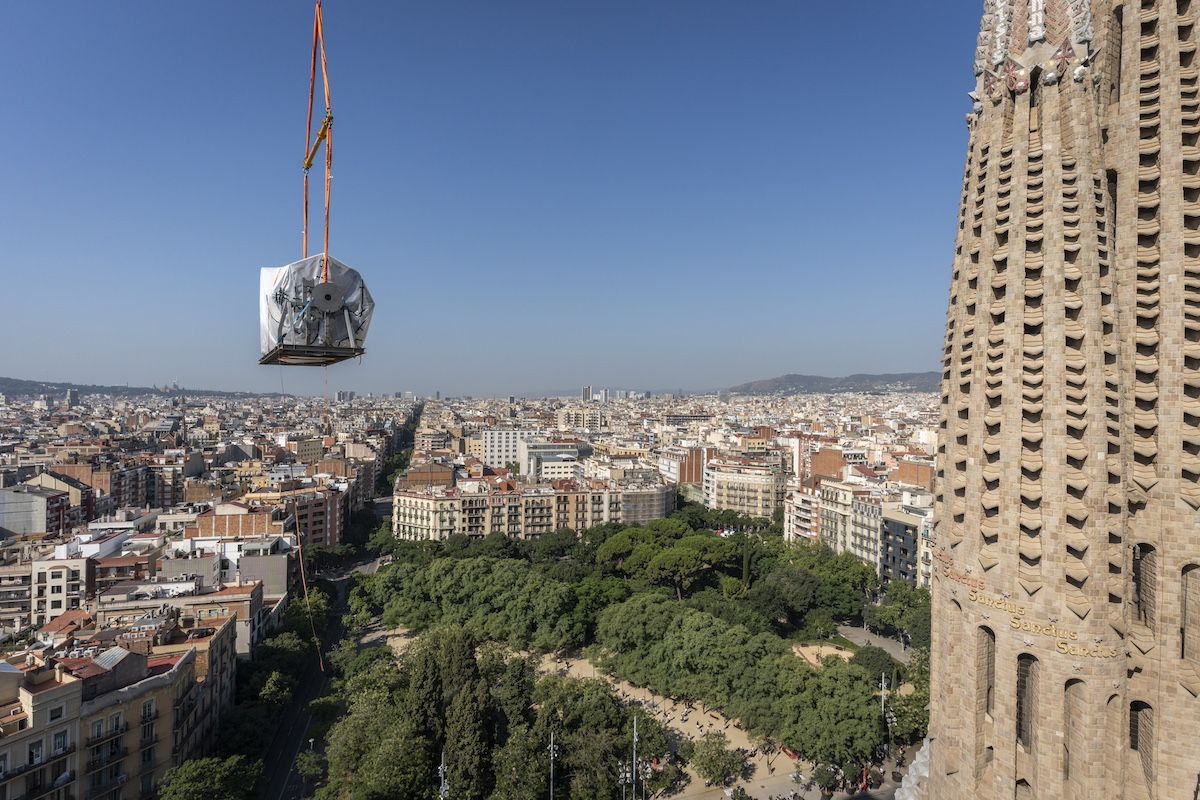
The Sagrada Família. Discussions about the monumental staircases and the possible impact on neighborhood homes show a complex dilemma: how to fit a global heritage work into a real, living neighborhood? The solution cannot be "don't touch anything": it is necessary to negotiate, adapt, rethink. But ignoring the need to finish one of the most emblematic works in the world is not viable.
The Torre Glòries. When it was projected, many claimed it was an aberration alien to the character of Barcelona. Today it is part of the skyline and a symbol of contemporary Barcelona. This shows that, often, time provides perspective and that a city cannot grow only by looking back.
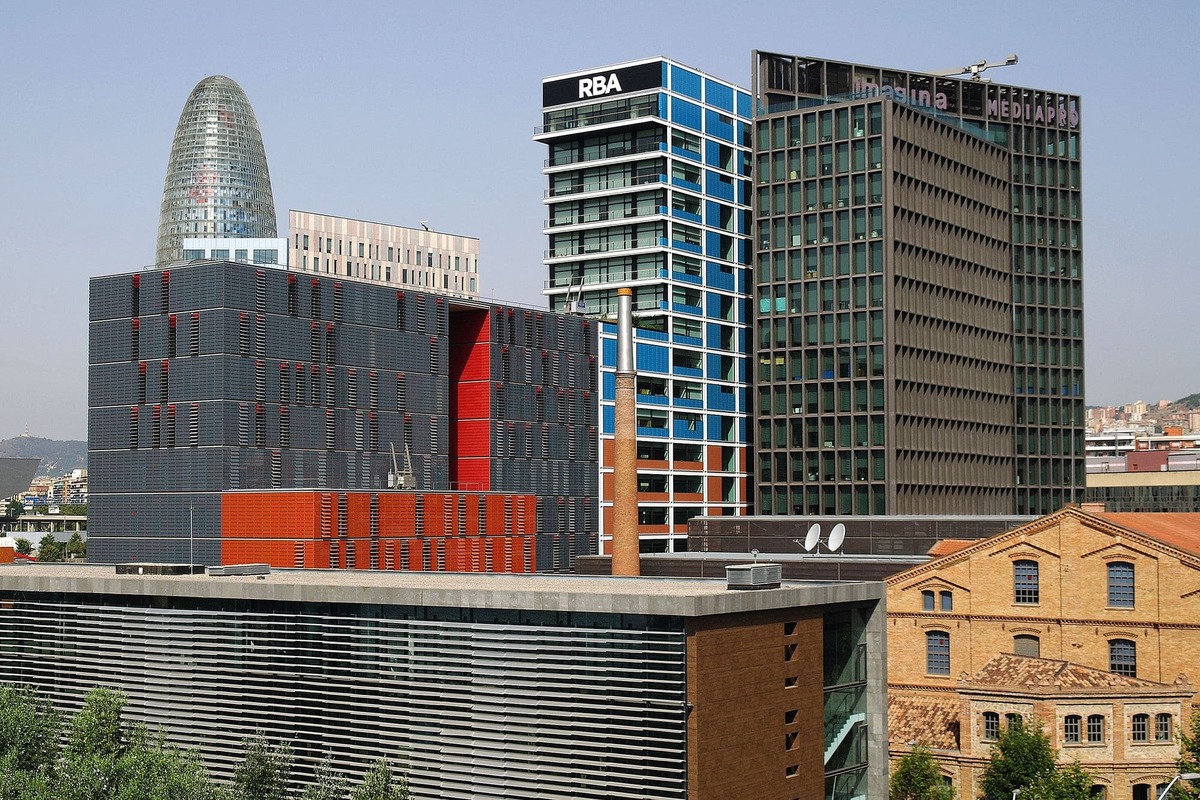
Another example is 22@. The transition from an industrial landscape to a technological hub generated evident tensions. But 22@ has placed Barcelona on the global innovation map and has allowed the rehabilitation of obsolete spaces. The key is not to stop transformation, but to ensure that it incorporates criteria for housing, heritage, and neighborhood life.
Barcelona needs more courage and less fear: big projects can fail, but not promoting them condemns parts of the city to indefinite decay.
Barcelona cannot give up urban transformation out of fear, nor can it let conflict be an excuse for immobility. It must demand real participatory processes (not battles between architect families), transparent projects, and planning that considers the common good. But it also has to understand that modernization, contemporary architecture, and the creativity of private initiative are part of the future of this city.
It is not about choosing between memory and evolution, but about understanding that neither exists without the other. Barcelona is the city it is because it has always been capable of transforming itself.
The question, then, should not be "How can we avoid conflict?", but: "How can we transform the city without losing its soul?".
Accepting that transformation is part of Barcelona's essence is the first step. From here, the debate ceases to be a war and becomes an opportunity: that of imagining the city we want, with courage and responsibility.
Add The New Barcelona Post as your preferred Google source for free
Stay informed with the latest news.