5G technology and the revolution it is expected to bring for businesses, the economy, and also for citizens, has been making headlines for some time. The ability to connect many devices at once ---mobile phones or machines--- with 5G and offer them all good coverage and low latency ---real-time sensation--- are its main characteristics, which will change the current technological landscape. In other words, not being able to communicate when you go to concerts, football matches, or demonstrations is over. That is, when the coronavirus allows these massive events to happen again.
Given these characteristics, the opportunities to generate new products and services are multiple. To prepare the ground, many institutions and companies have been working in Barcelona for some time promoting pilot tests with 5G: they study cases in which this technology could be useful and represents an improvement over how it is currently done. Public administrations such as the Generalitat and the City Council, and companies such as Cellnex Telecom and Telefónica are some of the actors in the ecosystem that are testing possible uses of 5G.
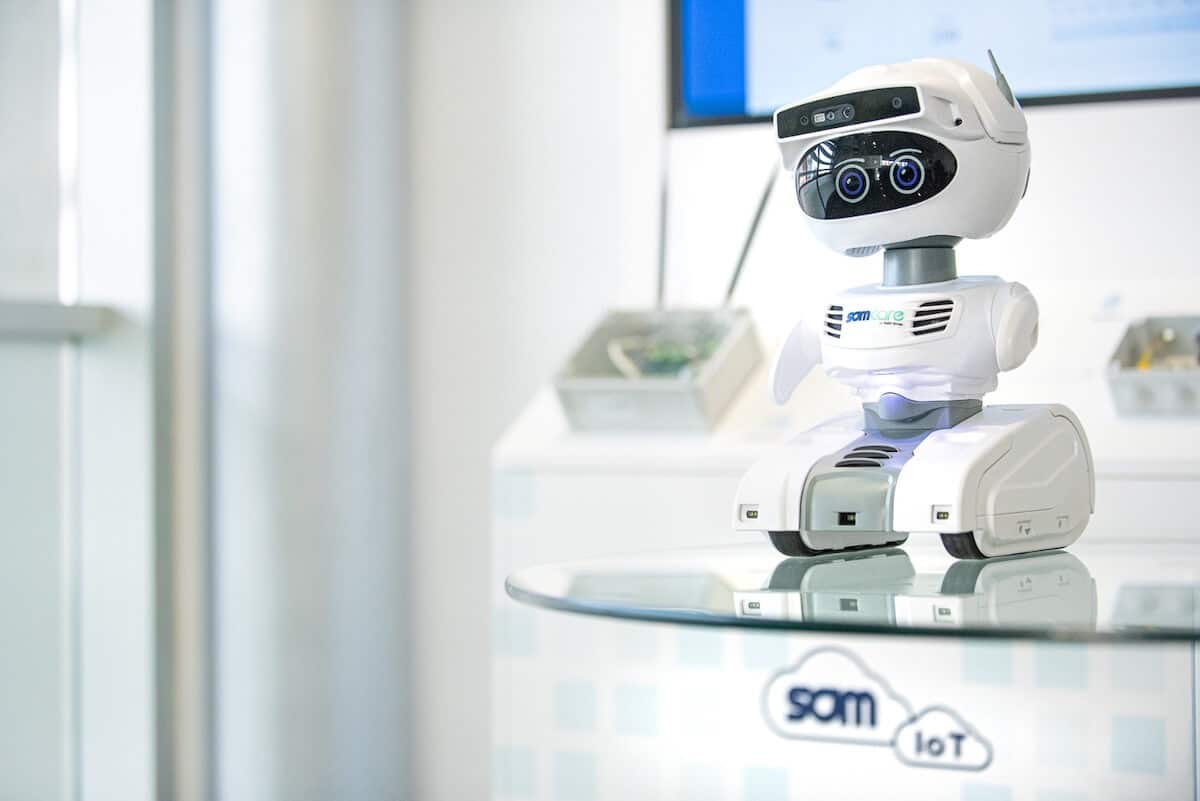
There are multiple examples. The Barcelona City Council, through the 5G Barcelona initiative, has created emotional robots that use 5G to care for the elderly, helping them receive remote medical advice or reminding them to take medication. These robots even facilitate their participation in reading clubs or virtual attendance at cooking classes, and allow them to visit museums from home through immersive experiences.
Another case that will be tested in the city is based on the use of holograms, like those in Star Wars, to give remote classes. After the pandemic has led to an acceleration of this mode of education, a consortium led by Cellnex and Grupo Masmovil will test how holograms can contribute in this field, using 5G to facilitate different participants interacting with each other and maintaining a conversation.
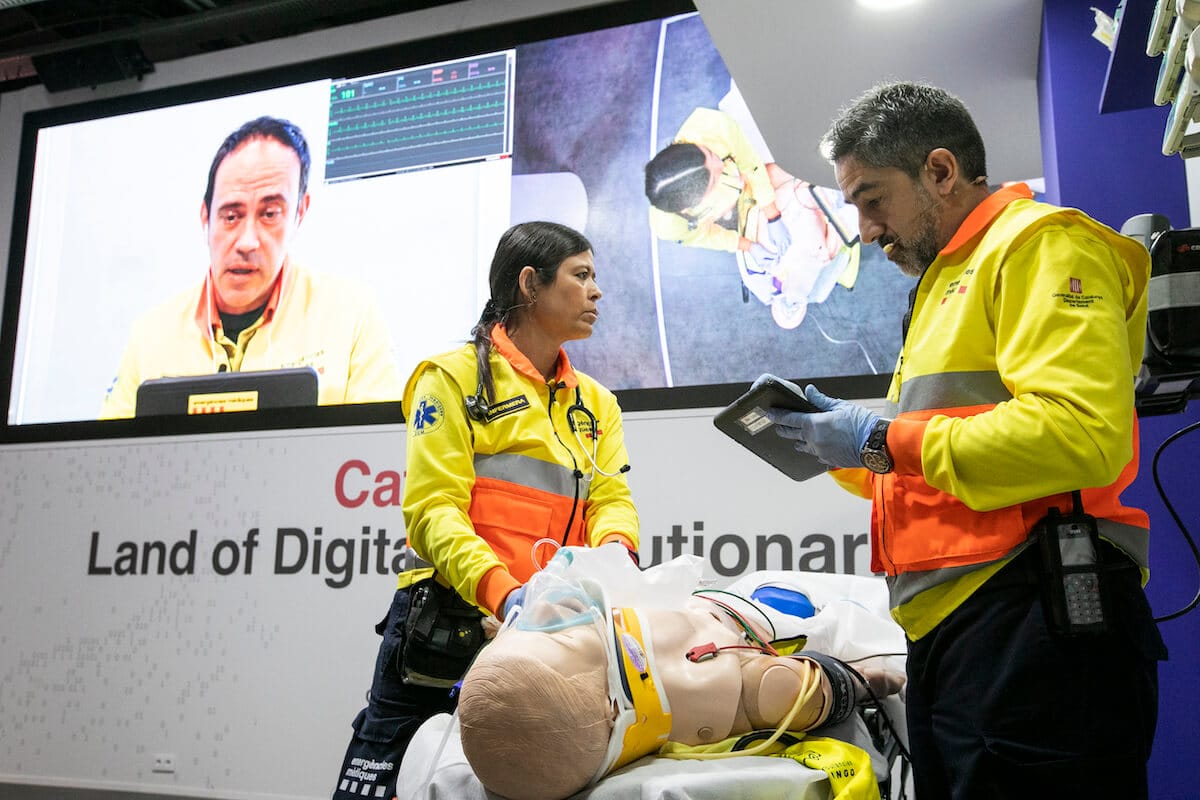
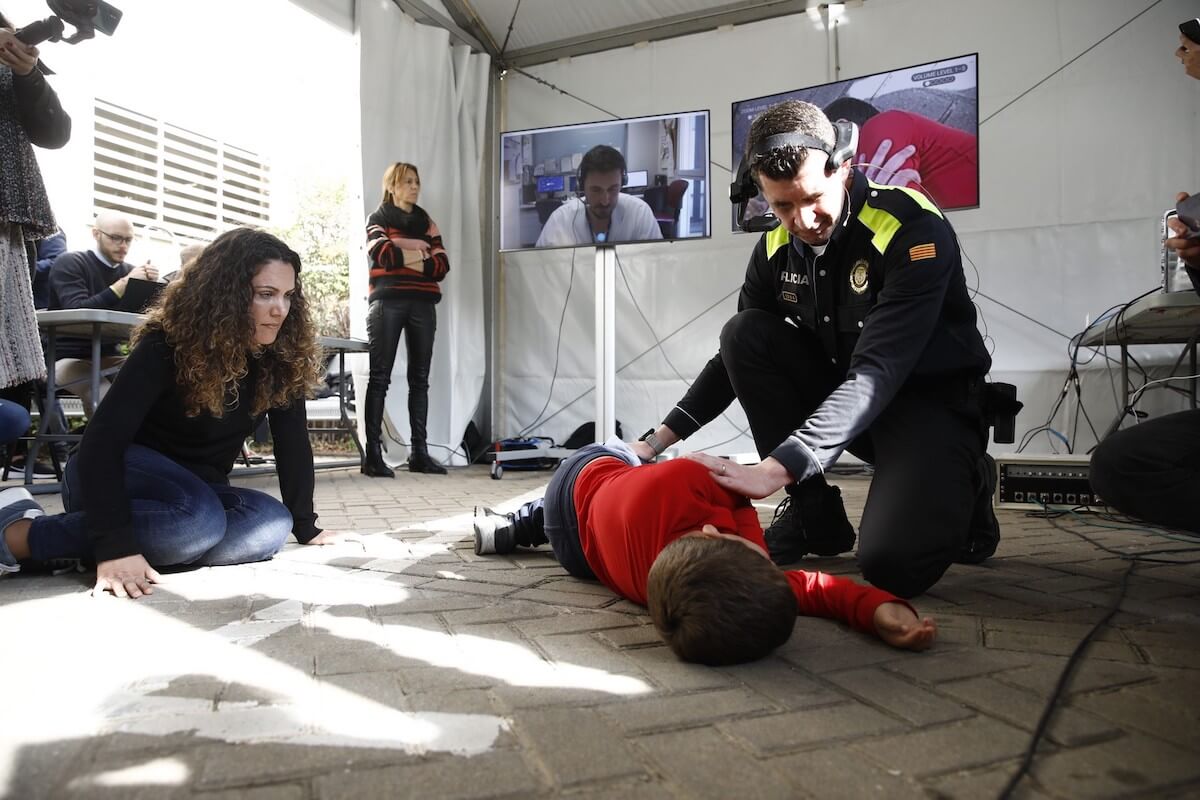
[subscribe_newsletter_esp]The immediate connections that 5G allows can be useful for caring for the elderly and interacting with students, but they can also be used for remote surgery, as was demonstrated at the Mobile World Congress (MWC) in 2019, when Dr. Antonio de Lacy from Hospital Clínic advised live from the Fira de Barcelona venues on an operation that was being performed elsewhere. This functionality opens up the option to extend medical knowledge worldwide without the need to travel and by optimizing resources.
As in the case of emotional robots and remote surgery, different actors often converge in the tests promoted by the 5G Barcelona initiative, which since 2016 has been working to position the Catalan capital as one of the main European cities in the development of this new technology through public-private collaboration. Its founding partners were the Universitat Politècnica de Catalunya (UPC), the Centre Tecnològic de Telecomunicacions de Catalunya (CTTC), the Fundació i2cat, the French multinational Atos, the Mobile World Capital Barcelona (MWCapital), the Barcelona City Council, and the Generalitat. However, practically all agents of the Barcelona technological ecosystem, who also lead their own pilots, have joined the pilots it promotes.
[separator type="thin"]
5G Mediterranean Corridor
The Government is working to promote a 5G Mediterranean Corridor between Figueres and Perpignan, which is being developed by a consortium led by Cellnex and with the participation of about twenty partners from seven European countries. With a budget of 16 million euros, this new Mediterranean Corridor is intended to serve as a test bed for connected mobility with 5G, taking advantage of both road and rail traffic that passes through this section.
The consolidation of new technologies linked to 5G, such as connected mobility, is one of the clearest commitments of the Generalitat. Its general director of Innovation and Digital Economy, Dani Marco, explains that the Government's strategy to promote 5G involves promotion; attracting and training talent; promoting innovation with pilots; and ensuring that the necessary infrastructures exist for its development. In this regard, Marco emphasizes the importance of fiber optics in the development of 5G ---5G antennas connect with fiber optics--- and highlights the Government's commitment to ensure that all municipalities with more than 50 inhabitants have it by 2023. Currently, all Catalan regional capitals already have fiber optics.
5G deployment throughout Catalonia
Operators such as Telefónica also play a role in the deployment of the 5G network: its network reaches 85% of the population in the province of Barcelona, where its fiber network also has 92.7% coverage. According to the latest data published by the company, 5G covers large and small towns, even reaching some with fewer than 150 inhabitants. Specifically, Telefónica's 5G network reaches all provincial capitals and towns such as Sabadell, L'Hospitalet, Igualada, Martorell, Llançà, Pals, Cambrils, and Balaguer, among others.
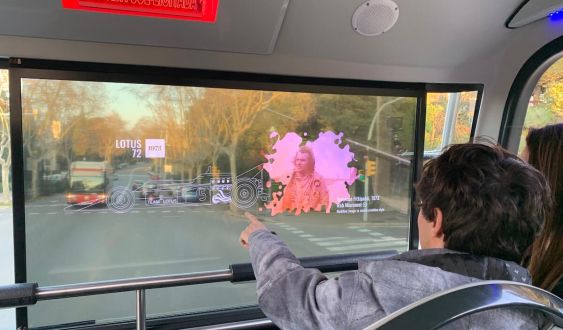
However, the deployment of this network by Telefónica is complemented by participation in pilots. "Barcelona is a priority scenario for Telefónica in the development of 5G and has been from the beginning," says the director of Public Administrations for Telefónica in Catalonia, Valencia, Murcia, and the Balearic Islands, Bruno Vilarasau. Some examples of 5G pilots in which Telefónica has participated include an immersive tour on a Barcelona tourist bus, together with TMB and Mediapro, and the connection of a Gestamp factory with 5G, replicating it in the cloud to make optimal decisions.
Consortium to develop 5G in Barcelona and its metropolitan area
The collaboration between multiple companies to test possible use cases is a constant in the Catalan capital. Through consortia such as the 5G Mediterranean Corridor, different companies in the sector gather under the same umbrella to experiment with functionalities. Cellnex, which leads the 5G Mediterranean Corridor consortium, also heads another to promote the deployment of 5G in Barcelona and its metropolitan area, together with the Masmovil Group. The 5G Catalunya pilot, beneficiary of aid promoted by Red.es for the development of 5G within the framework of the National 5G Plan and co-financed by the European Regional Development Fund (ERDF), will experiment with use cases such as holograms that are to be used for distance education. It will also test an autonomous vehicle for passenger transport in large venues such as those of Fira or remote shopping through immersive experiences in the La Boqueria market.
"With the development of this pilot, Barcelona becomes the best scenario to demonstrate the benefits that the fifth generation of mobile technology brings to society in its most diverse areas," explains Cellnex's Director of Innovation and Product Strategy, José Antonio Aranda"The 5G Catalunya pilot has a markedly citizen-oriented nature. With the development of this pilot, Barcelona becomes the best scenario to demonstrate the benefits that the fifth generation of mobile technology brings to society in its most diverse areas. 5G technology applied in fields as developed and significant in Catalonia, such as remote education, audiovisual production, emergency management or tourism, will exert an unprecedented transformative power on the economy and society that is advancing towards digitalization," explains Cellnex's Director of Innovation and Product Strategy, José Antonio Aranda.

5G to help the City Council's digital transition
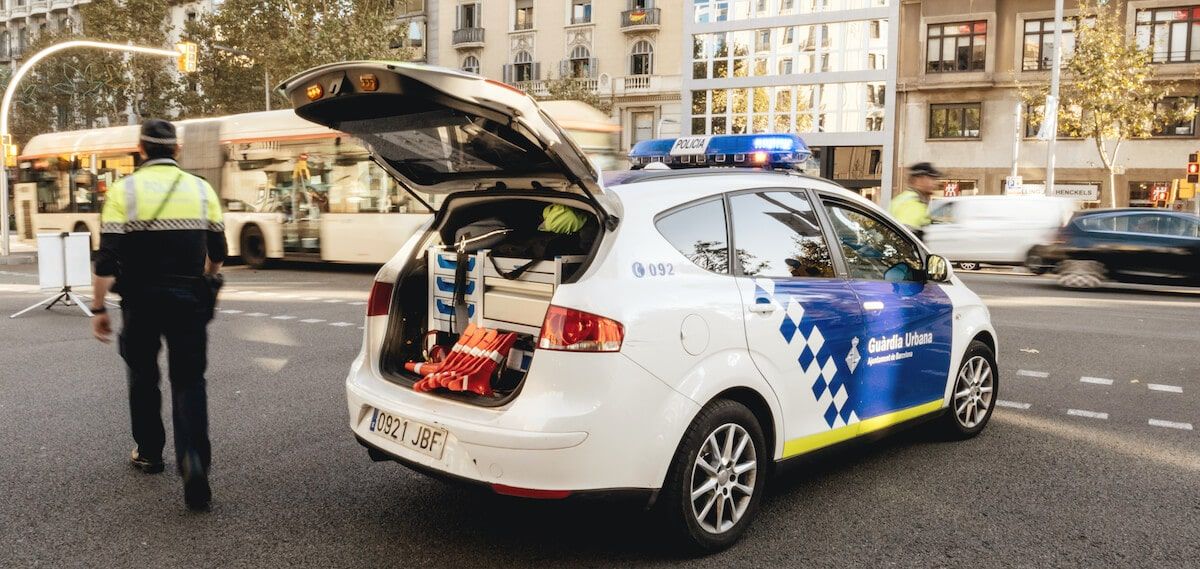
5G also has to serve to improve the services offered to citizens by administrations such as the Barcelona City Council. Specifically, the council is working to become an administration more adapted to new technologies through its Digital Transition Plan, with a budget of 80 million euros and a duration until 2024. The director of the Municipal Institute of Informatics (IMI), Francisco Rodríguez, maintains that this plan serves to incorporate 5G, artificial intelligence (AI) or robotics into its daily life, but also to digitize the services offered by the council to citizens, such as emergency services or citizen attention.
Barcelona is well positioned to lead the development of 5G, according to the director of the Municipal Institute of Informatics (IMI)For Rodríguez, Barcelona, host of international events such as the MWC and initiatives such as 5G Barcelona, is well positioned to lead this technology and the industry that will be created. "We cannot lose time," he defends and assures that we cannot wait to test this technology when its infrastructures are developedand their main functionalities are known: "We have to be prepared for when 5G becomes more massive." With a powerful fiber optic network in the city, unlike other less populated areas, Rodríguez explains that the City Council's great challenge is to reduce the digital divide among Barcelona residents. An example of the solutions promoted by the consistory to reverse it are the emotional robots that are being tested to accompany the elderly.
[separator type="thin"]
Historical evolution: from 2G to 5G
5G technology refers to the fifth generation of mobile phone technologies. If we look back, SMS arrived with 2G, which began to be introduced in the nineties, and opened up a range of business opportunities, either by paying for each message sent or by using them to confirm purchases or send codes.
According to the director of the MWCapital (MWC) 5G program, Eduard Martín, despite the revolution that SMS represented at the time, sending as many as all the WhatsApps we send now, very soon a new technology surpassed them and began their decline in popularity, with the arrival of smartphones and the creation of the first applications through 3G. As with SMS, 3G meant the birth of new business models with applications that are currently one of the great drivers of success in Barcelona.
But, with 3G mobile Internet, emails were sent very slowly and no one dared to consult anything on Google if they had little time... 4G meant, precisely, increasing the speed to download content and watch videos or listen to music on mobile, a fact that led to the popularization of platforms to disseminate them, such as YouTube and Spotify.
After all this, although it seems impossible, 5G is a leap in scale because it will not only increase the speed for downloading content, as happened with 4G, but it will do so much more and will reach a real-time pace. In addition, it will allow the connection of many devices at the same time and offering high quality.
Add The New Barcelona Post as your preferred Google source for free
Stay informed with the latest news.
