When Japanese cuisine is evoked, a simple maki roll with rice tightly embraced by nori seaweed and a piece of salmon or tuna in the center usually comes to mind, or at most, a nigiri covered with a light blanket of salmon, while, scarcely, hot dishes, which are also many and very important in this gastronomy, usually come to mind.
Precisely, Japanese chef Maori Murota has just published Cocina casera japonesa. 100 recetas, técnicas y consejos para que cocines en casa como en Japón (Cinco Tintas), where she highlights the value of more well-known cold dishes, but also hot ones, some as popular as ramen and miso, and others less famous such as udon with duck broth, udon with spinach, meat or vegetable broth, the Japanese omelet okonomiyaki, meat and vegetable pastries nikuman and yasaiman, rice with chestnuts, and potato fritters Korokke, among others.
"The mix of tradition and fusion is very representative of modern Japanese cuisine", says the chef, who assures that in Japanese cuisine there are also ingredients such as olive oil and cheese, and adds: "Foreign gastronomy arouses a lot of curiosity in us and we do not hesitate to adopt it."
Thanks to the open vision of Japanese citizens and the unstoppable cosmopolitanism of our cities, this battery of traditional and contemporary, classic or fused dishes can be tasted in our home in a transversal way, yes, distributed among very different establishments. We review some of the popular taverns and most exclusive Japanese restaurants we have in Barcelona to discover the textures and flavors of all these hot dishes.
Robata
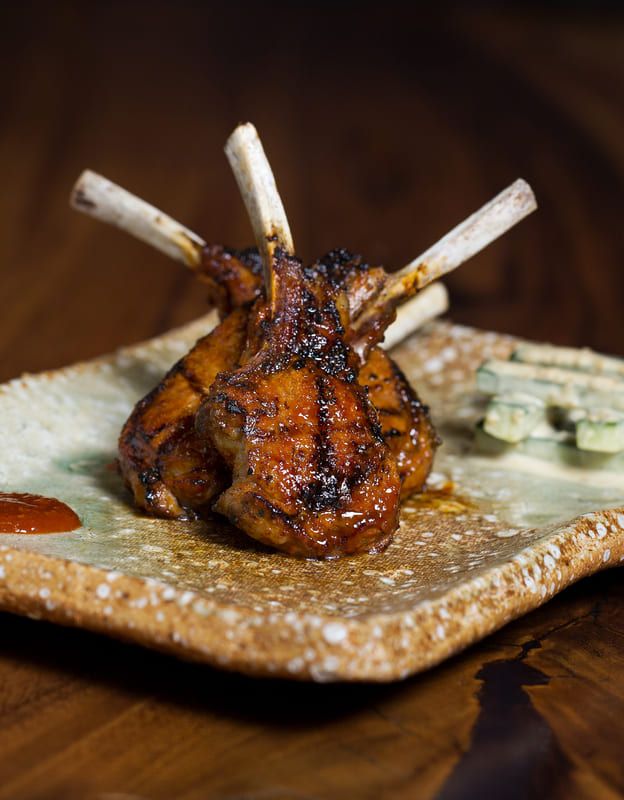
Robata is the Japanese word for embers and, "with a slight Western accent", at Enric Granados' Robata they serve a battery of dishes whose grill is essentially the protagonist. Among their hot suggestions are the seafood okonomiyaki; grilled eel over rice and tartar sauce; boneless and caramelized duck thigh; tuna belly with yakinku sauce, and authentic Japanese wagyu. Apart from a selection of sushi, the Japanese grill offers a battery of dishes such as chicken skewer with tartar sauce; beef sirloin; Iberian "secreto"; lamb ribs; corn on the cob; salmon skewer and asparagus skewer, among others. This restaurant offers a complete tour of hot Japanese cuisine beyond also offering numerous varieties of sushi.
- Enric Granados 55
Os-Kuro
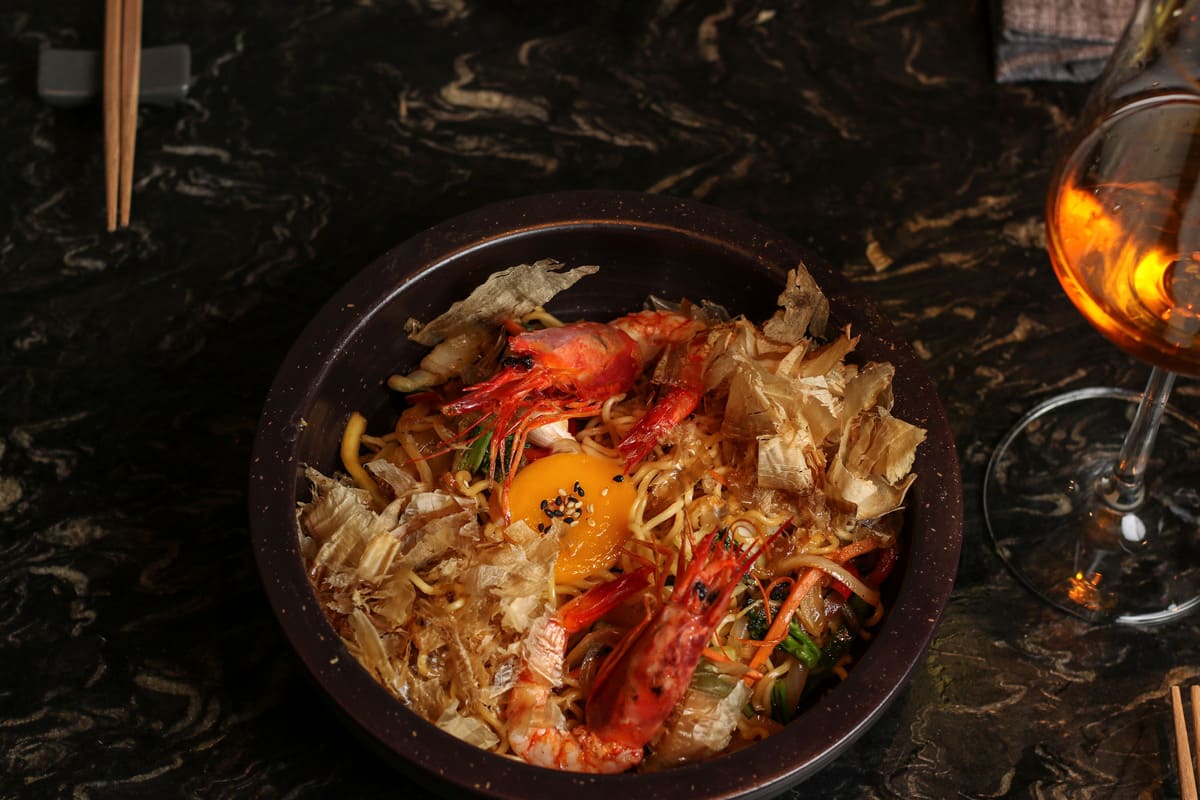
The Derby Hotels chain has just opened the Os-Kuro restaurant in the Hotel Claris, a traditional Japanese cuisine restaurant that uses extremely high-quality products and where fire is also a protagonist thanks to the robatayaki or ancestral Japanese grill. In parallel to an extensive sushi menu (sashimi, rolls, and nigiris), Os-Kuro opts for preparing tempura, robata, and wok dishes, complemented with more local ingredients such as red prawn, Iberian pork, or octopus. The red prawn yakisoba are one of the star proposals, along with wagyu beef, the pork tonkatsu, lobster with shiso, and marinated octopus with sriracha. Another of the local's attractions is being able to take a complete immersion into the world of sake, with a pairing of up to nine varieties.
- Pau Claris, 150
Ikoa Izakaya is an opportunity to dive into the typical taverns of Tokyo with chef Hideki Matsuhisa, from Koy Shunka, an animator of Japanese-origin Barcelona gastronomy, in alliance with Grupo Sagardí. The establishment is an izakaya, a typical Japanese tavern from the country, with a bar to enjoy and share amidst revelry, smoke, and sake. "Barcelona deserves an izakaya like the ones I've always frequented," explains the chef, who considers Ikoya Izakaya as a gift he gives himself and the city after more than 25 years cooking together. "I have taught it the neatness of Japanese technique and it has gifted me with the hustle and bustle and splendor of its markets, where I have developed a precise knowledge of Mediterranean products," explains the chef, who works hand in hand with Basque chef Iñaki Lopez de Viñaspre on this project. Apart from traditional sushi, its menu includes robata suggestions and hot dishes such as grilled edamame, roasted oyster, sumiyaki shrimp, mentaiko squid, sukiyaki wagyu, and several ramen options.
- Av. de Francesc Cambó, 23
Carlota Akaneya
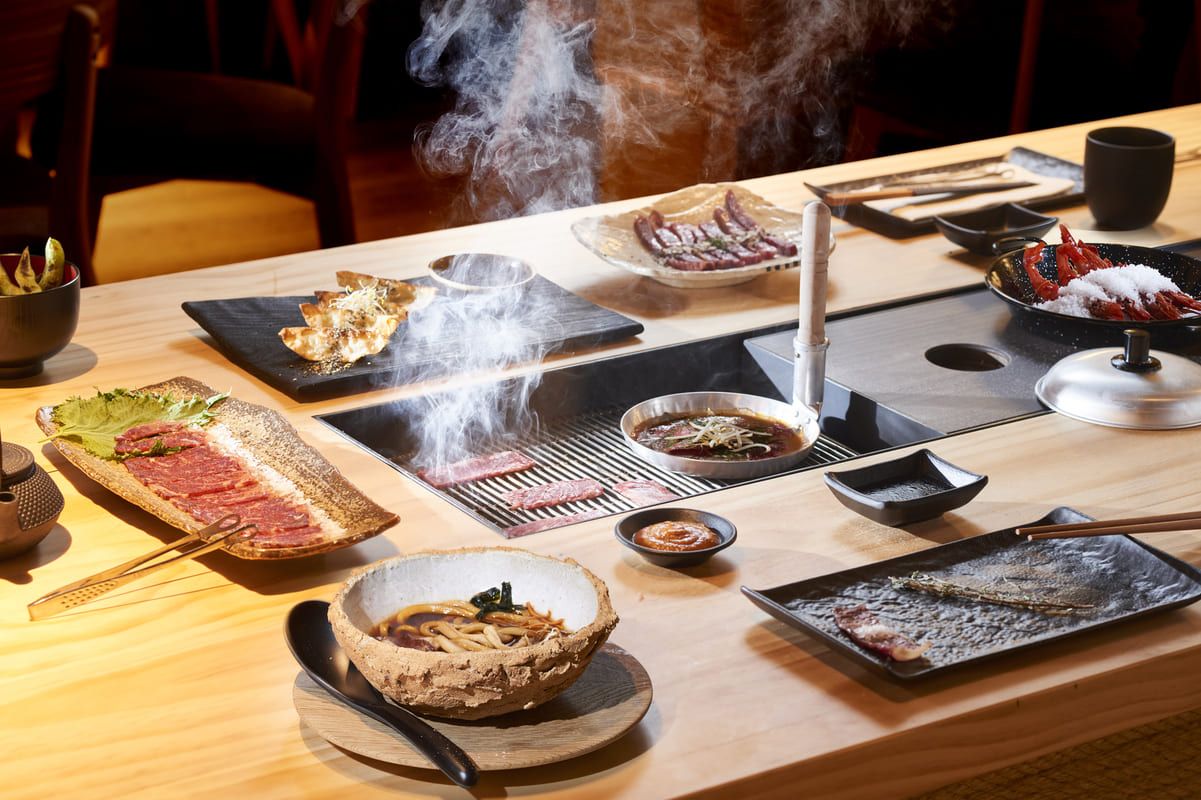
Carlota Akaneya is a sumibiyaki of Japanese cuisine made with premium products from Japan. On Pintor Fortuny street, its architecture is inspired by typical Japanese izakaya taverns and the aesthetic of the more alternative Kyoto. Inside, nine custom-made barbecue tables stand on the same terrazzo floor of the tavern that preceded it, called Ivanhoe. Here, the simplicity of the dishes highlights the prominence of a product enhanced with a subtle touch. The quality of the product is combined with the old-fashioned cooking method, with charcoal manually poured onto the table at each service. "It is possibly the most sacrificing job in restoration," confesses Chiho Murata, who also considers this gesture of distributing charcoal "the most romantic expression" she has known. In this establishment, tradition and austerity combine to create a genuine atmosphere bathed in jazz music, a favorite among great Japanese chefs. Among the suggestions, a wide range of wagyu beef on the barbecue stands out, in addition to fresh fish and vegetables.
- Pintor Fortuny, 32
With almost ten years of establishment in the city, Koku Kitchen is a pioneer ramen restaurant in Barcelona, located in the Gòtic. Two years after opening this establishment, its owners ventured with their second location, in Ciutat Vella: Koku Kitchen Ramen & Gyoza Bar. Noodles are one of the attractions of their kitchen dedicated to homemade ramen, with several vegan options and gluten-free options. At Koku Kitchen they also have gyoza specialties especially valued by their clientele, and the offer is completed with bao buns, which are truly their stars, and diverse cocktails. As they explain, all their products are Catalan and local, except for those ingredients that "must be imported from the Asian continent because they cannot be found here." The Ramen & Gyoza Bar space has two floors: the underground emulates an Asian oasis that imitates a subway station, which is where the most authentic popular food is found, and on the upper floor the offer is complemented with hot ramen and gyoza.
-
Calle d'en Carabassa, 19
-
Comerç, 29
Enjyu
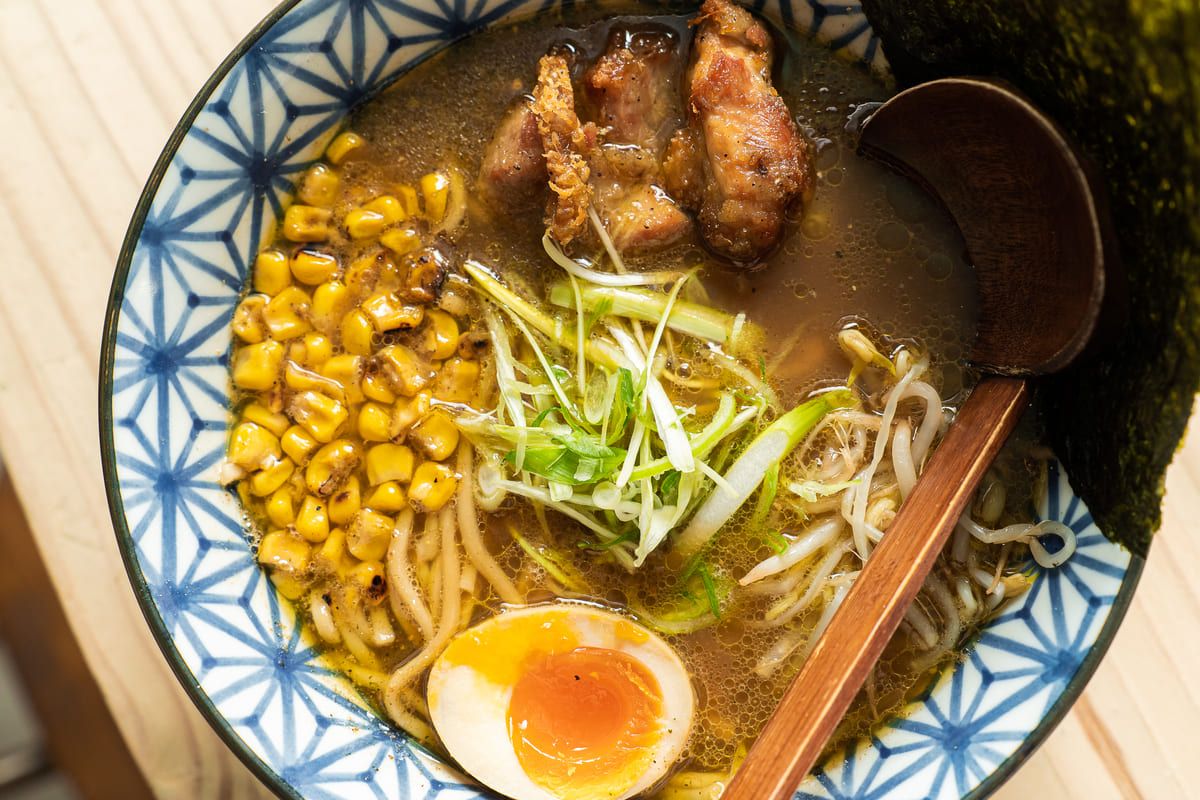
La Taverna Japonesa Enjyu, located on Vallespir street in the Sants neighborhood, has the entire range of popular dishes that this type of restaurant offers to Japanese people daily, all in a traditional Spanish atmosphere that claims to be "the authentic Japanese." Among its hot dish suggestions are options such as yakisoba noodles sautéed with vegetables, Bifán or rice noodles sautéed with vegetables, seafood and dried bonito; various tempuras; Karaague or fried chicken marinated in soy, garlic and ginger; Yakinku or thinly sliced beef loin cooked on the griddle; Katsu-Don or bowl of breaded pork loin and scrambled egg, and Unagi-Don or bowl of cooked eel over rice.
- Vallespir, 28
Roka
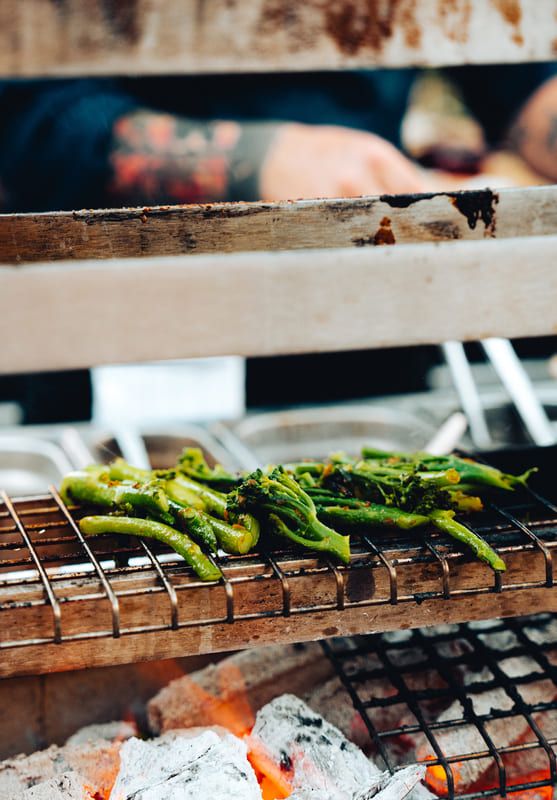
For a few weeks now, Barcelona can also enjoy Roka's Japanese cuisine gastronomic proposals, the international chain founded in London by Rainer Becker, also creator of the renowned Zuma. In addition to being present in the British capital with four locations, Roka also has restaurants in cities such as Dubai, Riyadh, Istanbul, and Kuwait, and has now opened a temporary establishment at the Hotel Arts, available throughout the summer season. Roka claims to have been the first Japanese restaurant to bring the robata grill to Europe, where it prepares seafood, meat, and vegetable dishes, such as sea bream fillet, miso and red onion, or lamb chops with Korean spices and asparagus with sweet soy and sesame.
- Marina 19-21
Add The New Barcelona Post as your preferred Google source for free
Stay informed with the latest news.