In 2015, Mateo González and Carlos Moral met at a specialty coffee workshop. It was there they realized that, despite its potential, specialty coffee remained largely unknown to most consumers, and that a transformation was already underway in certain markets, one that would soon reach Spain. They decided to get ahead of that shift, one in which coffee is valued for its quality and origin, and where drinkers start asking where it comes from, what it tastes like, and what sets it apart.
“Everyone drinks coffee, but it is a very underestimated product,” says González, the company's CEO. Against the idea of coffee as an anonymous drink, the pair launched Hidden Coffee to turn it into a product with a name attached. To do that, Hidden started focusing on origin and on the people behind each cup. As González, who came from a background in law, puts it, "coffee is a fruit, it's seasonal, and it can be naturally sweet." Moral, for his part, was already part of the coffee world: he comes from a coffee-trading family, with an import business founded in 1978.
“Coffee is a highly selective, rotating product. It depends on the time of year, and it comes from one country or another. But very few people know that," González continues. That's why the selection process starts long before the beans ever reach Barcelona: Hidden receives samples from different producers, and its managers even travel to the countries of origin to meet them and taste their coffees. Sometimes, they prefer to taste first without too much information about the product, to focus on what they have in the cup and reward the producer's work without getting carried away by marketing or branding.
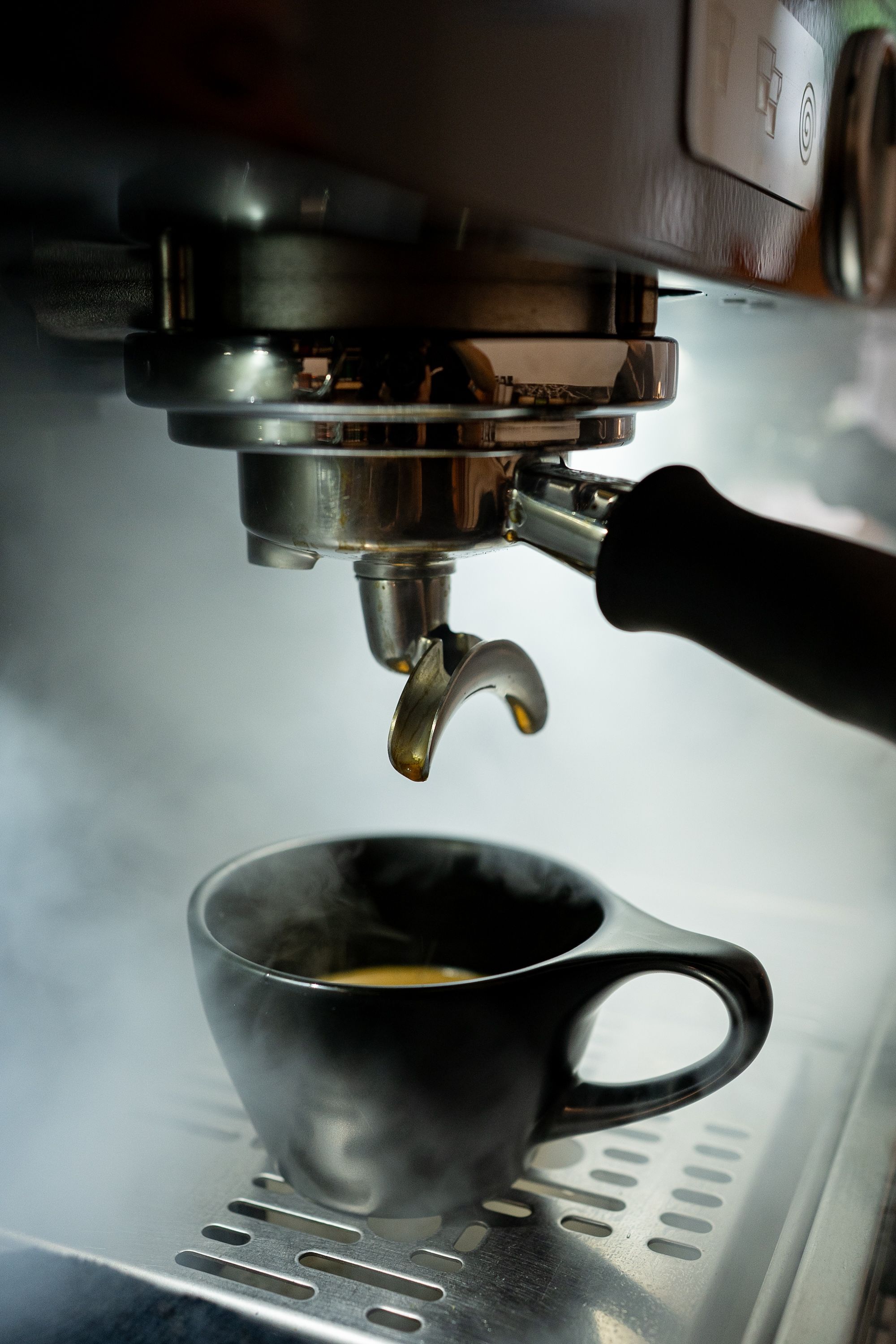
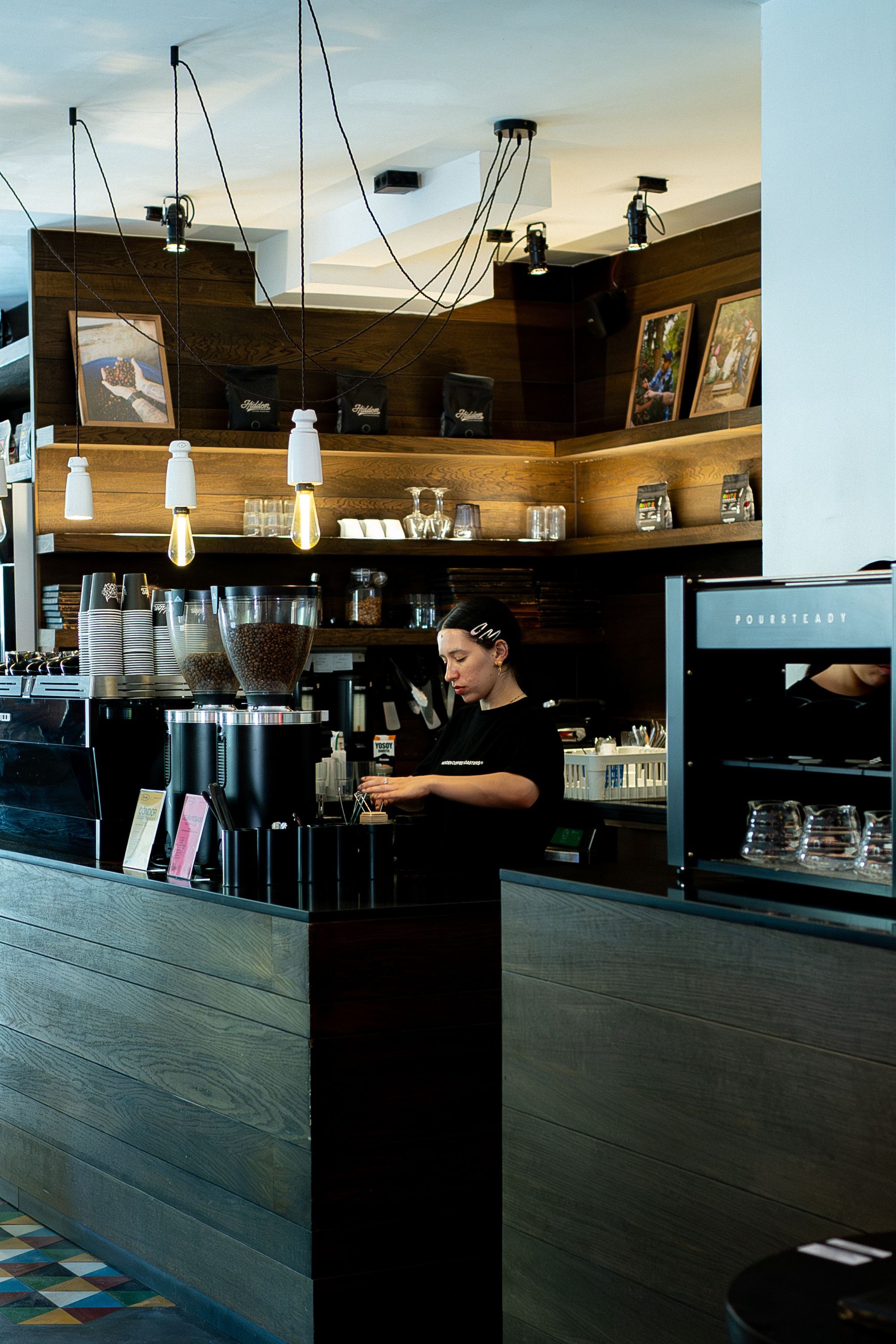
This direct relationship with producers allows them to discover “incredible little-known coffees and bring them to the consumer at more affordable prices,” according to González. Once selected at origin, the beans begin their journey to Barcelona. It is here that Hidden Coffee completes much of its work: in its space in La Verneda, where it has a warehouse and workshop, the company roasts between 3,000 and 4,000 kilos of coffee every week. “We select at origin, bring it to Barcelona, roast it and package it,” González summarizes.
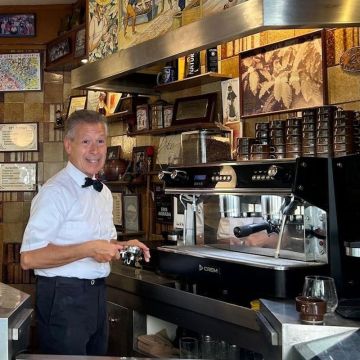
Now, a decade after that workshop where the founders met, the company has four locations in Barcelona, adding a fifth, seasonal, spot in Barceloneta over the summer. But the coffee shops are only part of a project that its founders define as a "360-degree" coffee brand, because Hidden works across the whole chain, from selecting beans to roasting and selling them, as well as training and advising other coffee shops.
The company has been expanding in these areas over the years. At first, it focused its activity on sales, as well as workshops and outreach. Over time, Hidden consolidated itself as a roaster and began selling coffee to other businesses, even accompanying them in the creation of new projects. So much so that it has advised other specialty coffee businesses throughout Spain, and also in more distant markets, including Puerto Rico, Dubai, and Abu Dhabi.
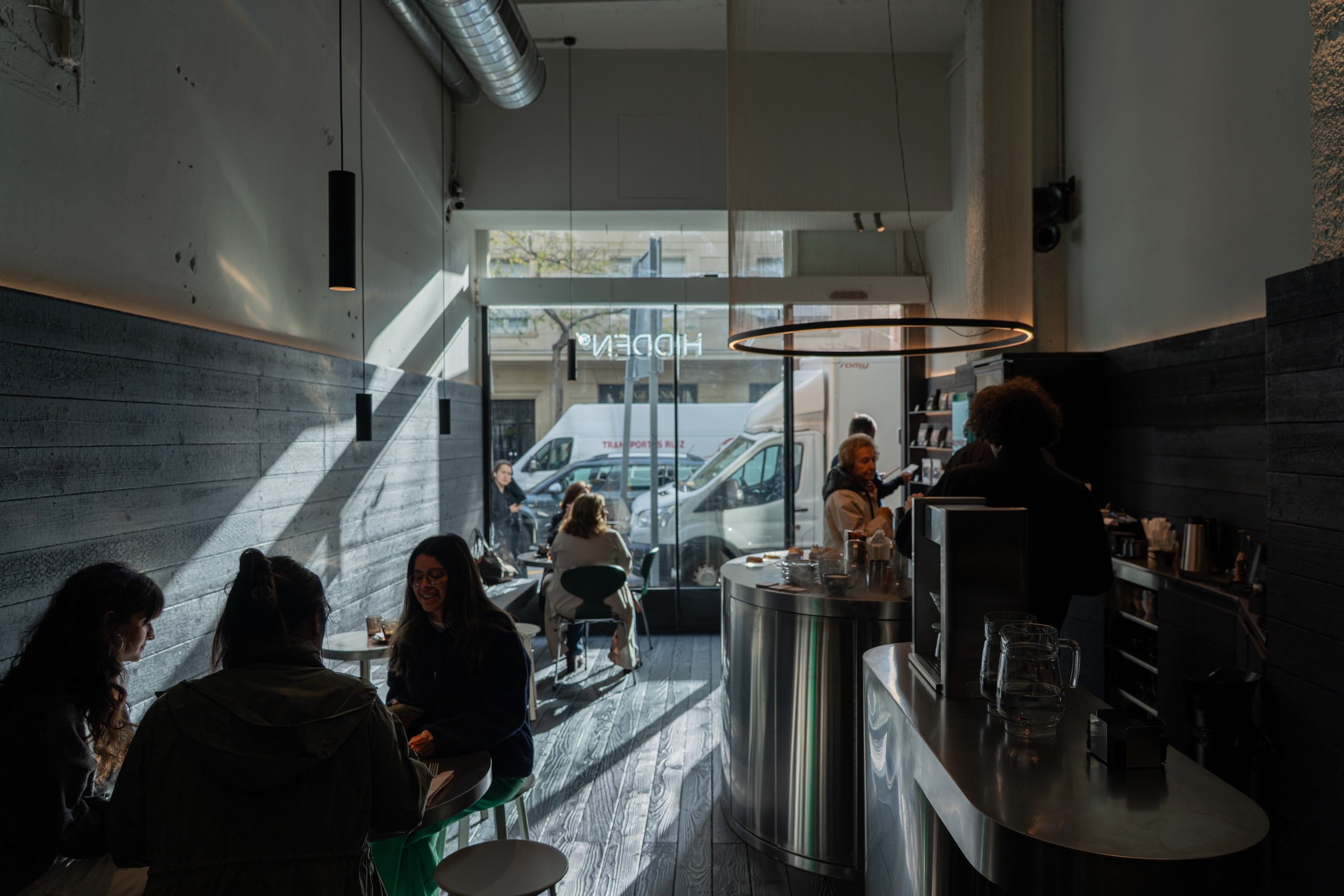
The company has grown, practically doubling its turnover each year, boosted by distribution to businesses and online sales. The team now numbers around 60 people and includes very diverse profiles, from baristas to roasters and quality control specialists, as well as design, communication, and administration professionals.
More filter coffee, more exotic varieties
Alongside Hidden Coffee's own growth, consumer habits around coffee — and the way people drink it — have also been shifting. Coffee has become part of the culinary world, valued increasingly by both the restaurant industry and diners themselves: "now, if they bring you a coffee and you don't like it, you ask for another one". Filter coffee is gaining ground and more and more customers are daring to try "more experimental, exotic" varieties, according to González. "Even older people who have come to Hidden Coffee accompanied by their children have changed their habits and are buying coffee from us to make at home."
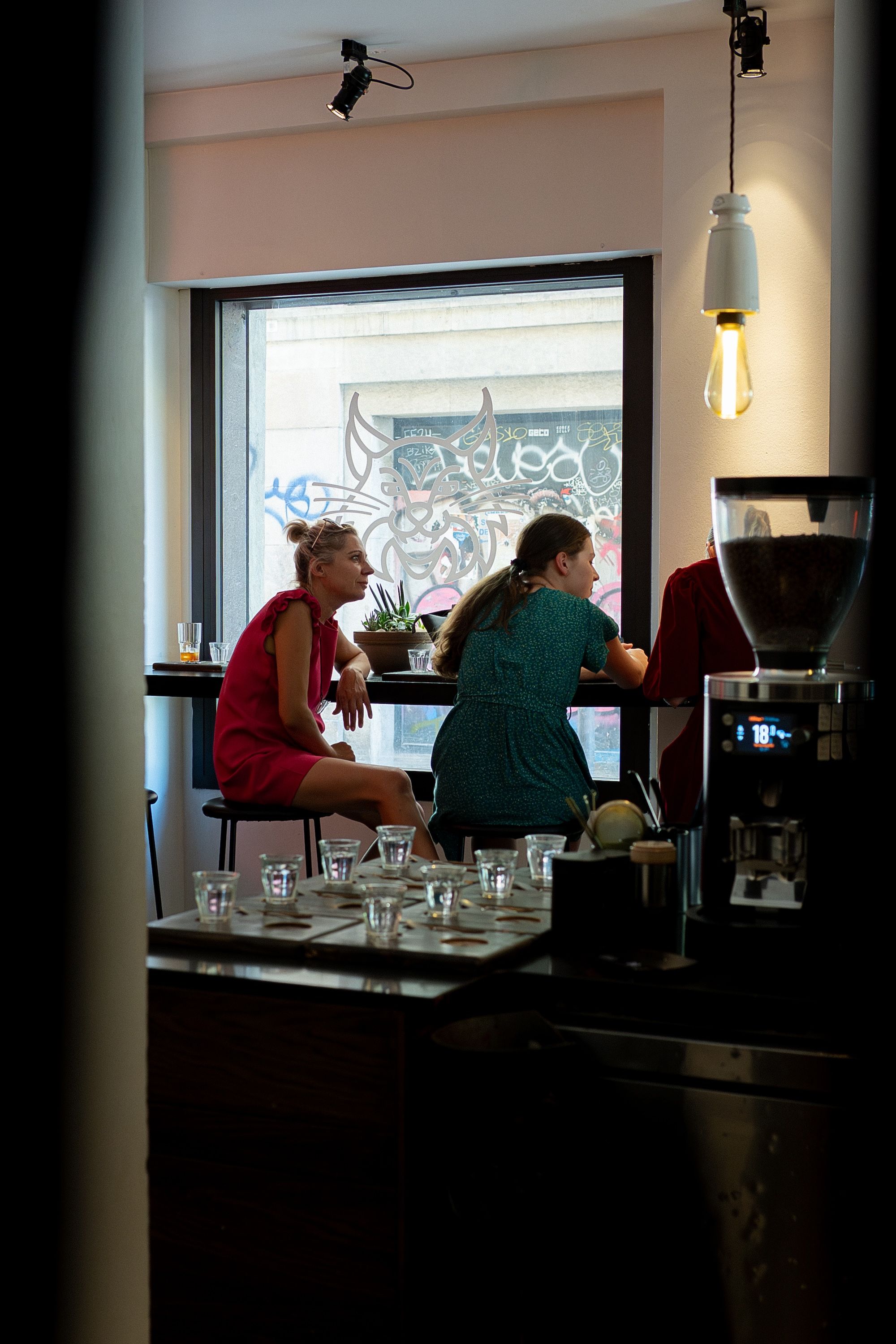
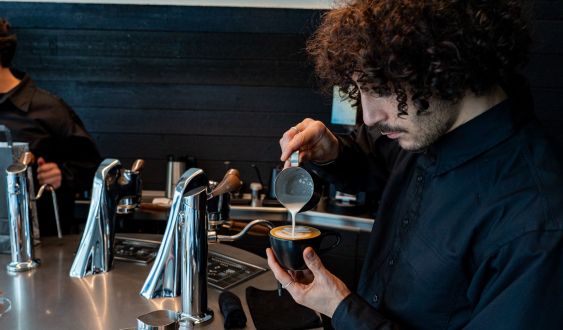
Along with these regular buyers, Hidden continues to add new customers: “We still get people walking into our shops for the first time who genuinely don't know what kind of place they've walked into. That's why it's so important for the barista to guide them: they have to explain who we are and what we do, and advise them.” Customers can drink coffee or buy bags, with beans that can be ground on the spot, with prices ranging between €12 and €30 for 250 grams.
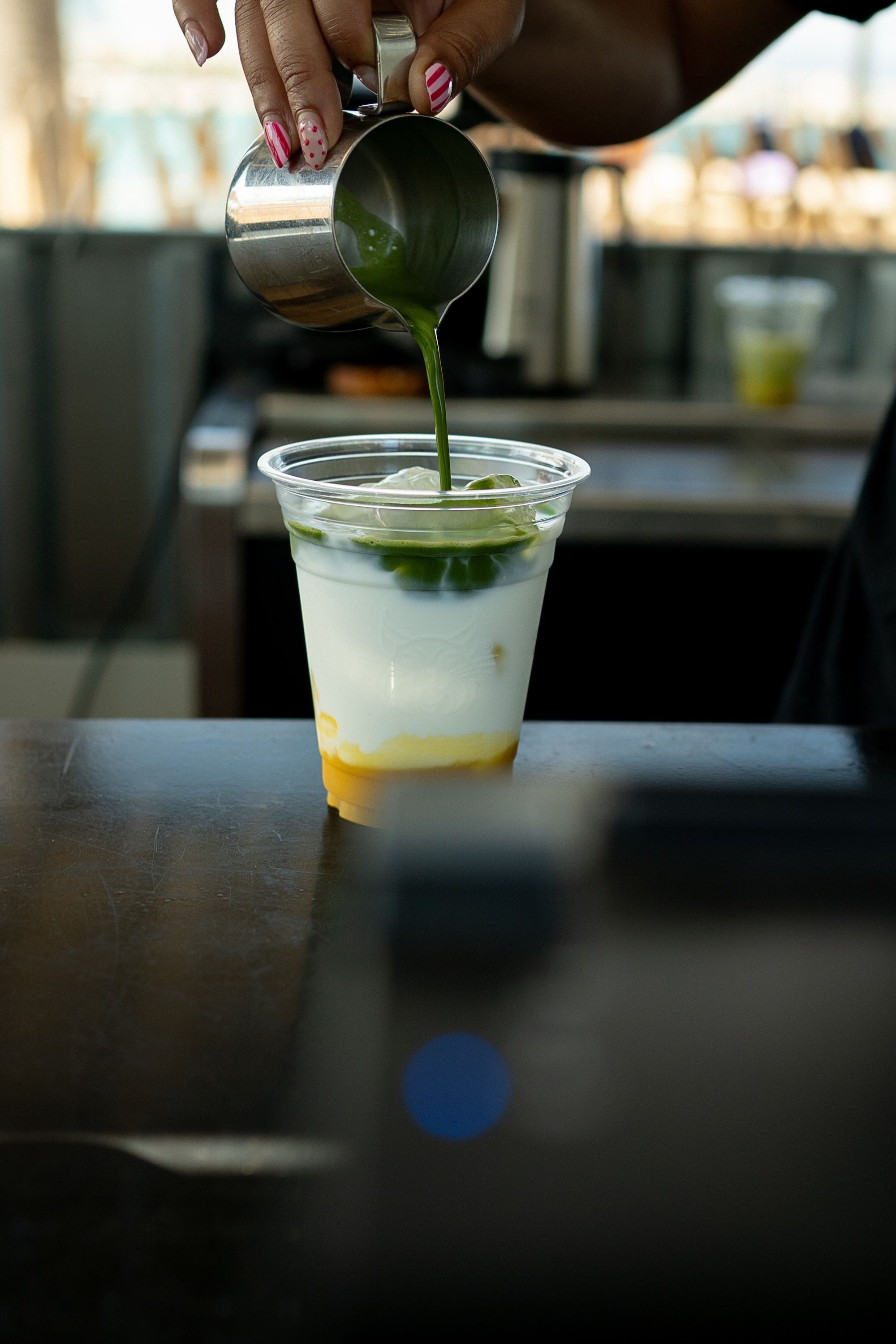
In terms of broader trends, González notes that "people are paying more attention to self-care and sustainability," which aligns well with specialty coffee's emphasis on where and how beans are grown. This is also matched by a growing use of plant-based drinks — like those from Yosoy, a Catalan "zero-kilometer" brand, as González points out.
Barcelona smells of coffee
For González, Barcelona is at the center of this transformation of the coffee world. Along with Madrid, he sees the city as one of the main drivers of specialty coffee in Spain.
For Hidden Coffee specifically, it's also where the company roasts its coffee and the starting point for its distribution — always with the same goal: that behind every cup, there's a producer, a story, and a coffee with a name of its own.
Add The New Barcelona Post as your preferred Google source for free
Stay informed with the latest news.