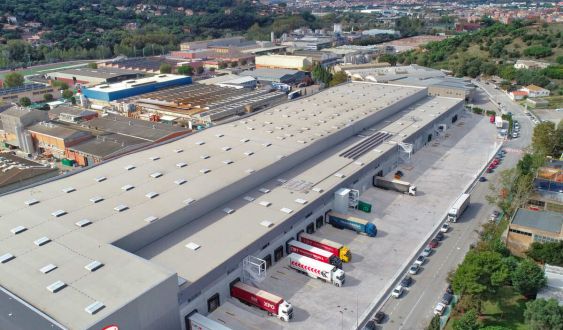
Multinational companies are a fundamental part of Catalonia's industrial fabric, with a strong presence of pharmaceutical, chemical, consumer goods, and food companies. Many large corporations have the headquarters of their Spanish subsidiary in Barcelona, a city where they have found the necessary talent to nurture their commercial and marketing departments, as well as a good structure of supplier companies to locate their factories.
[subscribe_newsletter_esp]
Catalonia's geographical position has historically been another key factor that has facilitated the arrival of large foreign investments, consolidating the Barcelona area as the main logistics hub in Southern Europe. Added to these elements is the entrepreneurial and technological ecosystem that has consolidated in the city, offering these large companies the possibility of finding the talent they require to boost their digitalization or to find disruptive business models created by startups.
Henkel is one of the multinationals with the longest trajectory in the city and has just reaffirmed its commitment to Catalonia with an investment of 22 million euros aimed at centralizing all its logistics for Southern European countries in Montornès del Vallès.
The German consumer goods company manufactures well-known brands such as Dixan, Tenn, Wipp Express, Pritt, Loctite, Bref, Perlan, Estrella, Micolor or Vernel, but in the business sector, it is also recognized for having created in Barcelona a true marketing school through which hundreds of professionals have passed, going on to occupy important management positions in all types of companies.
This talent factory made in Henkel Barcelona was located for decades in a building on Còrsega street, at the corner of Sicilia, which the Meridia Capital fund converted into the current Hotel Barcelona 1882. This real estate operation allowed Henkel to move its Iberian headquarters to much more modern and efficient facilities located in 22@.
50 million investment in Montornès in three years
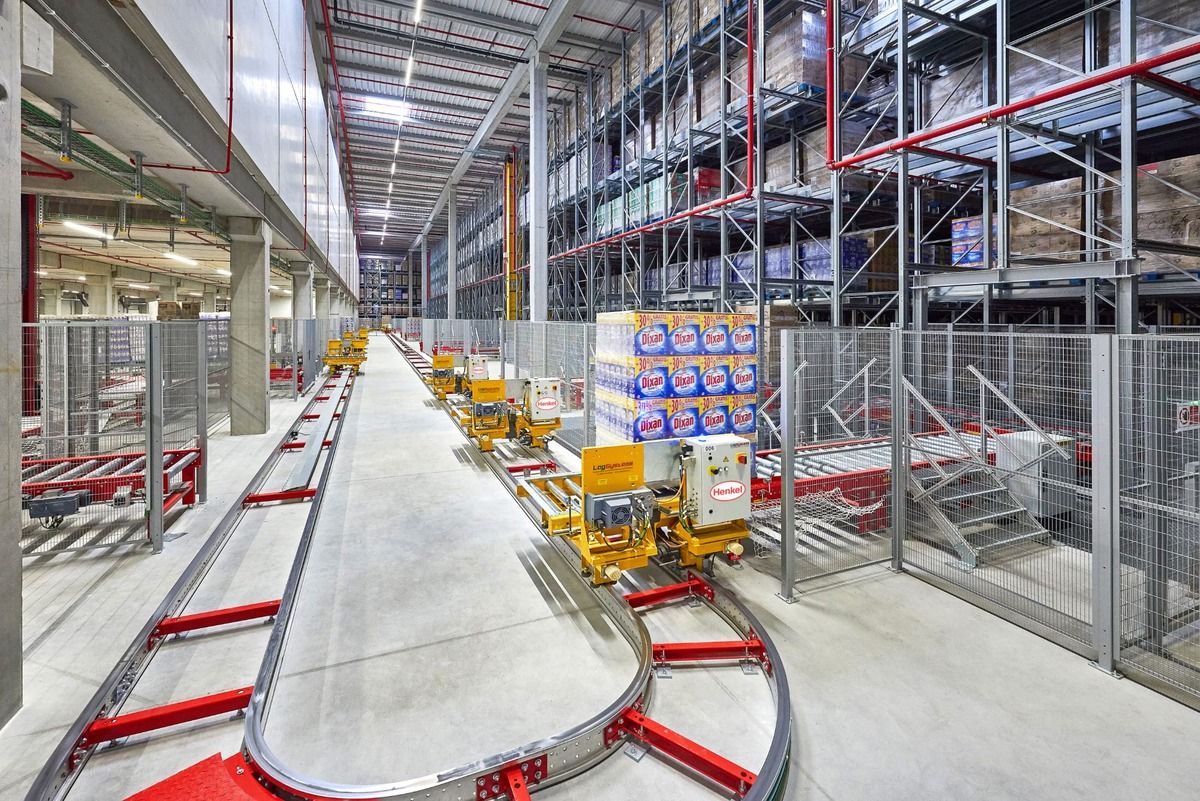
The Barcelona technology district houses the multinational's decision-making center on the Peninsula, but Montornès del Vallès is the municipality that receives the investments that the Düsseldorf-based corporation recurrently approves. In this sense, the latest project promoted by the company has just been launched: the construction of an automated warehouse that occupies an area of 24,000 square meters and is strategic for the multinational's laundry detergents and home care products division.
The project will allow Montornès to centralize the distribution of all the company's cleaning brands in Southern European countries and raises the accumulated investment for this production complex to more than 50 million in the last three years. It should be noted that the automated logistics platform joins two other major investments undertaken by Henkel in Montornès: the installation of a new liquid detergent packaging line and the launch in 2019 of a new factory specialized in the production of adhesives for assembling parts for the aerospace industry.
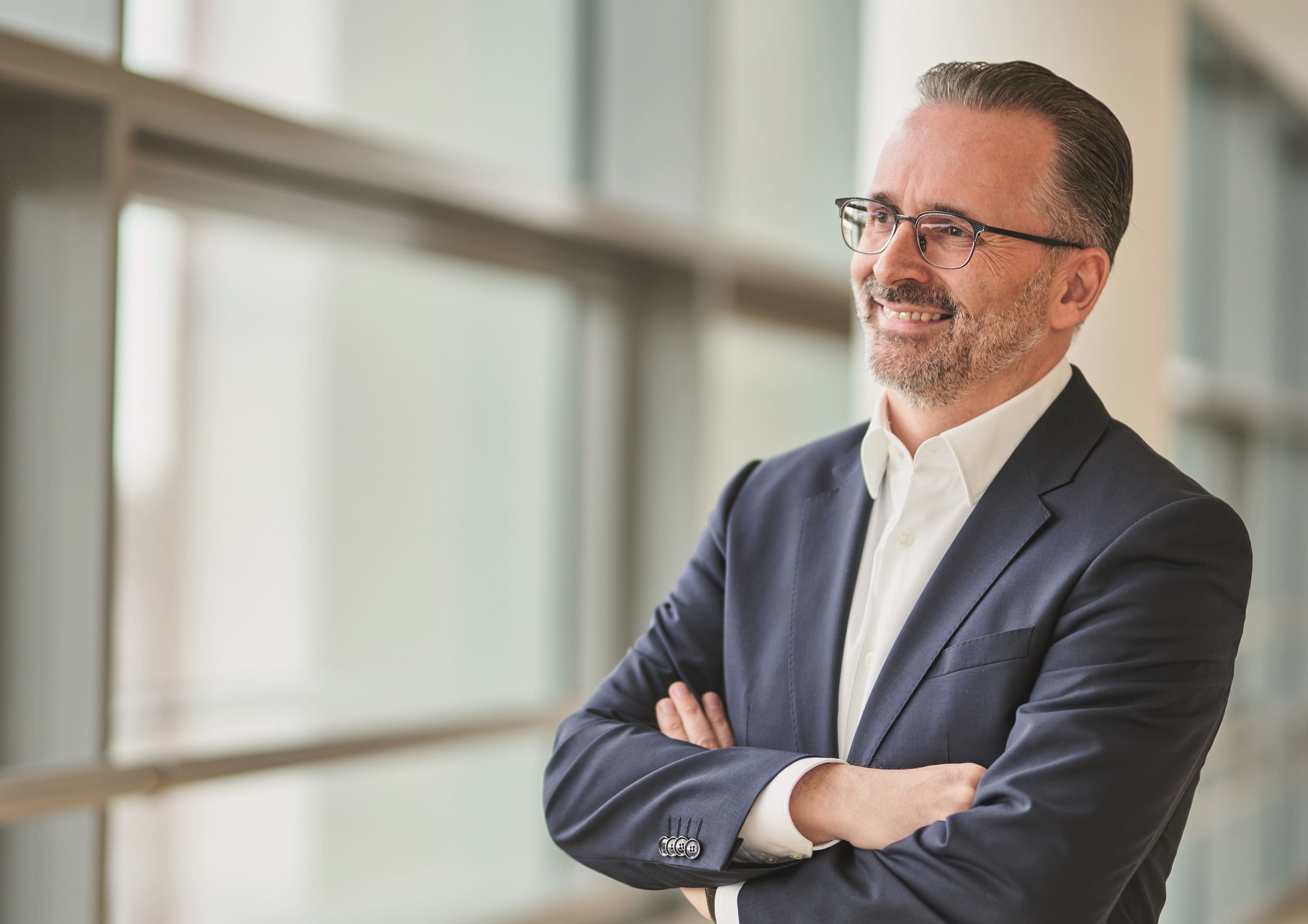
"This new automatic warehouse is a new demonstration of Henkel's commitment to the Montornès del Vallès center, a reference complex with more than 50 years of activity," highlights Dirk Holbach, Global Supply Chain Director at Henkel and also responsible for the Laundry & Home Care division.
A reference 'hub' for the group
According to the executive, the Catalan facilities have become a "hub of reference for the group, with an annual production of more than 200,000 tons of detergents and adhesives. The Montornès complex employs more than 500 people and the products it manufactures are exported to more than 60 countries.
The new logistics center, according to the company, will increase Henkel's global competitiveness by improving delivery times for the different brands thanks to process automation and the incorporation of the latest technologies from Industry 4.0. These new facilities also respond to the strong increase in production, which has tripled due to the new packaging line installed in 2018, and to the rise in exports.
The newly launched platform allows storing more than 500 different products and has three differentiated areas: a fully automatic zone with capacity for 21,000 pallets; a conventional storage area for 14,000 pallets, and an area for picking and packaging operations to provide customers with increasingly personalized solutions. The loading and unloading of trucks will also be done automatically. "The new logistics center is a clear example of Henkel's commitment to the industry 4.0 model, based on digitalization, robotization, and the implementation of cutting-edge technology," argues the multinational.
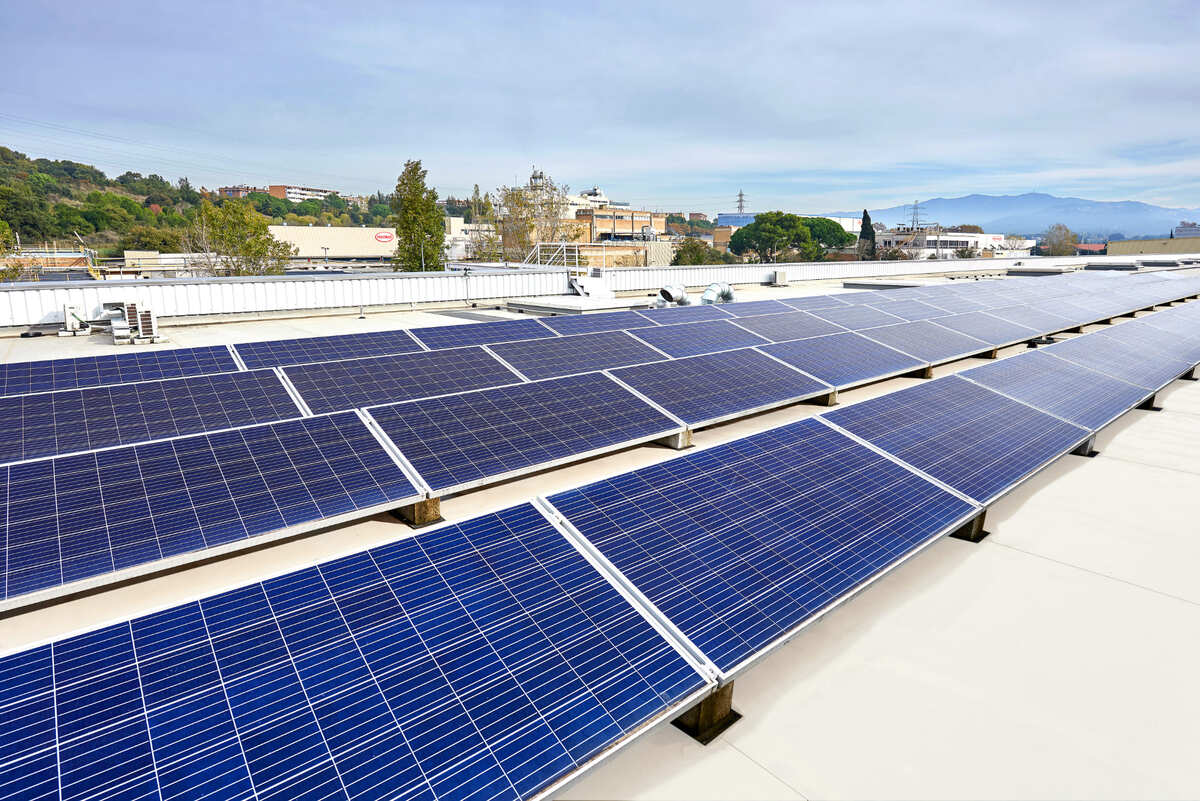
The new logistics center is a clear example of Henkel's commitment to the industry 4.0 model, based on digitalization, robotization, and the implementation of cutting-edge technologyHenkel's previous warehouse, built in 1994, will remain fully operational, but the investment made will allow it to stop subcontracting logistics space to third parties, meaning it will move to a centralized model instead of having several external warehouses. This change, explains Henkel, will mean a reduction of environmental impact, as truck movements will be significantly reduced. To enhance and advance its sustainability strategy, Henkel has also installed80 solar panelsin the new logistics complex, which will allow producing the necessary energy to charge the batteries of the machinery installed within the complex. The innovative warehouse management software will also allow reducing electricity consumption, as inefficiencies will be reduced. Thus, the stated goal is to reduce the carbon footprint by 90%. In global terms, Henkel's challenge is to become a climate-positive company by 2040.
The German listed group had a turnover of 20,000 million euros in 2019, with an operating profit of 3,200 million and 52,000 employees worldwide.
Add The New Barcelona Post as your preferred Google source for free
Stay informed with the latest news.
