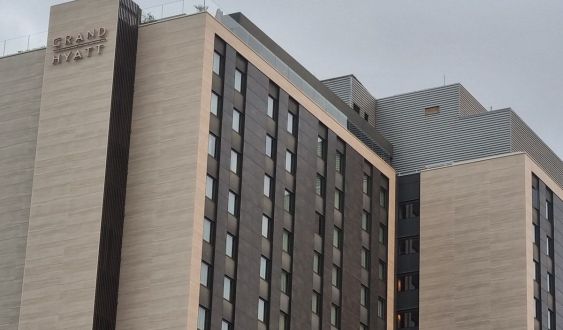
In the last throes of Francoism, when Juan Carlos and Sofía were still princes of Spain, as their proclamation as kings would become official in November 1975, a 22-story skyscraper was erected in Pius XII square as a tribute to Sofía Margarita Victoria Federica of Greece: the Hotel Princesa Sofía. Barcelona, eager to shake off the last dust of the post-war period and embrace international travelers with a contemporary hotel on par with the great European capitals, found in this 79-meter building (today the 24th tallest in the city, not counting the metropolitan area) its hotel crown.
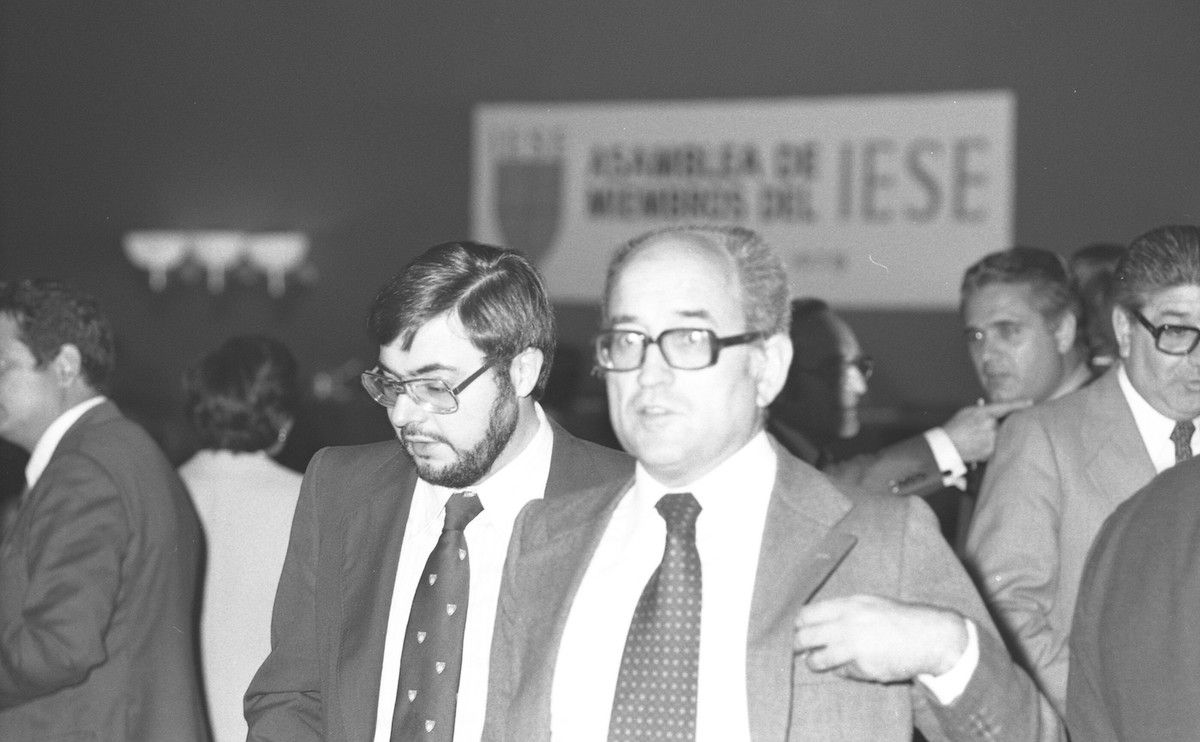
During the 70s, 80s, and early 90s, the 'Princesa' reigned as a great social center. It was the venue for a large number of important events held in Barcelona: business, gastronomic, and fashion gatherings, dinners to corroborate 'culé' strategies and political receptions that smelled of democratic modernity.
Today, reborn as Grand Hyatt Barcelona after a 20-million-euro metamorphosis, and no longer bearing a princely name, it has not lost its scepter as a reference establishment, although it now shares it with a much larger hotel infrastructure in the city.
Swiss footprint on Catalan soil
Promoted by the company City Grand Hotels SL and initially managed by the HUSA group, the Princesa Sofía opened its doors in the summer of 1975, in what was then Papa Pío XII square. Named in 1951 in homage to Pius XII (supreme pontiff between 1939 and 1958), that same place had hosted a massive mass in 1952 during the International Eucharistic Congress, one of the first massive international events in the city since the 1929 Exhibition.
Designed by the Swiss architectural firm Pfeiffer, the building dominated the intersection of Avinguda Diagonal with the exclusive, and still largely undeveloped, neighborhood of Pedralbes. Its 515 original rooms featured large windows, more than 600, that reached the Mediterranean on one side, Collserola on the other, and the nascent skyline. It had no balconies, except for the iconic terrace on the upper roof. It boasted a pioneering spa and swimming pools "that could be enjoyed all year round."
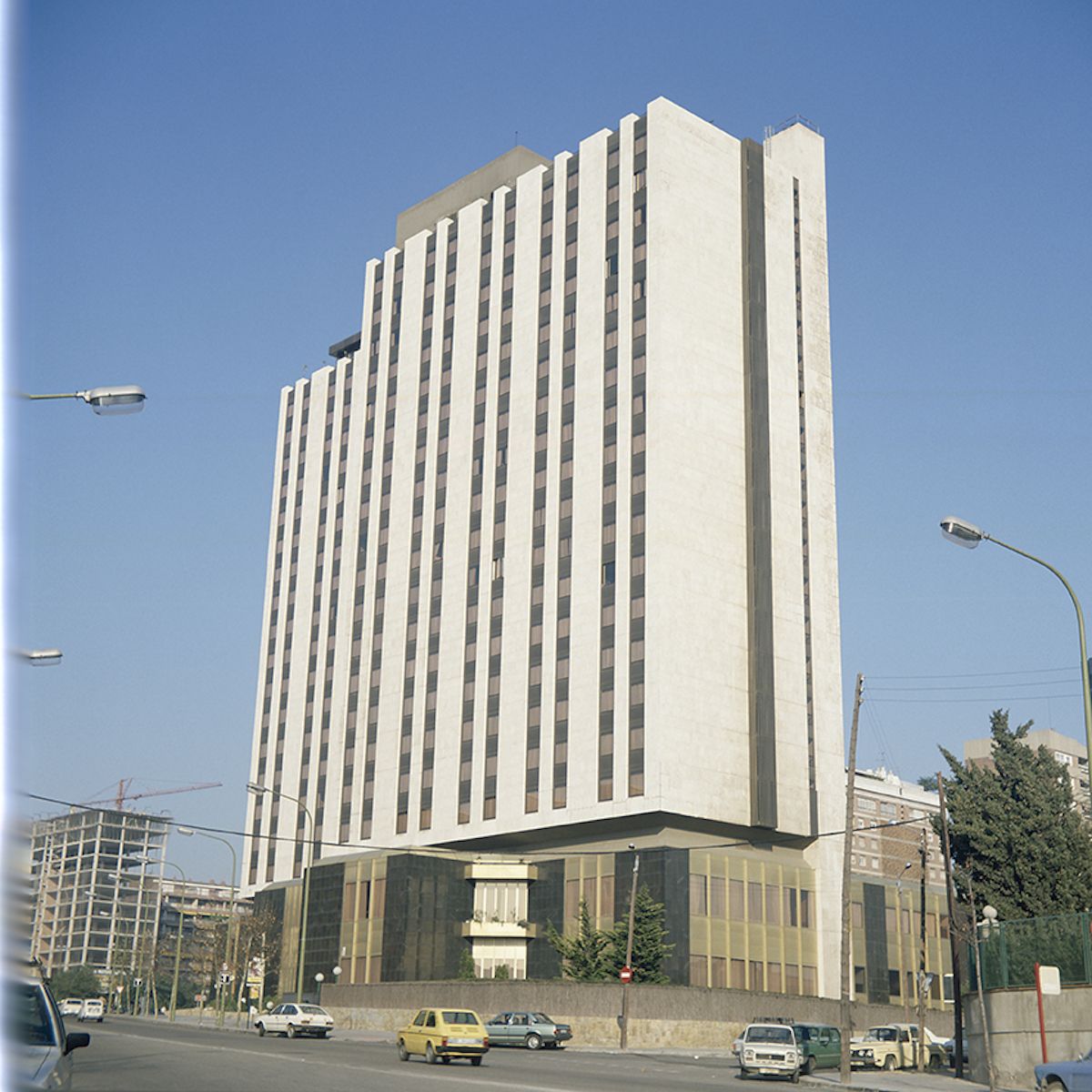
The place was innovative down to the kitchen, as it was the first hotel in Spain with convection ovens, revolutionizing its stoves; it debuted with four restaurants, including Top City on the 19th floor, one of the highest in the city and a privileged balcony to see the birth of late-century Barcelona.
A blackout on opening night left it illuminated thanks to its electrical autonomy, like a lighthouse in the dark: an almost poetic premonition of its role as a symbol of the modern Barcelona that was born there.
The evolution of names
For 21 years it was called the same, although in 1996, it joined IHG and a name was added: InterContinental Princesa Sofía, still riding the post-1992 Olympic Games boom, when it hosted delegations from the International Olympic Committee and Olympic VIPs. In 2004, independent from the multinational, it was renamed Gran Hotel Princesa Sofía. Its big change and necessary update came in 2017: a 60-million-euro renovation orchestrated by Jordi Mestre through the Selenta company was carried out, and it was rebranded as Hotel Sofía, a nod to the Procés, asking the Royal House to eliminate "Princesa" from the name weeks after 1-O, alleging that "Sofía is no longer a princess or queen" in times of monarchical crisis.
In 2018, it joined The Unbound Collection by Hyatt, and in April 2024, after another 20-million injection, it was reborn as Grand Hyatt Barcelona: the brand's first in the city, with 465 rooms (49 suites and a 300 m² penthouse) and 48,500 m² renovated.
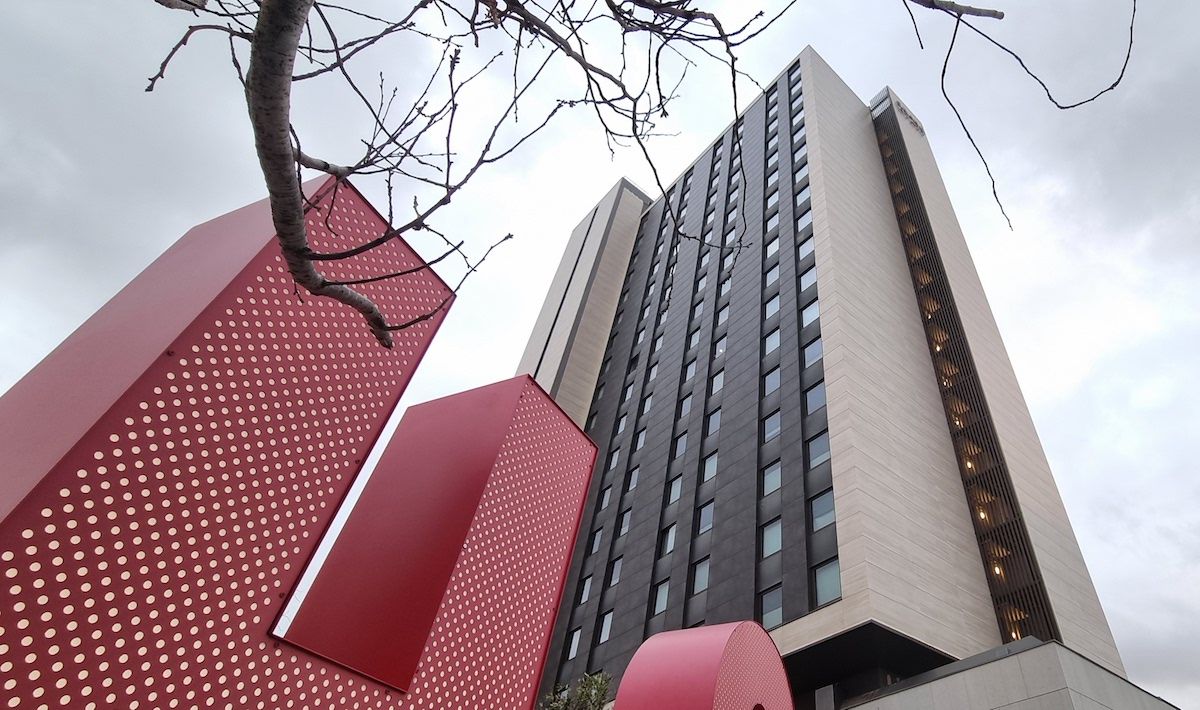
Today, under Hyatt management and as part of an expansion that adds 50 properties in Spain, the Grand Hyatt is a great international hotel with Catalan roots: its staff of 400 souls and local suppliers ensure that the pulse of Les Corts continues to beat in its veins, as its managers affirm.
Celebrities, crowns and football
The Grand Hyatt keeps discreet moments in its rooms and common areas. Queen Sofía stayed there regularly and discreetly in the 80s. In that same decade, October 1988, another queen, Elizabeth II of England stayed a few hours to rest in a suite from the busy pace of an intense agenda during her only official visit to Spain, then sailing from the port on the royal yacht Britannia. Silvia of Sweden chose the Sofía for the wedding of Infanta Cristina (1997); Rania of Jordan slept there with Abdullah II to attend an edition of the Mobile World Congress, and Caroline of Monaco also rested in Diagonal / Pius XII in 1997. The list of celebrities and personalities from all fields who have enjoyed the comfort of the place is as long as a phone book.
However, football has been the eternal passion of the establishment due to its proximity to Camp Nou. From recent times, the 2019 Clásico is especially remembered, in which Barça, Real Madrid and even the refereeing team shared the same roof to, with special security measures, travel to a particularly tense, politically and socially, Camp Nou.
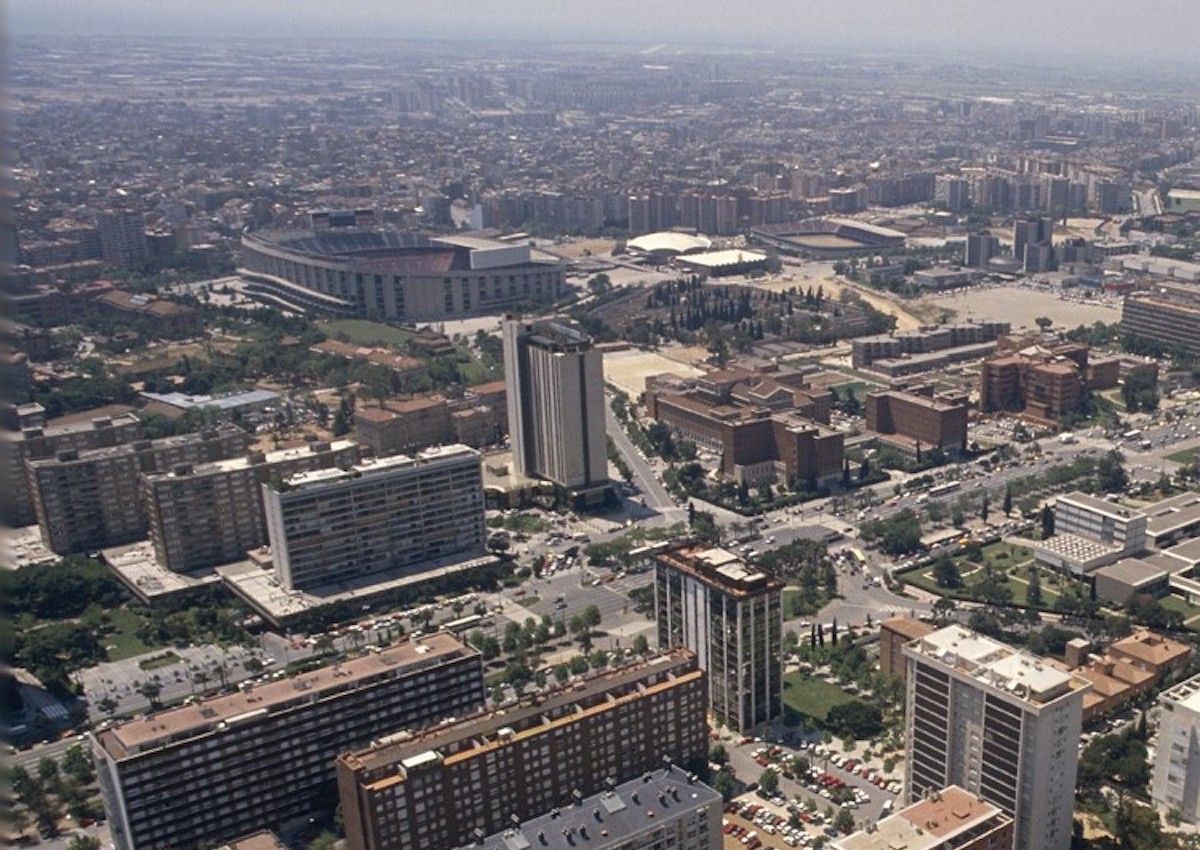
Princesa Sofía is a mythical name in Barcelona's hotel industry: it reigned for decades and lost its title 42 years after its inauguration. The name definitively fell in April 2024 and, although today the Hyatt brand is powerful globally, for many, that building at number 4 of Pius XII square will always bear the name of the Greek goddess of wisdom... and of the mother of the current head of state.
Add The New Barcelona Post as your preferred Google source for free
Stay informed with the latest news.