It is not easy to introduce innovations in the world of wine, and even less so if they have to do with packaging. The glass bottle and cork stopper are unbeatable in terms of quality, but not all wines are the same and, even less so, not all consumption occasions are ideal for carrying out this ritual of uncorking the bottle that we like so much.
[subscribe_newsletter_esp]
With no intention of replacing this traditional format, but with the vocation of expanding consumption moments and broadening the type of public that drinks wine, Aluvinum Wines was born, a company based in Sant Sadurní d'Anoia specialized in the commercialization of wine packaged in an aluminum can. Yes, in a can similar to that of a Coca-Cola, a Red Bull or a beer, three products widely consumed by young people, a group too far removed from the world of wine and who, with this new format, could more easily start drinking a product so rooted in our land and key for the agri-food sector.
In addition to being a more friendly format for young people, the can is easy to transport, ideal for consumption in leisure environments, easy to store in the fridge, and offers many environmental advantages, as aluminum is 100% recyclable and weighs less than glass, which significantly reduces the carbon footprint. Another strong point of the product is the price, as the cans will be affordable: they will cost around two euros.
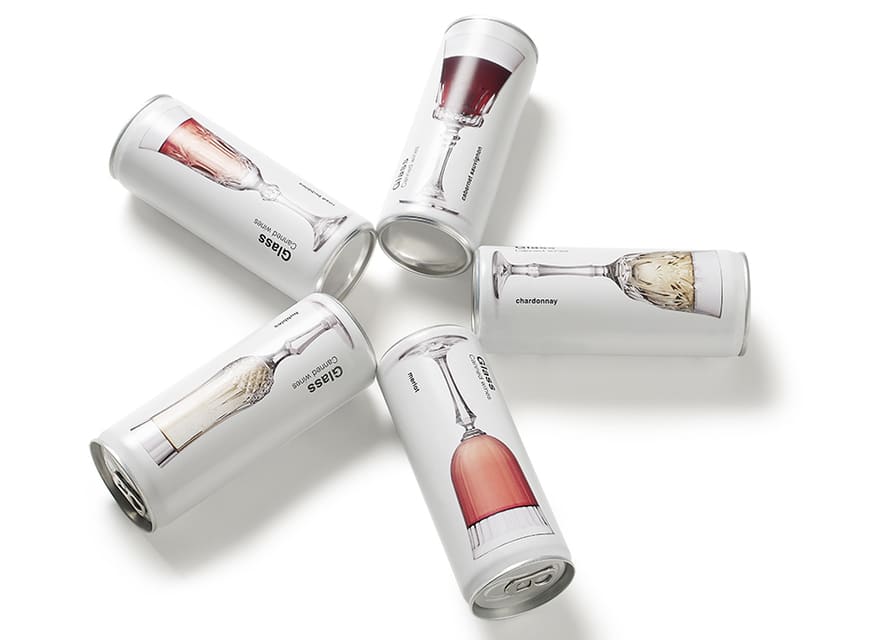
For the sale of its canned wines, Aluvinum Wines has created the brand Glass Canned Wines. It will hit the market this coming February and its objective is to be available in supermarkets and specialized stores as well as in the restaurant and hotel sector. An agreement has already been signed with a supermarket chain, although the name is not yet known.
Do not expect to find reserve or gran reserva wines. Glass is presented on the market as a brand of young wines, without barrel aging, produced in Penedès, although in the future it aims to expand to other wine regions. Canned wines, however, are not under the umbrella of the Penedès Designation of Origin because its regulations do not allow it, as it obliges producers to always package in glass.
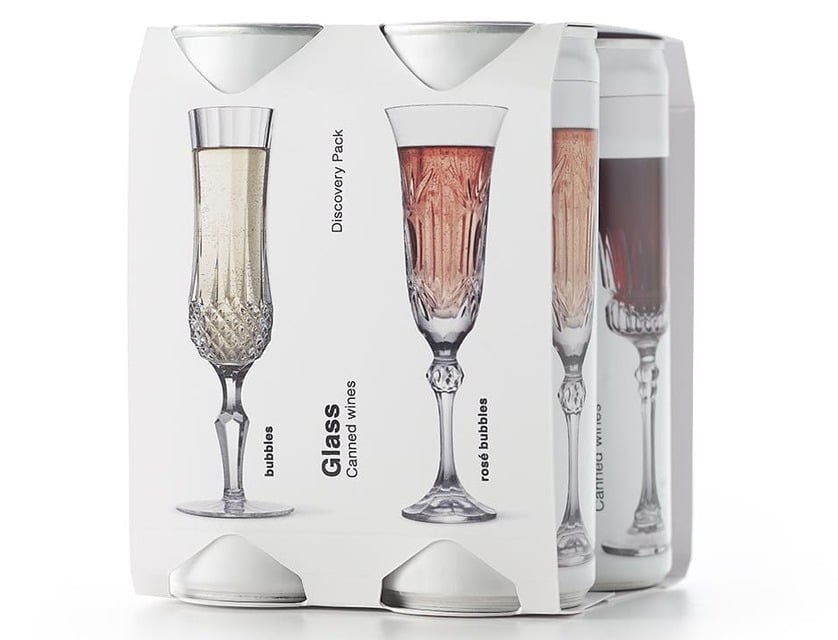
Glass will arrive on the market with five varieties: red wine can (cabernet and merlot), white (chardonnay with xarel·lo and muscat), rosé (merlot and tempranillo) and two carbonated wines, that is, with bubbles (blancbubbles and rosébubbles). The cans contain 250 ml and can be bought individually or in packs of four.
Reinventing oneself in the midst of a pandemic
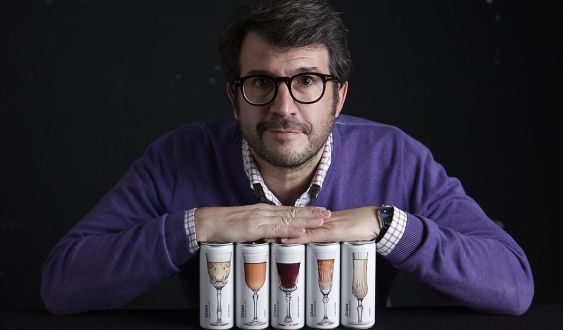
And who is behind Glass? The startup has been founded by Joan Anton Romero, a marketing expert who discovered canned wine consumption during a trip to California two years ago and has decided to undertake and reinvent himself in the midst of a pandemic. The idea of bringing the canned wines he had known in the United States to Catalonia materialized after he lost his job due to Covid. His connection to the world of wine is not new, as he worked as marketing director for a company that manufactures labels for wine bottles. The founding team of Glass also includes an oenologist and other people who have been professionally linked to the sector.
Although he does not want to reveal the investment made so far in the project, Romero admits that the company has a financial partner accompanying him on this adventure. Aluvinum Wines does not produce the wines; it buys and selects them from local wineries, then packages them in cans and markets them. Initial production has been outsourced, but the company is already working on setting up its own packaging plant in Sant Sadurní d'Anoia, equipped with specialized machinery that will also be available to wineries wishing to enter this new canned wine market from now on.
"The can should not be seen as a product that goes against the bottle, but as a complementary element. My goal is to contribute to promoting wine and making it reach many more places and many consumption occasions that it does not reach now," explains Romero.
According to the businessman, with the can, wine can be equated to beer in terms of ease of consumption. He also gives the example that, being an individual format, another very common barrier is broken: "sometimes you get home and you would drink a glass of wine, but you don't do it because you don't want to open a whole bottle. This doesn't happen with the can". Romero assures that the cans contain a specific internal coating that prevents flavor migration to the wine or oxidation of the content. "Blind tastings tell us that no difference is appreciated with the same young wine packaged in a glass bottle and that there is no loss of quality," he highlights.
Trendy in the United States
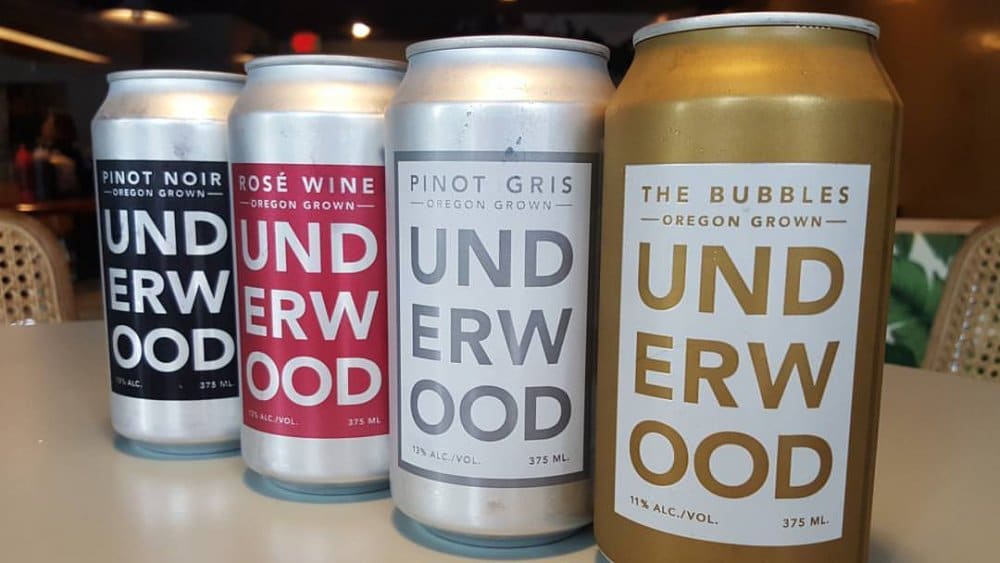
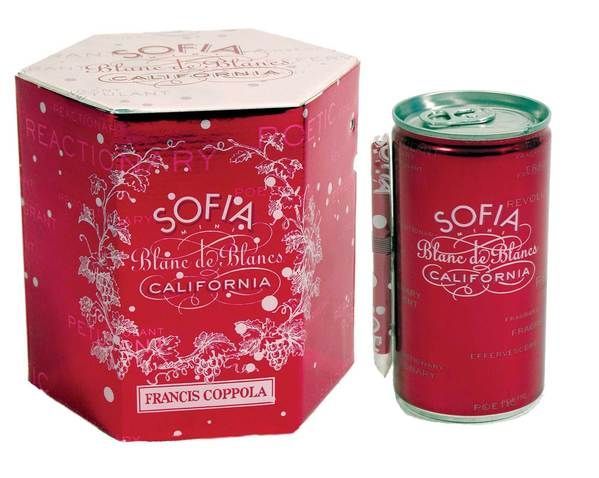
According to Nielsen, in 2019 canned wine consumption soared by 68% in the United States, moving a sales volume of over 183 million dollars. It is estimated that in this country about a thousand wineries have already signed up for the production of canned wines and that consumers can now choose up to 4,000 different wines in cans. The Californian winery founded by Francis Ford Coppola is one of the companies that have achieved success with their canned wines under the Coppola and Sofia brands. Several specialized magazines in the sector, such as Food & Wine, already produce rankings of the best canned wines made in the United States or in countries like France and Australia. Among the most prominent brands are Underwood, Sofia, Santa Julia, Sans, Beach Juice, Oskar Blues, Movo, Lubanzi or Mancan.
The precedent of Cavas Hill
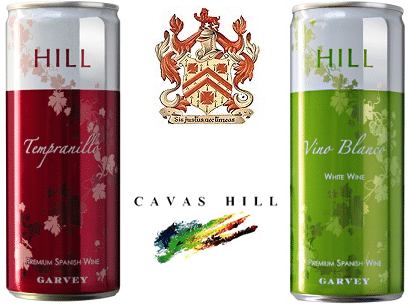
It must be said, however, that this is not the first time a company has tried to popularize canned wine consumption in Spain. In 2008, the also Catalan Cavas Hill, which at that time was owned by the defunct business group of the Ruiz Mateos family, launched a white and a red wine in a can. The product was presented with great expectation at the Alimentaria Fair, but it never caught on in the market, although more than 300,000 units were sold. Now Joan Anton Romero will try to succeed again with Glass. We will see if he achieves it.
Add The New Barcelona Post as your preferred Google source for free
Stay informed with the latest news.
