With more than a hundred years of history, this is the most emblematic vegetable of Baix Llobregat and, in reality, it reigns in all the crops of the Llobregat Delta, occupying, according to data from the El Prat City Council, more than 500 cultivated hectares throughout the region. This is thanks to a land rich in minerals, promoted because the delta of this river, like all deltas, is a terrain that over the centuries has accumulated sediments and has become rich and fertile. In addition, both the moderation of the Mediterranean Sea and the heat provided by the mountains of Collserola, Garraf and Montbaix-Montpedrós favor moderate temperatures and, with them, high-quality productions far from frosts.
All these phenomena mean that metropolitan Barcelona has a vegetable richness from which markets and restaurants benefit; because, as detailed in El Prat, most of the production of the Prat artichoke is destined for Mercabarna for metropolitan consumption. "Thus, the artichoke that has been harvested in the morning, after a few hours, is for sale at the stalls of the different municipal markets," they detail.
In the city of Barcelona, the artichoke enters discreetly and stealthily into many dishes, especially as a secondary actress, but also in many cases as the frank protagonist of a gustatory spectacle with very particular derivatives. In El Prat itself, at kilometer zero in the strict sense, is Céntric Gastro, which offers Prat artichoke risotto, pota blava and roasted juice to lick your fingers, as well as organic beef tataki, demi-glace and Prat artichoke to enjoy this ingredient with a meat to match. There is also baked artichoke with bacon carbonara for the most gourmet.
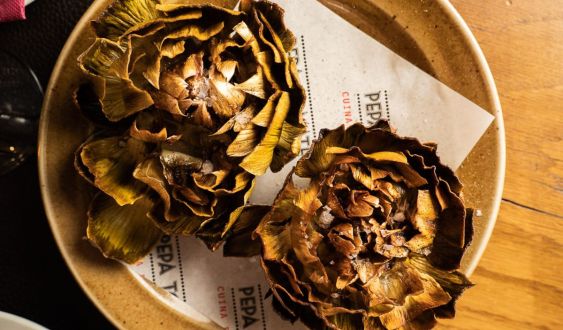
Likewise, now that it is still time for calçotadas for a few more days, artichokes are in grilled dishes that are served following the narrative based on fire and seasonal vegetables, like another dancer. This is the case of the Cal Pupinet restaurant, in Castellbisbal, which serves halves to share in a group.
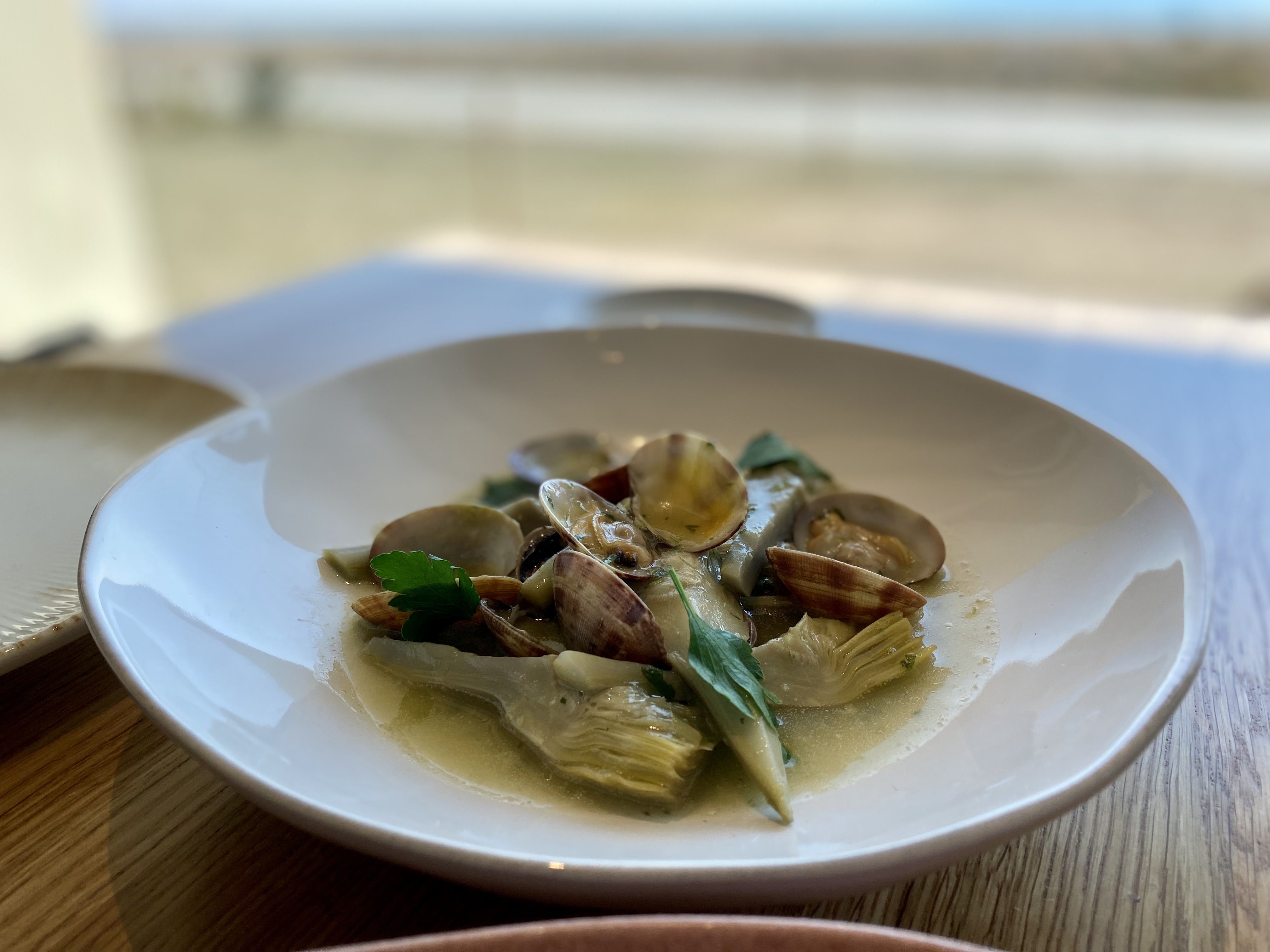
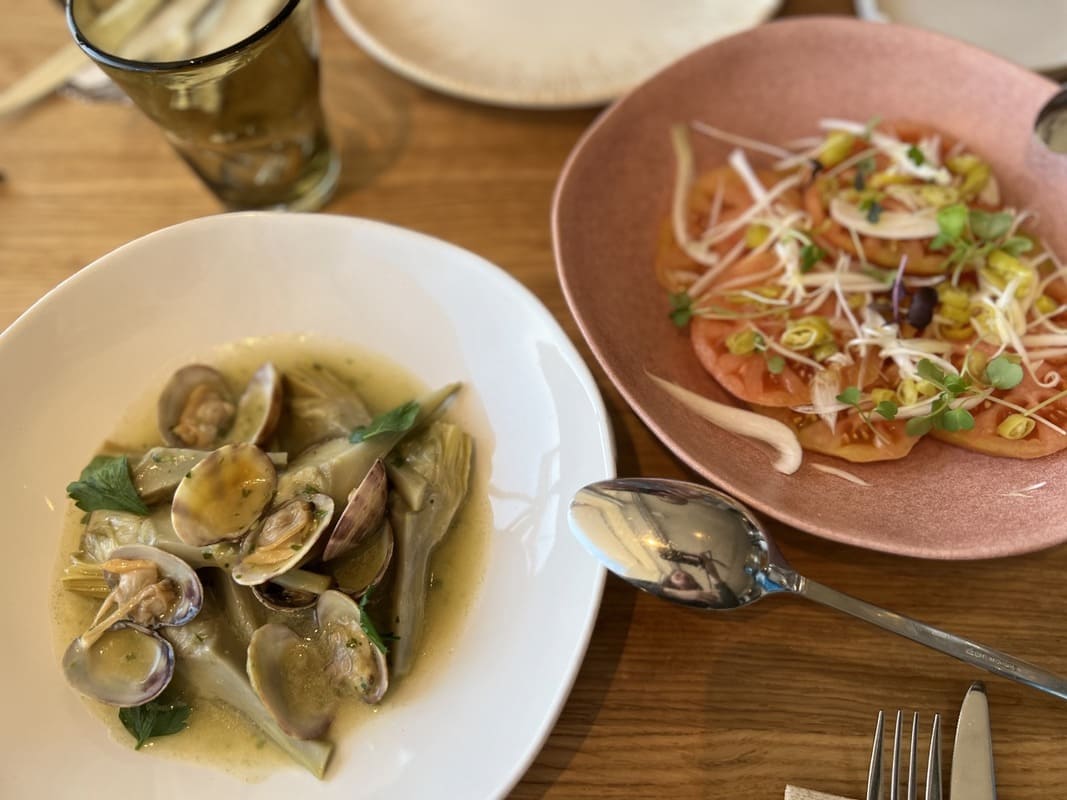
Now, its preparation as a main ingredient has very daring suggestions, such as the proposals made at the Solraig restaurant in Castelldefels, part of the Tibu-ron restaurant group, which is very present in the town. There they serve them cooked with clams in a dish as simple as it is effective; and also confited with foie and fried egg to jump to another dimension. At Masía Villalonga in Sant Cugat del Vallès, they propose tasting seasonal artichokes based on hearts with a creamy Payoyo cheese and crispy Iberian ham.
Also in the city of Barcelona, the artichoke is a successful ingredient and is eagerly used by restaurants like Pepa Tomate. Its executive director, Gerard Sucarrats, explains that the artichoke brings to their menu the value of being "a seasonal and local product," as they only use the Prat variety. He also highlights that its presence allows for a vegan option on the menu.
"The artichoke can be prepared in many ways and the flavor varies depending on the cooking; with the same product you can make different proposals during the season," remarks Sucarrats, although he regrets that this year this product arrives in smaller quantity and quality than other years, due to lack of cold, in addition to costing up to five times more than usual this year.
The artichoke also has this season a most ambitious suggestion at Dos Palillos with an artichoke tempura with coffee and lemon, which allows enjoying the flower at its peak and is one of the desserts on the restaurant's tasting menu.
The legend of the thistle
According to a legend from Elizabethan England, the artichoke was created when a very beautiful woman angered the gods and they turned her into a thistle. Since then, doctors began to prescribe artichokes to restore men's libido. This product, which has been in our country for a hundred years, was already consumed in 15th century Italy, coming from Sicily and being a common ingredient in Tuscany.
According to the consensual history for this ingredient, it was through the marriage of Catherine de' Medici to Henry II that it was introduced to France, thanks to his adoration for artichoke hearts. From France it jumped to America and it was not until the 19th century that agriculture in Baix Llobregat embraced it with the arrival of irrigation, with crops that began to spread in the early 20th century.
Add The New Barcelona Post as your preferred Google source for free
Stay informed with the latest news.