[dropcap letter="L"]
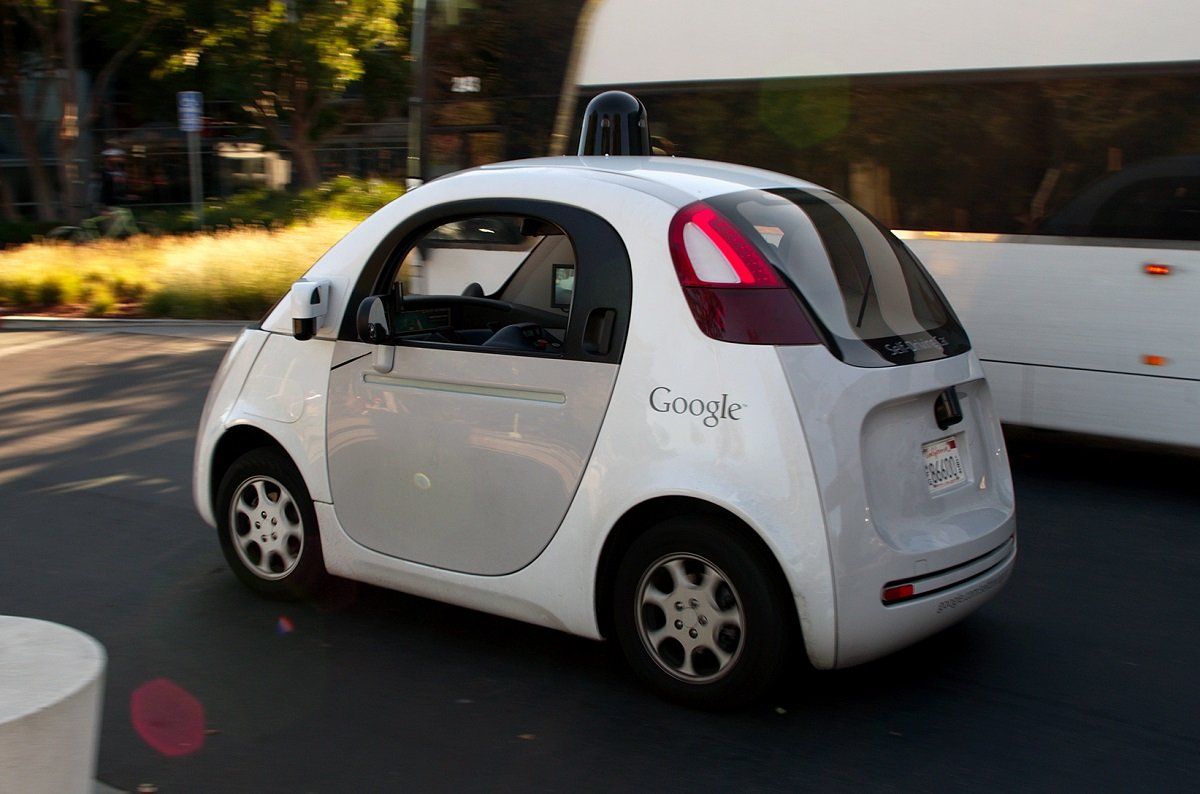
The three pillars that half a century ago sustained the American commercial empire (retail sales of department store products, the manufacture and sale of automobiles, and the film industry) have been or are being radically transformed by Silicon Valley. The consequences are of all kinds, from the definition of new consumption niches in the market to the abandonment of old distribution models. Think of what Amazon has meant for Woolworths and Sears, or what the irruption of the autonomous vehicle developed by Waymo, a Google company, will mean. And Hollywood? The increasingly intensive application of CGI (computer-generated imagery), and the still tentative but growing use of algorithms for the production of plot elements, from storylines to scripted sequences, portends, perhaps dystopically, a film industry capable of someday dispensing with its most glamorous, but also occasionally less docile and very onerous component (the temperamental stars), and the always demanding and non-conforming screenwriters. This remains to be seen, although there is already some indication of what is coming on that front. For example, Peter Cushing, resurrected twenty years after his death and made to wander through one of the innumerable Star Wars franchises.
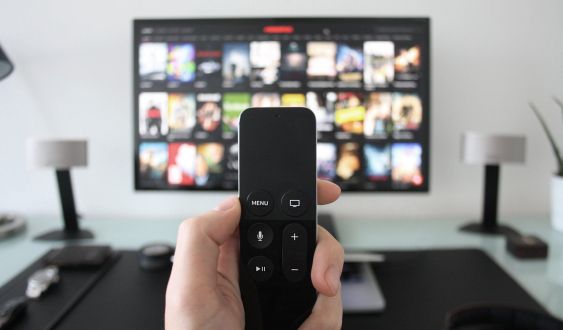
What is certain is the combined effect of an old format (the television series) and the new platforms for distributing digital products, which in some cases also emerge as content producers. Just four years ago, although it already seems like half a century, Netflix, until then dedicated to streaming at a flat rate of audiovisual products from conventional or cable television channels, produced its first series, also under the baton of a renowned Hollywood director: David Fincher's House of Cards. The success of this series, a remake of the eponymous British series from 1990, is measured in Emmys (with 56 nominations in 2016) and undoubtedly adds to the long list of those that make up what some call the third golden age of American television, with previous milestones such as The Wire, The Sopranos, or Breaking Bad, but it is also explained by the absolute innovation that its non-serialized distribution represented. Indeed, Netflix, which currently invests more than 6 billion dollars annually in content development, applied for the first time in House of Cards the formula it has since repeated with all its productions, from Orange Is the New Black to Narcos or Daredevil: the simultaneous release of all episodes of each new season, with which this company has boosted the formula of binge-watching, marathon viewing sessions of serialized products previously practiced by a minority addicted to certain series who were able to watch or re-watch entire seasons in DVD format. According to a recent study, almost two-thirds of American teenagers currently binge-watch series for five hours straight at least twice a month. And based on my own experience, I suppose that not a few adults are also capable of succumbing to this guilty pleasure.
Amazon and Hulu have joined Netflix as producers of audiovisual content, generally of good cinematic quality. As the production of old television networks (conventional or cable or satellite) has continued its unstoppable march, the current panorama is one of plethora, if not inflation: when it ends, this year will have offered a total of 500 series in all genres, which represents an increase of 40% compared to 2015. There are also appreciable effects on writing modalities. With serial consumption almost completely disappearing, the narrative structure of some series incorporates the binge or marathon factor, and it does so to the detriment of one of the great achievements of series like The Sopranos or The Wire, which linked them to great cinema or even the novel: the integrity and coherence of the whole as a result of the slow maturation of situations and characters. In all cases, however, one can speak of a revolution that affects the entire industry chain, from conception and writing to distribution and consumption. The viewer has increasing freedom to choose or discard content, and there are creators who are beginning to produce independent series, such as the little gem by Louis C. K., Horace and Pete. Undoubtedly, in the face of what is politically and nationally correct, all new freedom is welcome.
Add The New Barcelona Post as your preferred Google source for free
Stay informed with the latest news.