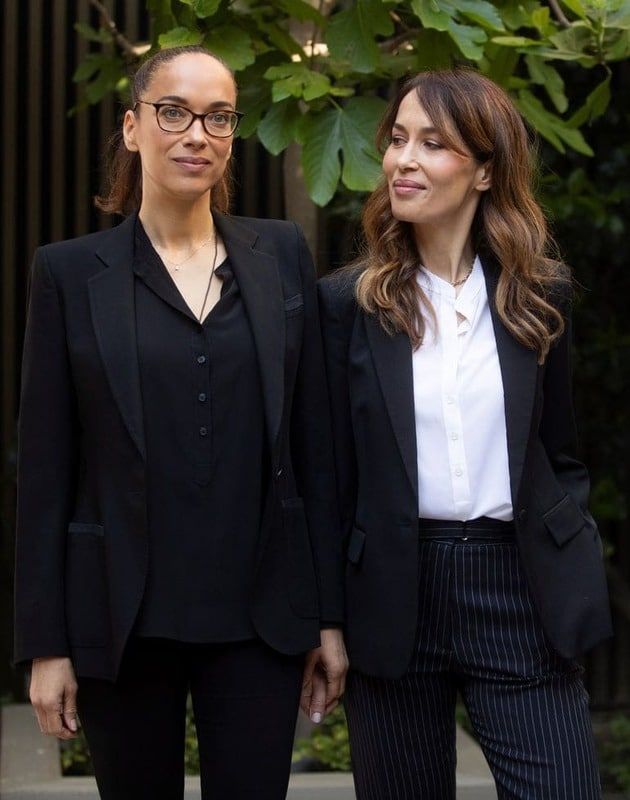
The Barcelona International Film Festival spent its first weekend with great animation, among other things due to the presence of Johnny Depp, Isabelle Huppert and Carmen and Dolores Chaplin, granddaughters of Charles Chaplin, who came to present the documentary about their grandfather. Now the festival changes big names, but not animation. Fernando Trueba, Fernando Colomo and Karra Elejalde come to present their films and give it speed on its home stretch.
Isabelle Huppert and Mama Weed, the surprising and fun film she brought with director Jean-Paul Salomé, have enjoyed their days in the city with style and good cheer. The film, for its spontaneity and its touch of amorality in dealing with a story about police and drug traffickers, and the actress, for her cultural curiosity in Barcelona, as she has dedicated her free time to visiting places like the Palau Güell and the MNAC. Johnny Depp, with a reputation for squeezing his presence wherever he is, and not precisely in cultural aspects, has not found a city up to his enormous capacities for fun, but he does leave the suspicion that if the city had had the atmosphere and animation of other less "correct" times, Depp might have registered here.
While Forgotten We'll Be and Polyamory for Beginners, Trueba and Colomo's titles, are already settling into the festival, the Official Section of the Festival has offered several films of notable interest, such as the Franco-Belgian Small Country, by Eric Barbier; My Salinger Year, by Philippe Falardeau; Yalda, a Night for Forgiveness, by the Iranian Massoud Bakhisi, or Wife of a Spy, by the Japanese Kiyoshi Kurosawa. Without intending to bore the reader about "the filmic fact", we offer below a small sample of the virtues of each of these films so far apart (one in Burundi, another in New York, another in Iran and another in Kobe, Japan), but now so close and within reach, there in the Verdi Cinemas.
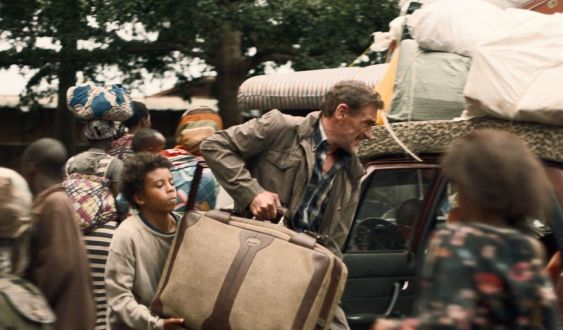
Small Country narrates the story of a Belgian family (the mother is Rwandan) during the massacres between Hutus and Tutsis in the early nineties. The story is terrible, although its harshness is tempered by the prominent perspective of the family's ten-year-old son. Although the events, causes, and genocide are difficult to comprehend and digest, the film reveals some racial and social keys. It is not only interesting but also impressive.
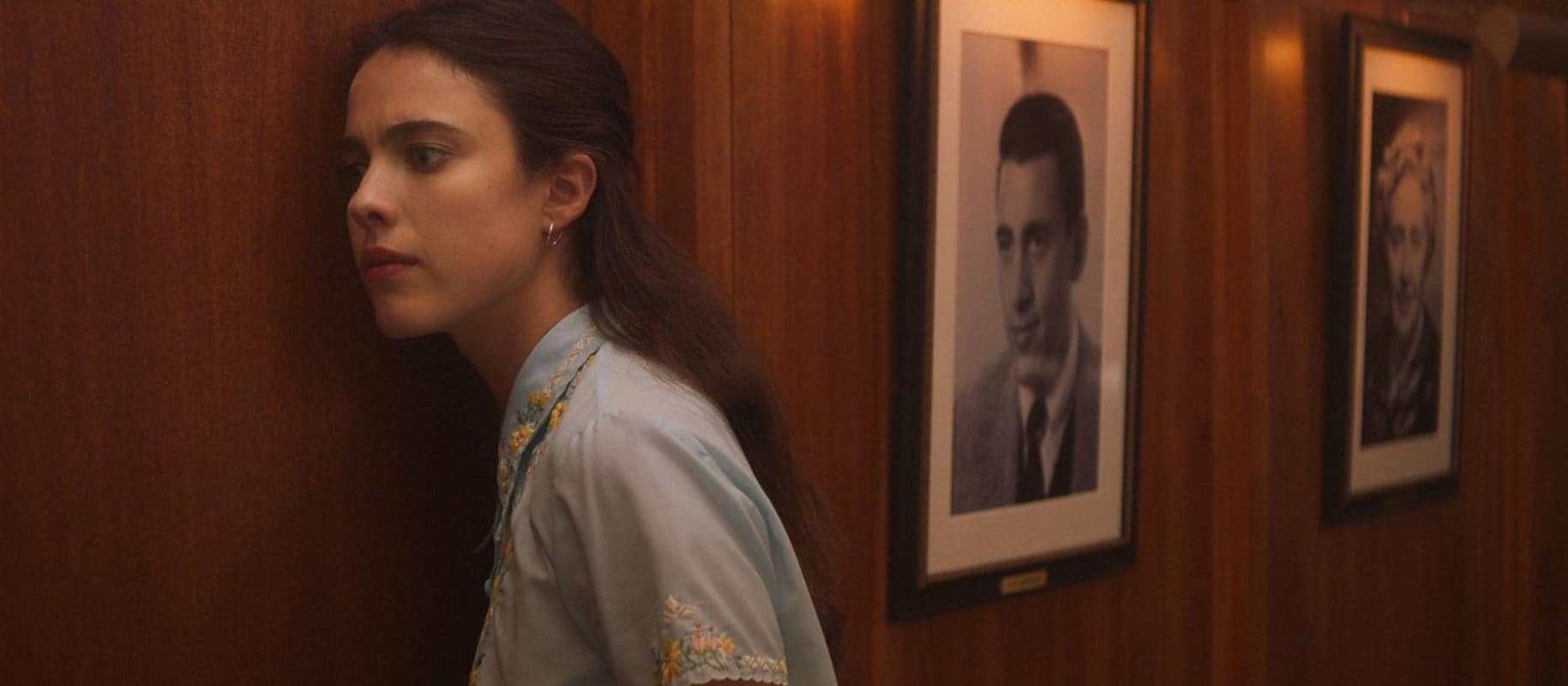
My Salinger Year completely changes in tone and setting; it is a dramatic comedy about a young writer who starts working at a literary agency, but not just any agency, but the one that handles the rights to that literary unicorn called J. D. Salinger. It is fresh, uninhibited, melodramatic, and builds a strong relationship between the severe Sigourney Weaver, a kind of bulldog owner of the agency, and the young actress Margaret Qualley, with a physique very much like Andie MacDowell (her mother) and a very soft role that would serve to wrap a dozen cream puffs.
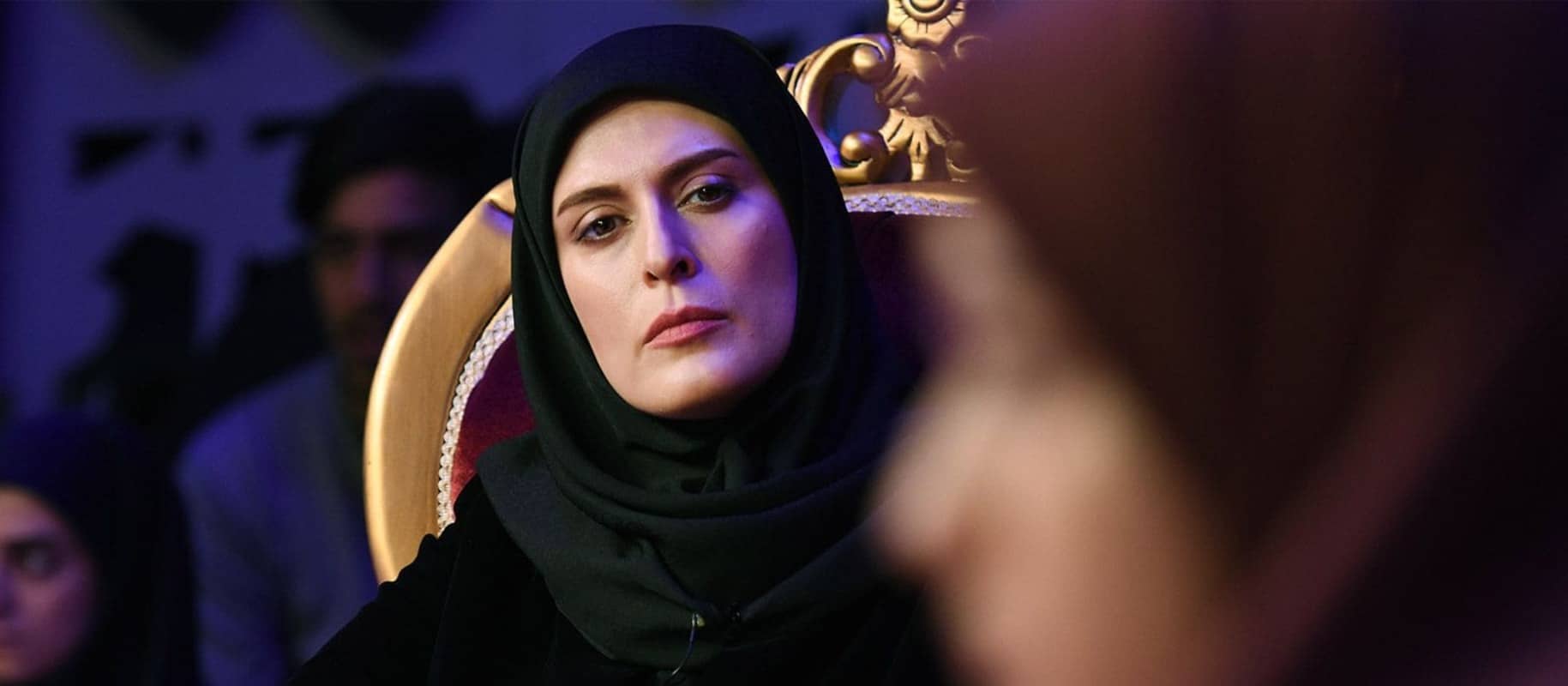
Yalda, a Night for Forgiveness has the virtue and interest of transporting us to present-day Iran, where a young woman condemned to death for killing her old husband faces, in a television program (a bit like the "Tomates" here), the person who can grant her forgiveness, the deceased's daughter. Both the exposition of the facts and the staging are fascinating, as the seriousness of the events is mixed with the triviality of the television program: viewers vote for or against the forgiveness of the death penalty!... In short, in addition to being an unusual film, it is an invitation to reflect on morality, cultural and social diversity, and the idea that "telecinquismo" also needs a global vaccine.
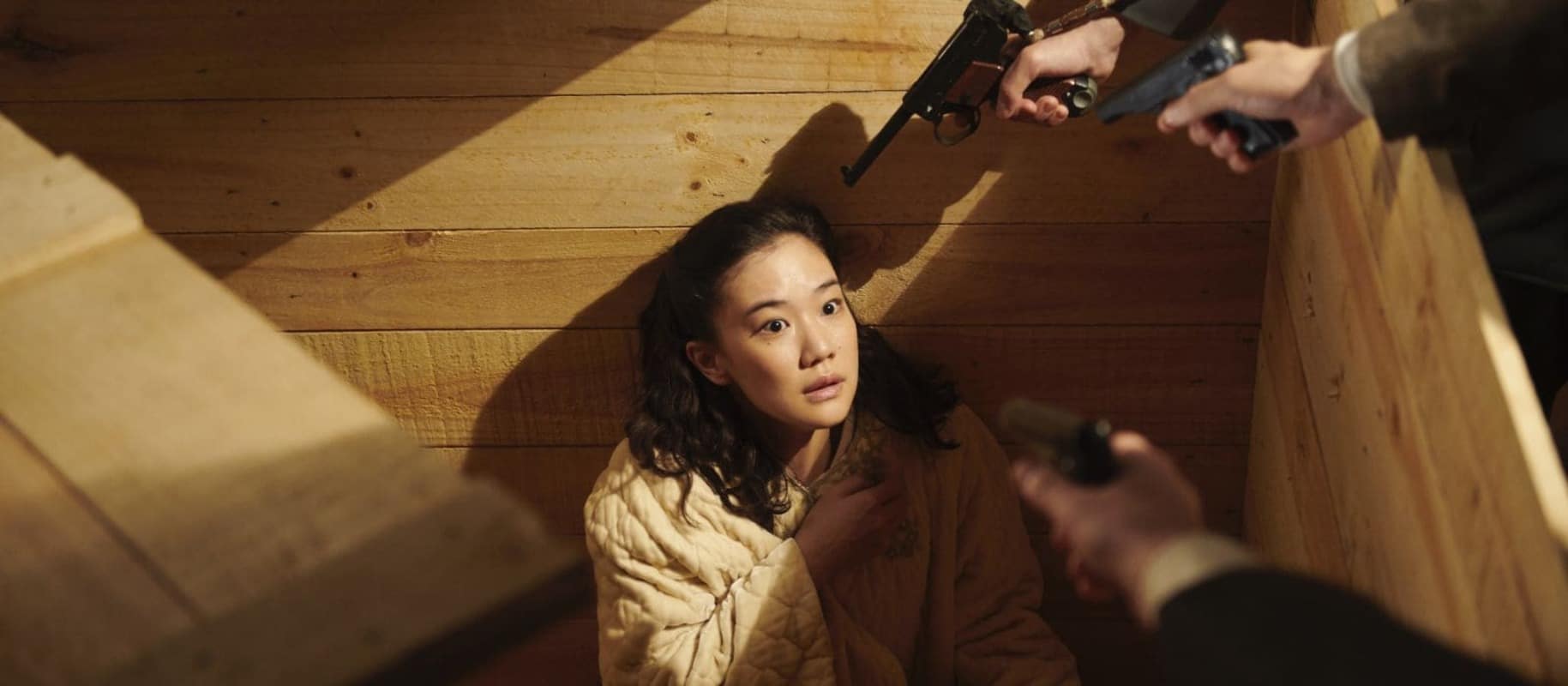
Wife of a Spy is literally a marvel, directed by veteran Kiyoshi Kurosawa (nothing to do with the classic filmmaker), and tells a story at the dawn of World War II with enormous aesthetic precision, with great pre-war and emotional intrigue, and with classic characters that exude nostalgia and style. There is much political intention and a vocation for thriller in the folds of the plot, and its leading couple, Yû Aoi and Issei Takahashi, are and are splendid, especially her (Yû Aoi), with changes in temperature, tone and direction in her character that keeps the viewer as bewildered and perplexed as Johnny Depp between Barcelona curfews.
Add The New Barcelona Post as your preferred Google source for free
Stay informed with the latest news.