
In the startup world, founder and entrepreneur are often used as synonyms. But they are not. There is a subtle, yet key difference. The founder is linked to the creation of a specific project: their identity changes, evolves, and consolidates alongside that company. The entrepreneur, on the other hand, is linked to movement. They build, launch, learn, adjust, scale or sell… and start over.
One remains tied to a single company; the other gets on, again and again, the roller coaster of iteration. Understanding this difference is important for investors, for ecosystem agents, and for the founders themselves. It's not just a semantic issue: it defines how growth, risk, and the true ability to launch more than one successful project are understood. When a founder allows a single project to define their entire identity, ambition and innovation can dilute almost by inertia. We need intermediate spaces, boredom, and failure ---the "F-word" of our generation--- to build something with true depth.
Today, the concept of serial entrepreneur seems to be dominated by tech bros: funded by venture capital, driven by testosterone, and often more noisy than wise. But the reality is much simpler: mindset matters more than hype. It's about embracing movement, taking the hits, and getting back on the horse to start over. In fact, in Silicon Valley, and especially in more masculinized environments, failure is almost perceived as a rite of passage.
For women founders, the relationship with failure is especially complex, and I, as a founder, understand it well. Last year in Europe, startups founded by women captured only 12% of the total venture capital, leaving 88% of the pie apparently reserved for tech bros. Structural imbalances often tie first-time founders to their initial project, forcing them to prioritize operation over creativity and increasing the risk of burnout.
Ironically, the curiosity, courage, and imagination that give rise to a project often get lost along the way: what I call the early years of identity obsession. Now, some investor might be thinking: "But we want obsessed founders. We want results. 10X!" Sure. Of course. But here's the key: an experienced entrepreneur knows how to generate those results, whether by executing them herself or by building the right operational team and, crucially, knows when to evolve and start building again.
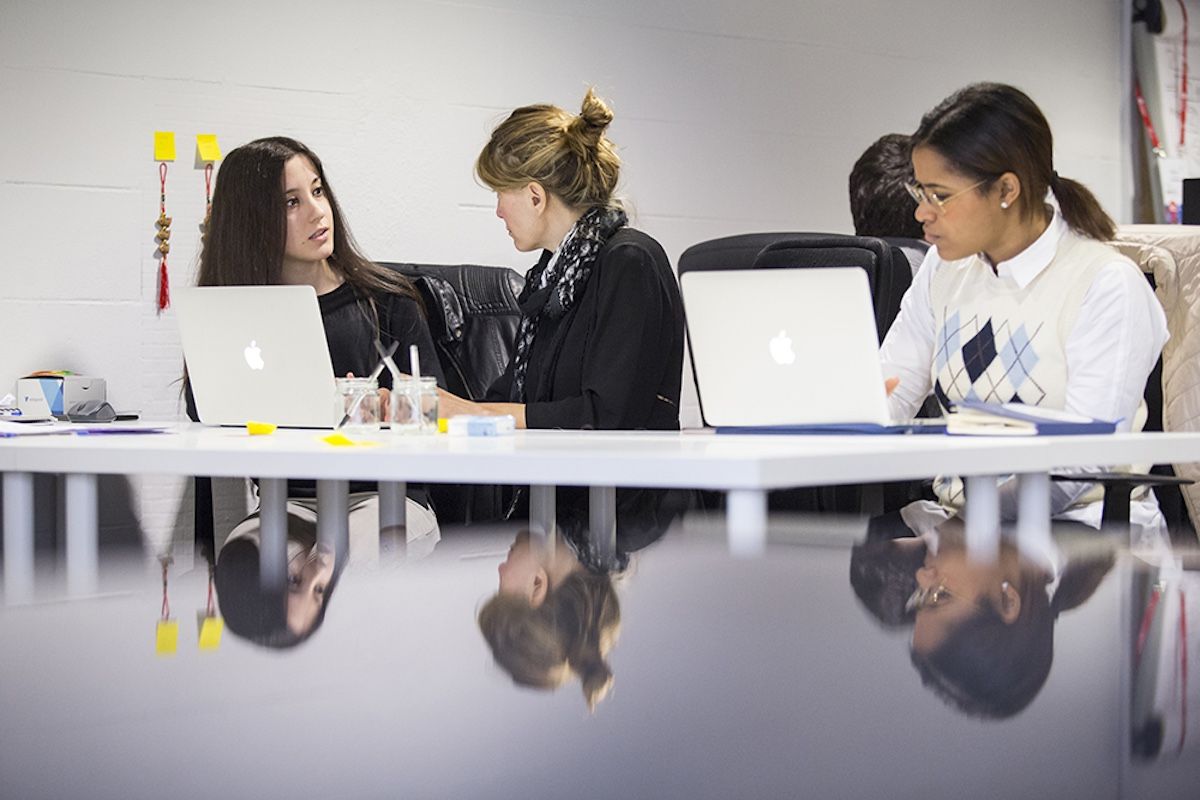
In 2026, I want to see a new generation of women founders embrace the mindset of the serial entrepreneur: free from ties, creative without asking permission, future-oriented. With the right support, access to capital, and role models who have experienced both exits and failures, they will be able to grow their current projects —or recognize when their cycle has ended and their identity is ready to evolve— while already imagining the next big idea.
This mindset is not just about individual success. It's about collective resilience, impact with courage, and shaping the future. Barcelona, Europe, the world: we need entrepreneurs in motion. Not tied to a single project, not paralyzed by the fear of failure, always iterating, always building, always moving forward.
Repeat after me: Create. Iterate. Fail. Repeat.
The next big milestone in entrepreneurship is not behind us: it is always yet to come.
Add The New Barcelona Post as your preferred Google source for free
Stay informed with the latest news.