--- When you started studying, there were few female cartoonist role models. How did you make your way?
--- I didn't have female role models. So, you don't say: "I want to be like her." And if I saw cartoons by Forges or El Roto, it didn't even cross my mind that it was a human who worked eight hours a day doing this. Thanks to social media, you can do whatever you want and you have your audience, without intermediaries. So, it starts to be liked, it starts to be liked… And it's the newspapers that come looking for you.
--- You quickly distinguished yourself by making clearly feminist cartoons.
--- I started making humor or self-referential cartoons about women who read. I found a goldmine there. First, because my mother, my sister, and I grew up reading a lot. I knew perfectly well what I was talking about. Women who read are very proud of it and we like to see ourselves represented. There was no one talking about this. And that started to go up, up, up…
--- Thanks to social media?
--- Yes, yes.
--- Have they been allies for you?
--- I just don't know any other way. I opened Facebook, I think, in 2010. The Flavita Banana page had 150, 200 people, most of whom I knew… But that, suddenly, blew up.
--- Those women who read, suddenly, had someone to represent them.
--- I used it as a Trojan horse, a bit to say that this represents me. I could then start to relax and believe that I could include humor. Thanks to seeing positive feedback from the public, you can get emboldened and start doing the things you like and experimenting.
--- You always work from a feminist point of view, but lately you've been working on a different range of topics.
--- Now what I try to do is touch on any topic, but with the characters being women chatting. It's curious that many people think they are cartoons for women because women appear, even if they are talking about Sunday's match. People still associate men as neutral characters. People prefer to read cartoons where two animals talk than where two women talk. Think about it: Calvin and Hobbes… Or mythological beings or superheroes.
--- From starting on social media, you've become one of the cartoonists for 'El País'.
--- I worked first at Orgullo y Satisfacción (Pride and Satisfaction), then at S Moda magazine. Suddenly, in 2018, Forges died, who was one of the three cartoonists for the newspaper El País. They called me and, the next day, I started working. I can do whatever I want, it's a mix of many things. I try not to do current events, because I don't like it. Cartoons expire and I can't put them in a compilation. I don't like to take advantage of misfortunes to do something well done. Imagine I make the cartoon of the century about Gaza and I even get awards. I couldn't. And that's what most people do to make it go viral. When there's a topic like that, what you have to do is think. Earning money or applause, no.
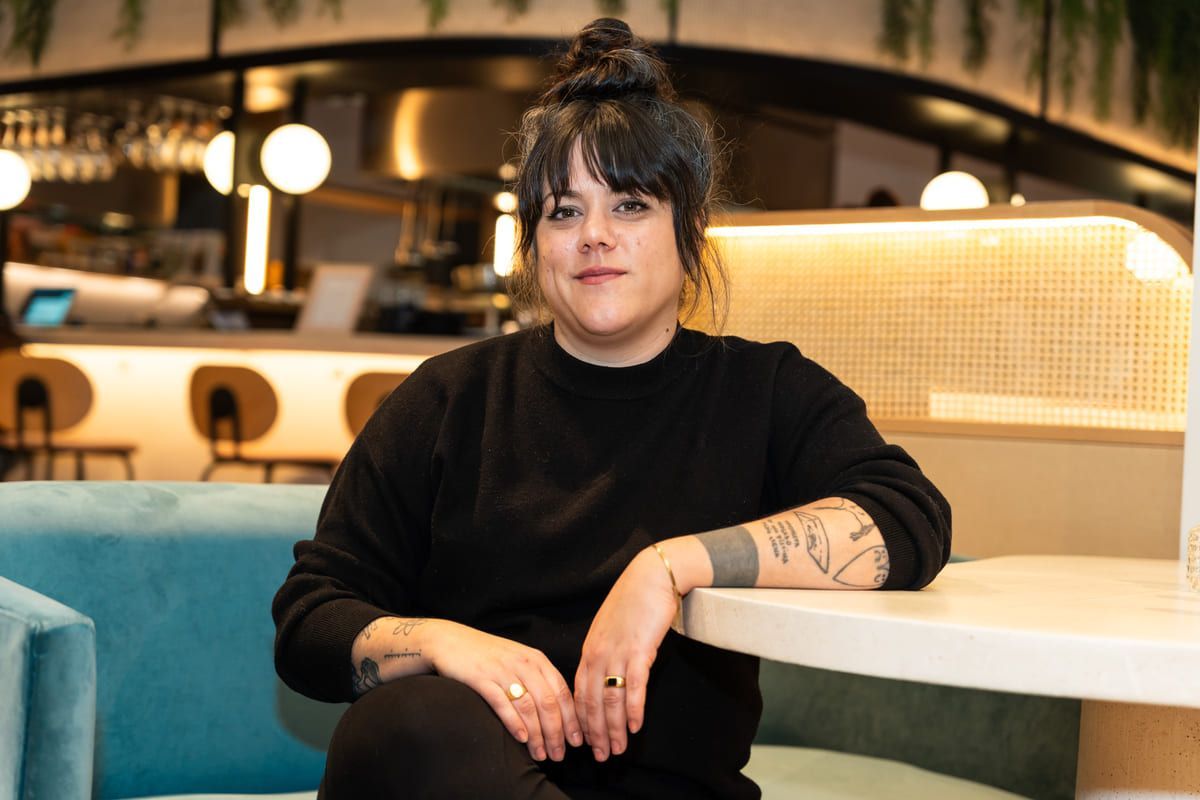
--- All the audience you had on social media was rather young. In El País, not so much.
--- They are starting to like them. But I don't blame them. It's normal. Since its founding, the newspaper has had male cartoonists. I came in occupying Forges' place, who was the favorite. And I was a woman and young. The luck of having grown up and studied without a mobile phone and without social media is that you have patience. You don't want immediate success or recognition, which is receiving likes. You think long-term. Last year I received an award that, in 50 years, they have only given to men.
--- On your website, you say you are defined as "a cartoonist of sad humor, between costumbrismo and absurdity." What is that sad humor?
--- It's the way of treating topics with the cartoon that at first makes you laugh. And you say: "Look, that's me!" But then you immediately say: "Damn, that's me…" That is, it provokes both sensations. First one and then the other. Or vice versa. Because it's a tough topic, but then you smile… It could be humorous sadness, instead of sad humor.
--- In some interviews, you have explained that you took antidepressants and that it was often hard to understand that a person with depression could dedicate themselves to humor.
--- I think it's common. I was very depressed during phases and periods, depressed with anxiety and everything was terrible. Now I'm well enough to look at it from a distance and even laugh. I have limits. There are topics I wouldn't draw. Anything that has to do with children suffering, I don't want applause. Many people say that there are cartoons that have to be made because otherwise, people won't receive this topic. If I make a viral cartoon, the only one who wins is me. People already reflect. I'm not going to change anyone's opinion.
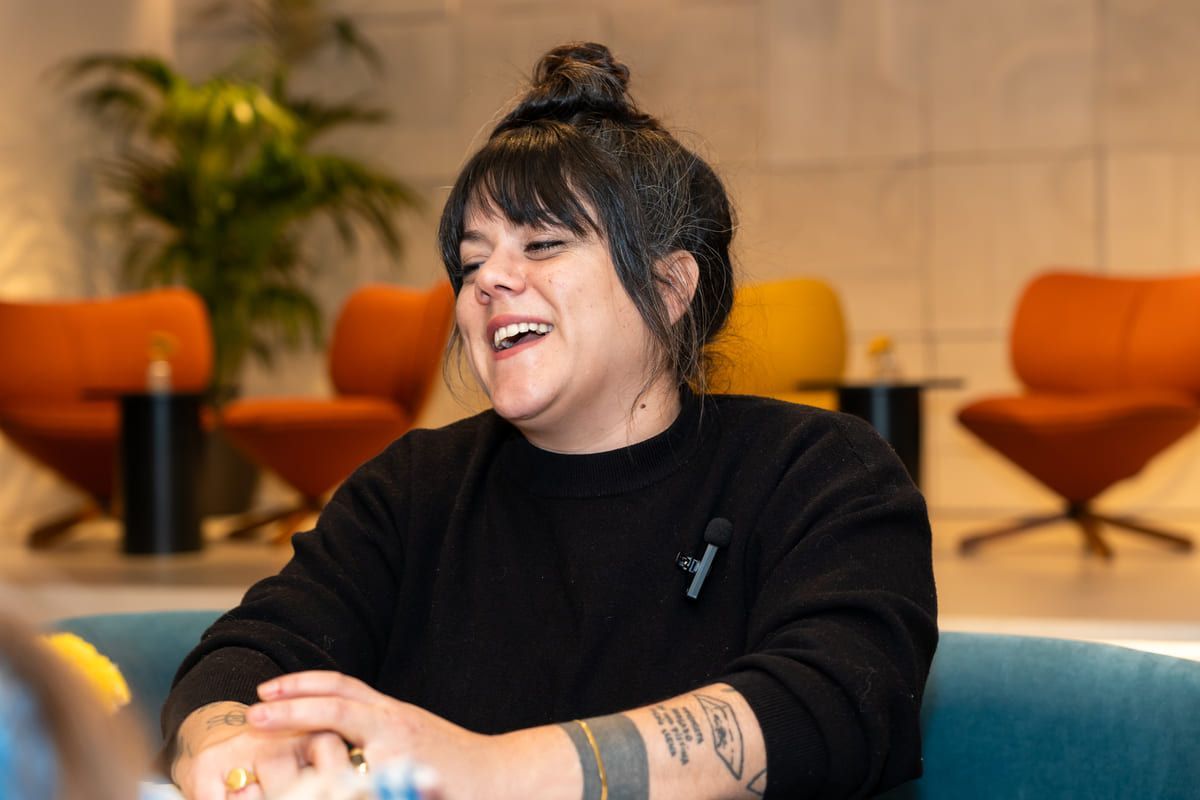
--- Do you think there are certain limits to humor?
--- No, I don't think humor has limits. Humor is a language, a tongue, it's something fluid. We've all made harsh jokes in private. We must set limits for ourselves, taking into account who we are talking to and what the moment is. There's a limit I set for myself, which is not to gain benefits or notoriety regarding a topic that truly drives me crazy. Everything that has to do with children paralyzes me.
--- You are aware that there would be cartoons that if you made them, you would kill it, but you shy away from that.
--- I don't look for too much money, nor to please everyone. This is dangerous. If you go up too fast, you'll fall just as fast. We could try to remember viral things from 3 years ago and we would be incapable. When I started getting a lot of followers on Instagram, I got scared. If I had a million followers, I would get scared. I would mess it up a bit so half of them would leave. (laughs)
--- And that they would cancel you.
--- No, not that! It's the boogeyman for cartoonists.
--- Another sword of Damocles that illustrators have is precariousness. Do you live with the fear that one day it will return?
--- Not anymore. But I have lived it, of course. I've worked every kind of job. I've worked all the varieties of waitress you can imagine, street surveys, helpdesk, I've been unemployed, eaten rice... But ambition helps you get ahead. I always emphasize that it is very important for young people today to be ambitious. Which is something that has been assigned, especially to women, as something negative.
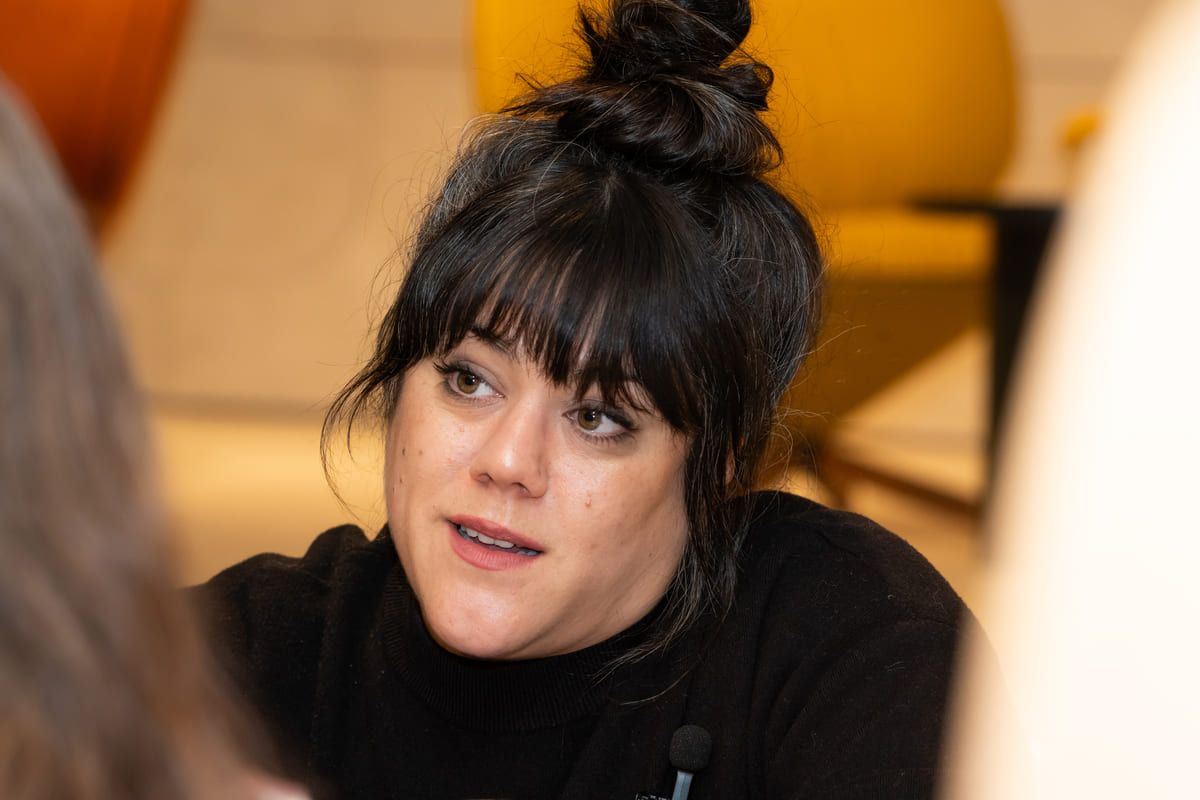
--- You said you didn't have role models. Do you notice that for new illustrators, you are one?
--- I think so. This is the grand prize. It weighs, it overwhelms... There are types of people and there are types of characters. And I think mine, the tone, very forward, sloppy, sometimes foul-mouthed, conceited, confident... There are many girls who are like that and who think they are loudmouths... I feel better thinking that I help with this.
--- Do you receive a lot of hate? Does it have sexist connotations?
--- Yes. I'm very sorry, but they are women. And I don't believe in the maxim "the most sexist are women." No, the most sexist is patriarchy. Patriarchy can be of men or women. It's not our fault, it's the system, but this is the system that must change.
--- You studied at one of the most renowned art centers in Barcelona, La Massana.
--- Yes, it was expensive, it was private. My mother couldn't afford it and I started working. In fact, I spent my four years of undergraduate studies and three years of illustration, working.
--- How do you see Barcelona regarding art? Is it a city of artists?
--- Yes, it's a great reference. Because of the schools, because we have Massana, Eina, Llotja… There are many people from outside, people who haven't studied here, but who dedicate themselves to this… I believe the illustration scene in Barna is very big, because in the end we are a bit strange and we like to be among ourselves. A person who is a digital graphic humorist, feminist, in a remote village in Aragon, might say: "damn, I'm going to Barna." I believe now the country or city of reference is the Internet. There is no longer a physical place.
Add The New Barcelona Post as your preferred Google source for free
Stay informed with the latest news.