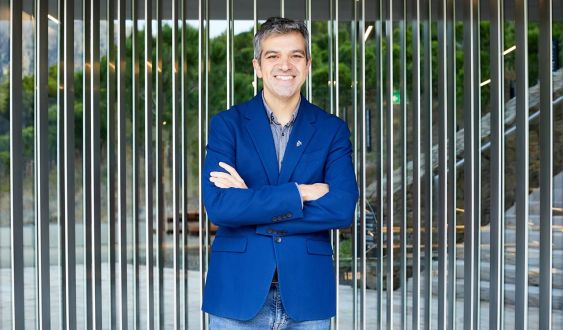
At a time when everything seems to be shaped by algorithms, ratings, trends and increasingly polarized opinions, Ferran Centelles proposes doing just the opposite: taking a broader view. One of the world's leading sommeliers, he is clear that at this moment, more than ever, the focus should be not only on the wine and restaurant service, but also on the diner and their experience at the restaurant.
Sommelier at elBulli for 17 years, and currently, a member of elBullifoundation and regular contributor tp the prestigious British critic Jancis Robinson, Ferran Centelles (Barcelona, 1981) has built a career that extends far beyond restaurant service to become one of the most respected voices in wine communication. His work combines scientific rigor with an extraordinary ability to explain wine from an accessible and engaging way, far from pretentious language and technical jargon. A way of making wine more accessible, aimed at diners increasingly influenced by trends, algorithms, and content creators.
After training at elBulli —where he “served more dishes than wines”—, Ferran has dedicated a large part of his career to researching how we live the gastronomic experience and what role wine plays in it. His participation in the Sapiens del Vino project, promoted by elBullifoundation, and his research on diner behavior have made him a great connoisseur and communicator of the secrets of what we drink, why we do it, and how our emotions and expectations influence every decision. Because, “wine is at its best when it manages to improve the experience of those who sit at the table.”
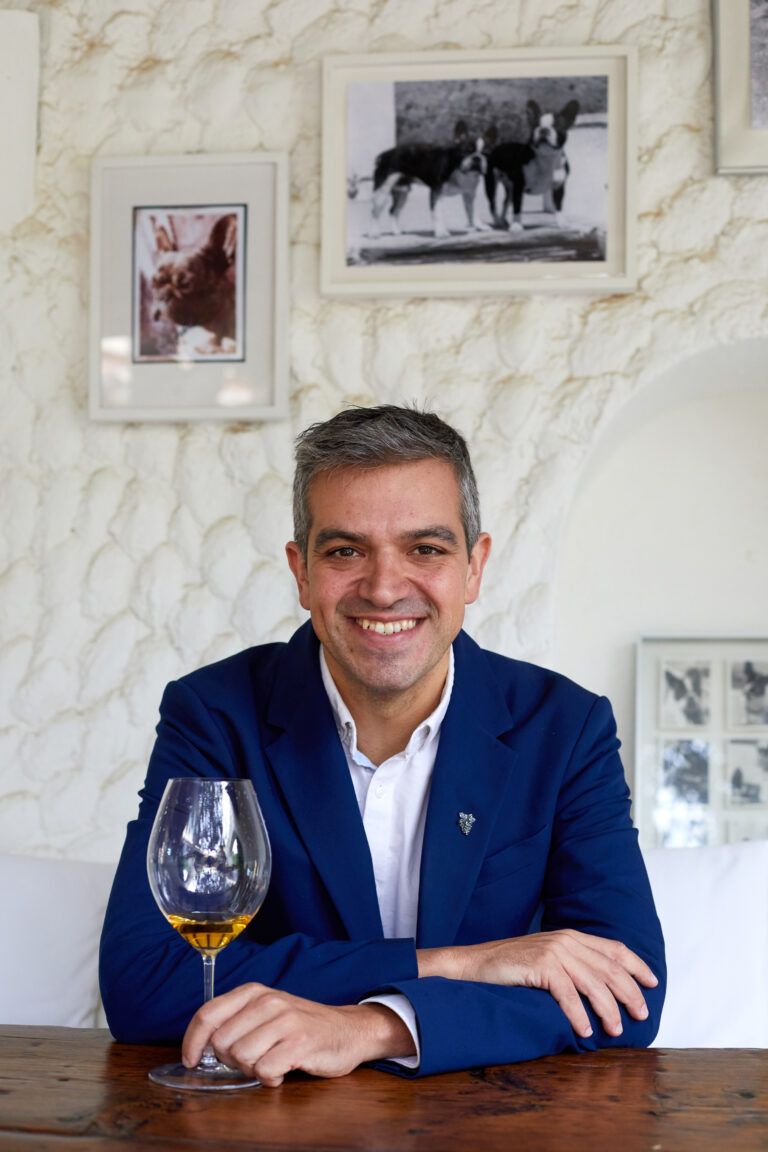
"To truly understand wine, you have to look beyond wine", he states. A phrase that could summarize an entire career. Because, after thousands of tastings and decades dedicated to sommelierie, Centelles is convinced that knowledge of wine also involves anthropology, psychology, history, art, or music. Only by understanding people can we understand what we are looking for when we sit at a table.
This change of perspective is at the heart of Sapiens del Vino. Volume VIII: The customer experience. One of its most revealing conclusions is that there is no single gastronomic experience. “There are as many types of experiences as there are diners, because each person arrives with different expectations, knowledge, motivations, and previous experiences.” Hence, for him, “the great challenge of the dining room is read your guest and adapt the experience to that person.” That's, he assures, “what great hospitality is all about.”
Perhaps that is why it is surprising that one of the most influential sommeliers on the international scene downplays the importance of wine in customer satisfaction. Before a great bottle, factors such as reception and welcome, the pace of service, the team's attention, or the restaurant's ability to make guests feel comfortable. Wine matters, of course, but always within a much broader experience.
"Less wine is drunk than a few decades ago, but there is also a growing interest in drinking better"
He also observes the technological revolution that the restaurant industry is experiencing from this perspective. He does not reject, quite the opposite, digitalization and artificial intelligence for managing wine cellars or keeping menus updated, but he maintains his intact confidence in the human element. “I don't believe that technology should replace the human part of the experience. A paper wine list still has a special magic and, above all, the conversation with a good sommelier is still the best way to discover a wine, understand a context, or find a bottle that delights the guest,” he emphasizes.
Drinking less
Rather than describing the current situation as a crisis, Centelles sees it as a shift in drinking habits. "People may be drinking less than they once did, but they are also drinking more thoughtfully. Everyday wine, without identity or origin, is losing weight, while distinctive wines, with a story behind them, and a clear link to the territory continue to appeal to consumers,” he adds.
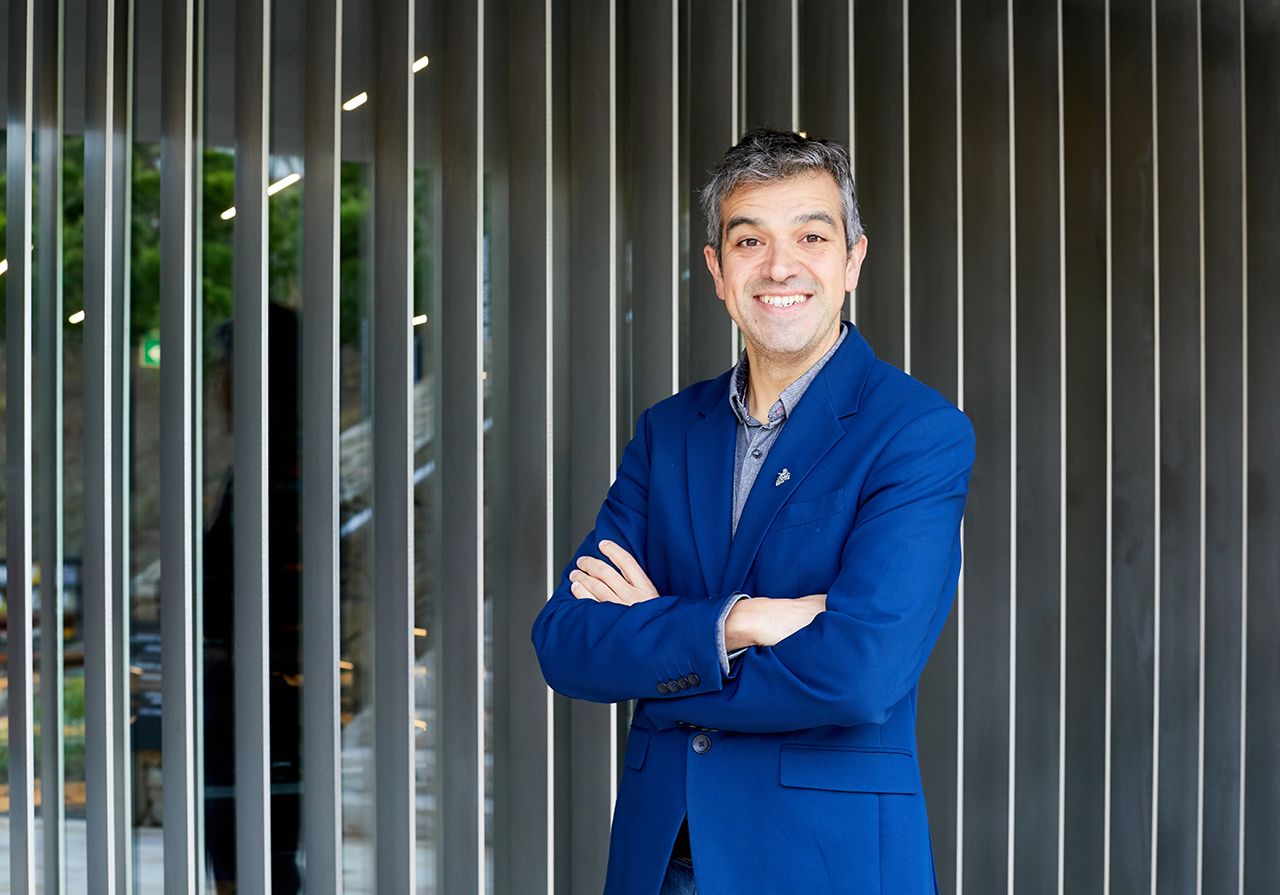
For this reason, Centelles believes that "the market will have to adapt to this new reality." In this sense, he believes that the option of serving more glasses than bottles will be more than a trend. But the most important thing is that wine will go beyond simple consumption. "In my environment, that of gastronomy, I observe that wine has ceased to be a simple accompaniment to become a cultural and hedonistic element of the experience," he adds. Everything leads, ultimately, to the same reflection. Wine has never been solely a product. It is culture, hospitality, memory, and conversation.
Wine as culture
Because Ferran Centelles talks much more about people than about bottles. For him, wine is, above all, a tool for sharing. "It is a social lubricant. An excuse to converse, celebrate, reconcile, or share time with others," he explains.
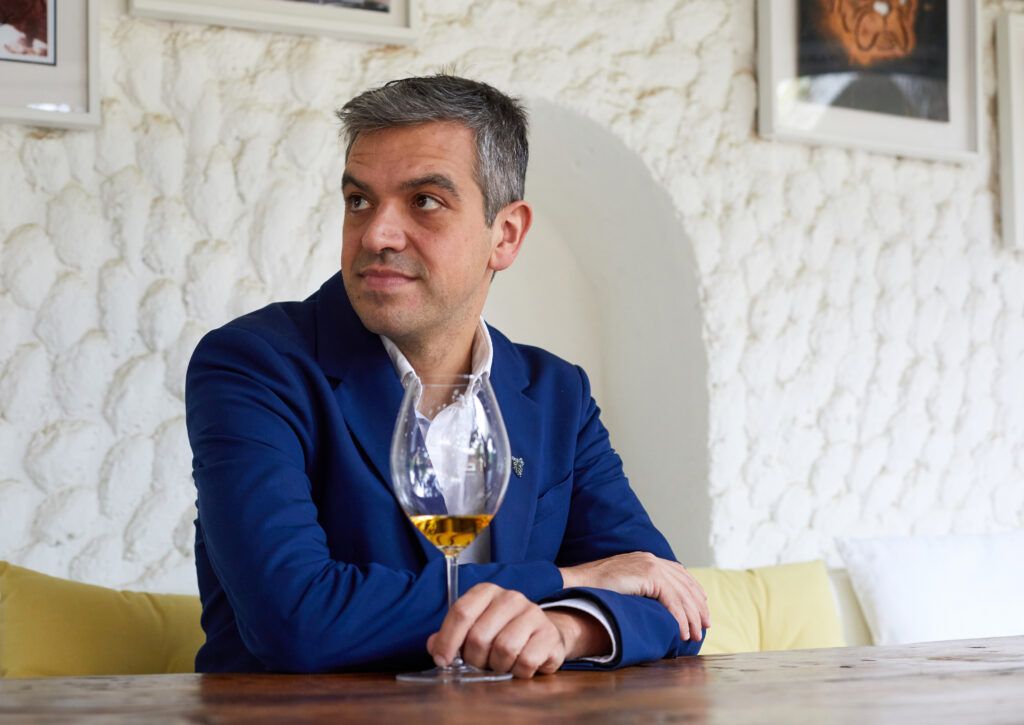
Perhaps that is why he also does not believe in absolute truths. Not even when talking about pairings. "There is a great classic that has never quite convinced me: foie gras with Sauternes. I know it is one of the most emblematic pairings in gastronomy and I perfectly understand why it has become so. But, personally, I prefer to accompany foie gras with a Riesling, an Albariño, or even a Sherry, wines that provide freshness, tension, and balance without so much sweetness."
"Wine is a social lubricant. An excuse to converse, celebrate, reconcile, or share time with others"
In fact, Centelles believes much more in sound pairing for wine. "There is a fascinating parallelism between wine and music. And it's not just a metaphor: numerous studies show that what we listen to changes the way we perceive flavour," he adds. "Master of Wine Janice Wang has extensively researched this phenomenon, known as sonic seasoning. Her work shows that certain musical characteristics can enhance specific attributes of wine: high-pitched sounds tend to accentuate the sensation of freshness, acidity, or floral notes, while low notes and slower tempos tend to reinforce the perception of body, maturity, or tannins. That is, the wine does not change, but our experience in tasting it does."
Because if there's one thing that's certain, it's that the world of wine is far more diverse than many people realise. Yet for many younger generations, it can still feel intimidating. Not so for the student, for whom Centelles left with a simple but powerful piece of advice: "A great sommelier is defined by a commitment to service, curiosity, kindness and the ability to connect with people. After all, we work in hospitality. Our job isn't to impress guests with how much we know, but to help them enjoy their experience even more".
Add The New Barcelona Post as your preferred Google source for free
Stay informed with the latest news.