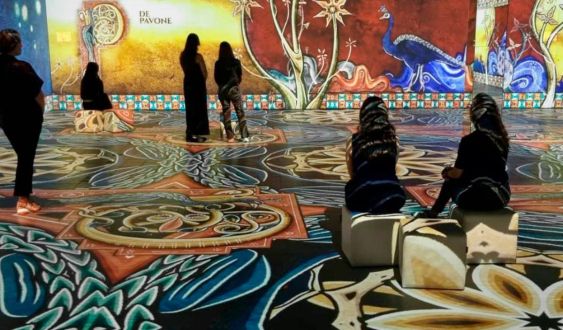
There was a time when the world ended where the eye could see, but from where imagination began to fly. A time where forests hid unicorns of unattainable purity and seas were dominated by sirens with hypnotic voices that could lead any sailor to perdition. This universe, which to the eyes of the modern spectator might seem a simple collection of tall tales or fantastic fiction, actually constituted the basis of the symbolic and moral thought of the Middle Ages.
Today, this worldview comes back to life in Barcelona thanks to a pioneering initiative that allows us to cross the threshold of time. The Centre d'Art Amatller, in an ambitious co-production with the MEV – Museum of Medieval Art of Vic, has opened to the public The Fantastic Library of Beasts, an immersive journey that reminds us that our current fears and wonders have much deeper and more distant roots than we think.
This collaboration is not a coincidence, but the result of an effort to connect two ways of understanding cultural dissemination. On the one hand, the MEV contributes its historical rigor and a heritage of medieval art that is an international reference; on the other, the Centre d'Art Amatller deploys its ability to use technology as an emotional bridge to the past. The project inherits the spirit of the exhibition Beasts from the Vic museum, which was already recognized with prestigious museology and dissemination awards, but here the proposal expands into a total sensory dimension.
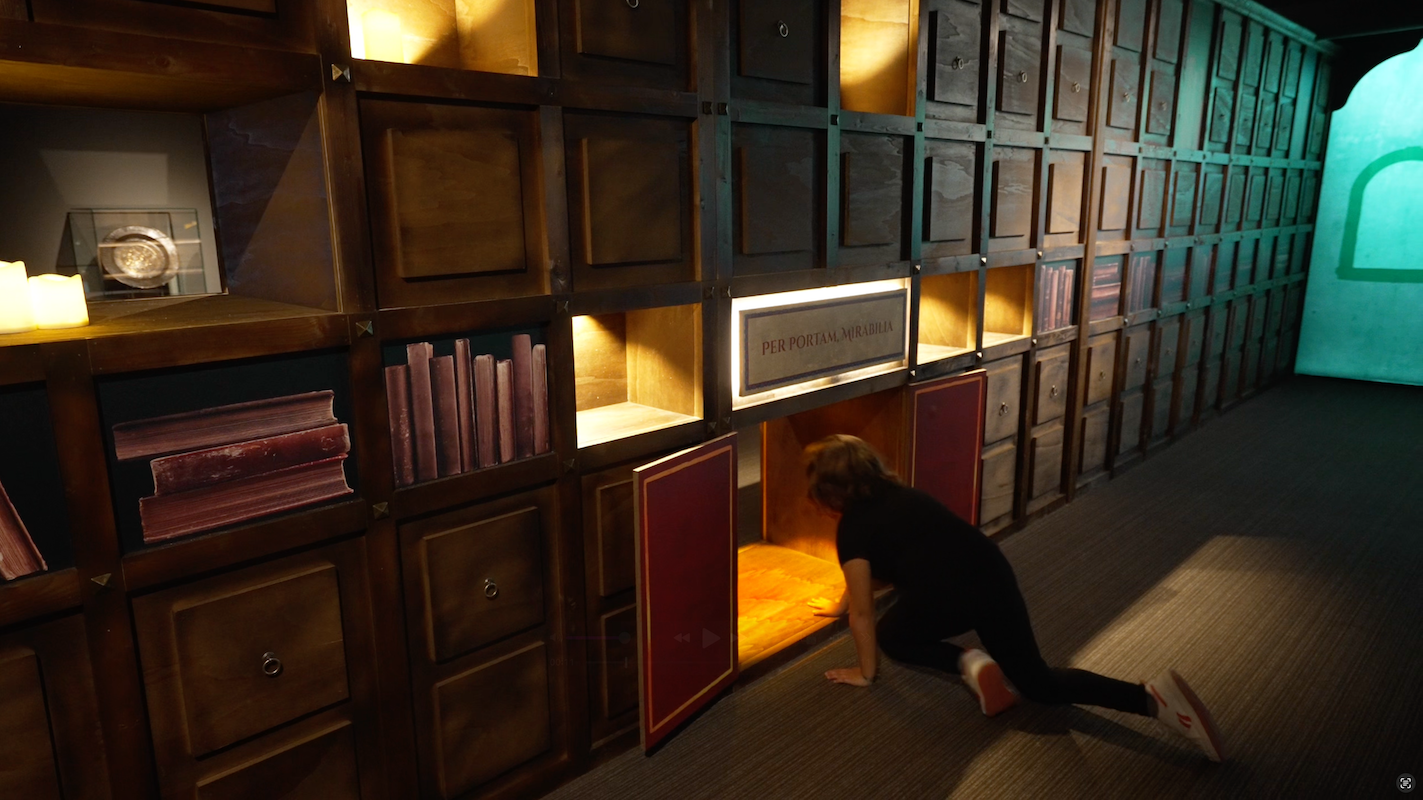
The spectator is not a mere observer behind a display case, but becomes a traveler who walks through ten rooms where the border between the physical and digital world constantly blurs, which allows the visitor to feel the same fascination as a medieval scholar when opening an illuminated manuscript.
As one walks through the rooms, one perceives how the figure of the (fantastic) animal during the Middle Ages went far beyond real fauna. A lion, a peacock or a basilisk were messengers, metaphors of virtues or personifications of evil. This symbolic load is explained through a museography that combines original works —stone sculptures, wooden reliefs and Gothic altarpieces that leave Vic for the first time— with state-of-the-art installations.
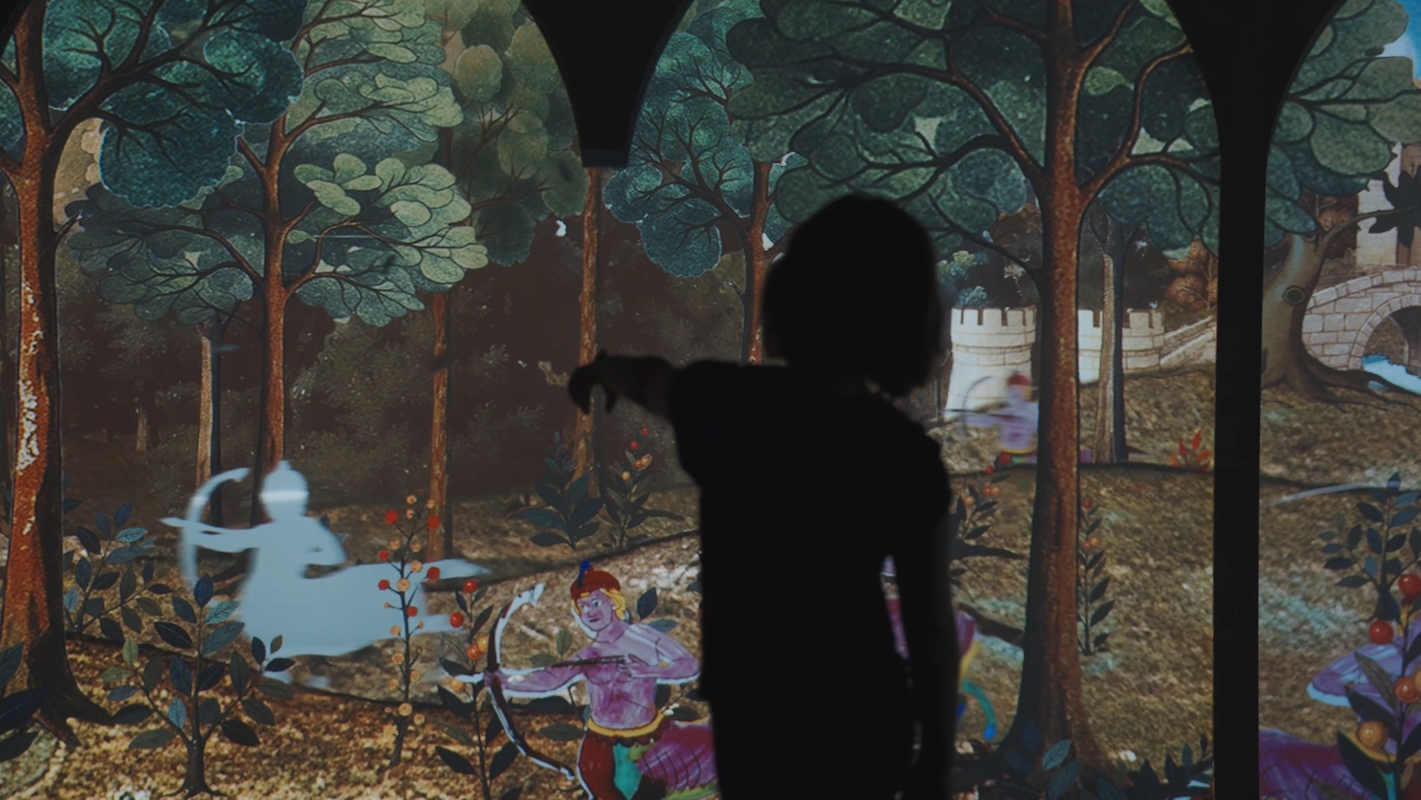
The strength of a real 14th-century gargoyle, with its grotesque expression designed to scare away spirits, acquires new meaning when placed in dialogue with audiovisual projections that immerse us in the medieval forest or in the depths of ancient world maps, where unknown areas were marked with the famous phrase Hic sunt dracones (here be dragons), indicating that beyond what we know resides mystery.
This fascination with what is unknown to us is what directly connects the Middle Ages with contemporary mass phenomena. If today millions of people are thrilled by the universe of J.K. Rowling and her Fantastic Beasts saga, it is because Newt Scamander is nothing more than the modern version of the medieval naturalist. Where he carries a magical suitcase full of creatures, the medieval monk carried his Bestiary, a catalog where the griffin —half eagle and half lion— or the hippogriff already aroused the same curiosity as a Niffler or an Occamy today.
The difference lies in the purpose: while in Harry Potter these beasts serve to build a world of narrative magic, for medieval man they were tools to understand the divine order. The dragon we see today as a challenge for a young wizard was then the physical representation of sin that had to be overcome with faith. Recovering these figures through virtual reality allows the modern public to rediscover that the origin of these monsters so familiar from cinema and literature is not found in a Hollywood script, but in the deep longing for transcendence from a thousand years ago.
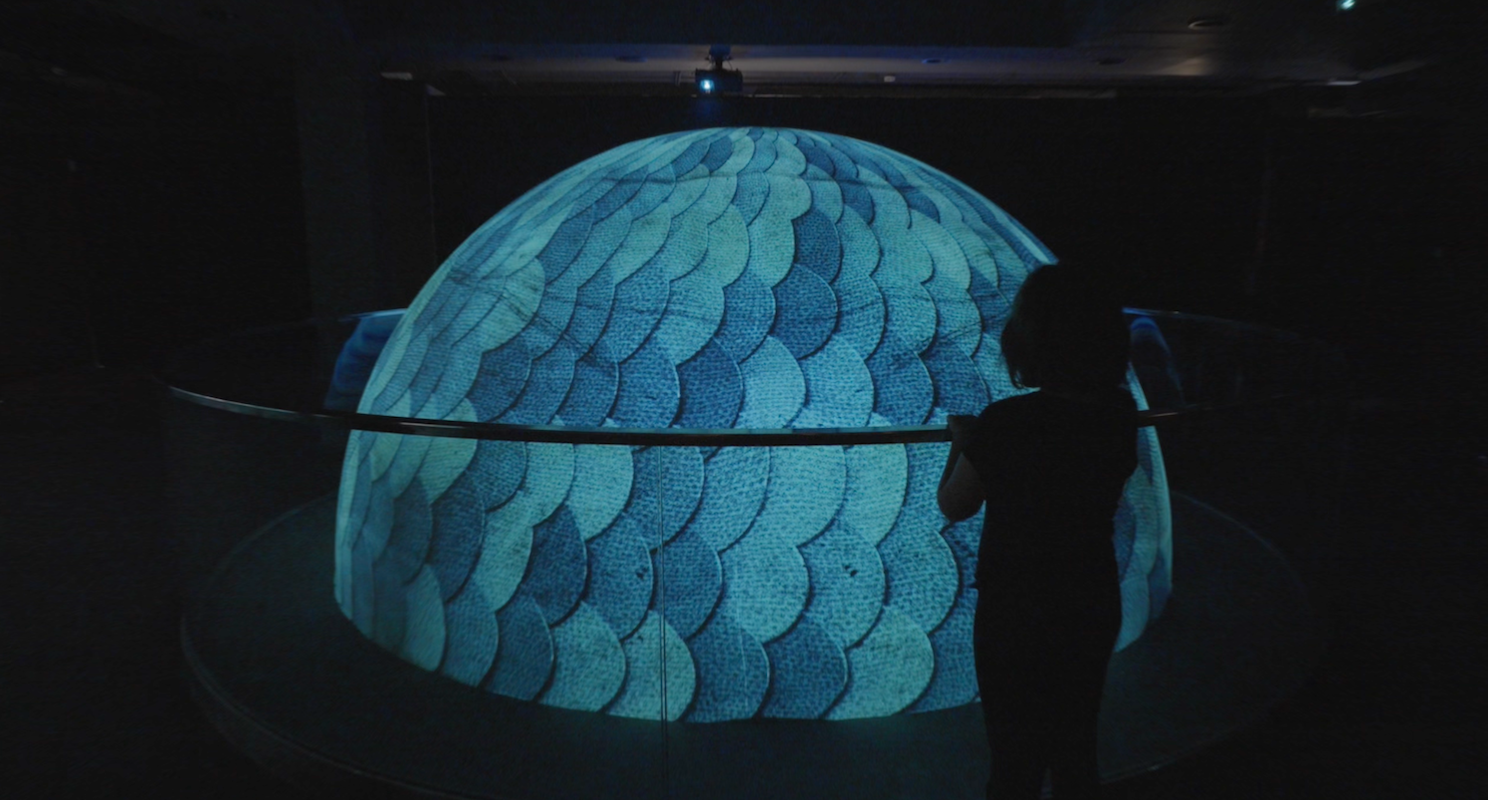
One of the highlights of this journey is precisely the virtual reality experience titled Journey to Hell. In this room, using VR360º glasses, visitors can come face to face with creatures such as the phoenix, which symbolizes the ability to be reborn from the ashes, or the harpy, with its human face and bird claws. This immersion allows one to understand the magnitude of fear and admiration that these beings provoked in a society where mystery was part of everyday life.
Even so, not everything is fear; the exhibition also highlights the beauty of animals like the peacock, which, due to its incorruptible flesh, represented eternal resurrection, or the tenderness of the pelican, which in Christian iconography sacrificed itself to feed its young with its own blood, a powerful metaphor for sacrifice and unconditional love.
This look at the past has a surprising resonance in the present. Several media outlets have pointed out how the medieval bestiary continues to inhabit our popular culture. From magical realism to contemporary fantasy sagas, the creatures we see on cinema screens or in video games are, in essence, the same ones that monks drew in the margins of manuscripts. As critics point out, the exhibition manages to make the mermaid or the centaur cease to be decorative motifs and become mirrors of the human condition.
At the end of the tour, a twenty-minute immersive film surrounds the walls, floor, and ceiling, making the beasts parade around the viewer in a kind of dreamlike dance that closes the circle between history and modernity.
Visiting The Fantastic Library of Beasts is not just a lesson in art history; it is an opportunity to reflect on how we perceive nature and myth in an era saturated with digital images. In a world where it seems that everything has already been mapped and explained by science, this proposal invites us to recover the capacity to marvel at the unknown.
The exhibition will be open at Casa Amatller until January 11, offering an experience of about ninety minutes that is suitable for both families seeking magic and scholars seeking rigor. In short, it is a celebration of human creativity that reminds us that, although a thousand years have passed, the dragons that inhabit our minds have never stopped flying, and that perhaps, as in the best of fairy tales, knowing the name of the beast is the first step to stop being afraid of it.
Add The New Barcelona Post as your preferred Google source for free
Stay informed with the latest news.
