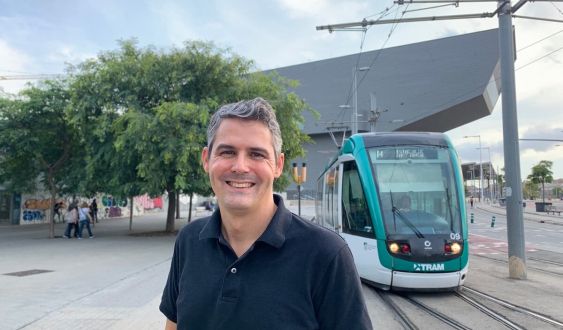
The way we move is changing, despite all the reluctance that changes always arouse. Not only Barcelona, all big cities are reducing the presence of private vehicles on their streets and promoting other healthier means of transport, aware of the high mortality caused by pollution in their residents. According to the latest data from the city's Public Health Agency (ASPB), excess pollution was the cause of 7% of natural deaths in Barcelona, approximately a thousand per year.
[subscribe_newsletter_esp]
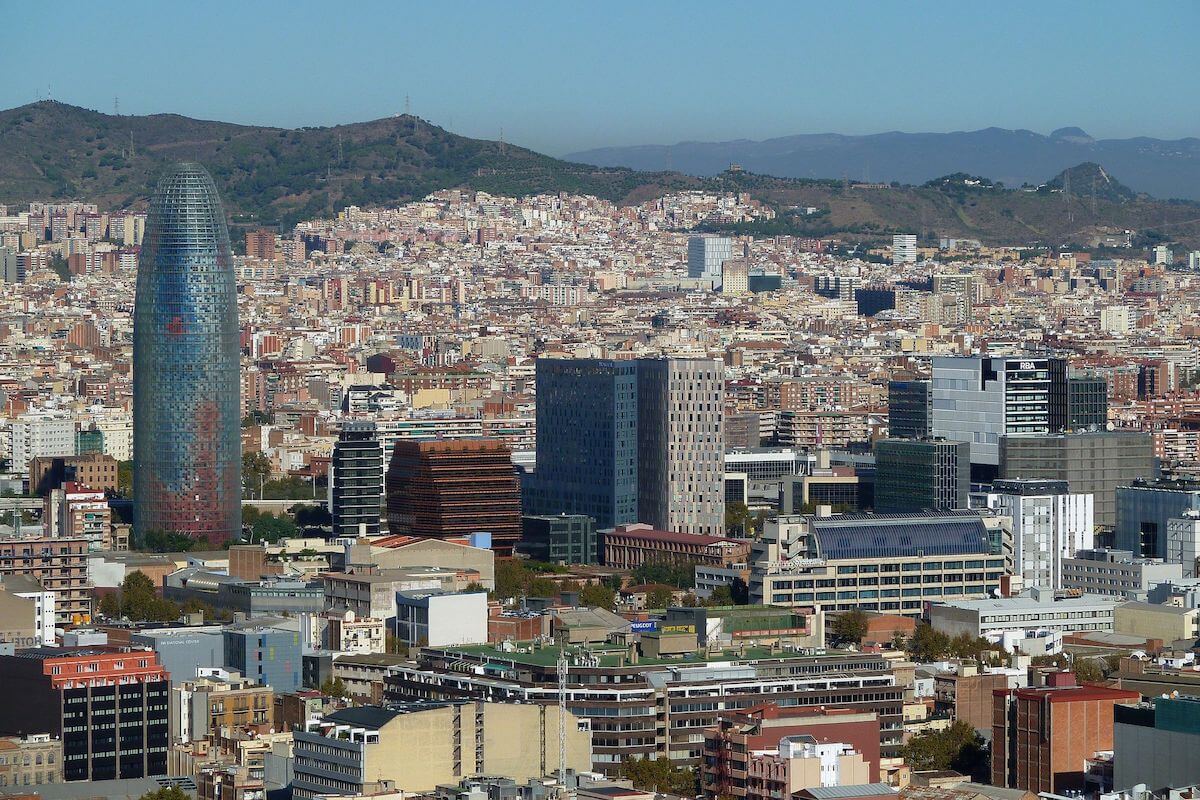
Defining what mobility will be like in these new cities is the main task of EIT Urban Mobility, an initiative promoted by the European Union (EU) that works to ensure that the future Amazon of mobility is born in Europe, investing in innovative projects hand in hand with partners such as the Barcelona City Council, the Universitat Politècnica de Catalunya (UPC) or Seat. It does so from the Torre Glòries, where a team of about fifty workers coordinate the different pilots that take place throughout Europe.
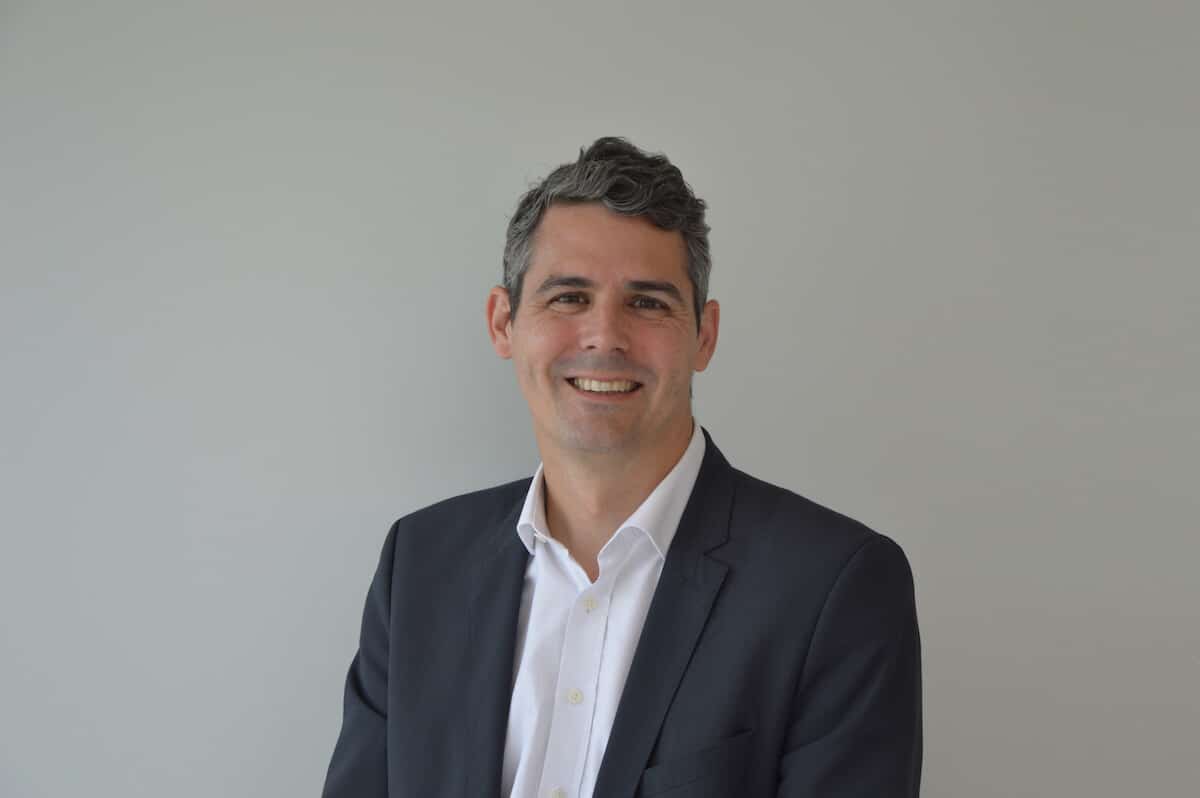
Daniel Serra is the person who leads EIT Urban Mobility for Southern Europe. An industrial engineer by training, Serra began his career in the automotive sector until, a few years ago, he became aware that we were on the verge of a great revolution in mobility. He changed his career path and joined the Carnet project, a hub conceived in 2016 by UPC, Seat and Volkswagen to foster research and innovation and advance towards the urban mobility of the future. It was from this initiative that the candidacy for Barcelona to host EIT Urban Mobility was promoted.
In operation since 2019
With a budget of up to 400 million euros until 2026, coming from EU funds allocated to research, EIT Urban Mobility started in early 2019. The choice of Barcelona as the headquarters of this initiative boosted the spirits of the city that had just lost the European Medicines Agency (EMA), which, ironically, was also to be located in Torre Glòries. Two years later, the work of EIT Urban Mobility has been discreet, but constant and committed to promoting more sustainable mobility.
The choice of Barcelona as the central headquarters for this initiative lifted the spirits of the city, which had just lost the European Medicines Agency (EMA), which, ironically, was also supposed to be located in Torre Glòries.With the emergency caused by the pandemic, the EIT Urban Mobilityopened a call for five million euros for projects that responded to the new difficulties that mobility was sufferingand, above all, public transport, such as the fear of contagion in spaces like the metro, despite multiple studies contradicting it. They received a hundred proposals and ended up choosing eleven, with several of them located in Barcelona.
Thanks to this call, a disinfectant with a more prolonged effect and a lower environmental impact than traditionally used products has been tested from June until the end of December in the Barcelona metro and buses, hand in hand with Ferrovial and Transports Metropolitans de Barcelona (TMB). It has also served to test a hygienic solution on Seat's shared motorcycles, the Seat Mó, which repels most viruses and bacteria, developed by the company Nano-Care.
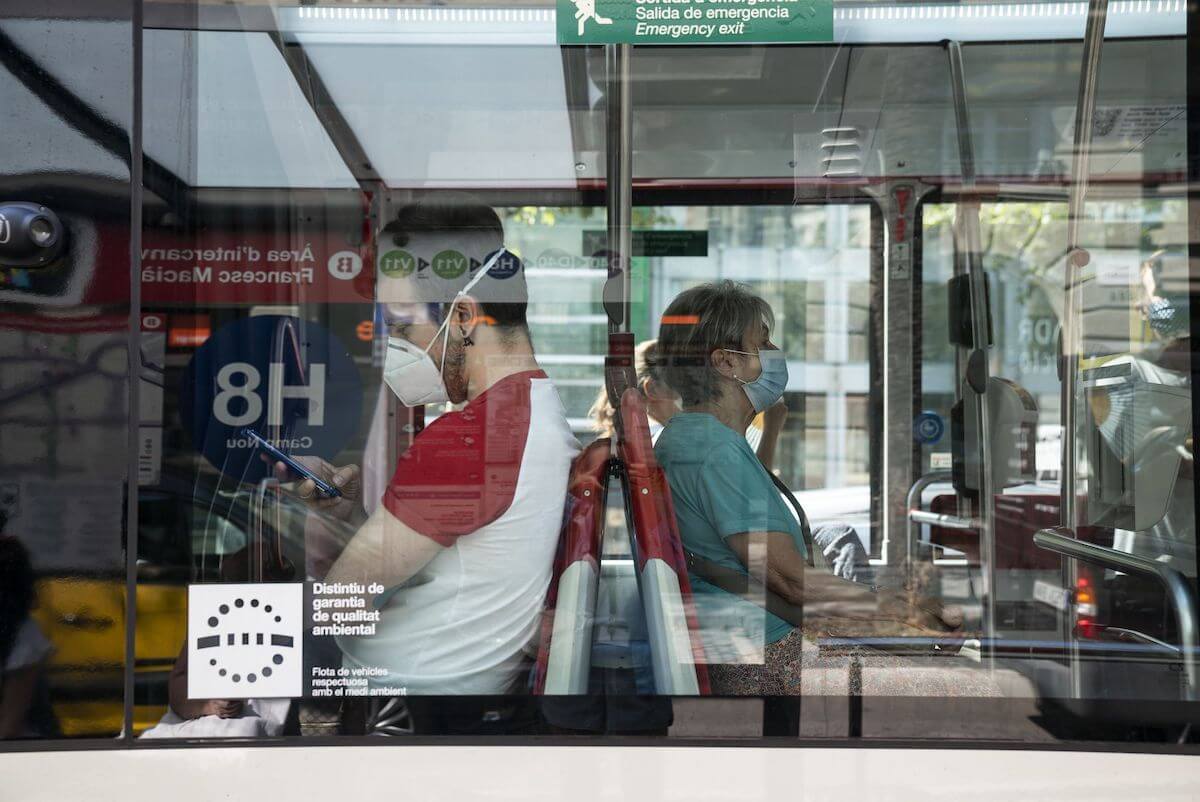
These projects to respond to covid-19 have now finished, and they are currently awaiting validation of their results to see if the disinfectants used in the Barcelona metro and buses or on Seat motorcycles can be extrapolated to other cities or companies. "What we are looking for is for this to logically generate economic benefits. When we talk about creating innovation, it is through finding solutions that can be scaled," says Serra. By connecting companies, universities, and administrations, EIT Urban Mobility wants to accelerate innovation, expanding the pilots it funds in cities like Barcelona to different European countries and creating strong companies that can compete with the leaders, mostly located in the United States. The aim is to prevent Europe from becoming subordinate and, consequently, its industry from being destroyed and jobs lost.
Benefits of having the headquarters in Barcelona
Initiatives like EIT Urban Mobility have a very clear impact on their immediate surroundings. "By having our headquarters in Barcelona, we see that a good part of the funding ends up here. We are hiring people who come from all over Europe to work in Barcelona. Partners like Seat are part of our management bodies, meaning they have a direct participation in our strategy," explains Serra. "In the end, all of this is happening around Barcelona and, therefore, the benefits for Barcelona are greater than those that, for example, the city of Munich, which is also a part of it, might have," he argues.
"In the end, all of this is happening around Barcelona and, therefore, the benefits for Barcelona are greater," states the director of EIT Urban Mobility for Southern Europe.In fact, the relationship of EIT Urban Mobility with its Barcelona partners is very fluid. For example, he regularly meets with members of the municipal government, an intense political participation that does not occur in other member cities of this European consortium, made up of 48 partners and 15 countries. "Here in Barcelona we havepartnersvery involved, dedicating people, resources and with a great desire to do things, and this has been demonstrated with the high number of projects achieved for the covid call and those that will be done in 2021. We hope that in 2022 funds will also be obtained for very important projects." Likewise, Serra points out that the benefits of the capital status are not only obtained through executing projects in Barcelona, since the pilots carried out in other European cities can also end up reverting to it as the headquarters of this initiative that aspires to lead the change in urban mobility in Europe.
Add The New Barcelona Post as your preferred Google source for free
Stay informed with the latest news.
