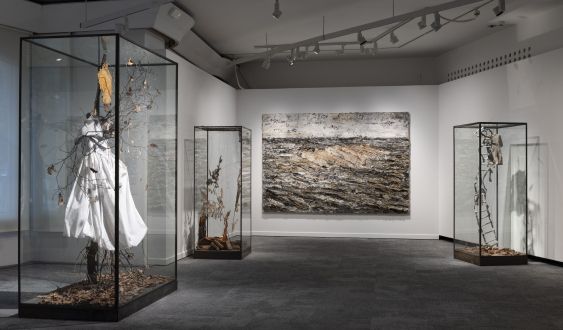
I have no doubt that it is one of the most anticipated artistic events of the autumn: La Pedrera is hosting, until January, the first major monographic exhibition dedicated to Anselm Kiefer in the city. The Secret Life of Plants. Anselm Kiefer in the Grothe Collection brings together more than seventy works, mainly from the private collection of Hans Grothe, one of the world’s most important collections dedicated to the German artist. Painting, sculpture, photography, artist’s books, objects and installations come together in a journey, curated by Walter Smerling, that connects us above all with the trauma of Germany’s defeat in the Second World War. Fallen symbols, demolished mythology, the search for a new cosmogony, sadness, reflection, condemnation to the realm of thought (and to thinking deeply, philosophizing, and writing).
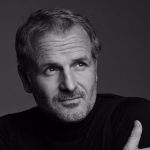
Born in Donaueschingen in 1945, just as Germany was emerging from the ruins of the Second World War, Kiefer belongs to a generation of German artists who grew up forced to confront their country’s collective responsibility for Nazism and the Holocaust. Trained at Joseph Beuys’ school, he began his career in the 1970s with deliberately provocative gestures: photographs of himself giving the Nazi salute in front of monuments across Europe, a way of forcing his country to confront what it preferred to forget. Since then, his work has become one of the most powerful and unsettling reflections on memory, guilt and history in contemporary art.
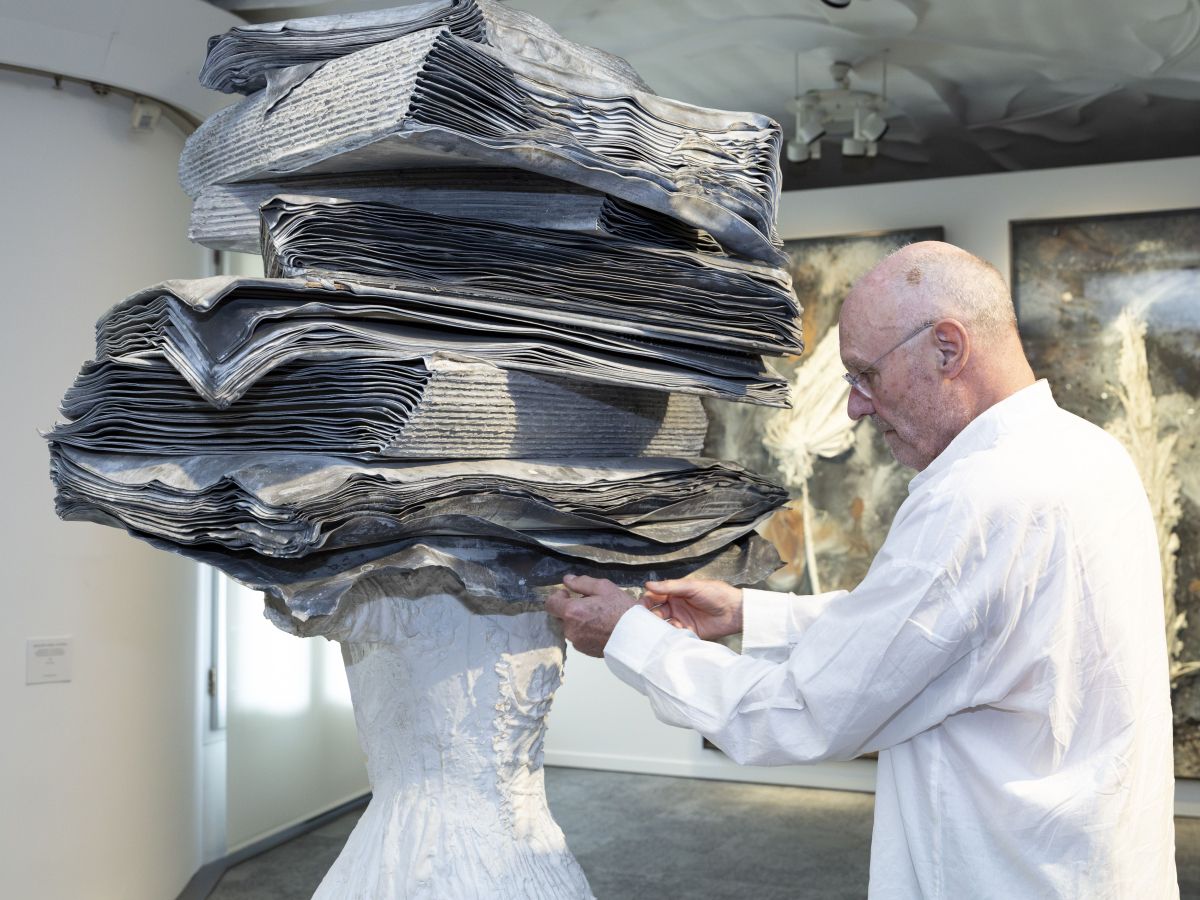
Sunflowers, poppies sprouting from the pages of books, organ keyboards, cosmic maps made of lead plates with references to newly named stars and divine hands (or geese suspended somewhere between taxidermy and astrology), dresses from which autumnal branches emerge in search of the sky (or piles of lead books), constant literary and philosophical references, myths, science and spiritual transcendence. An expressive fetishism in which every object embodies powerful concepts, every display case becomes a scene charged with history, and the imagery is so explicit and evocative that almost anyone can understand it, or at least intuit it.
And this thick, dense, impressionistic and expressionistic painting at the same time, which almost always dresses us in autumn or winter and which portrays angels, forests, outdoor spaces where everything seems to point to a world in ruins. Jacob's Ladder, the Book of Temples, Hortus Conclusus (within the Song of Songs), San Loretto, religion transformed into its own mythology and into a search for spiritual referents for a spirit condemned to reflection (to penance).
What distinguishes Kiefer is not only the theme, but the material. He paints with lead, ash, straw, earth, broken glass, rusted metal and dried plants, on canvases of often monumental dimensions that look more like devastated landscapes than conventional paintings. Lead, for example, constantly appears (in gigantic books, in ships, in fallen wings) as a symbol of a metal that would be the emblem of a historical weight that cannot be lightened. Kiefer also dialogues with poetry (especially with Paul Celan, the Jewish poet who wrote about the extermination camps), with Norse mythology, with the Kabbalah and with alchemy, building a dense symbolic universe, loaded with references that demand time and attention. But which, I insist, is understood almost at first glance. Especially, if I may, at the moment when we enter autumn and when the colors of souls and eyes change.
The flower, which turns seeking the sun and then falls laden with seeds, becomes a constant metaphor for death and regeneration at the same time. There are also objects found inside display cases, like old cabinets of curiosities or alchemical laboratories of the Renaissance. Small enclosed universes, like nativity scenes, almost relics, where science merges with magic and memory. With truth, in short, which is not the same.
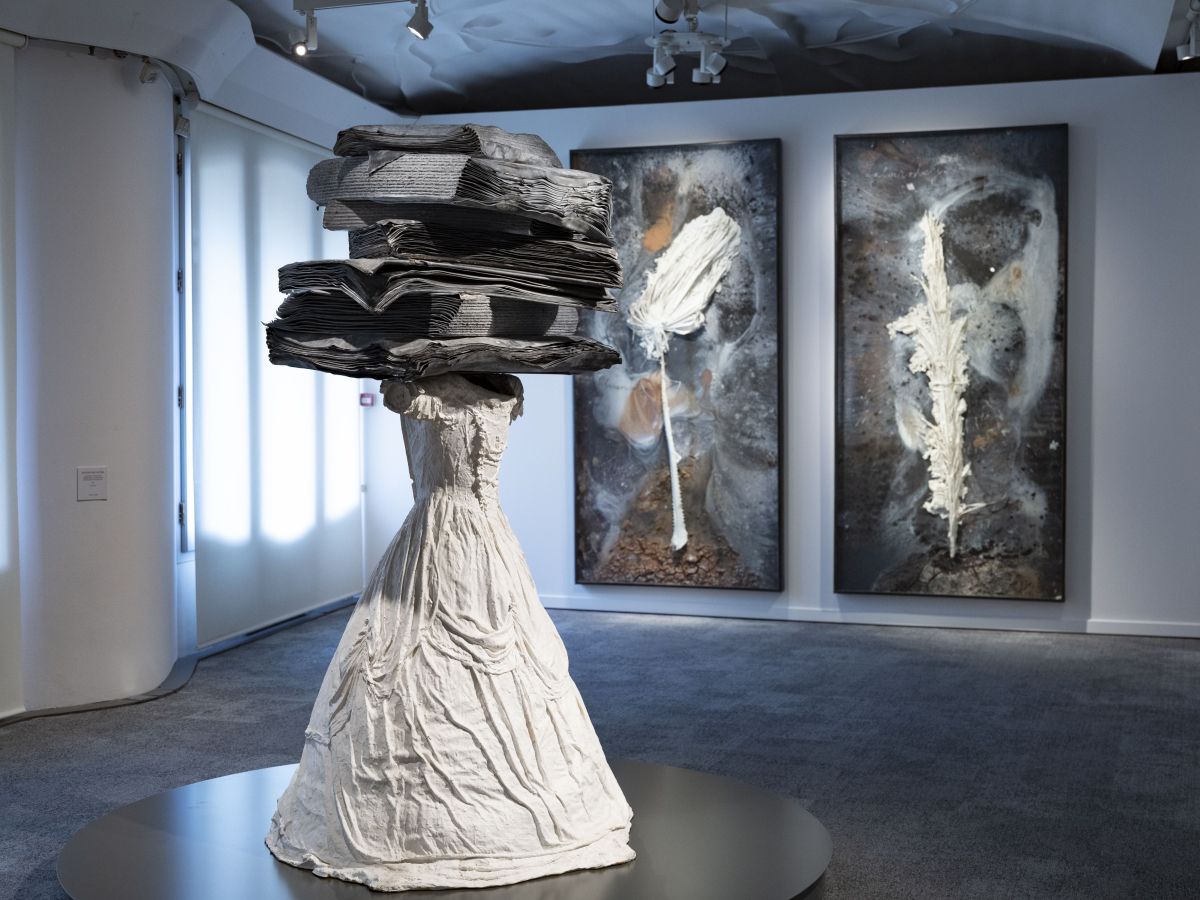
That a work of this scale and material harshness dialogues with Gaudí's undulating architecture is, again, one of the most moving notes. Gaudí made curves as if he did not foresee the rise of fascism or as if he turned his back on it, ignored it, preferred to invoke clouds and legends. The tension between La Pedrera and Kiefer's brutal weight is one of the attractions of the visit, which for me is one of the best (if not the best) of those we have seen at the Foundation directed by Marta Lacambra in recent years. It pleases, and at the same time makes one think, and places our city at the forefront of the European exhibition level. As it cannot be, in certain hands, otherwise.
Add The New Barcelona Post as your preferred Google source for free
Stay informed with the latest news.