One more year, Women's Entrepreneurship Day once again makes headlines and events in the city. The event has been celebrated for more than a decade, with the aim of giving visibility to the promoters of startups and innovative proposals. Each year the initiative once again focuses on these leading profiles, and this is already eleven years. However, something has not changed in this last decade: women still represent around 20% of startup founders at both Catalan and national and even European levels, in a proportion that has barely moved since Women's Entrepreneurship Day was established in 2014.
In fact, just as women represent 20% of startup founders, the imbalance skyrockets even more in investment: only 2% of venture capital goes to startups founded by women, in an invariable proportion for years. Thus, the underrepresentation of women continues to be a constant in the ecosystem, with figures stagnant for decades.
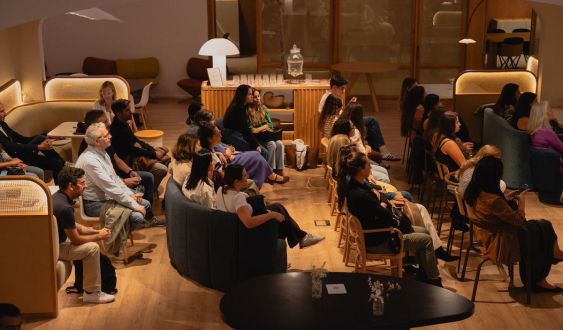
In this context, Women's Entrepreneurship Day —recognized since 2014 by the impulse of businesswoman Wendy Diamond— continues to emphasize this persistent gap. To narrow it, both public and private actors promote initiatives to favor female entrepreneurship, either from programs such as those of Barcelona Activa or from the field of investment and the promotion of entrepreneurship, such as the business angels of WA4Steam, the community of Sheblooms and that of Juno House. Precisely, the center will address female entrepreneurship coinciding with this event with its second edition of the Founder's Mindset event, which will bring together a hundred leaders and executive profiles to discuss the challenges that are transforming key areas such as technology, sustainability and team management.
This Wednesday's session will feature the participation of leading profiles such as Sandra Wolf, from Riese & Müller; Esperta partners Sílvia Pardo and Pablo Ozonas; the CEO of SheAI, Stephany Oliveros; the CEO of Tranxfer, Eli Bernal, and the co-founder and CEO of All Women, Laura Fernández, among others. "What we do is focus on the mindset that makes things happen," highlights the CEO of Juno House, Beatriz de Vicente, who emphasizes the space's work to "promote equal opportunities." With what objective? "To advance diversity, something that in turn promotes competitiveness: By simple logic, you cannot miss the opinion and talent of 50% of the population."
"On Entrepreneurial Women's Day, we don't talk about women; what we do is make them visible, focus on the challenges and the responses that these role models are giving them, with that entrepreneurial vision that transforms things," highlights De Vicente, who reiterates: "We are not going to focus on the situation of women, but on making visible the women who are transforming the future," and eroding a glass ceiling that continues to hold women back.
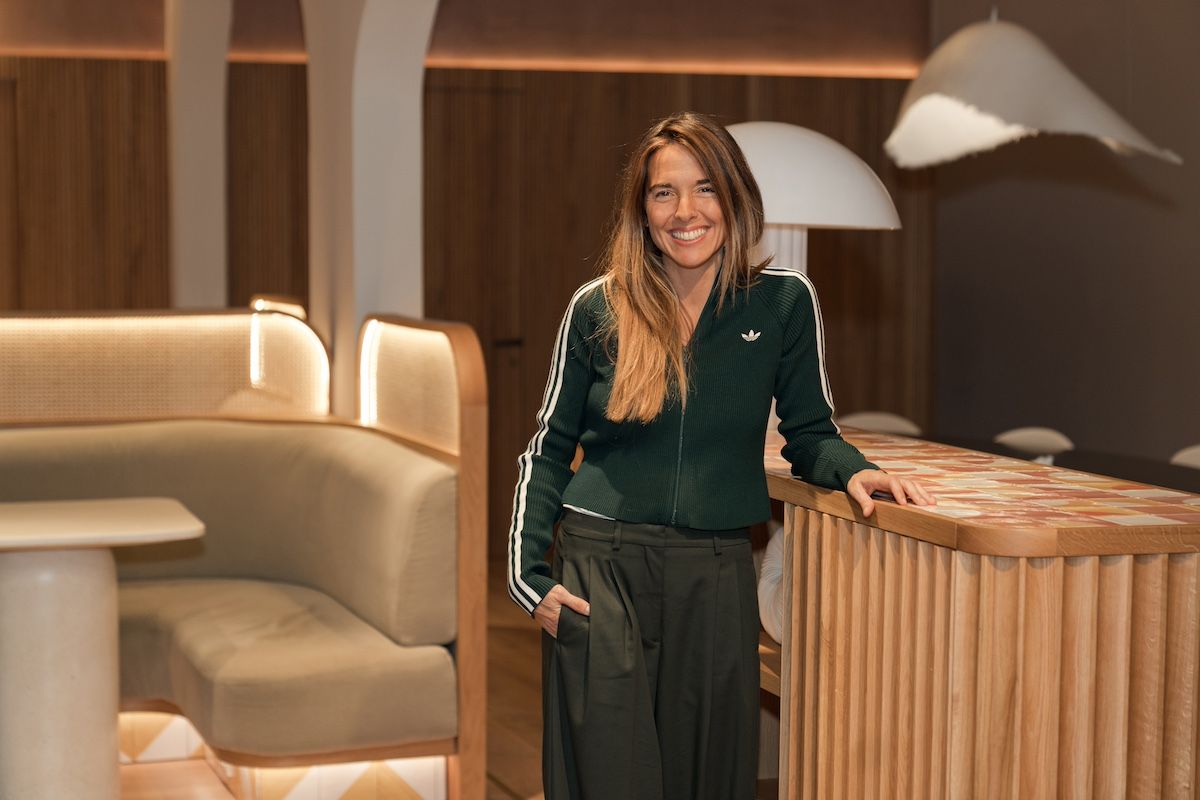
SheAI was born precisely with the aim of breaking through this glass ceiling. "Men are adopting AI three times faster than women. The wage gap and the acquisition of opportunities will widen even further if we do not accelerate the adoption of AI by women," warns Stephany Oliveros, promoter of SheAI.
Trained as a medical physicist in Venezuela, Oliveros later graduated in Psychology between Barcelona and the United Kingdom, and from both aspects ended up focusing on AI. Already established in Barcelona, she became part of Juno House, where many entrepreneurs began to approach her to consult her doubts about AI as a tool to optimize their businesses. As a result of this need, SheAI launched its first two AI courses focused on women in December, and three months ago launched its content and course platform.

In this period, it has made a great leap: "We have become an official partner of the United Nations", so its courses are certified by the international body. Now, the platform has a community of 600 women users of its courses and educational tools, and nearly 30,000 monthly users who access its free resources. These courses and tools are aimed at diverse profiles, from future engineers and AI consultants to entrepreneurs in any sector, with practical resources to boost their businesses.
Empowering women through tools and training is also the goal of All Women. Like Oliveros, its founder, Laura Fernández, became an entrepreneur without planning it, and supported by a community of founders around her. In her case, it was Makers of Barcelona, which began operating a decade ago as a coworking space when the concept was still unknown in the city. "Seeing people from all over the world generating projects from their laptops impressed me. It was my first contact with the world of startups, and it was like a revolution," highlights Fernández, also a speaker at the Juno House conference.
"There I connected with the entrepreneurial ecosystem, and we began to generate programs focused on technology training and entrepreneurship," recalls Fernández, in a context of youth unemployment, on the one hand, and a lack of technological profiles, on the other, which was aggravated in the case of women: "The gap was double." Rooted in that entrepreneurial framework, Fernández decided to launch her own startup, focused on tackling that double gap.
"The goal is to contribute to having more women in the technology sector," emphasizes Fernández, always with a gender perspective. So much so that, since its launch seven years ago, All Women has been adapting to the profiles it trains, until it became an online and international training platform: "We connect multicultural contexts with women from all over, to empower them in the technology sector. We are in a global context that we already had from the beginning, even if it was locally."
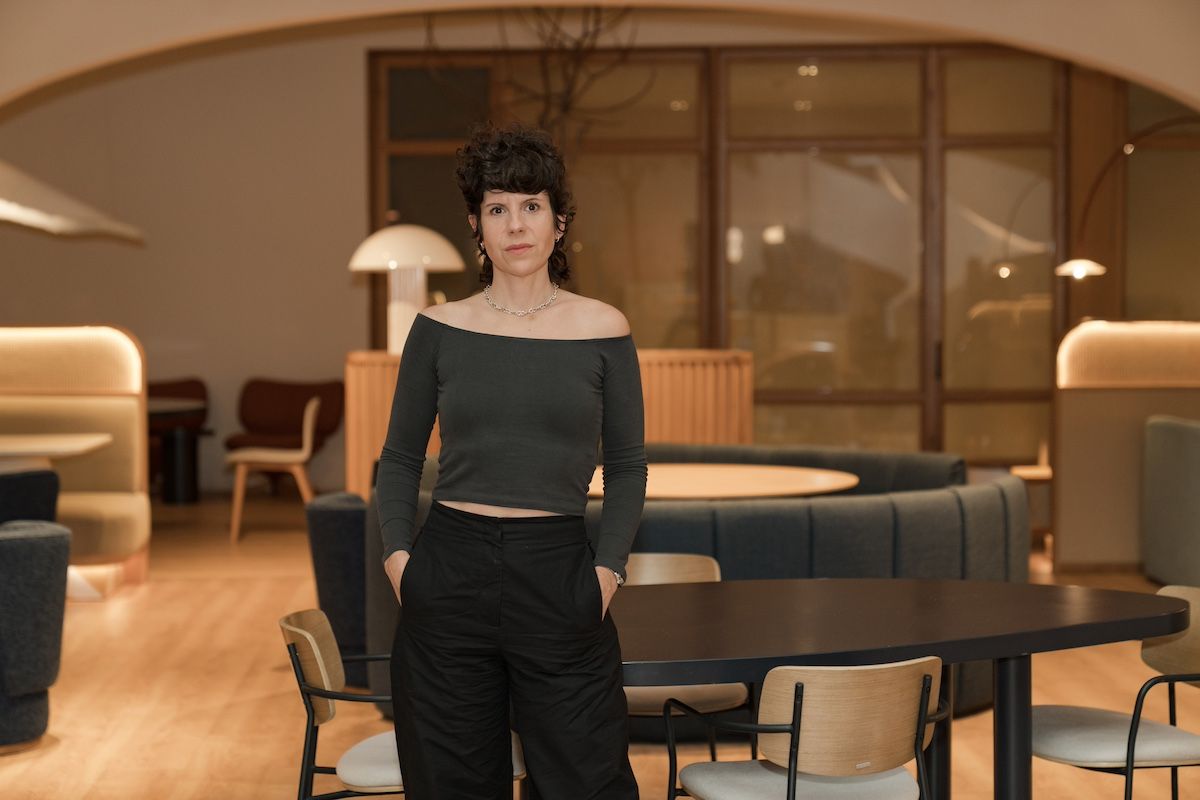
With more than 3,000 women from 40 nationalities in its training programs, All Women also organizes specific courses for companies, and collaborates with institutions, such as with a program it promoted in the summer with the Generalitat to train 75 women in AI to implement it in their businesses. "Now we are trying to mobilize resources to go from 75 women to thousands of them."
"It is urgent that women be part of the technological revolution of AI, because it offers incredible opportunities, but it is also a risk if we are not part of it," warns Fernández. She does so from the same vision behind another of the events that will give visibility to leading professionals this Wednesday in Barcelona: the STEM Women Congress, promoted by Eva Díaz and which will bring together leading women to give them visibility.
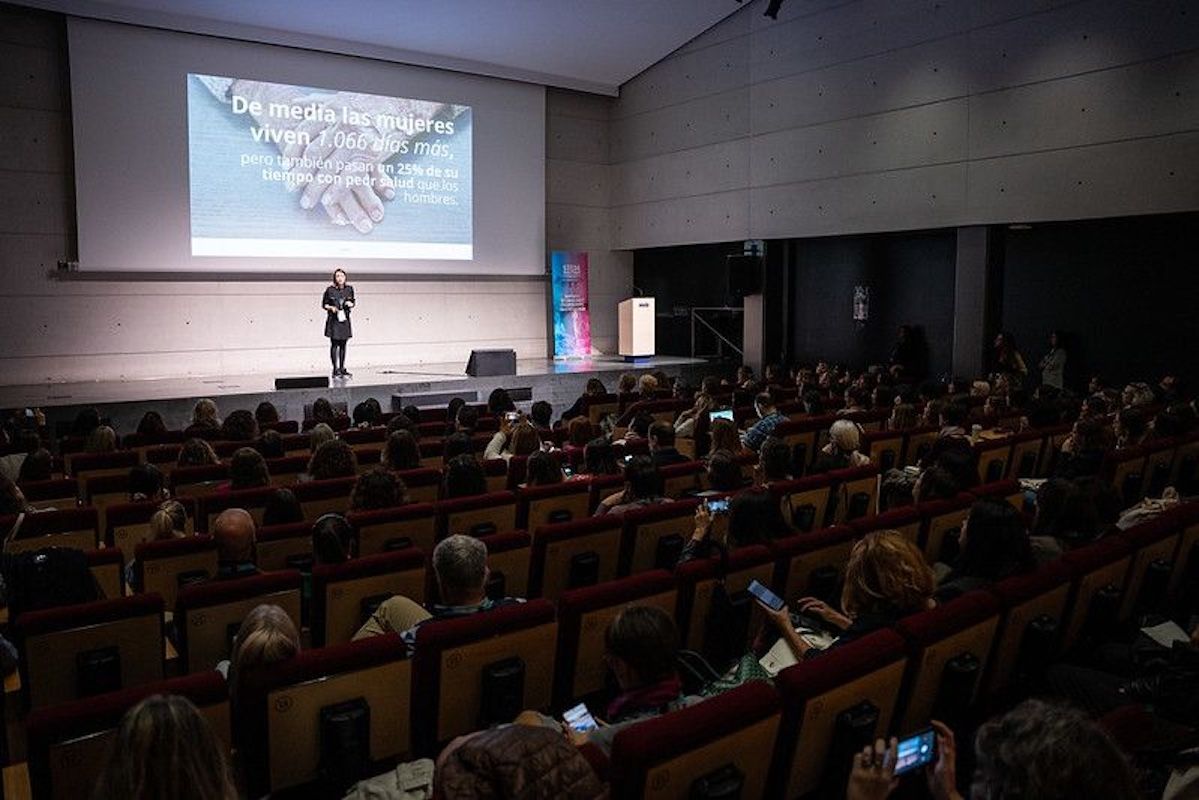
"We saw that there were many initiatives to attract more women to the STEM field, but then they didn't know each other, they weren't working together," Díaz highlights. To counteract this situation, they promoted this annual event seven years ago, and then it has gone further, with a report on the impact of initiatives that seek to incorporate more women into the STEM field. Now, the STEM Women Annual Report analyzes more than 800 initiatives, studying the impact in six countries to detect what works and the gaps that need to be addressed.
As a novelty, this year the congress will incorporate two new chapters: Mexico and Peru, which join in the desire to bring STEM closer to women. And not only for principles or to prevent half of the population from being underrepresented in the technological field, but also because "diversity leads to profitability, because developing solutions without taking into account half of the population is not profitable and requires changes later." Whether for profitability, conviction, or logic, women continue to take steps to gain visibility and to begin to double figures and statistics that are still far from balance.
Add The New Barcelona Post as your preferred Google source for free
Stay informed with the latest news.
