[dropcap letter="C"]
atalunya aspires to recover the throne of two wheels thanks to electric mobility. Carlos Sotelo is the entrepreneur who is attracting all eyes to achieve this challenge thanks to Silence, a company that in the last three years has already launched two electric motorcycle production centers in Molins de Rei and Sant Boi de Llobregat and that is now also a candidate to occupy in the future part of the Nissan factory in the Zona Franca industrial estate if the closure of the Japanese manufacturer finally proves inevitable.
The success of Silence in the market fills the Catalan motorcycle industry with optimism, an industry that has been in decline for many years and that is configured as a sector that can be key to increasing the much-needed weight of industry in the Catalan economy.
[subscribe_newsletter_esp]
INDUSTRIAL TRADITION
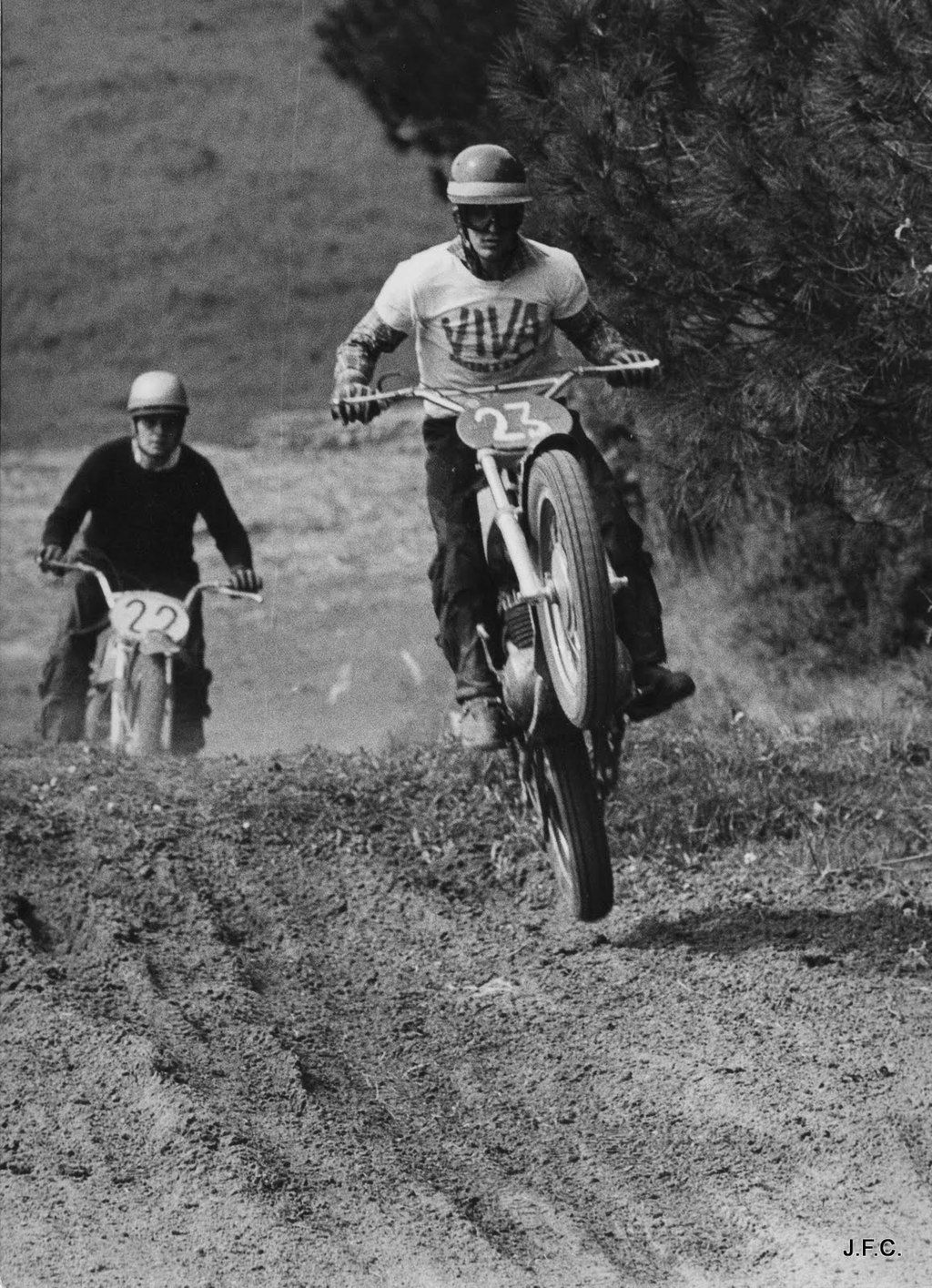
It is well known that Catalonia smells of gasoline. The passion for two wheels dates back more than a century, when the first indigenous mopeds began to be manufactured in the community. Miquel Villalbí is considered the father of the sector, as he was a pioneer in motorcycle manufacturing in 1904, although the Simó brand, in 1924, is attributed the first series production, not only in Catalonia, but throughout Spain.
In those happy 20s, forgotten brands such as Salvador, Fusté, Lutétia, Pàtria and Alpha were born, but it was after the post-war period when the great boom of the Catalan motorcycle occurred, with the launch of more than a hundred factories throughout the territory. Brands such as Ardilla, Taber, Rex and Belfo were part of that avant-garde Catalan motorcycle industry, but those that managed to lay the true foundations of the sector were the mythical Montesa, Ossa, Bultaco, Sanglas, Derbi and Rieju.
In the midst of Franco's regime, in the 50s and 60s, given the population's need for displacement, the Catalan motorcycle industry shone and was the absolute leader thanks to local entrepreneurial capacity and also helped by the economic protectionism of the time.
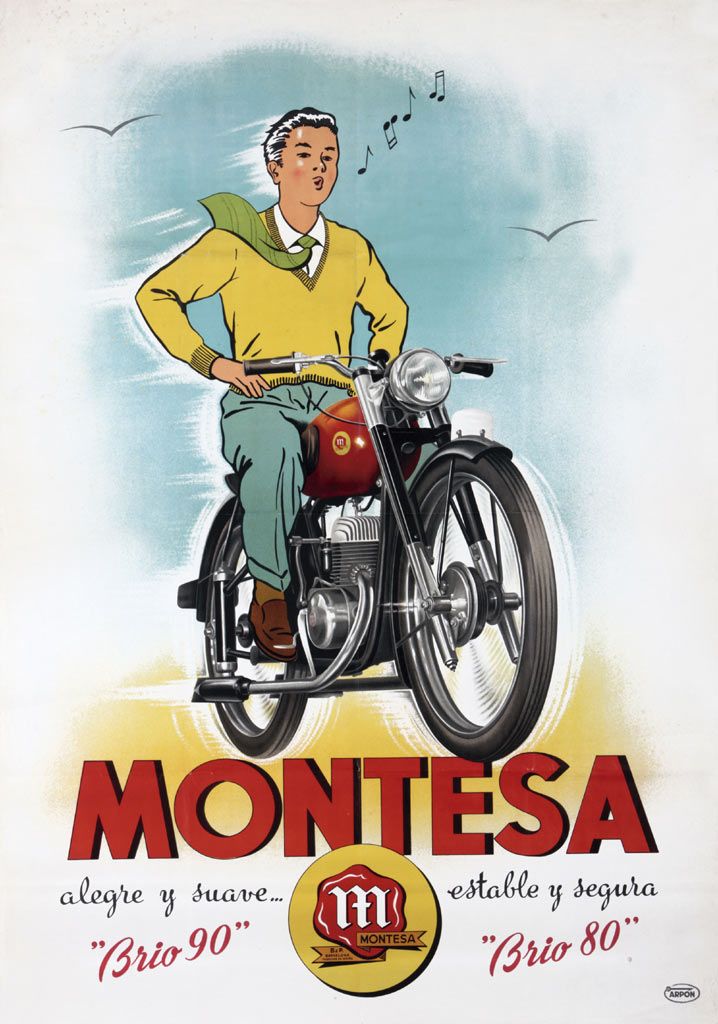
However, that golden age faded as the car gained prominence and, especially, due to the opening of borders, which led to the arrival of Japanese brands and technology, practically wiping out the sector. Thus, in the crisis of the 80s, firms such as Bultaco and Ossa disappeared, and other mythical brands like Montesa passed into the hands of Japanese giants, who knew how to take advantage of the powerful Catalan motorcycle cluster to locate their European factories in Catalonia.
Thus, Honda took over Montesa and Yamaha took over Semsa, heir to Sanglas. Over the years, Derbi also passed into foreign hands, as the historic Rabassa family ceded control of the brand, winner of multiple Motorcycle World Championships, to the Italian Piaggio. Only the Girona-based Rieju was saved from that turbulent period, which also gave birth to a new brand, Gas Gas, founded in Salt in 1985 by two former enduro champions, Narcís Casas and Josep Maria Pibernat.
Globalization, delocalizations, and the financial crisis of 2007 dealt the final blow to the Catalan motorcycle industry. Thus, in 2010 Honda stopped manufacturing in Santa Perpètua de Mogoda, and in 2012 Yamaha closed its factory in Palau-Solità i Plegamans. Piaggio did the same with Derbi in 2013 and moved production to Italy.
Currently, Rieju, owned by the Riera family and with a plant in Figueres, manufactures about 12,000 motorcycles a year, with a turnover of around 25 million euros.
For its part, Gas Gas, after suspending payments, passed into the hands of the electric motorcycle company Torrot in 2015, promoted by Iván Contreras and participated by the Catalan fund Black Toro Capital (BTC). Since September 2019, the Catalan trial motorcycle brand has been 60% controlled by the Austrian KTM, which has guaranteed at least three years of production for the Salt plant, where Torrot's electric motorcycles are also assembled.
SECOND STAGE
In this context, Silence stands as the great hope for the two-wheel industry to regain its splendor in Catalonia, driven by the enormous revolution that the push for electric and shared mobility represents.
The start-up founded by Carlos Sotelo was born in 2015 and last year already manufactured 8,000 units, with revenues of around 30 million euros and the aspiration to reach 20,000 units in 2020. The main shareholders of Silence are Repsol and Criteria (La Caixa), although Acciona has recently negotiated the purchase of the company, which is the provider of electric motorcycles for its emerging mobility platform, Acciona Mobility.
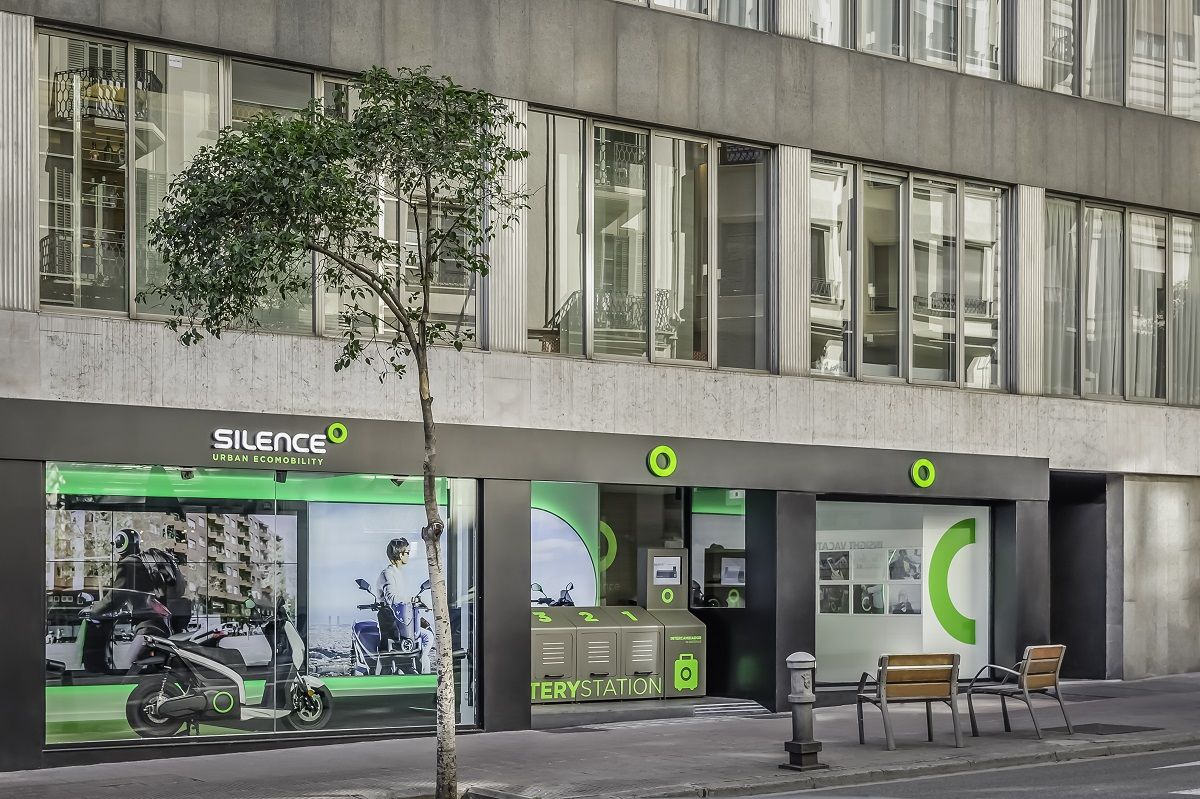
Silence has already become the sales leader in Spain and among its strategic clients, Seat stands out, with whom in November 2019 it signed a major agreement to manufacture an e-scooter for the automaker with an engine equivalent to a 125cc combustion motorcycle and a speed of 100 km/h.
According to Sotelo, the Covid-19 pandemic could be an opportunity to accelerate the momentum of electric mobility, as citizens have seen pollution disappear thanks to confinement. "This evidence will accelerate the transformation towards zero-emission mobility; the change in mode of transport will be a great opportunity, also for Silence," Sotelo recently stated, having just presented a new electric scooter model with a limited speed of 45 km/h that expands its user target, as it can be driven with a moped license.
Sotelo, however, thinks big and Silence is already working on a model that will allow it to enter the four-wheel market. Thus, the company could develop a two-seater electric car to expand its offer and, for this, Nissan's facilities in the Zona Franca could be key, which is why all administrations have already approached the company to roll out the red carpet for it.
Add The New Barcelona Post as your preferred Google source for free
Stay informed with the latest news.
