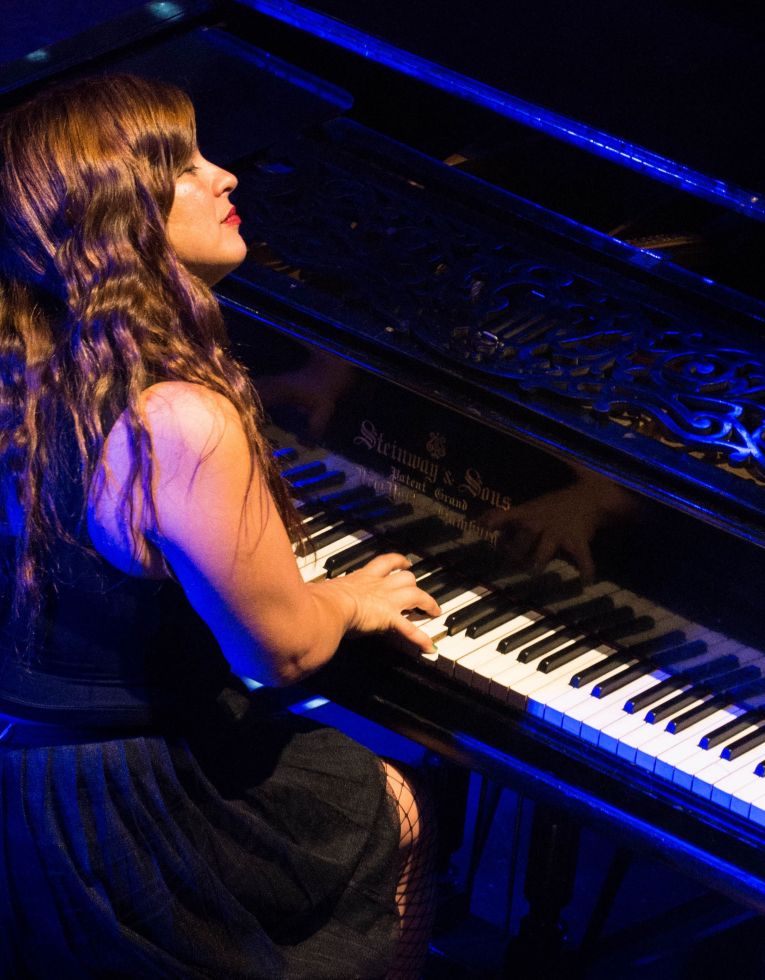
“My relationship with music is very much about the craft, about believing in something and working hard to do it myself, without expecting others to do things for me.” The pianist and composer Elbi Olalla leans against the bar and watches as wine is poured into her glass to the faint rhythm of Duke Ellington’s Sophisticated Lady, played at a barely perceptible volume “because I’m embarrassed to talk over the music.” She smiles. She has just finished playing, and this post-recital nocturnality is her rest. “Essentially, I’m a very hard worker,” she adds.
She was born and raised in Mendoza, Argentina’s wine-growing west. “It’s a very conservative place, despite which a rich cultural and musical scene has flourished, which is a way of resisting, of surviving everything that happens in our country.” Culture as a green shoot in the wasteland or, as she defines it, “the desert flower.” The fertile spot.
“My father is a pianist and he used to take me to the Baptist church, where there was a lot of music and where, for many years, I honed my skills playing every Sunday,” she recalls. That was a very good foundation which, from her late adolescence, she enriched with forays into a multitude of lexicons such as funk, rock – she was a member for a season in the band Los Enanitos Verdes, of the beloved local guitar hero, Felipe Staiti – jazz, bossanova, and electronic music, “which I also delved into deeply.”
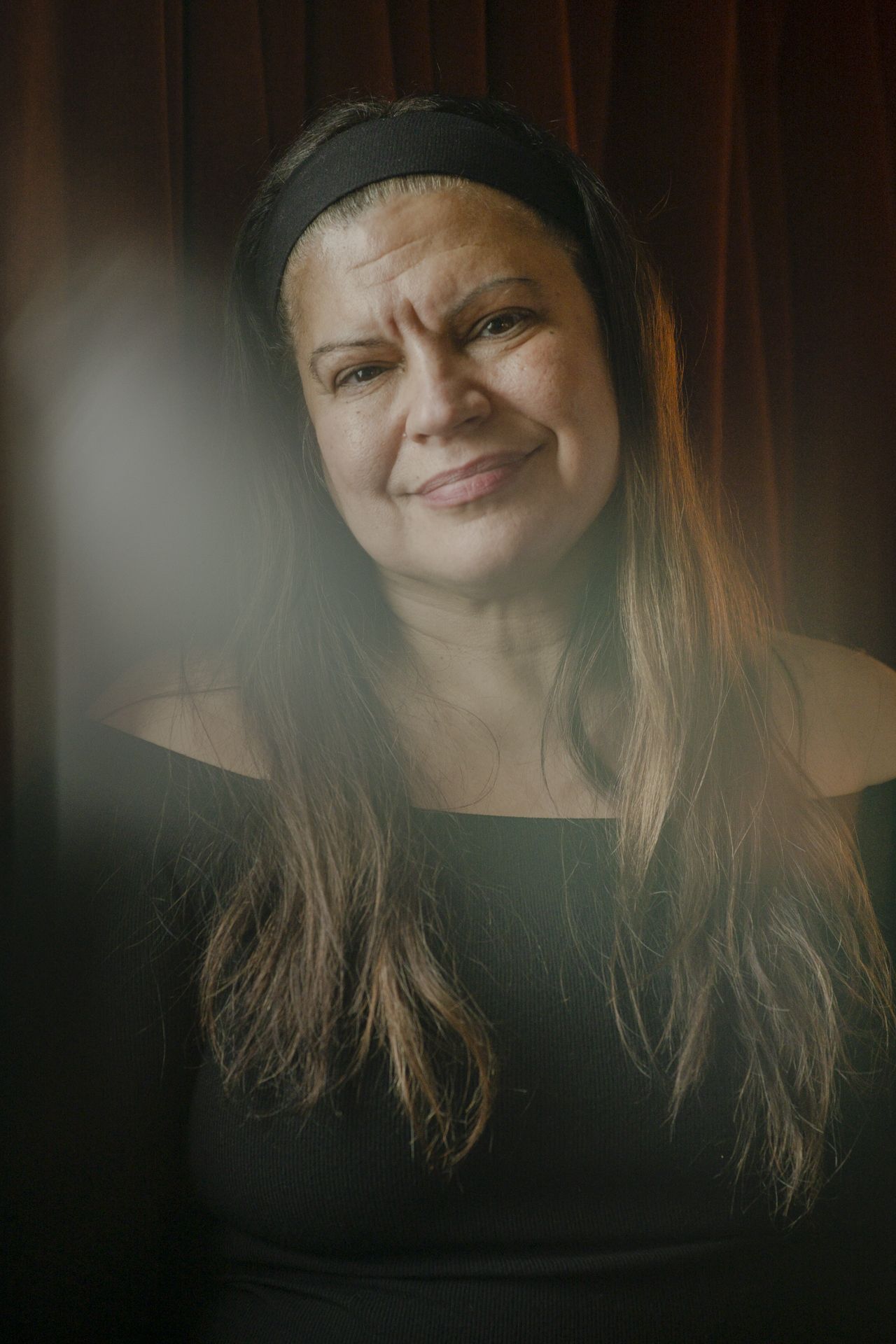
When she stopped playing in church, she lost family support and had to fend for herself. “Hence, my relationship with my craft is very practical, very proselytizing, and very little, let’s say, bucolic or poetic,” she smiles. No one said it was easy to water a flower in the desert.
21st Century Tango
When tango appeared in Elbi Olalla’s life as an obsession, it was considered old music, fodder for older people, nostalgics, and explorers of remote sonic pasts. “But a moment came, in the late 90s, when rock stopped having things to say in Argentina.” And a generation of young musicians decided to gradually return to those roots. To those indigenous musical forms, capable of reflecting the soul of a people always on the brink of crises and disasters.
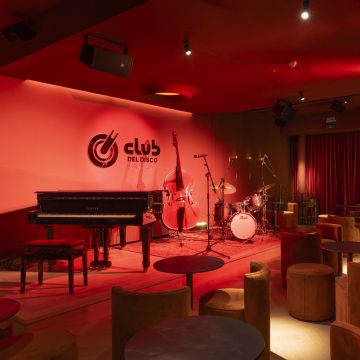
“We founded Altertango in 2001 with singer Victoria di Raimondo, and we immediately knew we wanted to develop a solid professional project, build a career that would allow us to work every day, travel to give concerts, tours, record albums…”. Elbi and Victoria worked hard to transcend Mendoza. “We played a lot in Chile, which is next door and where there is a great scene and cultural sensibility”. They watered the desert flower with the sweat of their brows and the result is a career that almost spans a quarter of a century, with eight albums, the last of which, the poetic La saga dels marges (Club del Disco), has been released very recently.

In fact, the project's solidity is such that Altertango has survived Victoria's departure and the fact that, in 2019, Elbi left Mendoza to settle in Barcelona, “where I have felt at home from the very first moment”. And, while preparing the trip to present La saga dels marges in Argentina, after its debut here, she is also finalizing preparations for the album Piano canción 2, recorded as a duet with singer and writer Alejandro Guyot, and composing material for her solo alias Món piano. “I am proud to write songs and fight for them to have a journey”, she reflects.
No criticism allowed (for now)
“Coming to Barcelona has been the best decision of my life”. That clear. Here, the pianist has led projects such as Gattaca Nou Tango or Proyecta Tango and has founded her own studio: the Barcelona Piano Estudi, from where she teaches and carries out tireless musical proselytism. To spread passion and knowledge in equal parts.
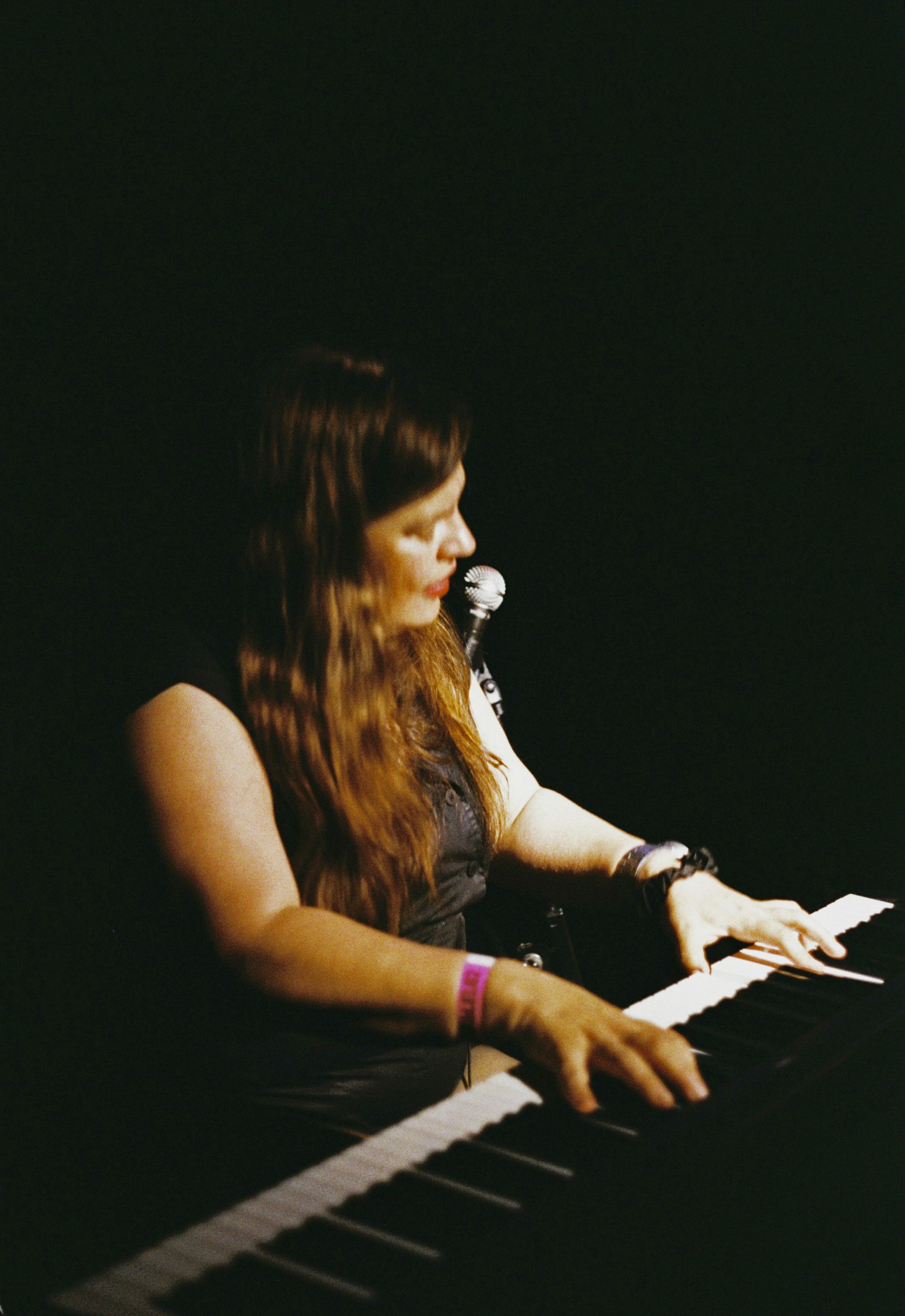
Here she feels fully integrated. “Despite suffering from a cultural management model that affects the intermediate layer of musicians, creators and spaces, I still look at this diverse city as one looks at the love of their life”. She is not yet in that phase of Barcelonity where the relationship with the city becomes love-hate. “Life, here, is beautiful –she says–. And I am very bothered by people who criticize this city”. She sips the last drop of wine, after which she adds, laughing: “at least, for now”.
– What makes life here so beautiful is our gastronomic offer. We still have the kitchen open in case you want to eat something like a sandwich, a combo platter or a tapa…
Elbi Olalla doesn't need to think about it much. With her wide smile, she replies instantly:
– Some tapas, no doubt… and, as a good woman from Mendoza, I ask you for another glass of wine!
Well chosen. The perfect food to keep flourishing.
Add The New Barcelona Post as your preferred Google source for free
Stay informed with the latest news.