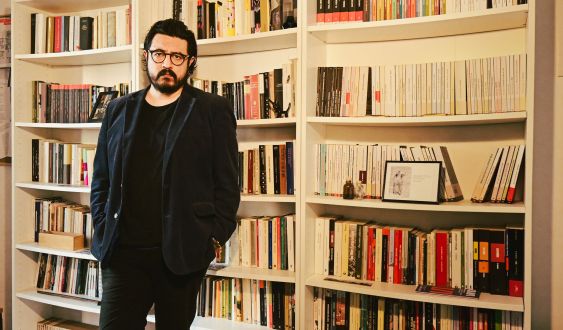
"Writing is not as solitary and individual an activity as people usually believe. Writing is above all listening, invoking, having an awareness of what one is doing. A writer has to have that clear, much more than the petulance of finding one's own voice. Knowing how to listen." Leaning against the bar, enveloped by the notes of Déjenme si estoy llorando by El Gran Silencio, Eduardo Ruiz Sosa sips a Black Ipa while continuing to reflect aloud. "Writing is a deeply political act," he concludes.
With a mind capable of moving very quickly in multiple directions, he forged himself first as a reader and later as a writer in his native Culiacán, alternating engineering studies (the same as his father) with his frequenting of reading clubs and Elmer Mendoza's literary workshop, one of his great teachers.
After a season spent in a factory in Tijuana, breathing plastic fumes and corporate terror, he realized that was not the life he wanted. "In 2006 I arrived in Barcelona to pursue a master's in History of Science and do a doctorate. As soon as I arrived, on the first day, I knew this was my place." He would return to Culiacán to get deeply involved in its cultural initiatives, but since 2018 he has returned permanently to a city where he lives from what he loves most: "from reading and writing." Books, articles, writing courses or initiatives such as Km América, the city's Latin American literature festival, which has just celebrated its fifth edition. "This year's edition, much more political in nature, demonstrates that the festival is a kind of well-established Latin American territory in Barcelona that reaffirms the aesthetic diversity and critical thinking of contemporary Latin American literature."
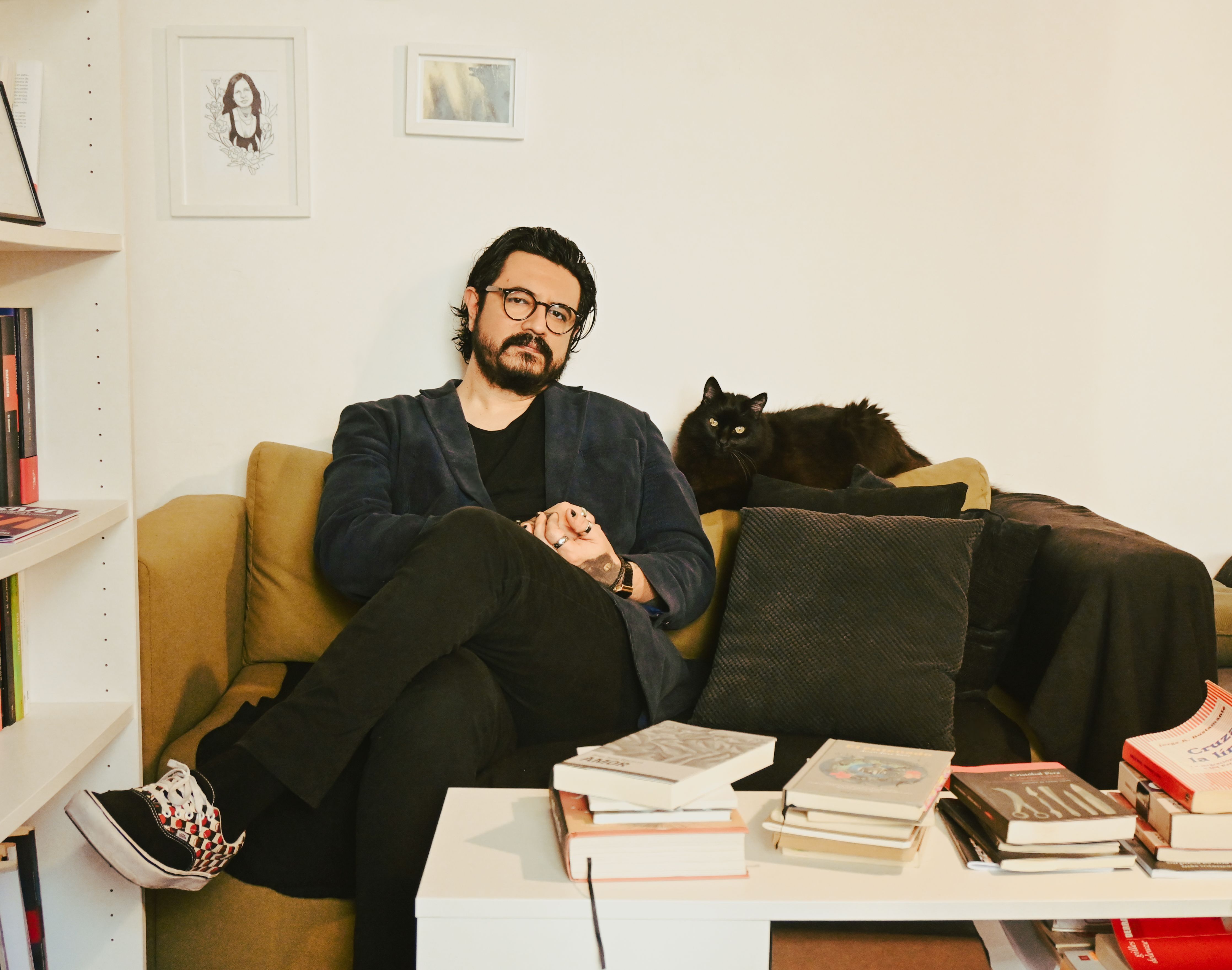
His career as a writer began in 2008 with La voluntad de marcharse, a book of short stories published in Mexico that won the Inés Arredondo National Prize, named after the Culiacán-born writer who was born in the Los Portales café where the teenage Eduardo discovered countless worlds in the form of ideas, books, and poems. Voices that ended up nurturing his own voice. "In 2014, I won the Han Nefkens writing scholarship with Anatomía de la memoria, my first novel." Since then, he has published with Candaya publishing house, with whom he has just released his new novel, El paisaje es un grito, a choral memoir of colorful and categorical prose, which navigates the mined terrains of migration, violence, and exploitation. From the large companies that tear up the earth to the drug traffickers who do the same with people's lives.
Paying the debt to the masters
Eduardo Ruiz Sosa has been writing for a few years and listening all his life. Strengthening his prose and his soul thanks to masters and mentors to whom he feels indebted. The most important, perhaps because he was the first, is Martín Amaral. "He was the architect of many initiatives to promote reading and writing among young people, and he was the first to guide me towards literature." Eduardo has kept his legacy alive through an initiative to promote reading among young people through the Culiacán Institute of Culture.
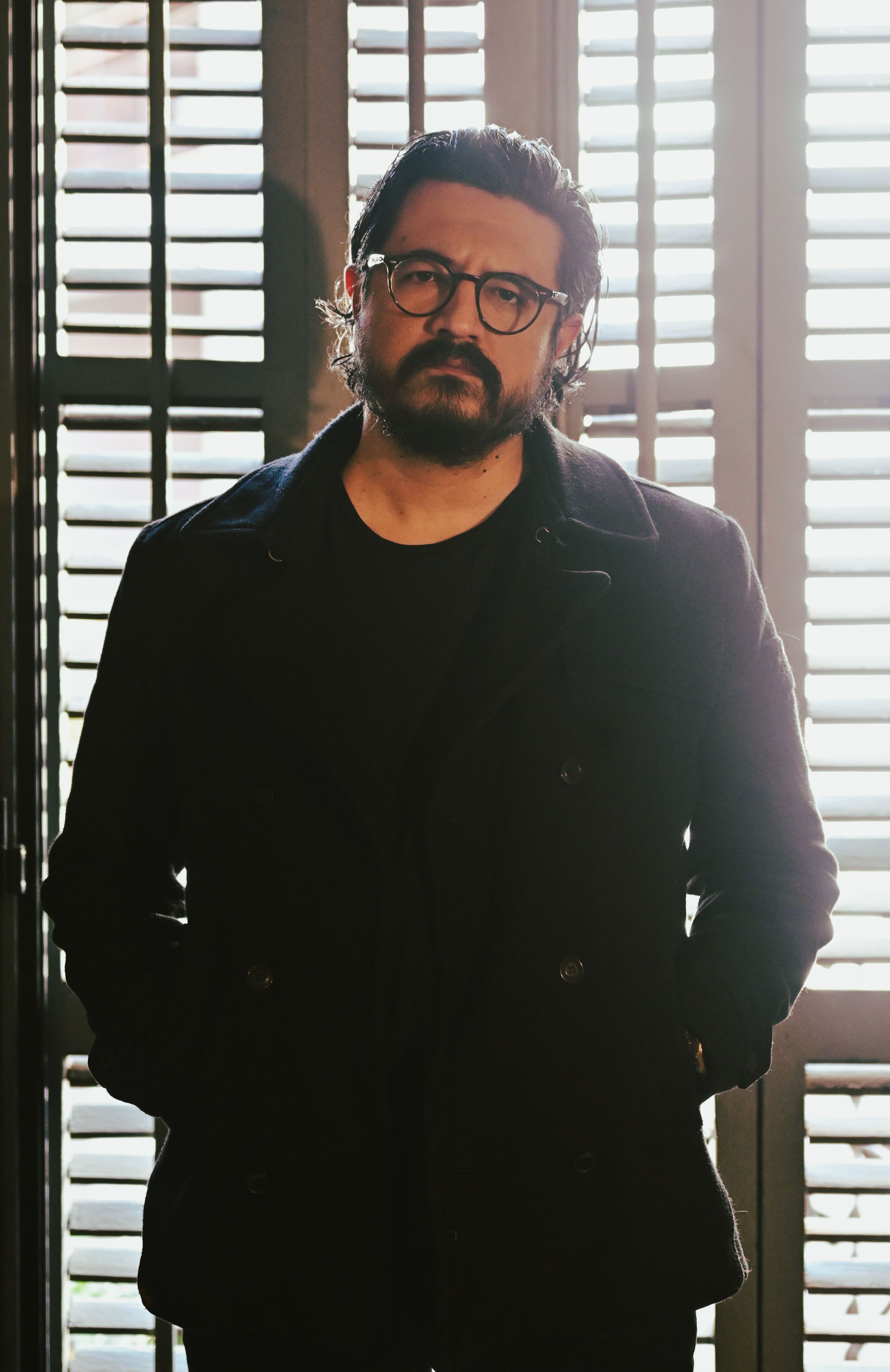
Two other masters are the writers César López Cuadra and David Toscana. With them, he has closed an important circle: "going from them helping me to me publishing, to having the pleasure of publishing their work in Spain through Candaya."
For now, he still has to pay the debt to his fourth great mentor, the writer Elmer Mendoza, "in whose literary workshop I trained." Although perhaps the great tribute is having gone from being Elmer's student to becoming one of the most singular voices in current literature in Spanish. What master would not wish for that?
A small and colorful space
"Barcelona is the city where I want to live and, more specifically, Poble Sec is the neighborhood where I want to live," states the writer, taking a sip of his beer and preparing his pack of Lucky Strike to go out for a smoke. In love with a neighborhood life threatened "by gentrification, the overcrowding of tourists and expats and the effects it has on the city," he confesses that he loves walking through Barcelona.
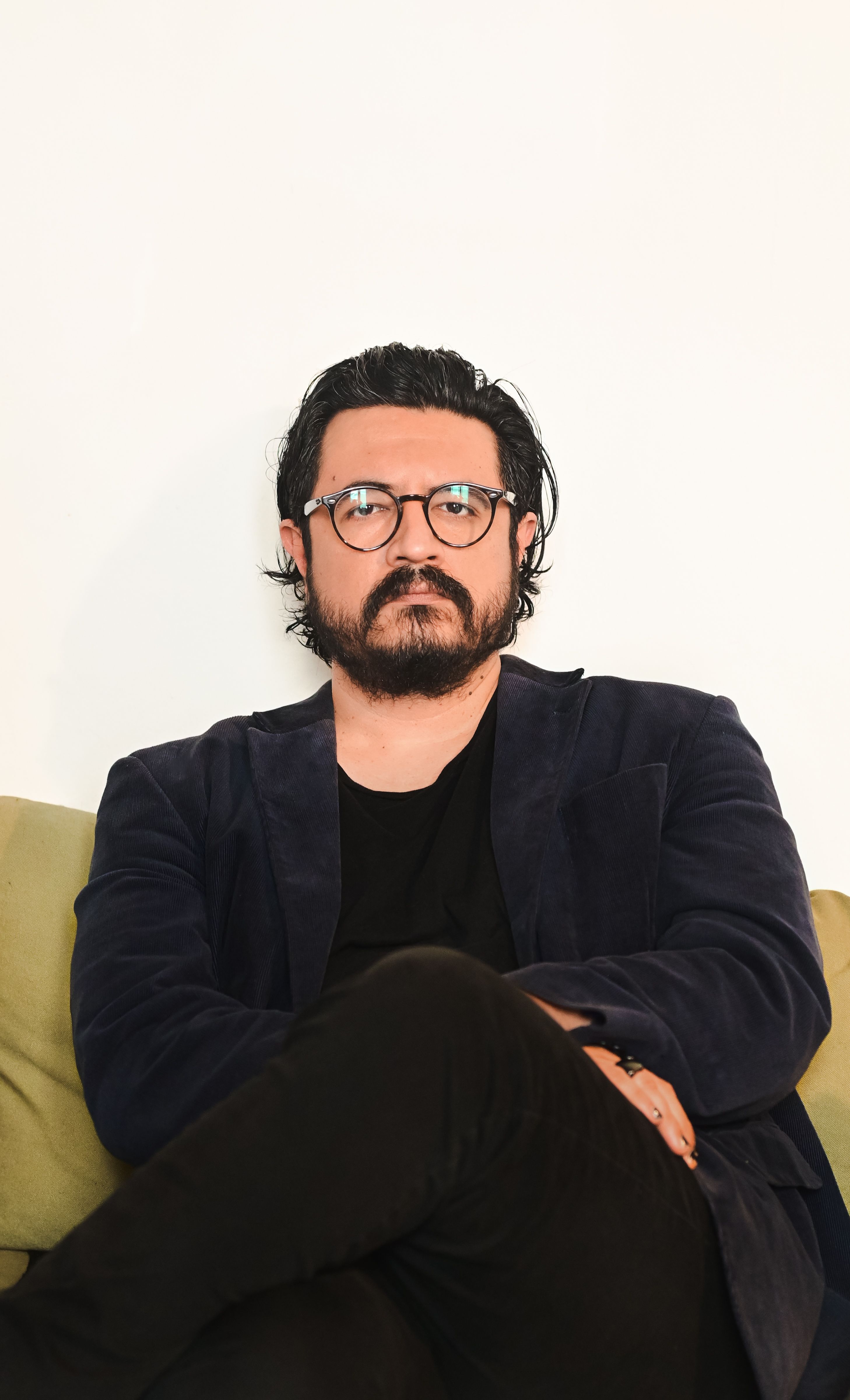
"It cannot grow any more, which gives it an ideal size. It is a small space where there is an enormous variety of people, of situations." And also of bars, his natural habitat, because he spends hours there writing –"I wrote my entire first novel in a bar"–, reading or, simply, listening.
– Before you go out to smoke, it's already gotten dark and maybe you'd like us to prepare something for you to eat for dinner, a dish, a tapa, a sandwich…
Mosca de bar, by 2 Minutos, plays in the background. Eduardo Ruiz Sosa observes the diverse landscape, a thousand worlds that fit into a few square meters, gathered around a bar or a table. The writer smiles. He is comfortable.
"I think a couple of tapas will sound good," he replies, happy, as a night where anything is possible unfolds. Where everything can be heard and your life can change.
Add The New Barcelona Post as your preferred Google source for free
Stay informed with the latest news.