Barcelona has been the scene—telematic, of course—these last few days of two meetings on the economic prospects for 2021. The first was organized by the Cercle d'Economia and featured the participation of the Third Vice President of the Government, Nadia Calviño. The second was hosted by the Amics del País association, where three CaixaBank experts gave their international, local, and market views on the matter. All agreed that this will be a year of growth after a 2020 in which the global economy has been severely hit by the coronavirus crisis.
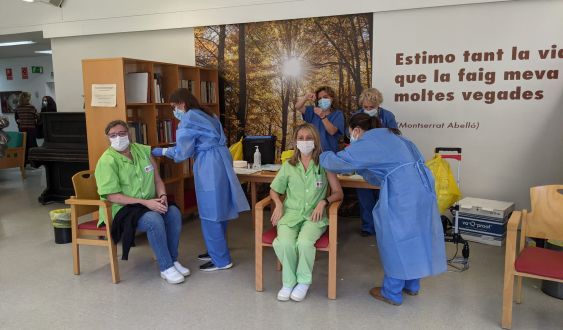
Calviño highlighted the "feat" that an effective vaccine against the virus has been developed in record time. In fact, there are already three operational ones, Pfizer, Moderna, and Astra Zeneca, and others on the way. We only need to overcome obstacles in production and distribution to achieve a sufficient mass of the world's population vaccinated in the coming months to neutralize the virus and allow us to recover normality in our lives. It is true that some countries are already much more advanced than the rest, including Spain, but we must trust that it is only a matter of time before no one is left behind.
Yesterday, Martin Wolf, one of the leading columnists for the Financial Times, wrote in his weekly article that one of the great challenges to reactivating the economy is to have a virus that knows no borders under control. Therefore, it is essential that state leaders "look up" beyond their own countries and act globally. The virus "cannot be under control worldwide unless it is under control worldwide." It might seem like a truism, but it is not. The alternative, he points out, is "to remain within our national prisons indefinitely."
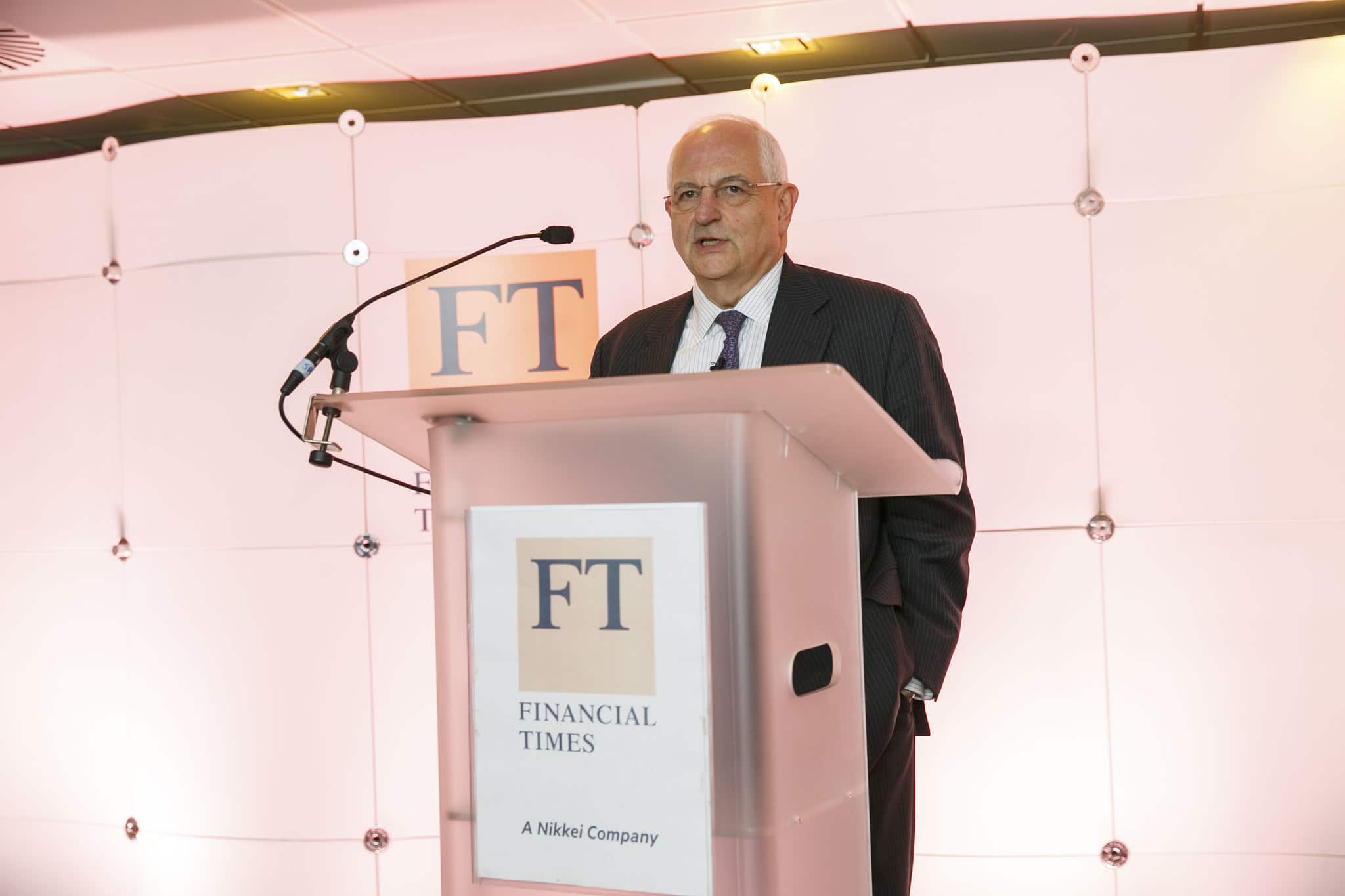
This is a global war that we are not yet winning, Wolf concludes his column. Defining and executing a global strategy will be the final feat in the fight against the pandemic. In this sense, the speakers at the two Barcelona meetings agree that there are already reasons to believe that they are on the right track. The first is that, unlike the 2008 crisis, in which cuts and spending containment prevailed, this time public administrations are allocating money to investment and to maintaining the solvency and liquidity of the productive fabric, which includes direct aid to some economic activities and professional groups.
In this framework also lies the European feat of having known how to act jointly in the acquisition of vaccines. If each country of the Union had acted on its own, it would have only broken cohesion and widened inequalities, one of the great dangers of this reactivation process. That is why the aforementioned global strategy is essential, and the European Commission's initiative to make available to member states the largest social and economic stimulus package ever financed takes on great importance.
For now, the International Monetary Fund's forecast is for 5.5% growth in 2021, and 4.2% in 2022. However, as Calviño and CaixaBank experts tirelessly reminded, everything will depend on the vaccine administration plans being met.
Economists speak of a V-shaped exit from the recession, which consists of a sharp fall and a quick recovery. There are also U-shaped exits, with a slower recovery, and even W-shaped, with a double fall after the first recovery. It is a way of summarizing with letters the scenarios of the crisis after the coronavirus. For now, it seems that the exit is V-shaped, but above all, vaccine-shaped.
Add The New Barcelona Post as your preferred Google source for free
Stay informed with the latest news.
