In a context of constant transformation, Alimentaria celebrates its 50th anniversary in 2026, consolidated as one of the main international platforms in the sector. Throughout these five decades, the exhibition has evolved in parallel with the industry itself, accompanying its opening to new markets and its growing global projection.
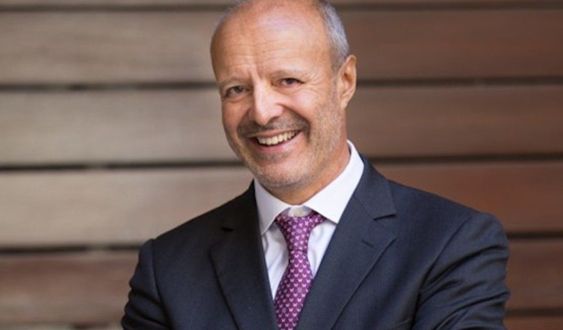
Leading this edition is Antoni Llorens, president of Alimentaria and president and CEO of Serunion Elior. With a career spanning more than 30 years in the foodservice sector, he analyzes the strategic role of the event, its international dimension, and the challenges that will mark an edition to be held from March 23 to 26 at Fira de Barcelona.
— Alimentaria celebrates its 50th anniversary this year. How has the event evolved from its first editions to become one of the major international platforms in the food industry?
— The evolution has been spectacular. Alimentaria started as a small exhibition organized by some manufacturers and has become a global platform and one of the benchmark fairs in the food sector.
The key to this evolution is that the fair has always grown alongside the industry. Food is a very dynamic sector that has had to constantly adapt to changes in consumer tastes, climatic situations, periods of inflation, or even a pandemic. In these 50 years, many things have happened, and Alimentaria has always been by the industry's side.
Initially, the exhibition accompanied Spanish companies in their internationalization process. Today, however, it is an absolutely international fair. There is another very relevant fact, and that is that many companies have been at Alimentaria since its origins and have never missed it. It is difficult to find sectors where the companies that were leaders 50 years ago are still leaders today. However, in Alimentaria there are many brands that have accompanied the exhibition for five decades.
— What is the mission and vision of Alimentaria+Hostelco today within the global ecosystem of food fairs and the HORECA channel?
— Alimentaria is based on three very clear strategic axes. The first is to understand that Alimentaria is not a single exhibition: it is what I call an exhibition of exhibitions.
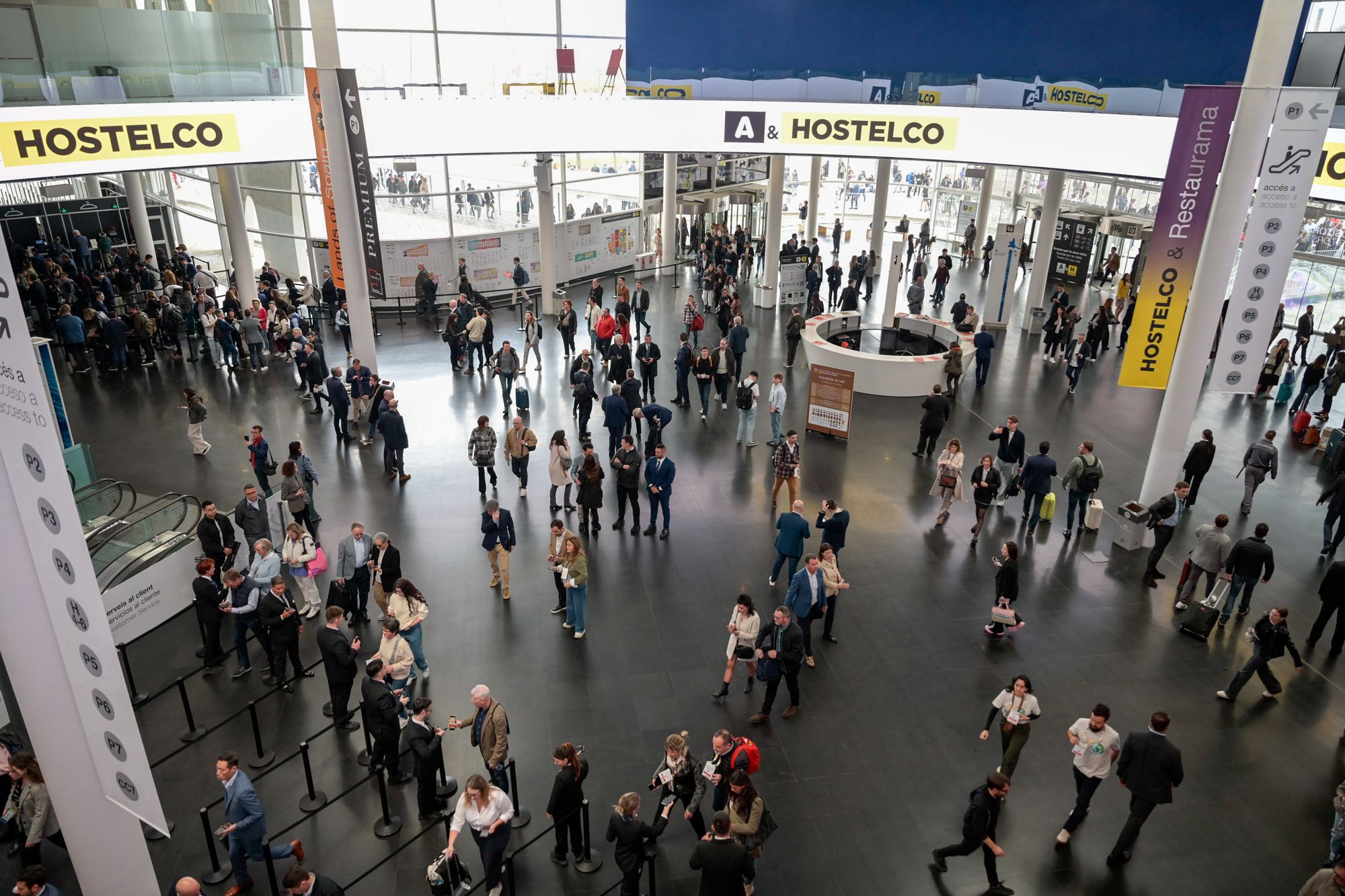
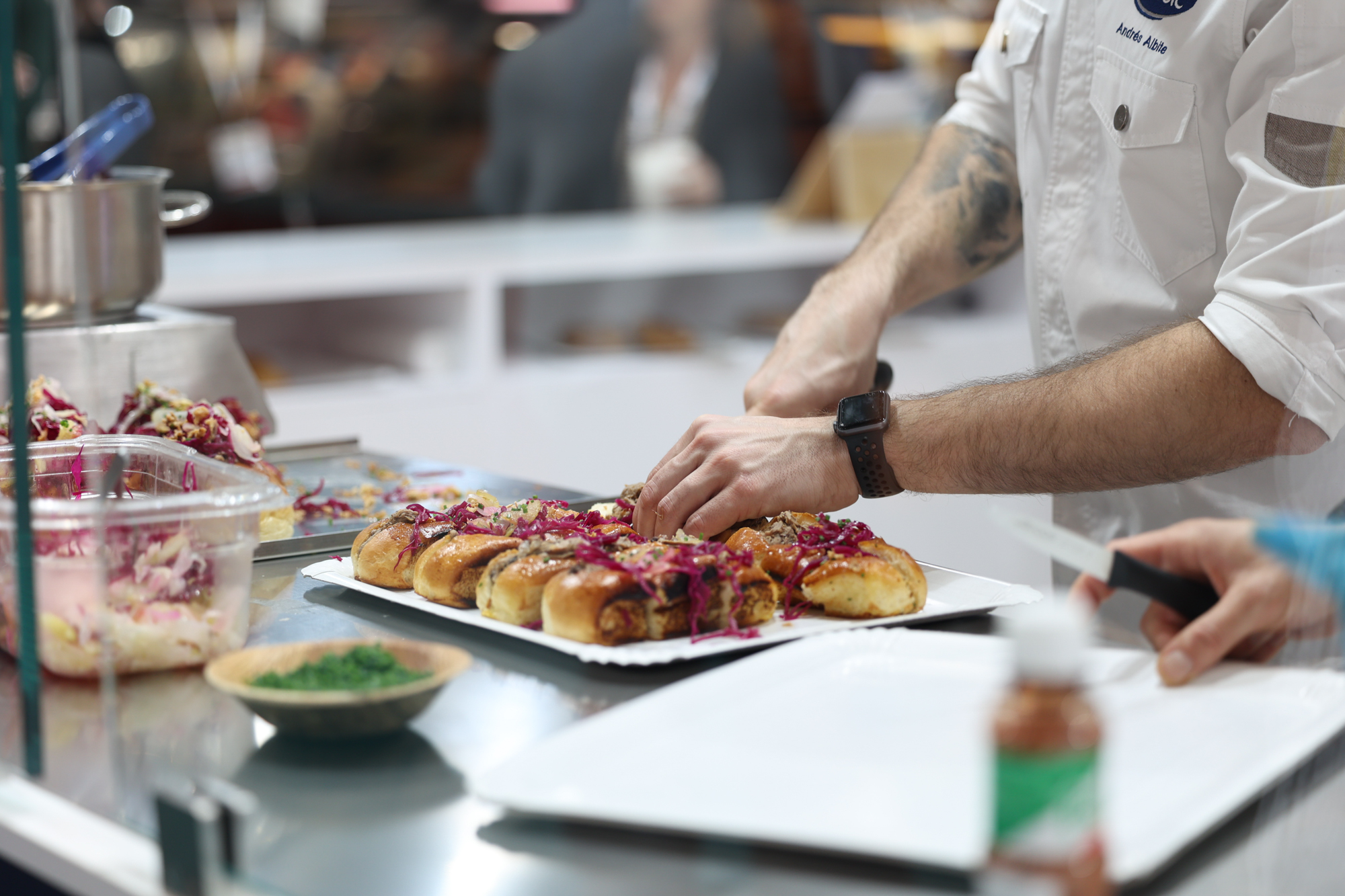
It is very sectorized. Within Alimentaria, we find different specialized spaces, such as Intercarn, Interlact, Restaurama, or those dedicated to organic products. That is, there is a very clear verticalization to respond to each subsegment of the sector. The second axis is internationalization and integration with the Horeca world through Hostelco. The union between Alimentaria and Hostelco allows offering a solution for the entire value chain: from food producers and processing industries to distribution, catering, and hospitality.
The third fundamental axis is innovation, key at all points of the value chain. From agricultural production —where technologies are applied today to optimize resources such as water— to industrial processes or distribution. Technology is profoundly transforming the entire sector.
— If we compare this edition with previous ones, what evolution has it experienced in terms of company participation, visitors, and internationalization?
— The evolution of this edition compared to the previous one is very clear, especially in the international arena. We will have 3,300 exhibiting companies, of which 1,200 are international, which represents a 33% growth in the number of international exhibitors compared to the previous edition and a 41% increase in the area occupied by these companies.
Regarding visitors, the last edition closed with 107,000 professionals, and everything indicates that this figure will be surpassed this year. A few weeks before the fair, the pace of accreditations is already clearly above that recorded at the same time of the previous edition, so the forecast is around 110,000 visitors, with the possibility of even exceeding that figure. The international weight of demand will also grow. Approximately 25% of visitors will be international, which confirms that Alimentaria+Hostelco has not only gained dimension but also global reach. We are facing the most international edition in the history of the fair.
— What role does it play as an international expansion platform for Spanish companies?
— Historically, that has been one of the main objectives of the fair: to help Spanish companies internationalize. Today, that role remains fundamental, but Alimentaria has also become a true global business hub.
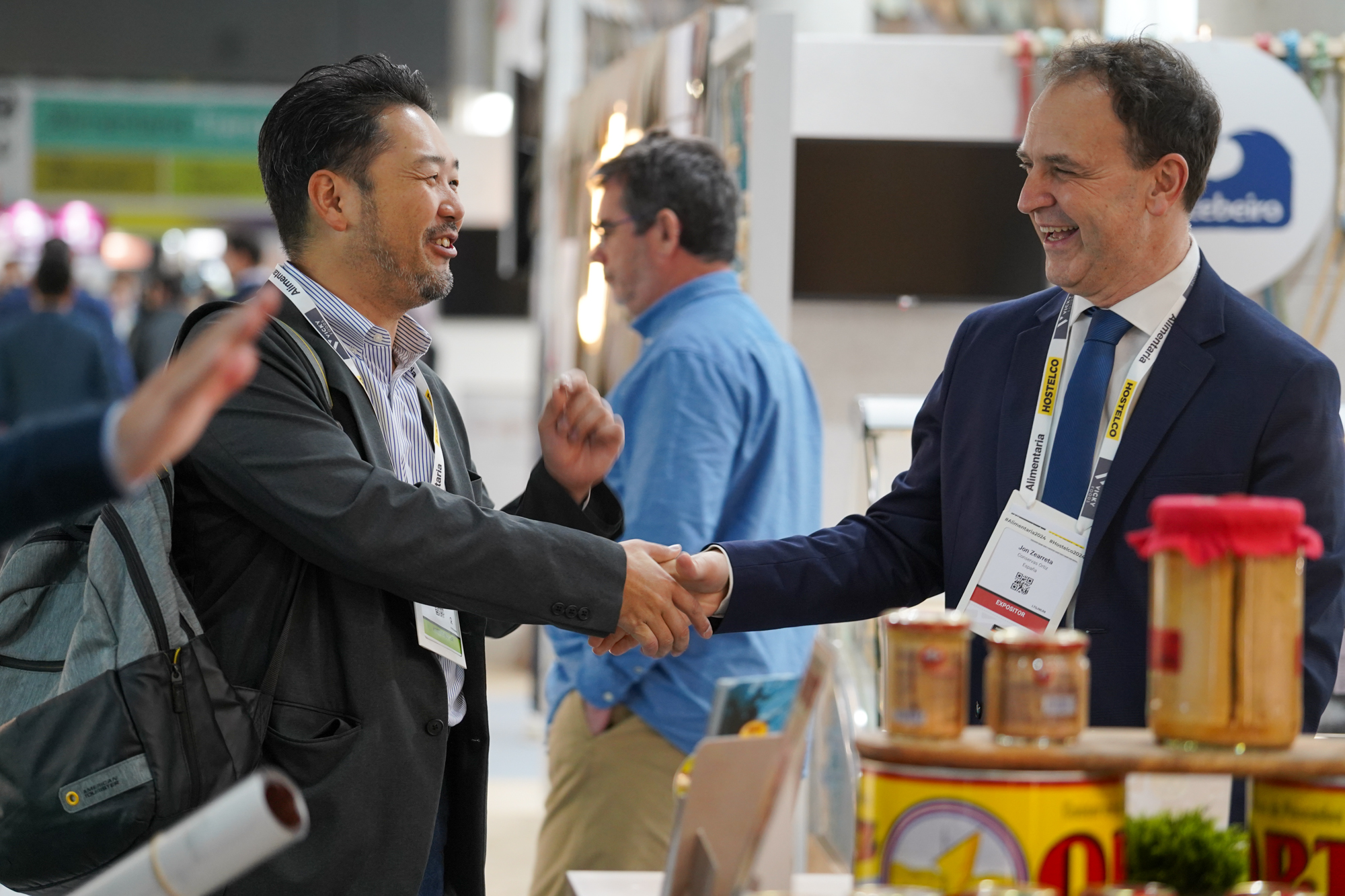
A very significant fact is the Hosted Buyers program that we organize together with ICEX and the Ministry. In this edition, we invited 2,700 buyers, of which 1,500 come from abroad. They are highly selected buyers from strategic markets such as the United States, Mexico, China, and Canada. Each of them is organized a personalized agenda of meetings. Currently, there are already 14,000 business meetings scheduled, which demonstrates the enormous commercial potential generated by the event.
— Barcelona has consolidated itself as a key city for the gastronomic and food sector. What impact does the event have on the local economy?
— We estimate that the induced economic impact for Barcelona will be around 180 million euros this year. But beyond the direct economic impact, there is an even more relevant element: during Alimentaria+Hostelco, Barcelona positions itself as the world capital of food.
Spain has an enormous wealth of raw materials —agriculture, livestock, and fishing— and a very powerful processing industry. Added to this is internationally recognized gastronomy, with some of the best restaurants and chefs in the world. All this ecosystem makes Barcelona a global reference point during the celebration of the fair.
— Each edition incorporates new content and formats. What innovations would you particularly highlight in this edition?
There will be many innovations, some anecdotal —such as curious products or unexpected combinations—, but what is truly relevant is the profound transformation that the industry is experiencing thanks to technology. The digitalization, artificial intelligence, and new technologies are transforming the entire value chain: from production to logistics, distribution, or the relationship with the consumer. That is the truly structural change we are seeing in the food industry.
— The HORECA channel will play a prominent role this year. What opportunities does it generate within the event?
— The horeca channel has grown enormously in recent years. Its weight within the food sector is much greater than a decade ago. Consumers are increasingly demanding and seek a more diverse and sophisticated gastronomic offer. Today, in cities like Barcelona, you can access cuisine from practically anywhere in the world. During Alimentaria+Hostelco numerous contacts, knowledge exchanges, and business opportunities are generated that each company can take advantage of according to their interests.
— Alimentaria brings together large multinationals as well as SMEs and startups. How is this business diversity balanced?
— In reality, there are many Alimentarias within the same fair. There is the Alimentaria for large multinationals, the Alimentaria for Spanish SMEs that want to internationalize, the Alimentaria for foreign companies that want to enter the Spanish market, and also the Alimentaria for startups. In spaces like The Alimentaria Hub, more than 60 startups participate with very innovative proposals, from functional foods to artificial intelligence solutions applied to personalized nutrition. There is space for everyone.
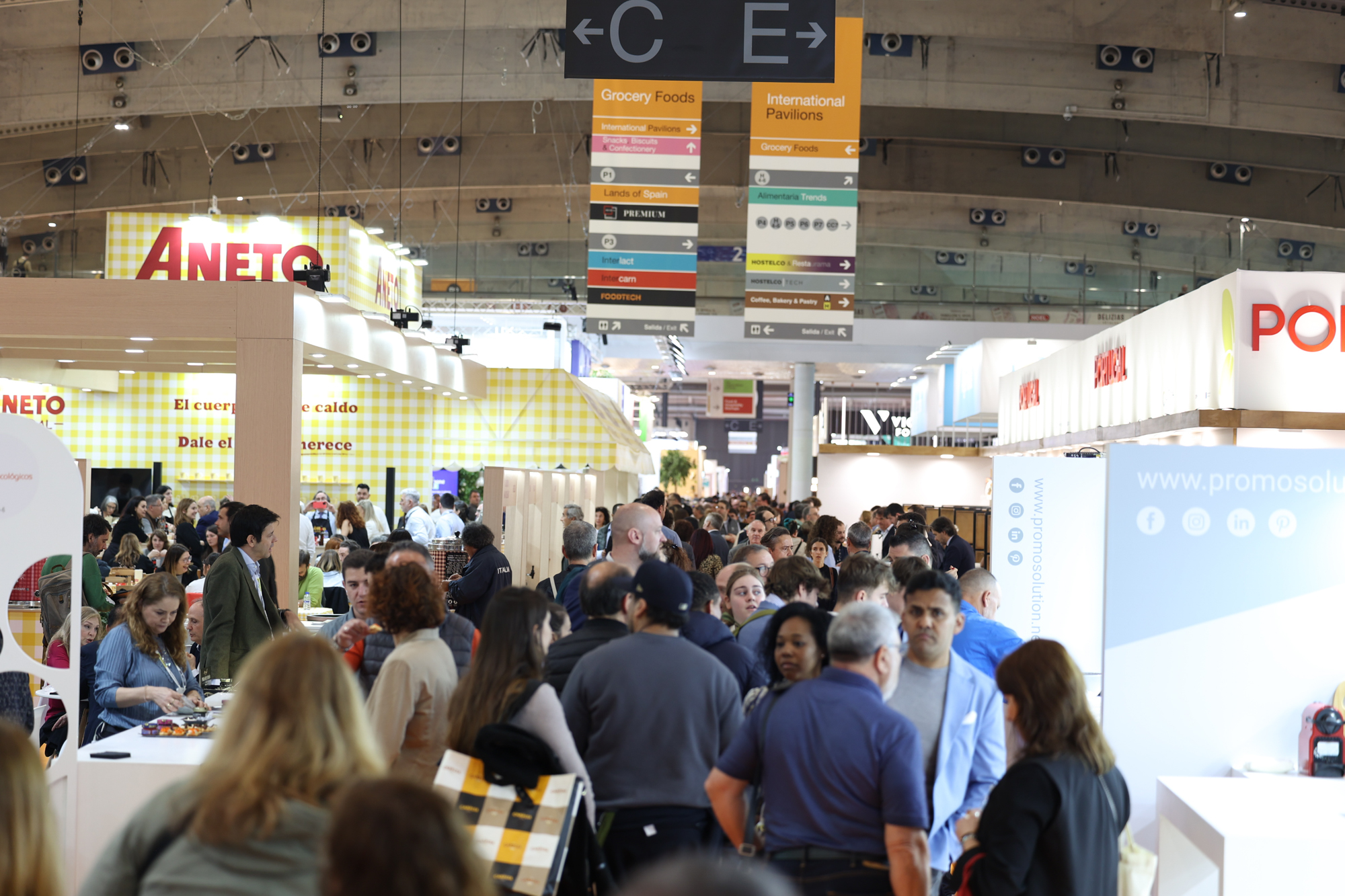
The important thing is that whoever visits Alimentaria soaks up everything that happens inside. So many things happen that it is impossible to see even a tenth of the whole, so it is key to organize your agenda well and attend those presentations, round tables, or stands that truly respond to the interests of each professional. To get an idea of the magnitude of the event, the surface area of this edition is equivalent to 28 times the Barça field, with more than 100,000 square meters of exhibition.
— Looking to the future, how do you imagine the evolution of Alimentaria and the sector in the coming years?
— The food sector is as old as humanity itself. It has always existed and will continue to exist, although adapting to changes. It is not a disruptive sector like others, but it constantly evolves and improves in efficiency, technology, and sustainability.
Between editions, important advances occur, especially in the technological field, but these are changes that are gradually integrated into the value chain. Regarding the fair, the main challenge of this edition has been space. We have occupied all available pavilions of the Gran Via venue, which has limited growth capacity.
Looking ahead, the incorporation of Fira de Barcelona's new pavilion 0 will open up new possibilities. It will be an opportunity to strategically rethink the event, grow, incorporate new halls, and continue expanding Alimentaria's reach. Everything indicates that this growth will continue. Alimentaria+Hostelco is a global fair, a winning fair, and its evolution is unstoppable.
Add The New Barcelona Post as your preferred Google source for free
Stay informed with the latest news.