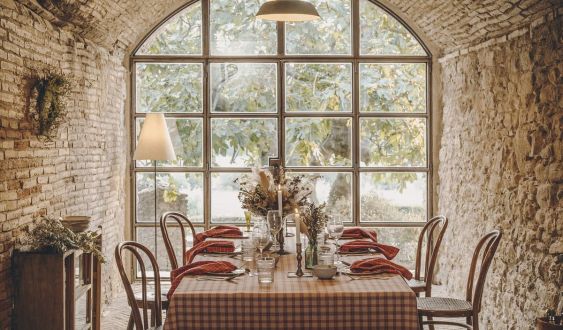
Our home has become more than ever our personal refuge, adapting to all the needs that in recent times have shaken our dynamics, from teleworking to online classes, passing through new needs arising from the pandemic, and that have made the hall a unique corner with keys, masks and hydroalcoholic gel. Since the outbreak of the coronavirus, house interiors have eclipsed fashion as a style reference, creating a new, more attractive domestic appearance with a touch of singularity. In this sense, home design has become a growing dimension in the world of fashion.
While the interaction between both universes (fashion and home design) was already brewing, the pandemic was the accelerator that ended up consolidating the prominent place that home collections occupy today within the fashion industry in general. This, added to the limitations that until recently the travel and leisure sectors have suffered, has motivated a tendency to allocate part of household budgets to readjusting the interior space, either to respond to new needs or to offer a more aesthetic touch to the whole set. In this sense, the distinctive brand that can offer towels, candles, bedding, or kitchen utensils, among others, makes these a rising value, more or less accessible, that respond to emotional desires that, in addition, beautify the house.
This is demonstrated by the foray in recent months of fashion chains Gap and Mango into the home sector. Following in the footsteps of Zara and H&M, the Catalan firm launched this past spring the first collection of Mango Casa, with an offer that includes textiles, specifically bedding, pillowcases and duvets, blankets, towels and bathrobes, as well as a line of candles and mikados. For this winter, kitchen utensils and dining room products are added to the proposal, thus including suggestions for the main rooms of the home. This ensures that Mango's presence, beyond clothing, is in every corner of the house.
As with the fashion line, Mango's home collection intrinsically carries a commitment to sustainability, which translates into a reduction in the use of plastics in the packaging of shipments, in the production of 80% in proximity countries, and in the use of sustainable fabrics (linen and cotton) and processes in 75% of the total production.
According to Laura Vila, director of Mango's home line, "launching this new home collection has been a natural evolution for Mango and allows us to offer our customers a more lifestyle product, while diversifying the categories we work with. We have been dressing our customers' wardrobes for a long time. Our hope is now to be able to dress their homes." Mango Casa's proposal is inspired by the Mediterranean style, to offer a contemporary design collection that plays with a palette of neutral colors that bring serenity and comfort to the environment they dress.
From the runway to the home
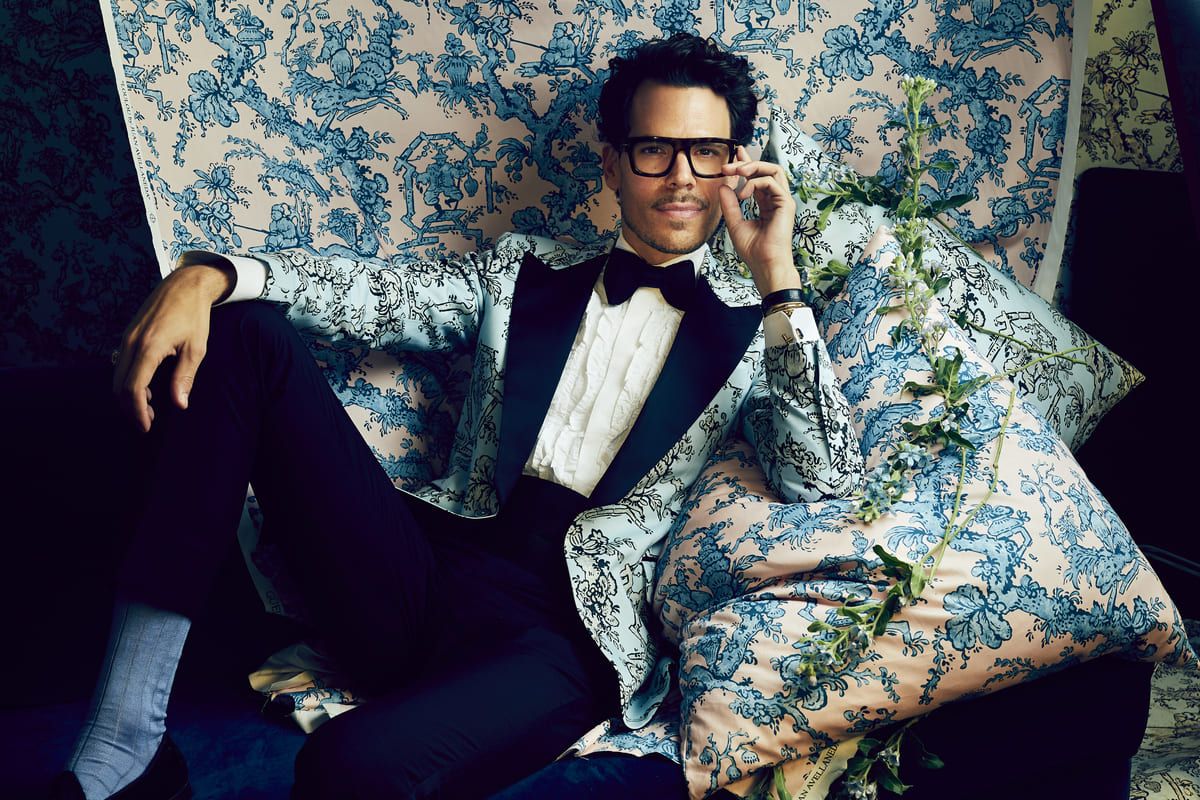
Proper names such as that of Barcelona-native Juan Avellaneda or that of brothers Iñaki and Aitor Muñoz, alma mater of Ailanto, resonate strongly, not only on the runways but also within the domestic environment thanks to proposals that, as collaborations or in a more personal sphere, have made their conception of aesthetics transcend to a more private sphere such as the domestic. In the case of Juan Avellaneda, his textile collections bring a marked point of sophistication to the home from a groundbreaking style, typical of his fashion line. A good example is his latest capsule collection Loulou by Avellaneda, which he designed this autumn for Güell Lamadrid.
The collection is inspired by the figure of Loulou de la Falaise, a chic muse of the 70s and a great reference of style and sophistication, who worked as a designer for great names in fashion such as Yves Saint Laurent, Halston, and Oscar de la Renta and managed with her work and style to reinvent the concept of elegance and eliminate the aesthetic barrier between genders. Through her legacy, Avellaneda designs a print that reinterprets the classic French toile de jouy with chinoiserie-style illustrations that bring exoticism to a groundbreaking and colorful proposal, designed for upholstery, pillows, curtains, and home accessories.
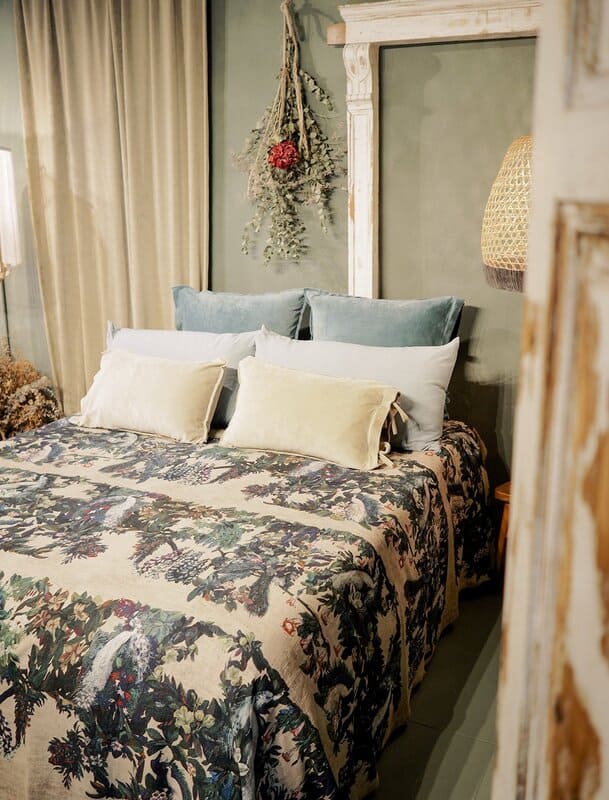
Established for years in Barcelona, the twins Iñaki and Aitor Muñoz have made their fashion firm Ailanto a benchmark, in terms of uniqueness, through the exclusive prints they create themselves and which define their proposals. This unique hallmark that characterizes their fashion designs is today the essence of the new collection that the firm has presented to also dress the dining rooms and bedrooms of the home. Inspired by nature, the collection becomes a particular paradise filled with birds and lush vegetation, with cotton and linen as the main raw materials. This personal universe of the Muñoz brothers materializes in bedspreads, blankets and placemats that can be purchased directly from the Ailanto website.
Diversification of fashion firms present in Barcelona
Other reference firms with stores in the Catalan capital have also joined this new adventure of being at home in recent months. This is the case of Camper with its new range of products Camper Goods, which includes an attractive selection of high-quality utensils "designed to brighten your daily routine." 46 years after its creation, the footwear brand ---with legendary models such as the mythical pelotas--- now has nine stores and a Casa Camper hotel in Barcelona, as well as a new domestic adventure with which it wants to give value to innovative design and the simplicity of the Mediterranean lifestyle, characteristic of the brand since its origins.
"True well-being is found in the small things in life. The brand's design principles foster a culture of authenticity, where aesthetics are a source of personal satisfaction, based on the belief that objects should provide well-being, be well-designed and practical," the company itself points out. In this sense, the collection includes industrial design classics, craft pieces and exclusive Camper creations ranging from oil cruets to frying pans, including a botijo or a mat, among others.
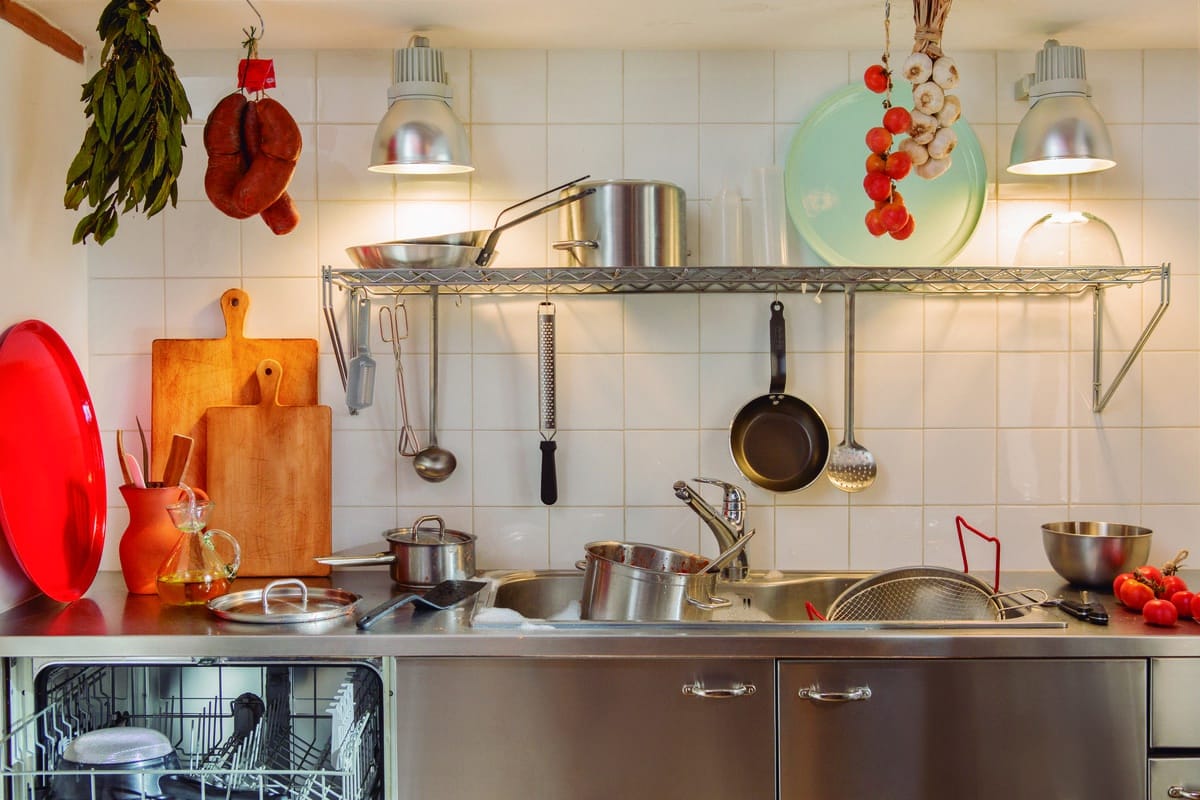
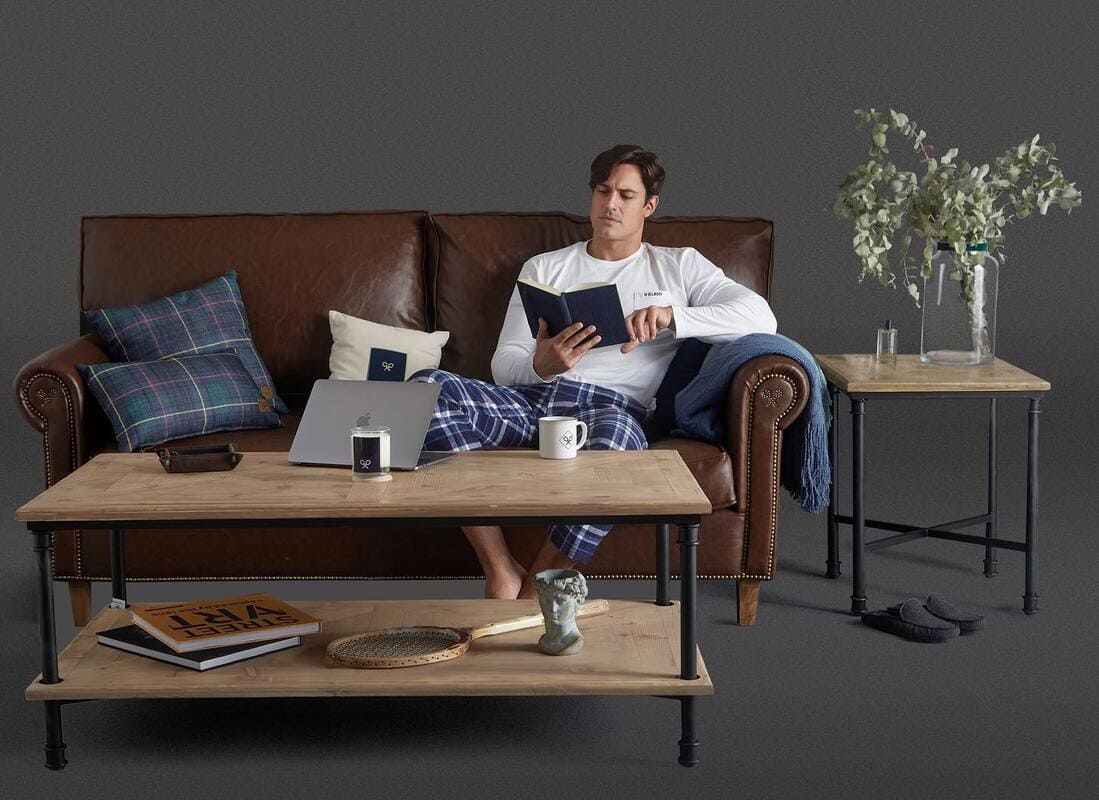
Another example of those that have made the leap to home furnishings is the firm Scalpers which, with stores in Barcelona, has also opted for diversification with Scalpers Home. Akin to its timeless classic and somewhat casual style that characterizes its fashion line, the first collection of home items recently presented features nearly 50 products to equip the kitchen, bathroom, or dining room with distinction and sobriety. Along with Scalpers, the fashion firm Silbon, also with a store on Tuset street, transfers its preppy air to the world of decoration with Silbon Home, a diversified line of items that also includes furniture pieces.
Among the latest to be added to this category is Tendam, one of the main European companies in the fashion sector which, through its online commerce platform, has included the Catalan chain Textura Interiors, specialized in home textiles, thus confirming more than a trend, a reality that seems to have come to stay and fill our homes with style and singularity.
Add The New Barcelona Post as your preferred Google source for free
Stay informed with the latest news.