Insects represent a protein-rich alternative to meat and fish, and are already an ingredient in the diet of countries like Thailand. Mediterranean gastronomy, however, is still reluctant to introduce these foods. The startup Dapibus was born with the idea of ending these cultural prejudices and reducing the environmental impact of the food industry, transforming larvae into protein sources that serve both for pet food and for field fertilizer. To manufacture these products, the company has opened the first fully automated biotransformation center in Spain in Abrera. The plant, which is expected to be at full capacity by mid-year, has a total area of 3,000 square meters and is one of the few centers of these characteristics in Europe, according to the company.
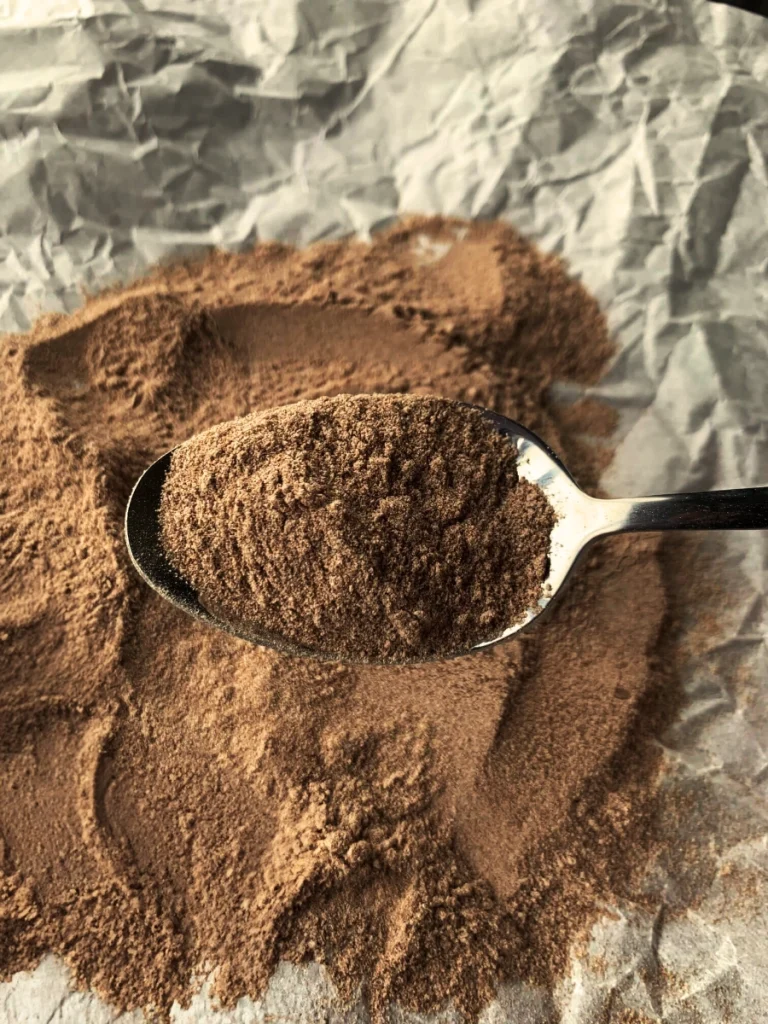
The production process starts with Black Soldier Fly larvae. "These larvae, compared to other insects, are the most efficient, sustainable, and innovative, as they allow us to transform low-quality food waste into valuable proteins and fats," explains Dapibus CEO, Alex Segura. During the transformation process, these larvae are fed with by-products derived from the food industry ---such as, for example, the discarded skins or pulps of fruits in the process of manufacturing a juice---. After fattening the larvae, protein flours and oils are obtained on one hand, which serve as pet food, and fertilizers for the field on the other. A process that is carried out with artificial intelligence tools and pioneering technologies, so that manufacturing is practically completely automated and requires little plant staff.
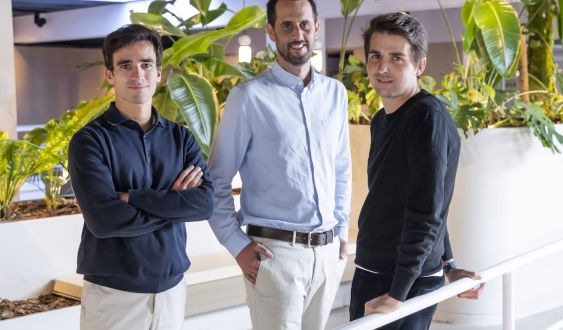
"The purpose is to offer a solution to the challenge of the saturation of the agri-food system, because we are increasingly more people in the world and we need to produce more proteins, but resources are limited," recalls Segura. With this purpose, Segura, who came from the textile sector but was already working on sustainability issues, founded Dapibus in 2021 ---which takes its name from this Latin word, meaning protein--- together with Arturo Almazor and Carlos Conde, with the idea of "leading the transformation towards a more sustainable industrial model and offering solutions that promote the circular economy and a more sustainable future." In addition to private investors and state aid, the European Union's LIFE program, dedicated to environmental preservation, financed up to 40% of the initial investment.
The objective of this new automated center is to be able to manufacture up to 3,500 tons of protein flour, oils, and fertilizers when the plant is at full capacity, as it is currently still in the testing phase. The idea is to produce at maximum capacity by mid-this year, when the workforce is expected to double from the current 10 workers to 20, with the forecast of invoicing up to four million euros with the commercialization of its products by the end of 2025.
The company, which for now is focused on the commercialization of its fertilizers and pet food, does not rule out in the future opening up to new markets, such as pig farming or fish farming, a sector in which they are already working, since fish farms themselves are increasingly opting to feed fish with alternative proteins, such as insects or algae. "We are even prepared if one day the opportunity arises to apply this process of transforming larvae into proteins for human consumption," says the CEO of Dapibus, although this option is not yet legally permitted.
Add The New Barcelona Post as your preferred Google source for free
Stay informed with the latest news.
