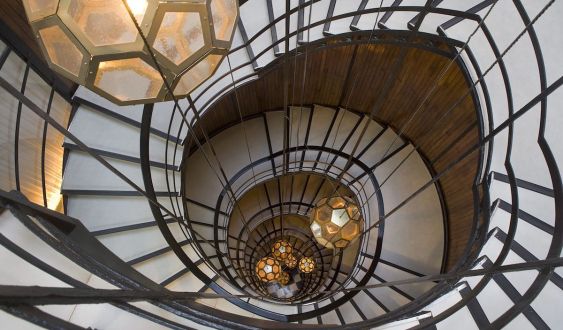
Everything starts with a thread. It is not seen, but it is everywhere: in the fields where it is born, in the trains and ships that transport it, in the factories that transform it, and in the salons where its value is negotiated. A cotton thread that crosses time and the city until it ends, silently, in one of the most elegant hotels in the Eixample: the Cotton House Hotel.
The most interesting stories usually work like this, following invisible traces and threads. And this one, that of chapter 14 of Hotels with History, is no exception: it begins far from Barcelona, continues on iron rails or ships that brought the fiber to the city, gets entangled in the life of the industrial bourgeoisie… and ends up transformed into a contemporary experience where the past is very present.
That same thread appears, almost as a visual key, on the cover of On Beauty. Notes on art, architecture and cities, a book by Anna Gener. The image (a suspended spiral staircase) is not just an aesthetic gesture, but the heart of the building and, at the same time, the perfect symbol of a story in which architecture, industry, and city intertwine. Gener spoke about this in a conversation with Elena Busquets in The New Barcelona Post, where this story, in a way, begins to take shape.
However, every story needs a recognizable origin. Let's get to it and lay the foundations of the hotel protagonist of today's chapter. We are in 1879. Barcelona is experiencing the boom of the Catalan Industrial Revolution and the Eixample is still a construction board, dotted with mansions and buildings of the local bourgeoisie. At 670 Gran Via de les Corts Catalanes, a three-story neoclassical mansion was built, commissioned by Miquel Boada i Vilomara, one of the great names in cotton in his time.
Boada was not noble by inheritance, but by capital. A fortune earned thanks to the import of American and Egyptian cotton. This prominent figure in the textile sector was a spinner, weaver, investor… and, above all, someone who understood earlier than many that without rails, no industry was possible.
The fortune of the Boada family, literally woven with cotton fibers, grew at the pace of the railway, which they promoted, and their participation in the Banco de Barcelona. The train was not a luxury or a capricious modernity, but the infrastructure that made the entire system viable: raw material arrived by it and finished product left by it. Without that network and without the port, there was no competitiveness; without competitiveness, there was no industry.
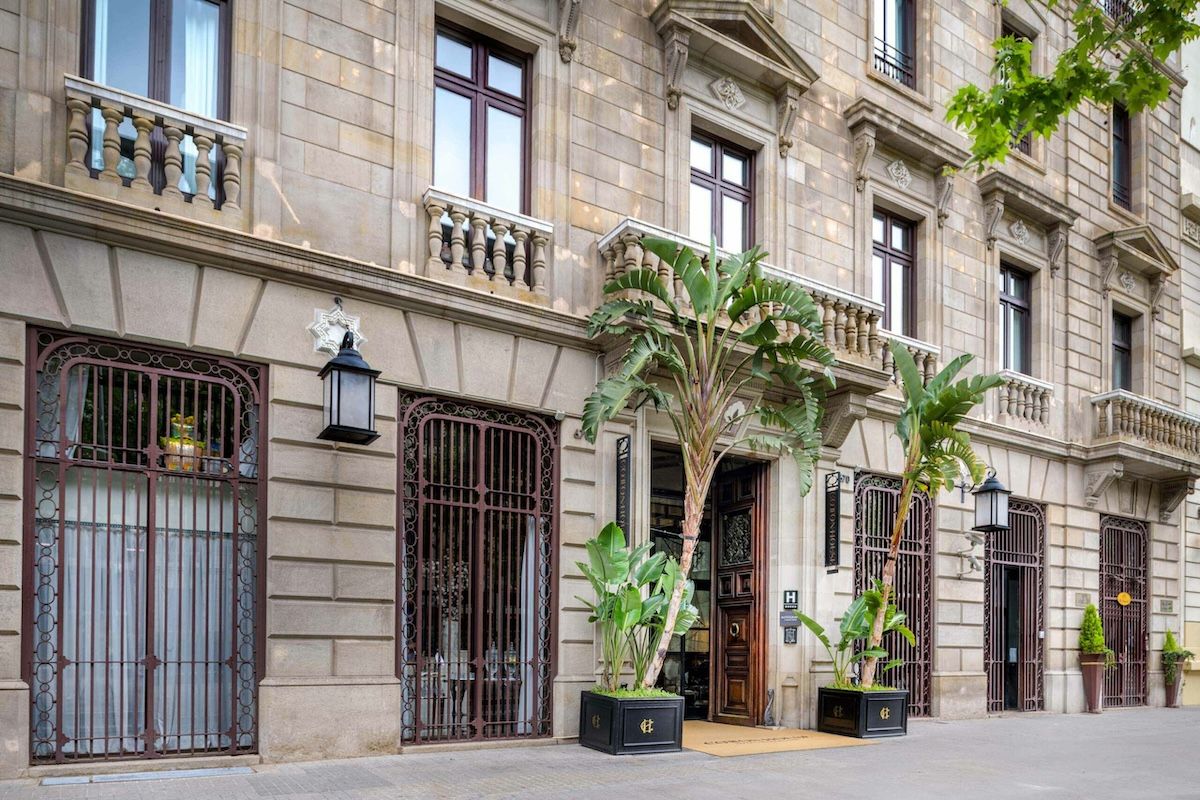
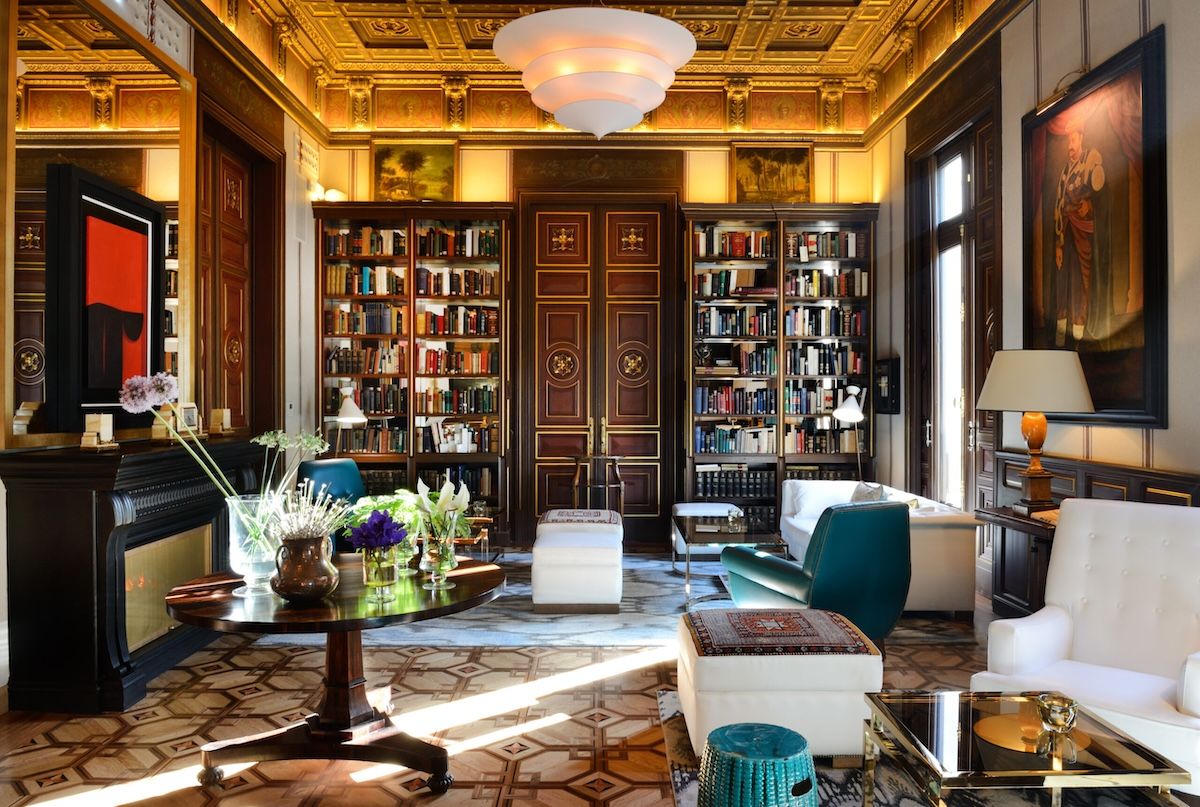
The house that Elies Rogent designed for him perfectly condensed that world. The facade, sober and almost restrained, barely hinted at what was happening inside. Because behind that discretion unfolded a scenography of marbles, noble parquet, frescoes on the ceilings, and carved wood. Prudent exterior, exuberant interior: like the Catalan bourgeoisie itself.
Over time, the building lost its original function and was fragmented into flats and apartments, like so many others in the Eixample. Then, in 1957, it found a new life. The Agrupació Industrial Tèxtil de Fabricants de Cotó (AITPA) and the Fundación Textil Algodonera acquired it to turn it into the Cotton House, the center of an industry that marked the Catalan economy for generations.
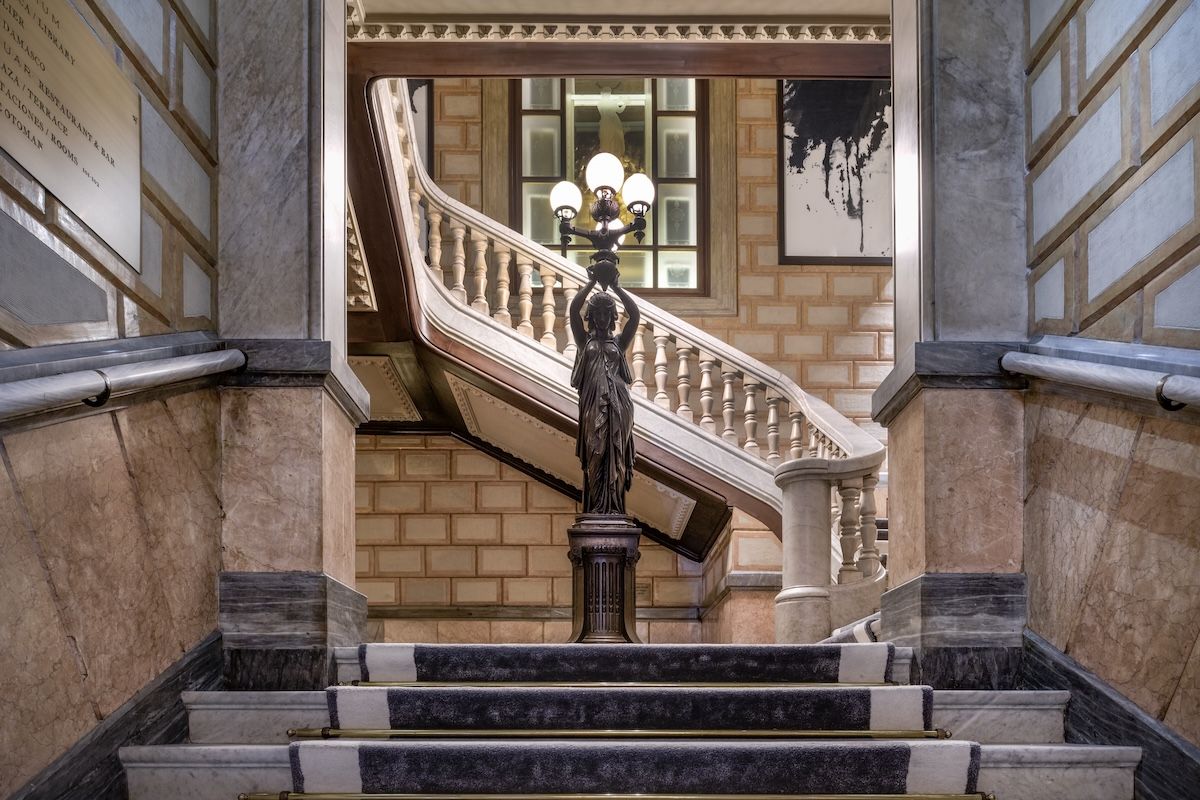
In this new life of the Gran Vía building, the second great architect of this story appears: Nicolau Maria Rubió i Tudurí. Between 1957 and 1959, the Menorcan promoted a renovation that respected the original facade, although it profoundly transformed the interior to adapt it to new functions. He added floors, reorganized spaces, and created an element that would forever change the perception of the place: the suspended spiral staircase.
Suspended from the upper slab, it defies gravity with an illogical lightness. Iron, wood, aluminum, and rubber were combined in a structure that, in the mid-fifties, seemed to have arrived from the future. Rubió himself explained it clearly: his intention was to condense in a single gesture the past, present, and future of the Catalan cotton industry.
For almost six decades, the Casa del Algodón was much more than the corporate headquarters of a sectoral employers' association. It was an authentic center of decision and knowledge before terms now as frequent as hub existed: there, fabrics were analyzed, strategies were defined, professionals were trained, and the interests of a key sector were defended. Cotton was not only a raw material, but the thread that connected port, railway, factories, and international markets. In the building, not only work was done, but also society was formed among the most prominent figures of the sector, who used to meet at the organization's headquarters.
From Casa del Algodón to Cotton House Hotel
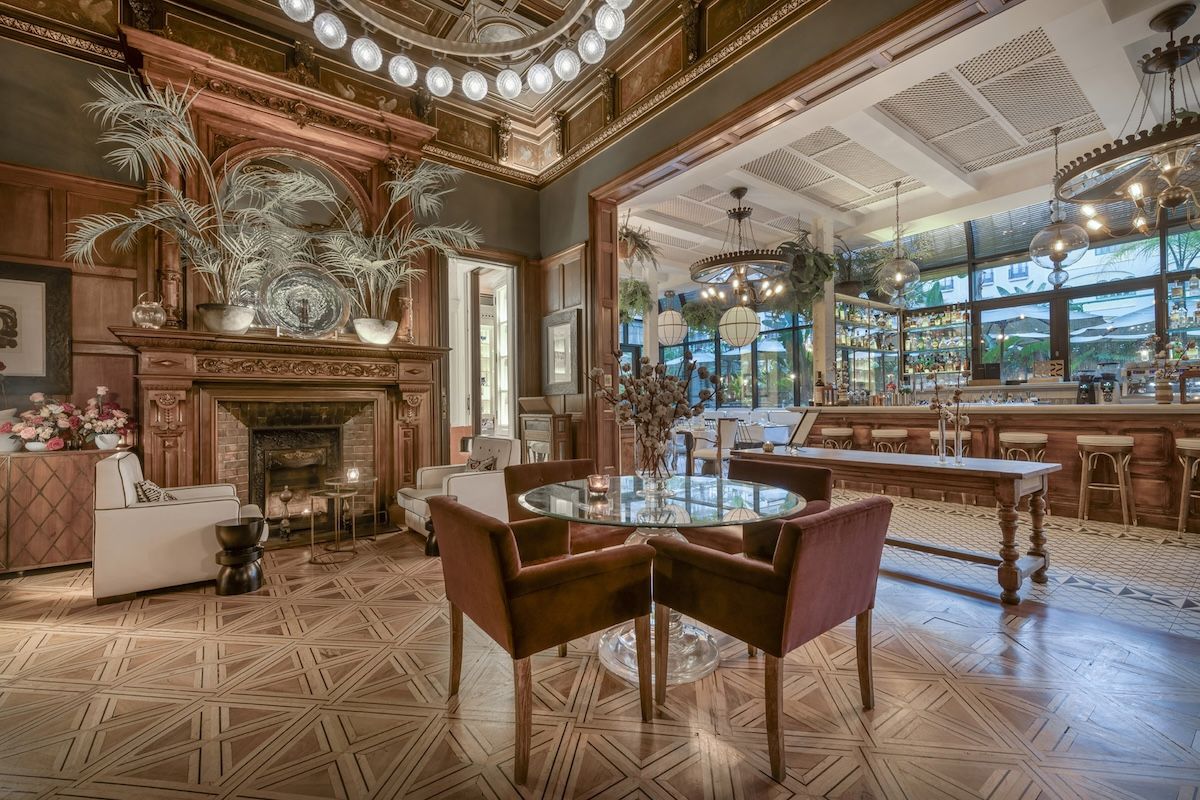
In 2015, after a particularly respectful restoration, the property began its third life. It became the Cotton House Hotel, integrated into Marriott International's Autograph Collection division. The interior design project, signed by Lázaro Rosa-Violán's studio, clearly respected several premises, in addition to distilling good taste: not to impose, but to interpret, and not to erase, but to listen.
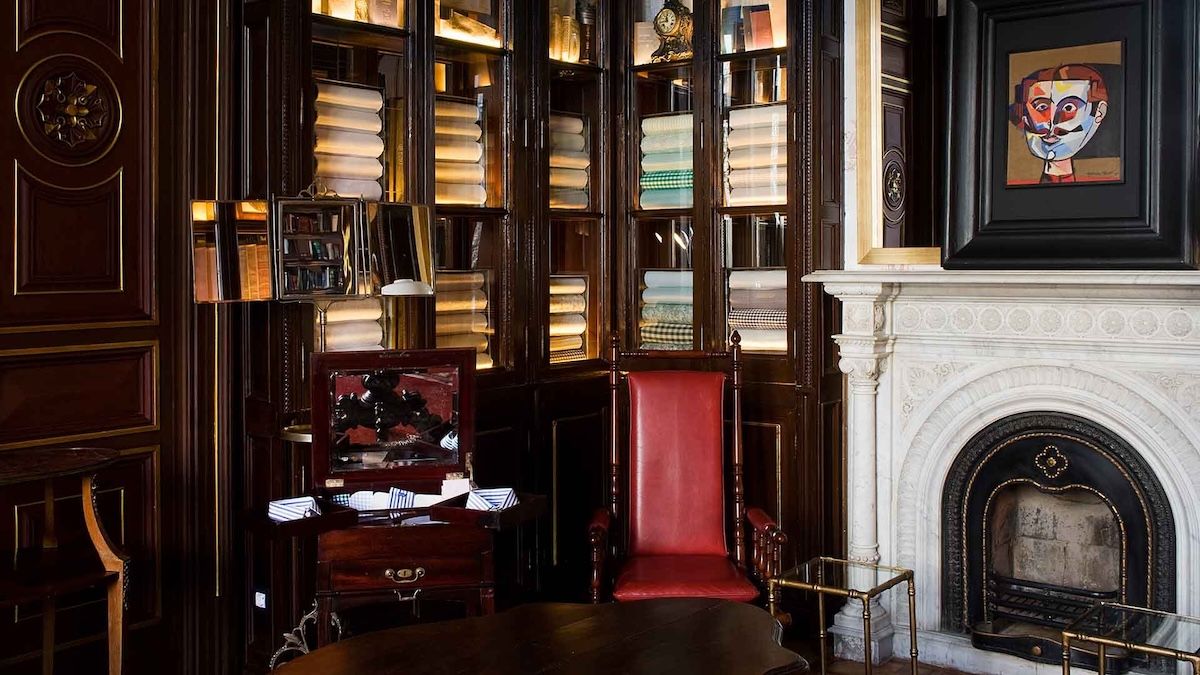
The result is visible at first glance: it is a perfect balance between the contemporary and the memory of the place. The original staircases, frescoes, woodwork, and floors coexist since the conversion into a hotel with a current, elegant, and restrained aesthetic, where nothing needs to impose itself to be noticed.
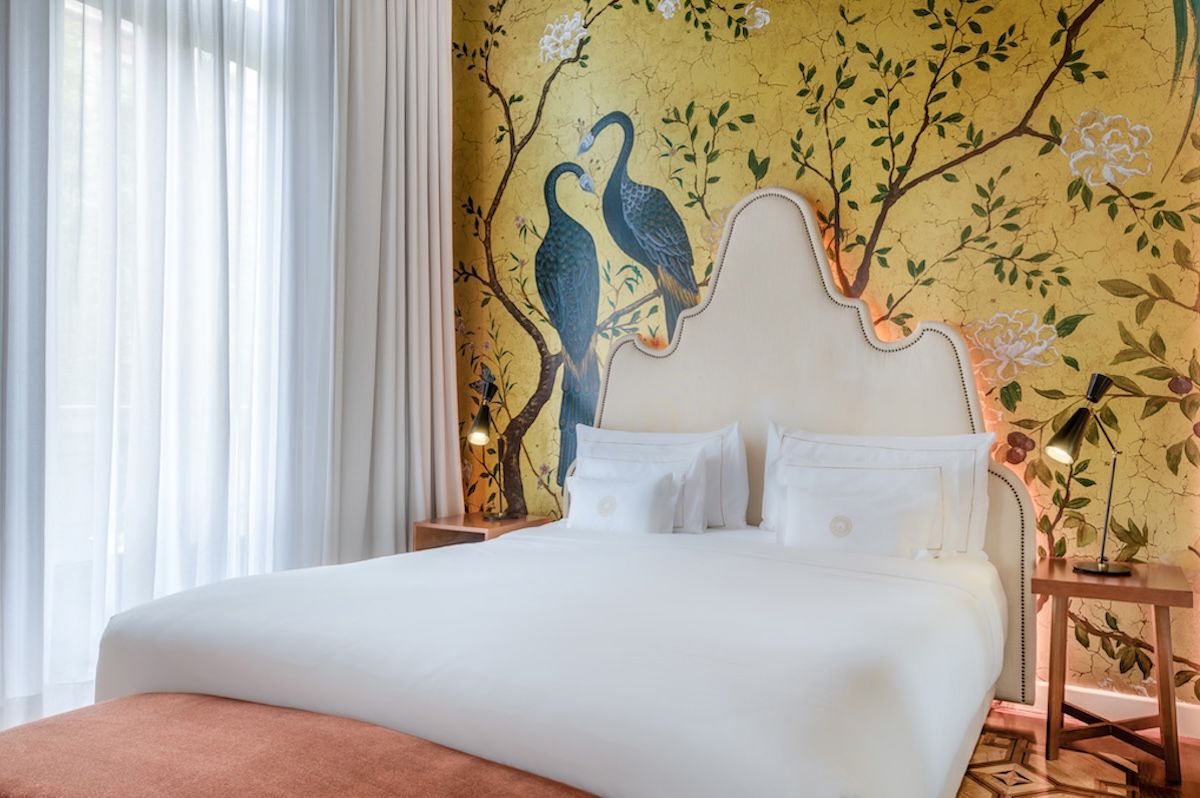
The homage to cotton is present, but never obvious. It appears in the names of the rooms, in the shapes, in a palette of whites, blacks, and sepia that refers to the fiber in its different phases. And, above all, in a sensation: the elegance of the textures, of the place, of its fabrics…
Today the hotel has 83 rooms and suites, a library, a restaurant, an enviable patio, and a rooftop with a pool from which the city should be contemplated unhurriedly. By decision of the property, the Cotton maintains a direct nod to its past with the tailoring service in collaboration with Santa Eulalia, through which guests can order custom-made garments in the same place where, decades ago, the future of fabrics was decided.
Three lives that coexist
Reducing the description of the Cotton House to its services would be falling short, staying on the surface. The truly valuable aspect of the establishment lies in its layers: from a bourgeois palace to an industrial-social headquarters and finally a contemporary hotel. Three lives that, although they have been left behind in time, coexist and explain themselves to the guest or visitor who enjoys simple observation and has a little imagination
The Cotton House is a hotel that doesn't need artifice. It is not a themed accommodation, nor does it want to be. It is a building that has lived long enough to understand that true luxury lies in what is preserved, respected, and improved.
And there are threads that, although unseen, are what hold the entire story, like that of Gran Vía 670, a building adjacent to the Ritz for decades and which is now Palace Barcelona, although this will be another chapter of Hotels with History and Stories of Hotels.
Add The New Barcelona Post as your preferred Google source for free
Stay informed with the latest news.