Last Friday, the city's port mooring line presented a practically normal appearance: merchant ships of all types at the specialized docks, passenger and cargo ferries operating their usual routes, and the maritime tourism stations almost full. At the World Trade Center, a singular visitor: The World, the ship that looks like a cruise ship, although it is actually a floating residence that travels permanently around the world and, at the attached dock, four of the five terminals open and serving cruise ships.
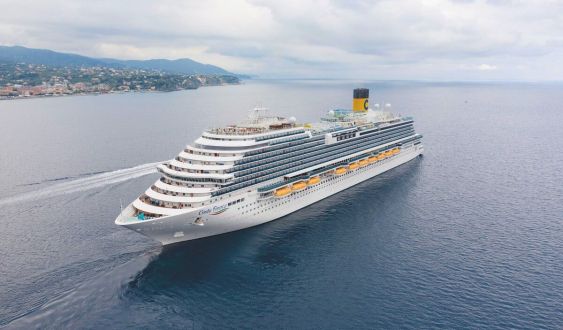
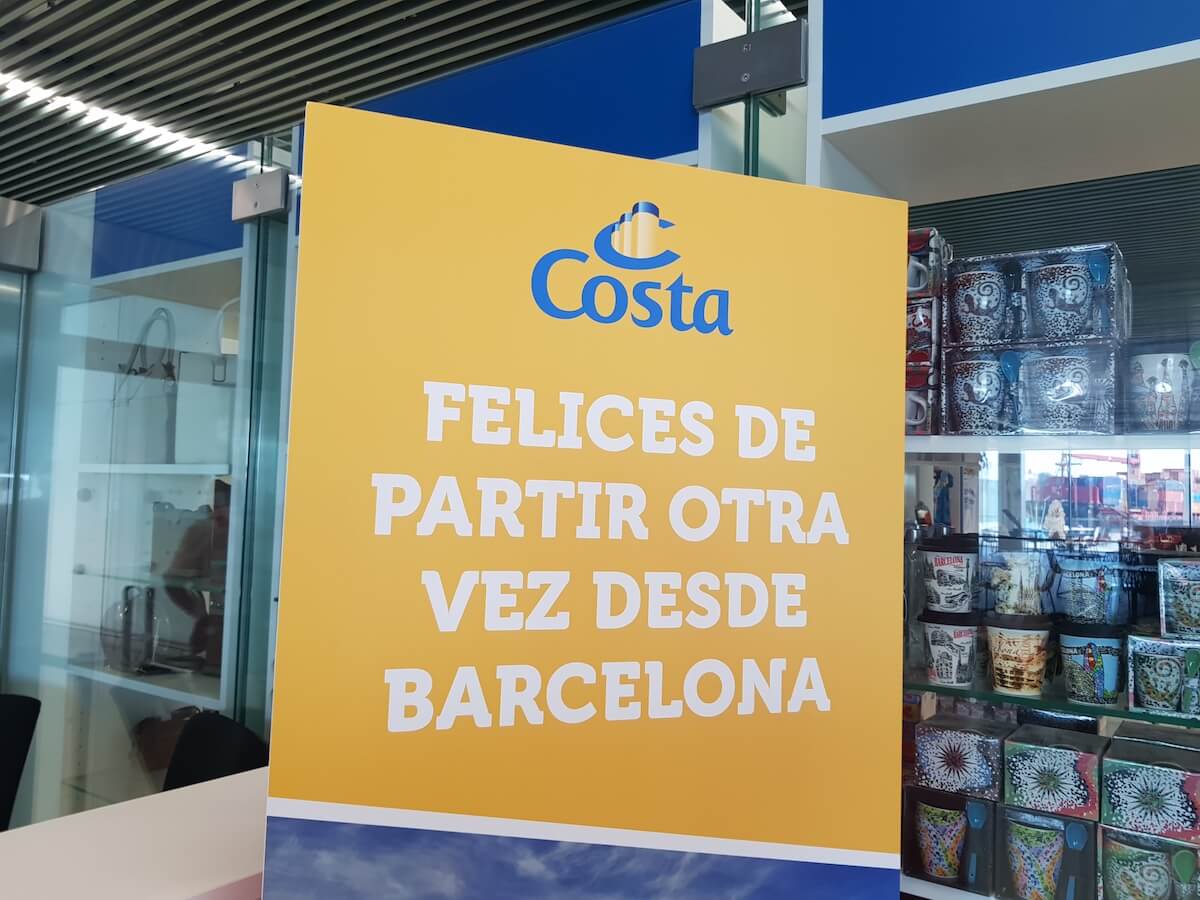
Ships from MSC Crociere, Aida Kreuzfahrten, and Costa Cruises occupied hundreds of meters of the dock, giving a long-awaited pre-2020 feeling at the port. At the end of the dock, next to the Helix terminal, the novelty of the day was the Costa Firenze, Costa's brand new ship making its first call in Barcelona.
Protocol for boarding
Although normality is returning, the vaccination rollout is a little wider each week and with it the ships return, for the moment cruise companies continue with their anti-covid protocol for both passengers and those visiting the ships: an antigen test at the terminal itself and a PCR performed a maximum of two days before boarding in the case of Costa. With negative results in both, there is a green light to board.
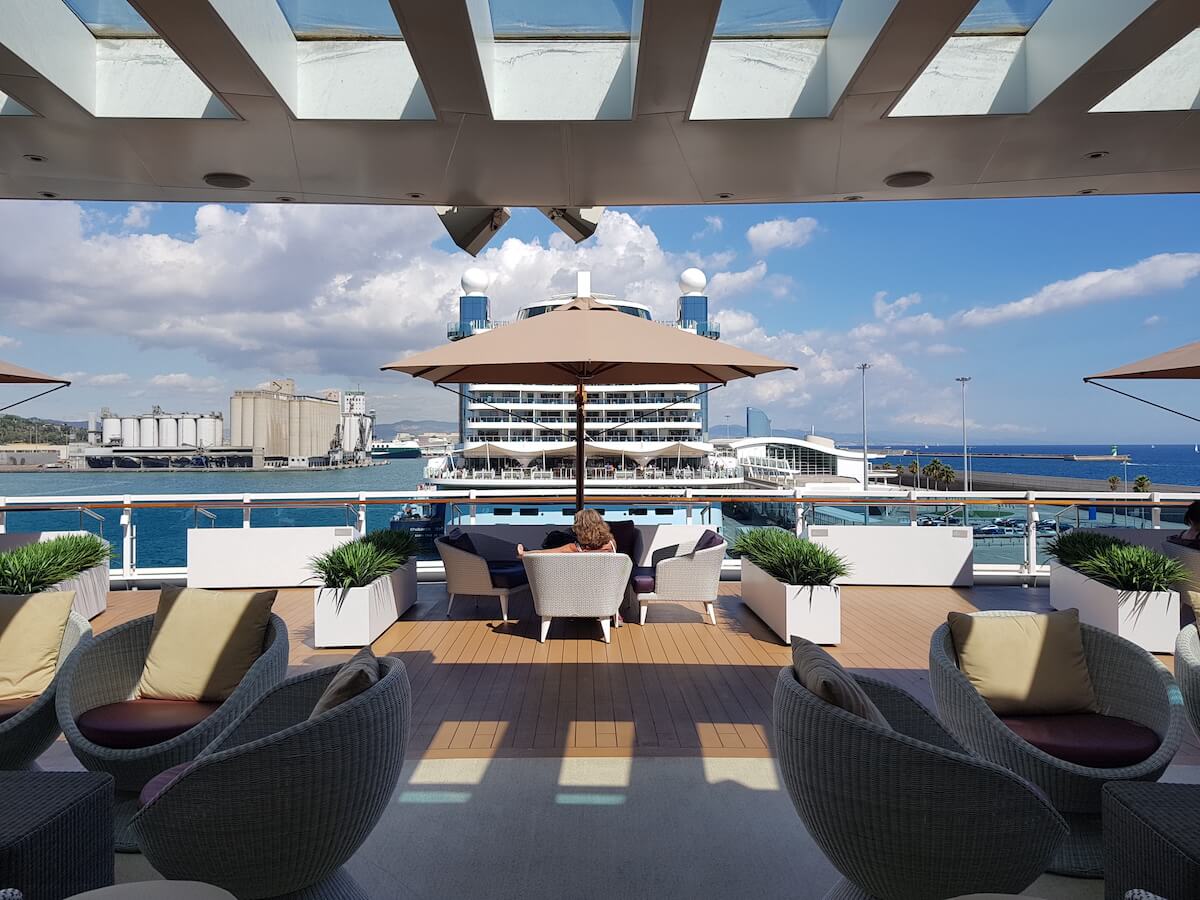
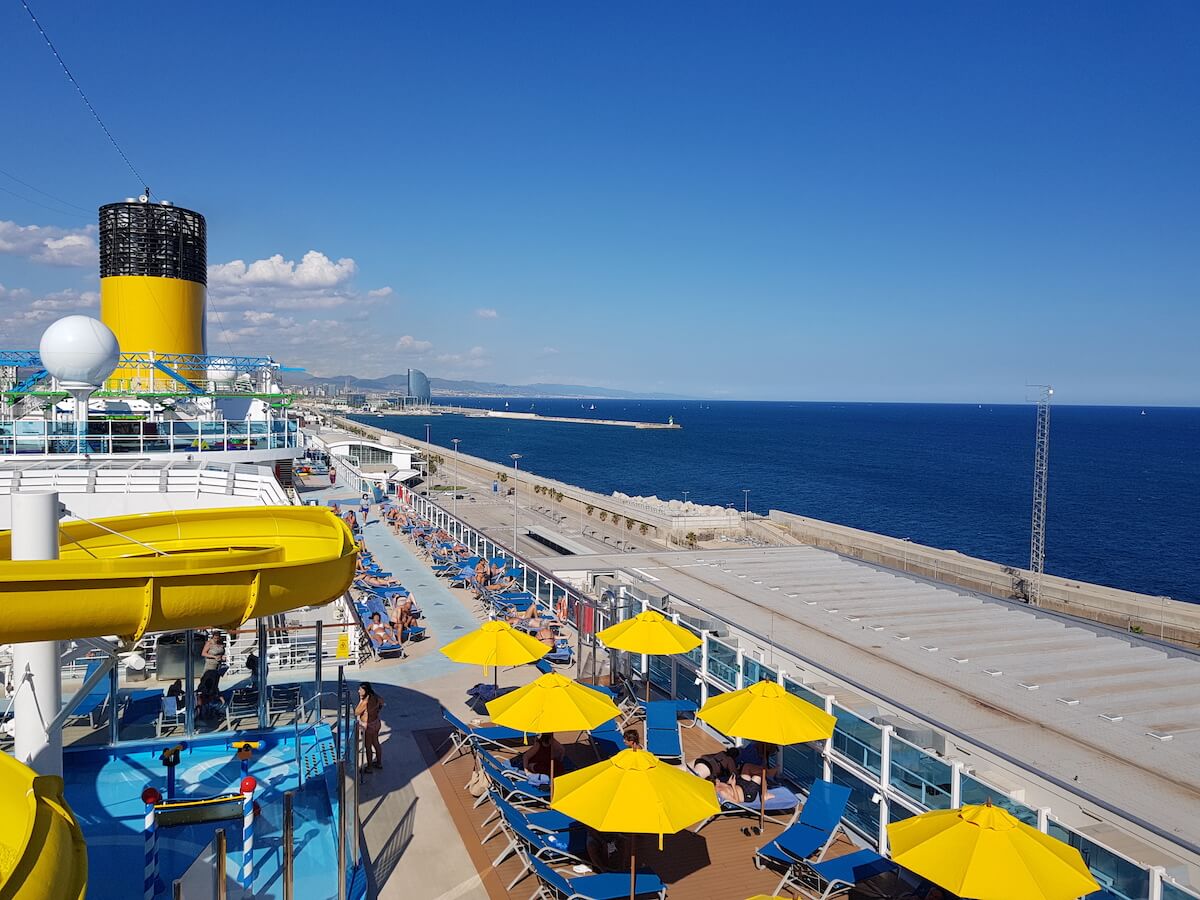
Aboard the Costa Firenze, Rafael Fernández-Álava, marketing and communication director of Costa Cruises, was visibly happy: "It's a pleasure to see people relaxed on board, enjoying the terrace, sunbathing and sailing with us again," he indicated, while showing the brand new ship to a group of guests on the occasion of the first call of a ship that began operating at the end of July with voyages that exclusively touched Italian and Maltese ports and now the shipping company has decided to divert it to Barcelona to make weekly calls every Friday.
"With this ship, we double our presence in Barcelona. We really wanted to increase calls here and now we have positioned the two most modern ships in our fleet: this one and the Costa Smeralda, the first of our company that is powered by Liquefied Natural Gas," points out Fernández-Álava, a maritime sector executive since 2013 after passing through the food sectors (he was one of the pioneers of online sales) and previously having a long career in the world of alcoholic beverage distribution as marketing director of Diageo, one of the sector's megacorporations.
"It's a pleasure to see people relaxed on board, enjoying the terrace, sunbathing and sailing with us again," defends Rafael Fernández-Álava, marketing and communication director of Costa CruisesThe Costa Firenze is the fourth ship of the cruise line to have returned to sailing after the Costa Smeralda, the Costa Luminosa, and the Costa Deliziosa.It has been a long process to get all the machinery up and running after the gradual restart of operations by the company in which, apart from health protocols, ships are limited in their capacity, carrying approximately 50% of their maximum capacity, a figure that will increase in the coming months in parallel with the improvement of pandemic figures, trusting that 2022 will be the year in which operations return to normality and also a year in which the company's centenary will be increasingly closer.
From oil to ships
The history of the shipping company as such dates back to 1924, although its relationship with navigation began much earlier thanks to a high-quality olive oil. It was 1854 and Giacomo Costa founded a company to produce it in Sardinia and then transport it to the Italian peninsula through the port of Genoa, in Liguria. For this, he had to rent space in the holds of some ships and sometimes chartered them completely. In this way, Mr. Costa's Sardinian oil (Dante) began to become known in Italy and abroad, as emigration, always nostalgic in gastronomic matters, opened a new market: the export of food products to countries with important Italian colonies, even reaching Australia.
Giacomo Costa passed away 105 years ago and, only after his death, the management of the family business could be fully assumed by three sons, Enrico, Eugenio, and Federico, who faithfully followed their father's style, although after ten years they decided to take a step forward. If until then the maritime transport of their products depended on third parties, from 1924 they became shipowners by buying their first vessel: the steamship Ravenna, thus controlling continent and content. From then until the Second World War, more ships were incorporated, until they had a fleet of seven cargo units, of which only one, the Langano, survived the armed conflict.
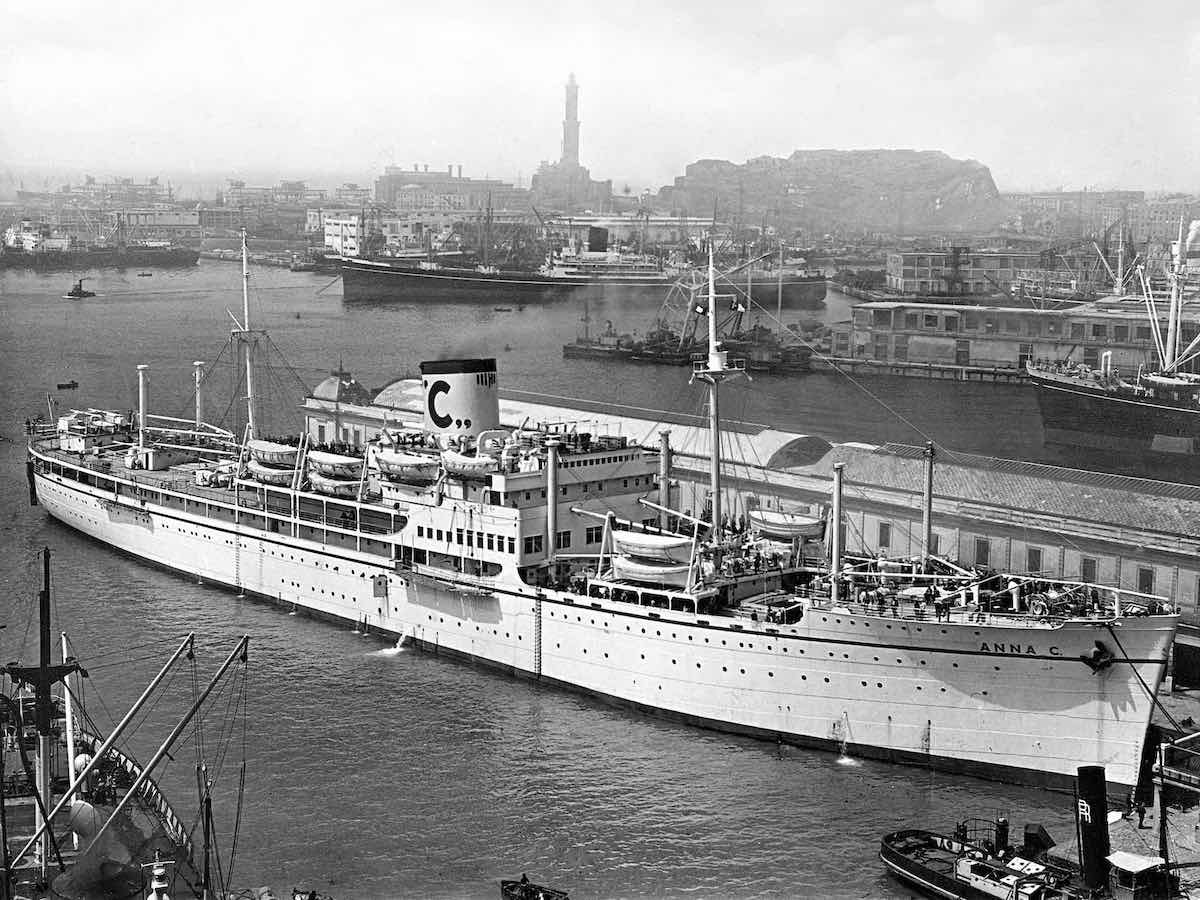
Giacomo Costa passed away 105 years ago and only after his death, the management of the family business could be fully assumed by three sons: Enrico, Eugenio and FedericoAfter the war, emigration again played a significant role in the evolution of the Costa family's business.In this new stage, the big step forward cost 122,000 pounds sterling.It was the agreed price for a large, second-hand vessel. Refurbished and improved, it was dedicated to transporting up to 768 passengers in two classes and with a new, much-appreciated feature: it was equipped with air conditioning. It was christened Anna C. (for decades all ships bore names of family members) and on March 31, 1948, it inaugurated the passenger and cargo route between Genoa and Buenos Aires, making a stop in Barcelona, on a 15-day voyage.
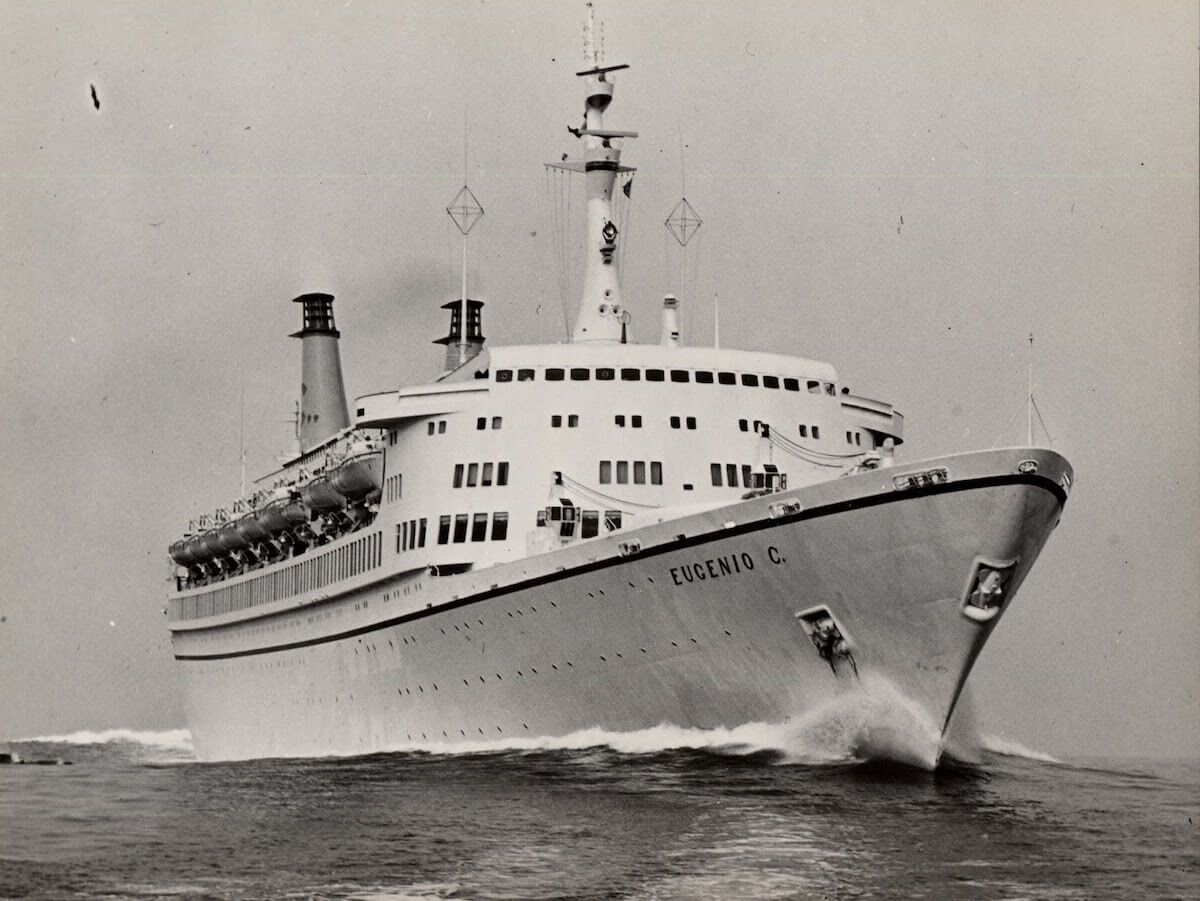
Costa acquired a few more used ships, until in the late 50s it opted to order new ships directly from shipyards, such as the famous Federico C., and also converted a regular liner ---the Franca C.--- to dedicate it exclusively to the cruise market, which is why from its debut it was based in the Caribbean to carry out tourist routes between Florida and the islands of the region.
Even while opening up to that incipient leisure travel market, the bulk of the income still came from transatlantic passenger and cargo lines. These were carried out with both mixed ships and purely cargo ships, in addition to the oil, textile, and real estate divisions. In an evolving world, air transport and the generalization of jet planes, along with a notable reduction in fares to fly from Europe to America, dealt a death blow to regular shipping lines. These became meaningless in the face of such strong, affordable, and above all fast competition.
The restructuring of the 70s
The company had to face a deep restructuring in the 70s. These were times when, both in Italy and in the rest of Europe, many of the large shipowners were closing down due to the unviability of their businesses, selling their ships at low prices or scrapping them. The Costas then created a holding company, opening up for the first time to new shareholders and focusing solely on the cruise sector, going from being Línea Costa to Costa Crociere S.p.A. Other sectors were abandoned and even the Dante oil company was eventually sold, with some melancholy, to the multinational Unilever after almost 120 years in the hands of the family. It was a new era and they fully committed to pleasure travel with the acquisition of ships and the manufacture of new vessels until they became the absolute market leader for some years.
The concentration of the sector
With the turn of the century, there were many concentration movements in a sector that became polarized between three large corporations and some independent companies: the big names are Carnival, Royal Caribbean and NCL, under which hang the largest passenger shipping companies in the world, without forgetting in this group a family business, MSC, which now has two cruise divisions.
With the turn of the century, there were many concentration movements in a sector that became polarized between three large corporations: Carnival, Royal Caribbean and NCLThe Costa family sold the majority stake to Carnival Corporation, integrating into this structure alongside eight shipping companies, maintaining its name, management, and headquarters in the city of Genoa, although a few years ago part of its attributions were transferred to Germany, as the aim is to centralize the control of Costa and its subsidiary Aida Cruises (a shipping company specialized in the German-speaking market) in Hamburg.
The Costa group, which also includes a branch in the Asian market, has 27,000 employees, direct presence in 40 countries, 20 offices, and manages 68,000 beds on 26 ships: the 13 that bear the characteristic and classic blue C on a yellow background and the 13 of Aida Kreuzfahrten.
A ship for China
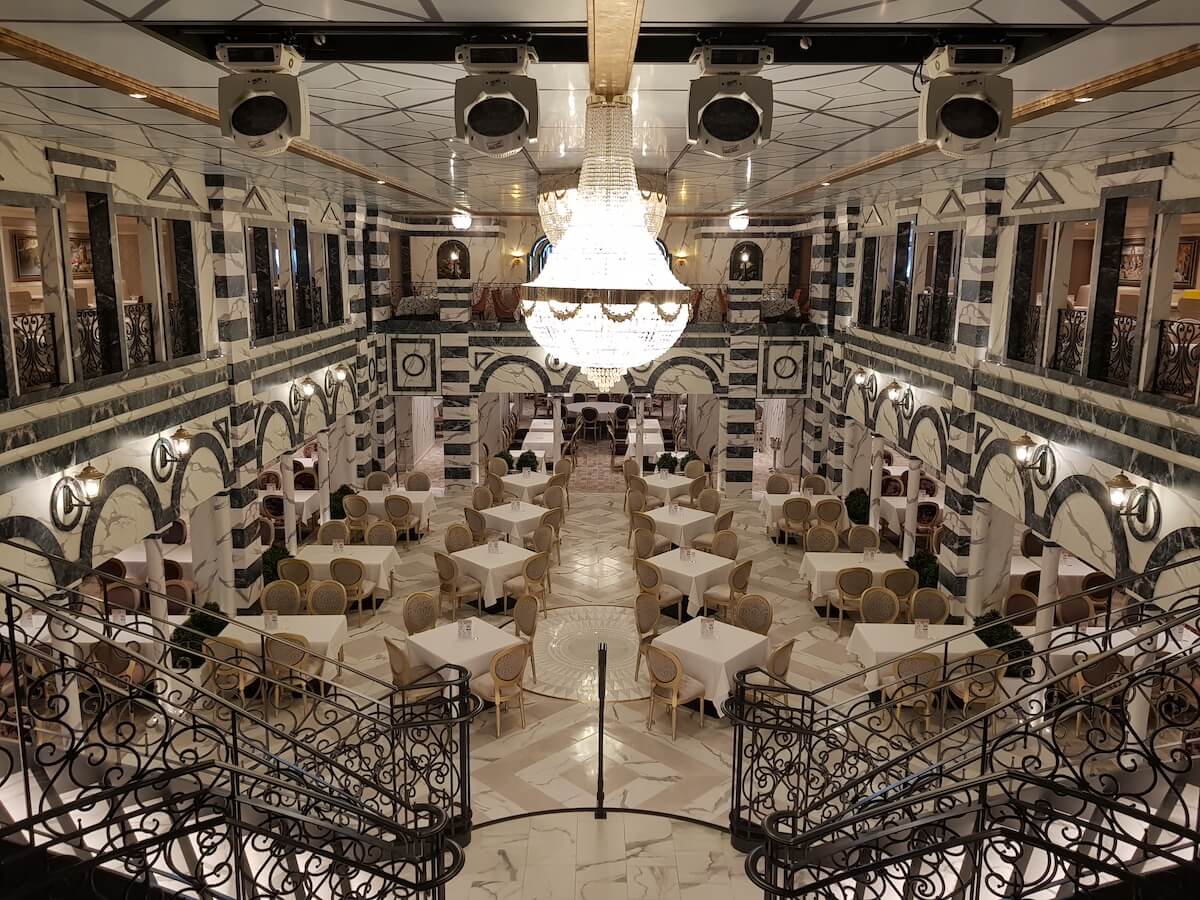
In the second decade of this century, China was seen as a promising market, with exponential growth in demand, and some shipping companies decided to design specific ships for passengers of this nationality. The Costa Firenze was one of these and can be seen at a glance: on board all signage is written in both English or Italian and Chinese, and the spaces are designed according to that market. Two examples: the shopping area is much larger than on ships focused on European or American passengers, and the casino is much larger than on similar vessels.
According to Rafael Fernández-Álava, with each new ship "lessons are learned that are then perfected and improved on the next ship that is incorporated," and this is what has been done with the brand new Costa Firenze, where there are more outdoor spaces and, above all, the greatest gastronomic variety in the entire fleet: with 13 restaurants, several of them thematic, including two Chinese specialty restaurants and a Japanese one, as well as a teppanyaki, several Italian ones, a wine bar, and a steak house alongside eight bars.
Weekly visitor
Until next winter, Costa Cruises' most modern ship will continue to visit Barcelona every Friday, while the Costa Smeralda will do so on Mondays. Then, and during the winter of 2021-22, the Firenze will be positioned in Dubai to undertake week-long cruises visiting ports in the United Arab Emirates, Qatar, and Oman, with calls in Abu Dhabi, Doha, Muscat, and a multi-day stop in Dubai, with specific packages for visits to Expo Dubai 2020, as Costa Cruises is the main sponsor of the Italian Pavilion at this event. Once finished, the ship will return to the western Mediterranean to resume the weekly voyage it currently undertakes.
Until next winter, Costa Cruises' most modern ship will continue to visit Barcelona every Friday, while the Costa Smeralda will do so on Mondays. Then, and during the winter of 2021-22, the Firenze will be positioned in Dubai.For the moment, the Port of Barcelona has gained a new weekly visitor and continues to grow to recover its leadership in the Mediterranean, as until 2019 it was the fourth most important in the world, only surpassed by three in Florida: Miami, Fort Lauderdale and Port Canaveral, three of the major bases for shipping companies traveling through the Caribbean. In Europe, the Catalan capital competes for European leadership with Civitavecchia, Rome's commercial port and another of the main homes for Costa.
Add The New Barcelona Post as your preferred Google source for free
Stay informed with the latest news.