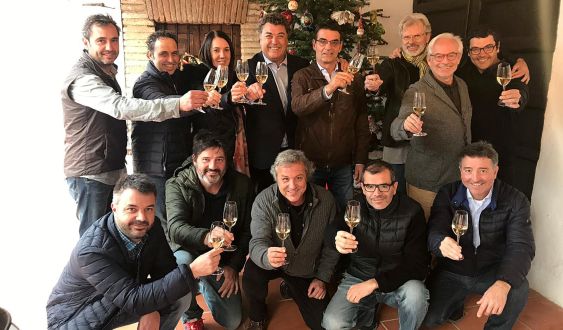
Corpinnat will launch this summer a new gastronomic festival "that is here to stay," as explained by the co-president of the association, Xavier Gramona. The objective is to enhance knowledge of the collective brand Corpinnat and strengthen its relationship with the gastronomy sector, which has already embraced the initiative, with more than 55 restaurants that, for now, have confirmed their participation. Corpinnat sparkling wines, with long aging, are 100% organic, made with grapes from native varieties harvested by hand in vineyards located in the heart of the Penedès region and are entirely vinified and produced in the wineries.
The first Corpinnat Gastronomic Festival will be held between June 15 and August 15 in the wineries of the entity's partners, who will set up unique spaces to convert them into dining rooms with capacity for a maximum of 40 people, respecting safety distances. Reservations can be made starting Friday, May 21, on the Corpinnat website, where you can choose the day, the winery, and the participating restaurant. All attendees to the different dinners and lunches scheduled during these two months will also be able to enjoy a visit to the winery. Around 3,000 people are expected to participate in the festival.
"With this festival, we want to bring people closer to the Corpinnat territory, we want them to get to know the wineries and also support our local and regional restaurants," highlights the other co-president, Ton Mata. Among the chefs and restaurants that have already shown interest in participating in the initiative and in designing menus that pair with the different corpinnats are Nandu Jubany, Els Casals, Villa Retiro, Estimar, Gresca, Gaig, Romain Fornell, Motel Empordà, Fonda Sala, Ginjoler, Cigró d'Or, Aürt, Cal Blay, Cal Pere del Maset, Casa Joan, Casamar, Dos Palillos, La Cava d'en Sergi, Mordisco, Pinotxo Boqueria, Xavier Pellicer, Suculent or Terrassa Martínez.
According to Corpinnat, the festival is born with a triple objective: "to help the restaurant sector overcome the crisis derived from the pandemic, to assert the gastronomic richness and diversity of our country, and to make known the values of the brand among consumers." The collective brand of great quality sparkling wines is currently made up of ten wineries that decided to leave the Cava Designation of Origin to bet on their own project focused on maximizing the quality of sparkling wines and their identification with a specific territory. These are Recaredo, Gramona, Llopart, Torelló, Nadal, Sabaté i Coca, Can Feixes, Júlia Bernet, Mas Candí and Can Descregut, all of them family-owned. There are already new companies interested in being part of Corpinnat and that are now in a preliminary audit phase to see if they meet the strict requirements demanded by the collective brand.
First economic balance
The ten Corpinnat wineries presented this Monday their first economic report with balance data for the 2020 financial year, heavily marked by the pandemic, which has impacted their main clients: restaurateurs. In total, the companies associated with the brand sold 1.7 million bottles, a 22% decrease. In terms of turnover, the decrease has been 19%, with joint revenues of 16.8 million euros.
19.8% of the production has been exported to 55 countries, with a special weight in destinations such as the United States, Germany, Andorra, Japan, the United Kingdom, Canada, Sweden, Switzerland, Finland, and Denmark. "The volume of exports is still low, but we have very significant growth potential ahead," says Ton Mata, director of Recaredo.
Long aging and the double fermentation process are the main emblem of Corpinnat wines, which come from 100% organic vineyards. Thus, 80% of the bottles go to market with a minimum aging of 30 months and 17% do so with more than 60 months, a period significantly longer than most sparkling wines that are commercialized. The average price of bottles bearing the Corpinnat seal is also much higher: 17 euros.
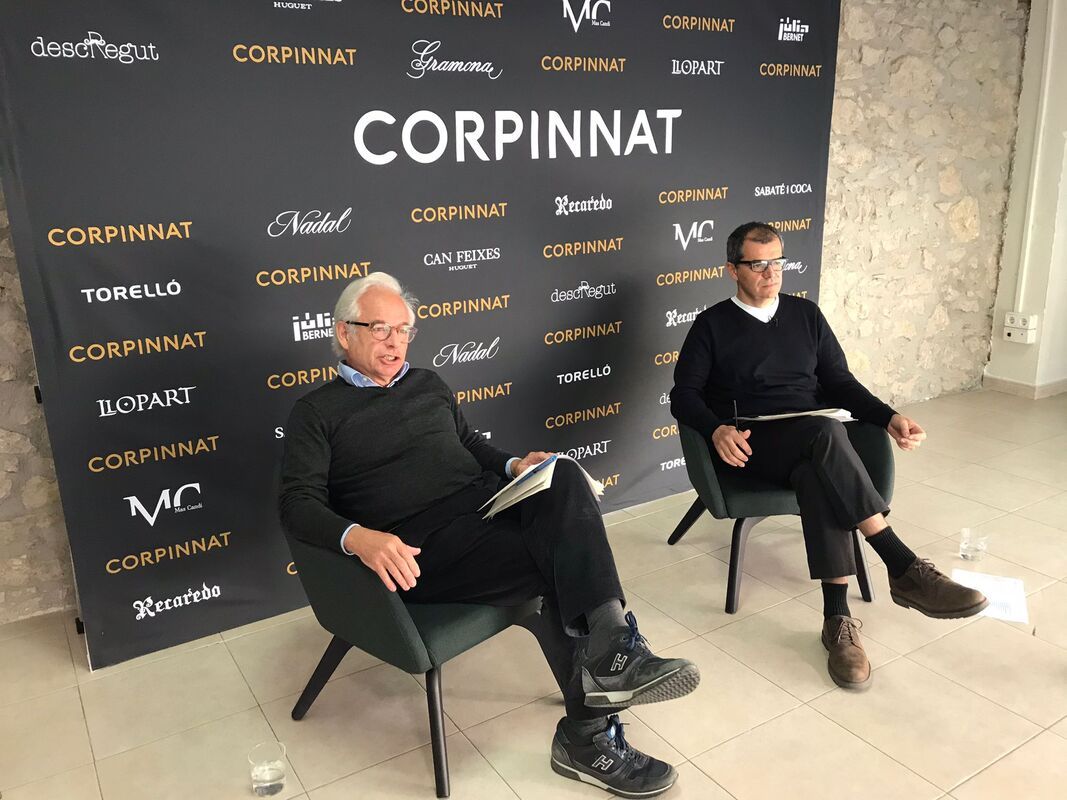
The ten wineries that are part of the association produce up to 62 references and employ 223 people in fifteen work centers. Corpinnat groups 604 hectares of its own vineyards and 228 more hectares from third parties or leased. In 2019, before the pandemic, the wineries received visits from nearly 35,000 people, a figure they want to multiply in the future.
Last year, the mildew fungus wreaked havoc on the organic vineyards of Corpinnat members, affecting the volume of harvested grapes by between 30% and 40%, although in some wineries the incidence climbed to 70%. "There will be very few corpinnats of certain references from the 2020 harvest," notes Xavier Gramona. However, Ton Mata emphasizes that the wineries "have been able to resist both mildew and the pandemic; we are resilient companies."
No progress in negotiations with DO Cava or with Clàssic Penedès
Both Gramona and Mata, who share the presidency of this new collective brand of the European Union, have expressed great satisfaction with the reception the initiative has had among international critics. "We have received many recognitions that place our sparkling wines at the level of the best wines in the world; we are achieving all the milestones we wanted," highlights Gramona.
The leaders of Corpinnat have explained that it has been some time since they had conversations with DO Cava to evaluate a potential reincorporation, and they explain that conversations to add to their project or create a new DO with the wineries of Clàssic Penedès have not advanced either. "For Corpinnat, the requirement to vinify 100% on the property is an indispensable requirement that makes an agreement with DO Cava or with Clàssic Penedès difficult. Now Corpinnat must work for Corpinnat," concludes Ton Mata.
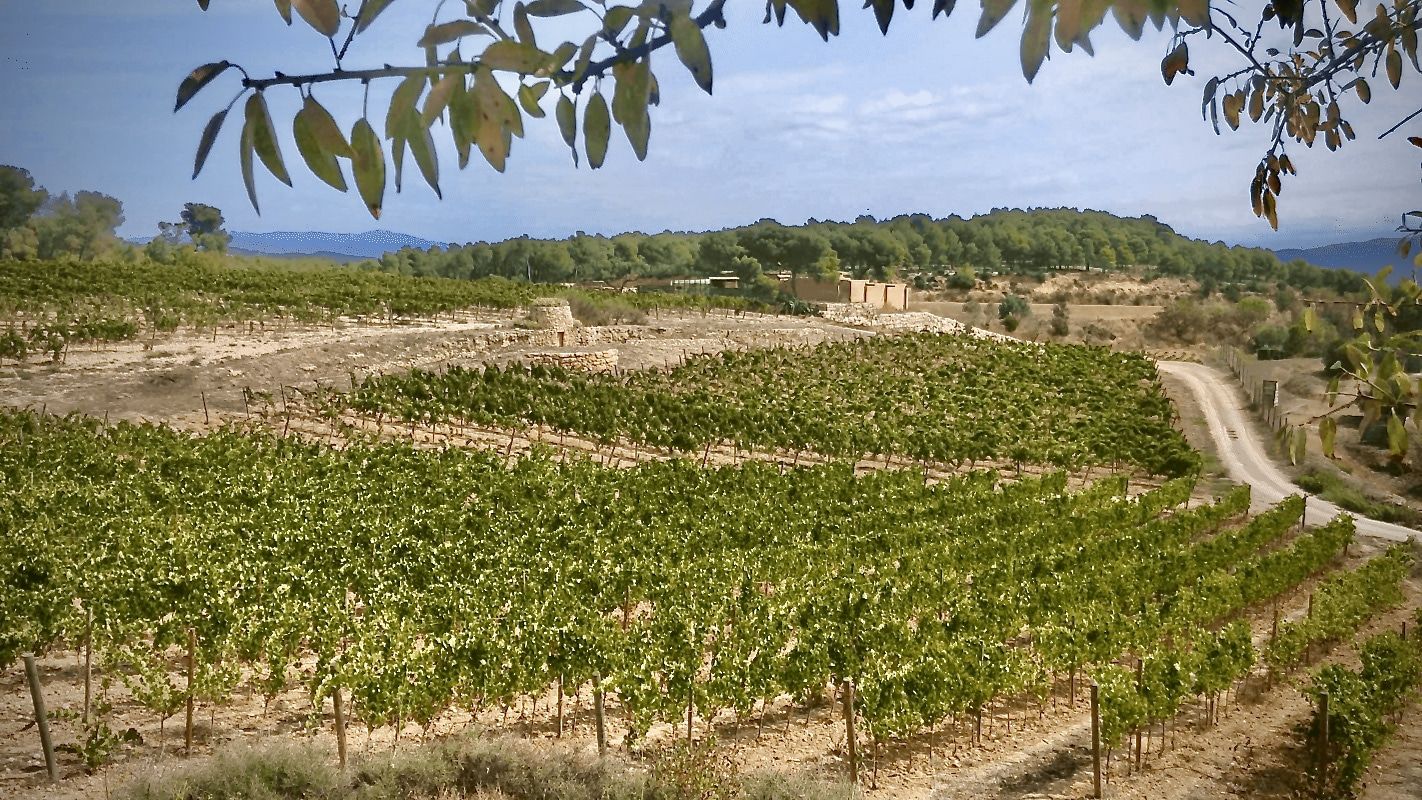
The Corpinnat territory delimits a geographical area in the heart of Penedès of 997 square kilometers and 22,966 hectares of vineyard. The production manual that the partners have self-imposed is one of the most demanding in the wine world, as it requires using practically only native varieties (the weight of xarel·lo, macabeo, and parellada must be 90%), to commit 100% to organic farming, to harvest by hand, to vinify entirely on the property (you cannot buy base wine from third parties or already half-finished bottles) and to work with very long aging periods (minimum 18 months). All wineries must have their own vineyards, but they can also lease and buy grapes directly as long as they are organic and come from the Corpinnat territory. In this case, long-term agreements must be signed with these external grape growers, who must be paid a minimum price of 0.70 euros per kilo of grapes. It is forbidden to produce white label brands. This entire process is subject to an external audit by a certifying company with the aim of equating itself to the strict controls applied by the designations of origin.
Add The New Barcelona Post as your preferred Google source for free
Stay informed with the latest news.
