
Breast cancer is the most frequent type of cancer and the most common cause of cancer death in women worldwide. In Spain, 34,353 cases of breast cancer were diagnosed last year, according to data from the Observatory of the Spanish Association Against Cancer (AECC). The World Health Organization (WHO) indicates that about 1 in 12 women will develop breast cancer during their lifetime. The same source indicates that the mortality rate in breast cancer patients has decreased by 40% in the last 40 years.
Currently, as pointed out by Dr. Saioa Gorostidi, gynecologist at Clínica Diagonal, "survival in breast cancer is 85%. If detected at its onset ---stage 1--- survival can reach 90%, but it is only achieved between 15% and 20% if the tumor is discovered when it has already spread beyond the original tumor ---metastasis situation---".
Early detection and advances in treatments, hand in hand with research, have made such a significant increase in survival possible. The most advanced treatments comprise a 360º vision of the patient, in which different health specialties share, evaluate, and treat case by case jointly. Based on the particular situation of each patient, and the stage and location of their tumor, a team of professionals from various disciplines determines both the diagnosis, as well as the treatment and follow-up of the patient, or the patient, since 1% of breast cancers appear in men.
Thus, to evaluate each of the cases, the Tumor Committee of Clínica Diagonal meets, formed by a gynecologist, oncologist, plastic, aesthetic and reconstructive surgeon, radiologist, nutritionist, oncology nurse and oncology nursing assistant. The study and evaluation of each patient from each of the specialties ensures that no variable is missed for greater precision of the diagnosis, and of the indicators at each moment of the treatment. The different professionals share synergies from each advance achieved by both research and practice in their specialty. A global vision is thus offered from gynecology, oncology, plastic and reconstructive surgery, breast radiodiagnosis, nutrition, and nursing. Clínica Diagonal belongs to the insurance group Fiatc.
Early detection
As Dr. Gabriel Sesma, plastic, aesthetic, and reconstructive surgeon at Clínica Diagonal, explains, "breast cancer is a cancer that gives no warning, but its early detection, throughout its initial stage, guarantees a cure with a probability of almost 100%". He adds that "periodic check-ups performed by a specialist in the area of gynecology help to get ahead of the cancer itself."
In the gynecological consultation, the specialist examines both breasts and the lymph nodes located in the armpits. In this way, the existence of nodules and any possible anomaly is checked.
Dr. Gabriel Sesma: "Breast cancer is a cancer that gives no warning, but its early detection, throughout its initial stage, guarantees a cure with a probability of almost 100%"On the patient's part, any warning sign detected as early as possible contributes to a faster and better cure for the disease. For this, self-examination in the mirror and palpation of the breasts are recommended every month, seven days after menstruation, as the best time to do so. In the case of men, breast palpation should follow the same protocol, with observation of them to detect early any change in color, texture, nipple retraction or discharge, or any bulging of the surface. It should also be said that most lumps that appear in the breasts are benign, but in any case, the gynecologist must be notified of their discovery, as well as any change or anomaly, to confirm if it is something malignant.
Pain is not a usual symptom of breast cancer, although in 5% of cases pain may be present, but it is usually due to the size of the tumor touching or pressing on an organ or tissues.
Periodic check-ups
Gynecological check-ups begin between 18 and 20 years of age, and it is recommended to do them annually, if there are no problems. Between 20 and 40 years of age, it is advisable to perform a breast exam every 1 to 3 years, at most, and between 40 and 45 years of age, a mammogram should be obtained every year. There are various early detection programs that include free mammograms to reduce female mortality from this cause. These are called systematic screenings, programs designed for specific age groups that vary according to the Autonomous Community but focus on women aged 45 to 50.
All the results of each of the check-ups and tests are recorded in each patient's clinical history and, through the Shared Clinical History of Catalonia (HCCC), healthcare professionals from any approved hospital, clinic or medical center can consult them. At Clínica Diagonal, a committee brings together the seven specialists who will jointly participate in the study, treatment and follow-up of each case, and they have all the patient's information shared in the HCCC for their work.
Factors of appearance
Some risk factors for breast cancer can be avoided, such as tobacco and alcohol consumption, or obesity, but many others cannot. Between 5% and 10% of breast tumors are hereditary. Having a direct relative with breast and ovarian cancer also influences, in the same way as the age of the first menstruation, that of menopause, diet and environmental factors. And it is known, on the other hand, that the Mediterranean diet contains certain nutrients and elements that help protect against breast cancer, in the same way as exercising. In addition, it has been shown that women with a risk factor can reduce it if they breastfeed their children, as pointed out by oncologist Josep Maria Del Campo from Clínica Diagonal. The multidisciplinary team of the clinic is also made up of oncologist Adela Fernández and radiologist Fabio Muñoz.
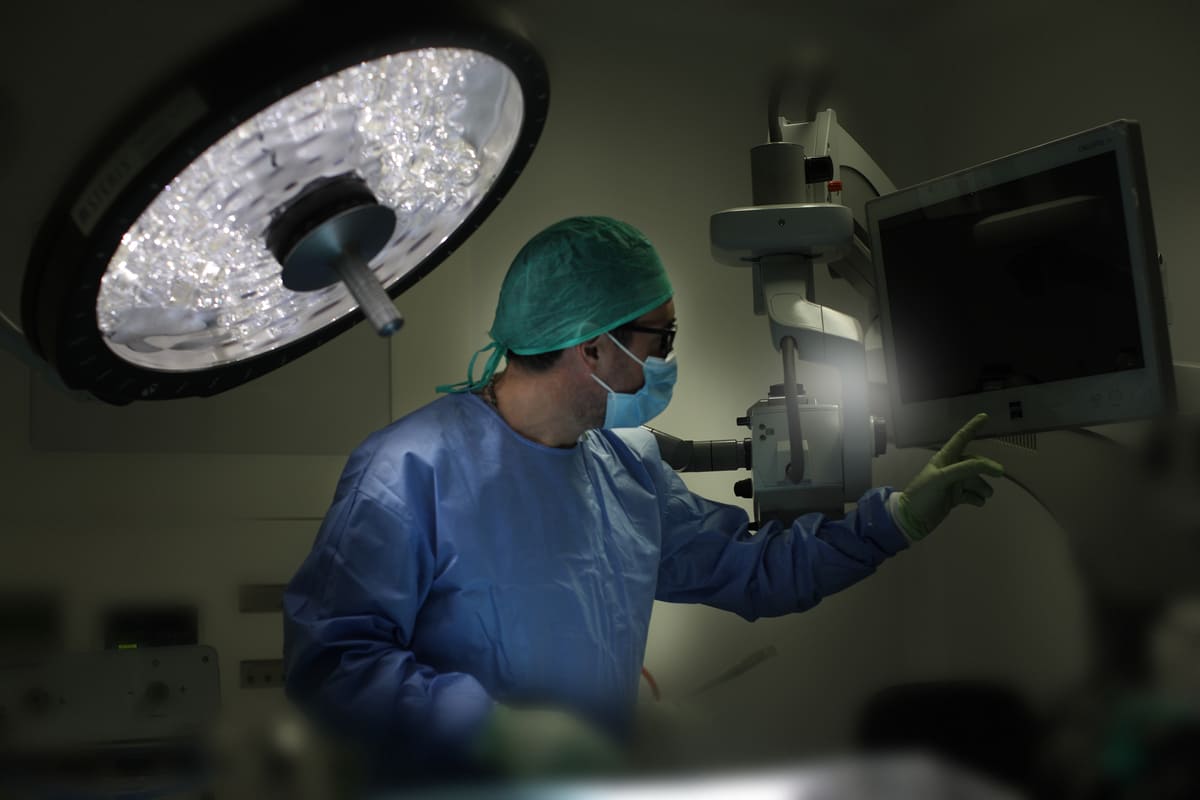
Other risk factors for breast cancer include a history of breast cancer or benign breast disease, therefore, inherited risk; dense breast tissue; advanced age; hormone therapy to treat menopause symptoms; greater exposure to estrogen or radiation therapy directed at the breast or chest.
Sometimes, breast cancer is detected by the symptoms that appear, but many women do not manifest them. This is why regular screening tests and attending gynecology check-ups are so important.
Mammography is a diagnostic test that allows detecting lesions in the breast up to 2 years before they are palpable. Breast ultrasound and MRI are complementary tests to mammography that, together, provide greater precision. The gynecologist may also request a biopsy, an ultrasound test, and a diagnostic mammography, which focuses much more on the affected areas. In addition, laboratory tests may be performed to evaluate blood and other fluids, and genetic tests to check not only for the existence of breast cancer but also the probability of its development according to certain risk factors.
Current treatment
Thanks to advances in breast cancer research, today the causes of its appearance and epidemiology are better understood, and thanks to this, individualized treatment has been guided for each patient. Depending on how the tumor behaves in each case, the most specific treatment possible can be recommended, which greatly helps to reduce mortality.
How to prevent breast cancer
As Dr. Gorostidi indicates, "our lifestyle, our genes and the environment around us, act together to modify the risk of cancer, increasing it (risk factor) or decreasing it (protective factor)". Some of the factors that influence prevention and also good breast cancer treatment are getting enough rest, ensuring 8 hours of nocturnal rest, daily physical activity (adapted to each person), and stress control.
Dr. Gorostidi: "our lifestyle, our genes and the environment around us, act together to modify the risk of cancer, increasing it (risk factor) or decreasing it (protective factor)"The importance of nutrition in breast cancer
Nutrition is a key piece in the treatment of breast cancer, also for its prevention. Hence, clinical nutritionist specializing in oncology, Ingrid Castaño, is part of this multidisciplinary team at Clínica Diagonal. Ms. Castaño suggests some general guidelines on nutrition during breast cancer treatment, such as: eating in company and in a calm and relaxed environment; ensuring the intake of eggs, fish, poultry and vegetable protein, and reducing the consumption of red meats, and eating 5 daily servings of fruit, vegetables and greens.
Also from Clínica Diagonal they provide some general recommendations, such as choosing healthy fats such as extra virgin olive oil, natural and unsalted nuts, salmon, sardines, anchovies, avocado and seeds (flax, sesame…). Similarly, they indicate lactic ferments and/or probiotics as healthy to help intestinal regeneration (important after diarrhea, vomiting, etc.), as well as eating preferred meals on days when there is no treatment session, to avoid associating them with less pleasant moments.
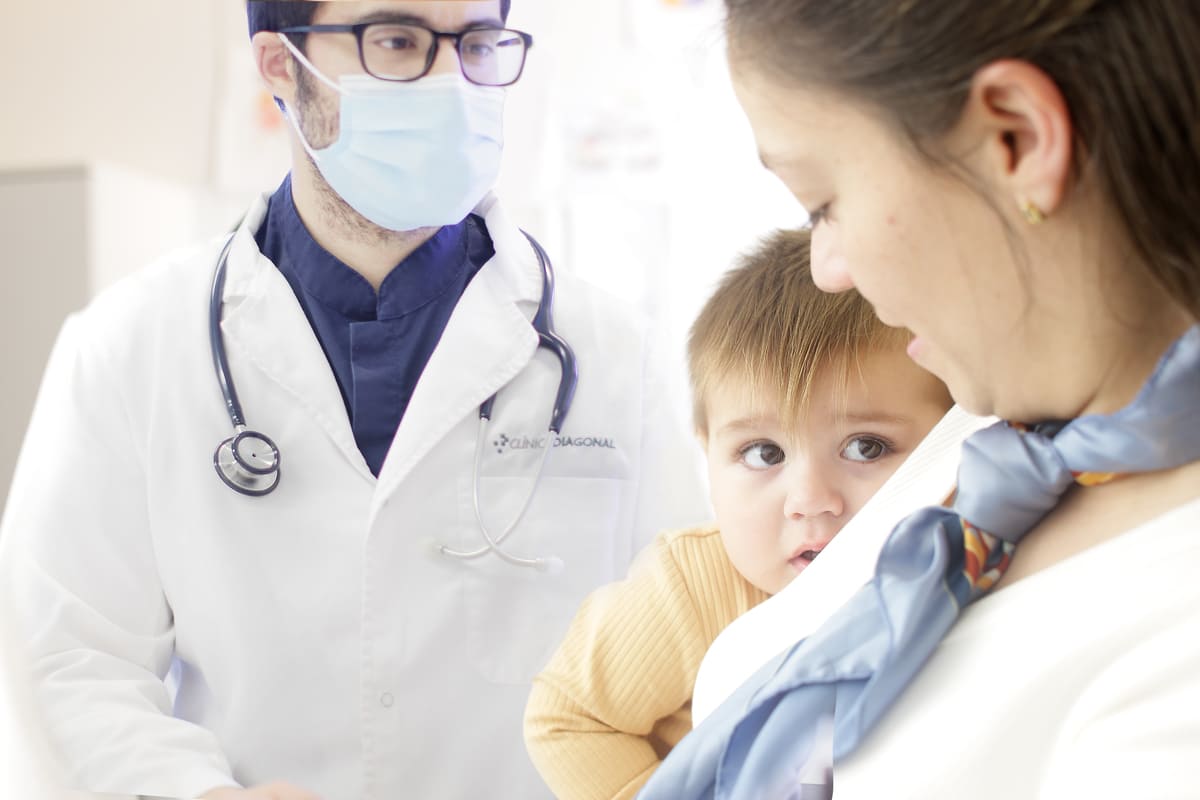
In the event of a possible loss of appetite, fatigue and/or lack of energy, it is recommended to eat smaller meals, more frequently and at times of greater appetite. They also point out the benefit of enriching dishes with energy-dense foods such as nuts (powdered or cream), olive oil, whole eggs or extra egg whites, whole dairy products, avocado, potato, etc. Adapting the texture of meals to one's own needs to avoid fatigue and avoiding sugary foods if one feels tired or lacking energy, as they cause a fast-acting stimulus that disappears in a short time and will lead to feeling more tired, are other tips.
And, thinking about uncomfortable nausea or vomiting, it helps to cope better by eating slowly, chewing food well; avoiding foods with strong smells or flavors; avoiding extreme temperatures in food, and serving them lukewarm or at room temperature and drinking liquids outside of meals. Hydration throughout the day is important.
The role of nursing in breast cancer patients
Another very important role in the multidisciplinary team that deals with each case of breast cancer is that of nursing. Their involvement in the care and support for any questions from breast cancer patients is essential. Care includes the identification of possible risk factors, prevention, and health promotion.
In addition, patients suffering from breast cancer need to be informed and guided, along with their families, about the process they are facing. And nursing accompanies them throughout the entire process. Their great role is to advise, inform, care for, treat, and accompany during the process of this disease, through human treatment, considering the patient as a bio-psycho-social and cultural being, that is, the person and all their context and circumstances, and not solely attending to their illness. "We provide all the necessary support, both to them and their family, to be able to face the situation in the best possible way, in a continuous and personalized process," says Laura Encinas, oncology nurse at Clínica Diagonal. The team of nursing assistants, which includes professionals like Pilar Blanco, also contributes decisively to this work.
Add The New Barcelona Post as your preferred Google source for free
Stay informed with the latest news.
