
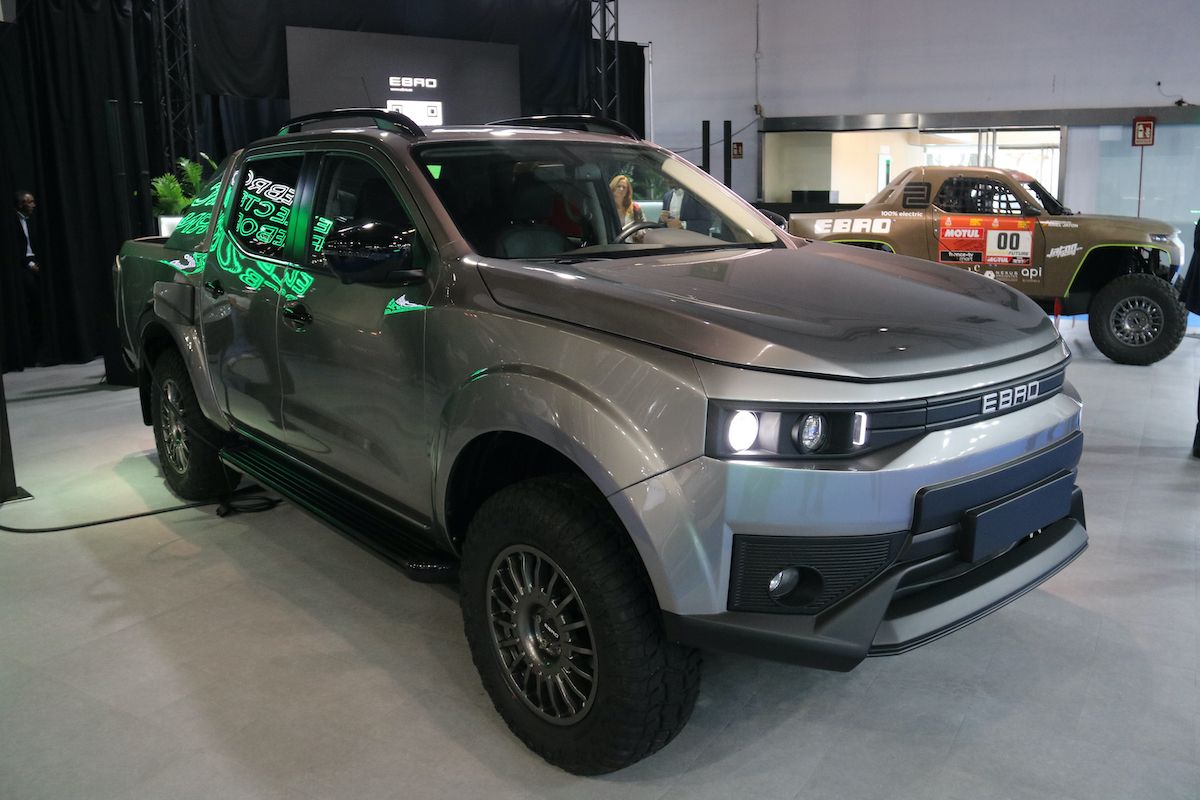
Agreement between the Chinese Chery and the Catalan Ebro EV-Motors to reactivate the old Nissan factory almost three years after the closure of the Japanese facilities in Catalonia. Both companies have announced the creation of a joint venture with majority participation from Ebro to manufacture Omoda and Ebro vehicles in the Zona Franca. The pact was announced this Tuesday after months of intense negotiations and several trips to China by authorities and the company, and will be officially sealed on Friday at an event in the Zona Franca. The forecast is that the first cars will begin to be manufactured at the end of the year.
Ebro is the first brand to sign an agreement with a Chinese manufacturer for the production of vehicles in Spain. The agreement will allow the reindustrialization of the Zona Franca plant in Barcelona, owned by EV MOTORS, with the manufacturing of the first model of the Ebro brand in the fourth quarter of that same year. This year, the production of Omoda's Chinese vehicles is also expected to begin, reports ACN.
The agreement was finalized this week in Wuhu in negotiations with Ebro CEO, Pedro Calef, and Chery Executive Vice President, Guibing Zhang. Although no figures have been given yet, some forecasts indicated that Chery could manufacture 50,000 vehicles a year of its Omoda brand in Catalonia.
The agreement comes after, in early March, changes were announced in the structure of Hub Tech Factory, the company that is reindustrializing the old Nissan jointly with Silence. EV Motors assumed 100% of the shares after acquiring the 40% held by QEV. The operation was closed with a payment of 12 million euros subject to the success of the project. For now, the transfer was made for a symbolic total of 1 euro. Although QEV has sold the shares, it will remain linked to the project as a contract manufacturer. QEV itself pointed out in the statement detailing the sale of the shares that this move would facilitate "the possible entry of the Chinese manufacturer into the project."
Subsequently, voices such as that of the Minister of Business and Labor, Roger Torrent, assured that the negotiation "would end quickly and end well." More than a month has passed, but finally the operation has been sealed and will be signed this Friday in Barcelona.
On the other hand, the electric motorcycle manufacturer Silence manages a small part of the Zona Franca plot and employs 100 workers, but has now filed an ERTE due to a stock problem.
The disappointment of Great Wall Motors
The reindustrialization of Nissan is a process that has been dragging on for three years, ever since the Japanese company announced in May 2020 that it would close the three factories it had in Catalonia. After 95 days of strikes and protests, unions and the company reached an agreement for the closure in August 2020, setting the definitive end of production for late 2021.
In parallel, institutions, the company, and unions formed a committee to attract projects to employ the more than 1,300 laid-off workers who opted for reindustrialization. The process was full of obstacles and delays. Many proposals passed through the committee, including that of the Chinese group Great Wall Motors, which was the favorite to set up shop. The "no" from the Asian multinational was "the hardest moment" for the members of the reindustrialization committee, as they later explained.
Chery had already shown interest
The failure of negotiations with the Chinese company, which was the preferred project, represented a setback in the negotiations, in which up to 17 projects were evaluated. From that moment on, the Hub was put forward as the preferred candidate.
Chery itself showed interest in entering the process in October 2022, shortly after the deadline for submitting bids for the public tender launched to find a replacement had ended. The manufacturer, the second most important in China, had already explored the possibility of settling in Catalonia in 2019, in an initiative that did not prosper.
Goodman wins the tender with the help of the hub
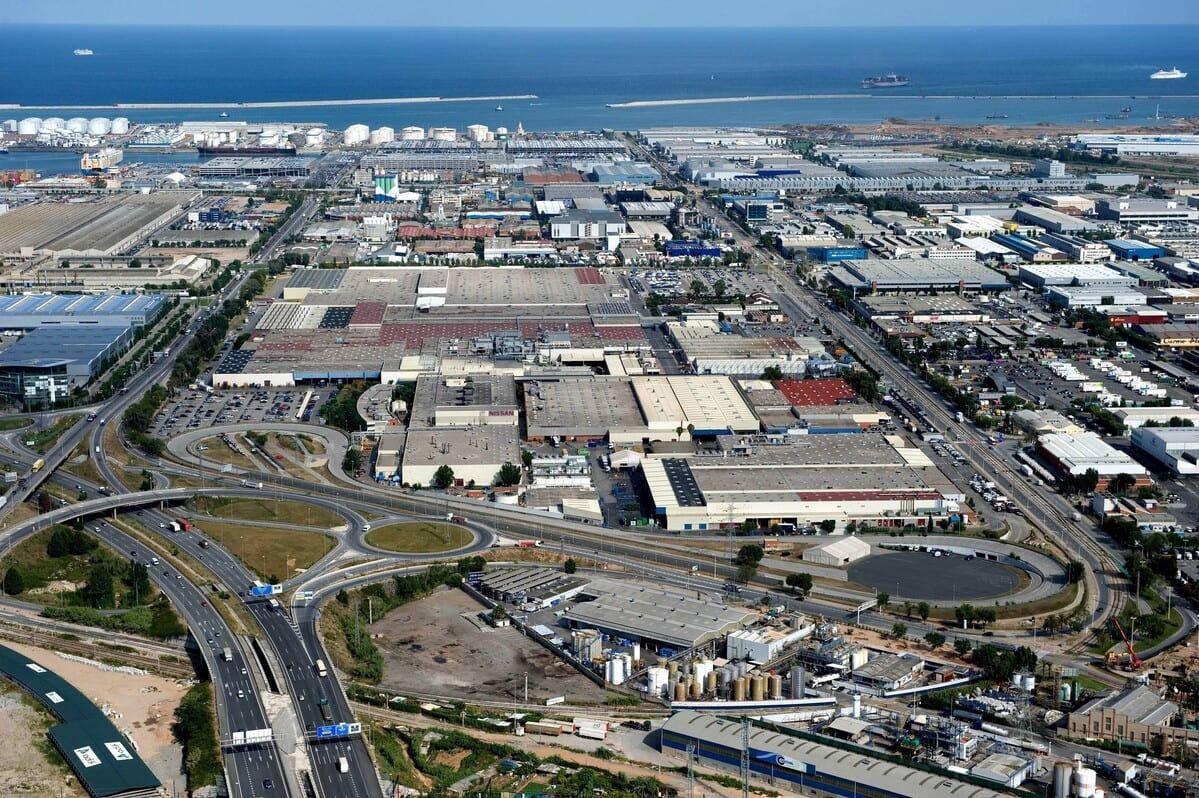
Finally, the public tender concluded two and a half years after the committee was formed: in February 2023, when the hub was officially named Nissan's successor. Although the hub will produce the vehicles, the land was formally awarded to the Australian multinational Goodman, which will manage the land and keep part of the plot for logistics activities.
Industrial and automotive activity
Throughout the negotiation, several actors, such as the Consorci de la Zona Franca, requested that the space for logistics be expanded on this land, which until now had had an industrial use and paid a rent well below market price. However, administrations and unions pushed for the project replacing the Japanese company to also be industrial and linked to automotive, a fact that, as all sources admit, has complicated the entire operation.
"The objective was clear, we could have opted for another much easier and much faster option, but we have opted for the one that generates greater value in the country," Torrent stated at a press conference.
Delays and obstacles
Delays were not only a feature of the search phase for a new investor but continued once the winner of the tender was known. Thus, initially, the hub's forecast was to start production in early 2024 and to have hired all the employees who lost their jobs this year. At the time, they promised to mobilize 300 million euros in the first three years of activity.
Previously, and when the tender was not yet closed, the project also generated doubts by not obtaining all the guarantees to access the European funds it had requested to launch the multimodal plant in the Zona Franca. The forecast given from the beginning was to produce 60,000 vehicles annually starting in 2026.
40 years of history
Nissan's farewell was officially announced in May 2020. After months of strikes, a committee was formed by the Generalitat, the Government, the unions, and Nissan itself to pilot the reindustrialization process of the three factories: Zona Franca, Montcada i Reixac, and Sant Andreu de la Barca, which ultimately fell out of the process.
Workers have had to wait more than two years, during which unemployment benefits have been exhausted, to return to the old Nissan factory, which had a relationship with Catalonia since 1979.
Add The New Barcelona Post as your preferred Google source for free
Stay informed with the latest news.
