Last year, the Gaudí awards ceremony was on January 19, a week before the Goya awards, which were held on the 25th, and both just as Spain was about to enter an unimaginable collapse due to the pandemic and into unknown territory that has completely changed life in general and cinema in particular. During this time, cinema has been cooked and consumed in a different way, and now it's time to reward it, which will also be done under very different conditions: first the Goya awards, on March 6, in Malaga and at the Soho CaixaBank Theater, owned by Antonio Banderas, and then the Gaudí awards, on March 21, at the Auditori Fòrum CCIB in Barcelona. And the great protagonist of the night, with the permission of winners and losers, will be the "live connection," in a mix of closeness and distance that will have to provide us in streaming all the camaraderie, emotion, disappointment, spectacle, tediousness, and moods, good and bad, that always accompany the gala.
The other titles nominated for best film, such as L'ofrena, La dona il.legal and Les dues nits d'ahir, have not even managed to place their directors (Ventura Durall, Ramon Térmens and Pau Cruanyes) among the nominees for the Gaudí for best direction and best screenplay, where Pilar Palomero (Las niñas), Icíar Bollaín (La boda de Rosa) and Cesc Gay (Sentimental) are, who also form the group of favorites for the imminent Goya awards. In reality, the films nominated in the Gaudí for best non-Catalan language film, a category made up of these three titles in addition to Adú, by Salvador Calvo, are those that are expected to sweep all the major Goya awards this year.
While Catalan cinema has not had its best year (who can boast of such a thing?), the truth is that the Catalan presence, without the "in", in the Goya and Gaudí awards, is set to be very significant and substantial, and we highlight below a few arguments, film titles and names of candidates who should be protagonists during the night of these awards.
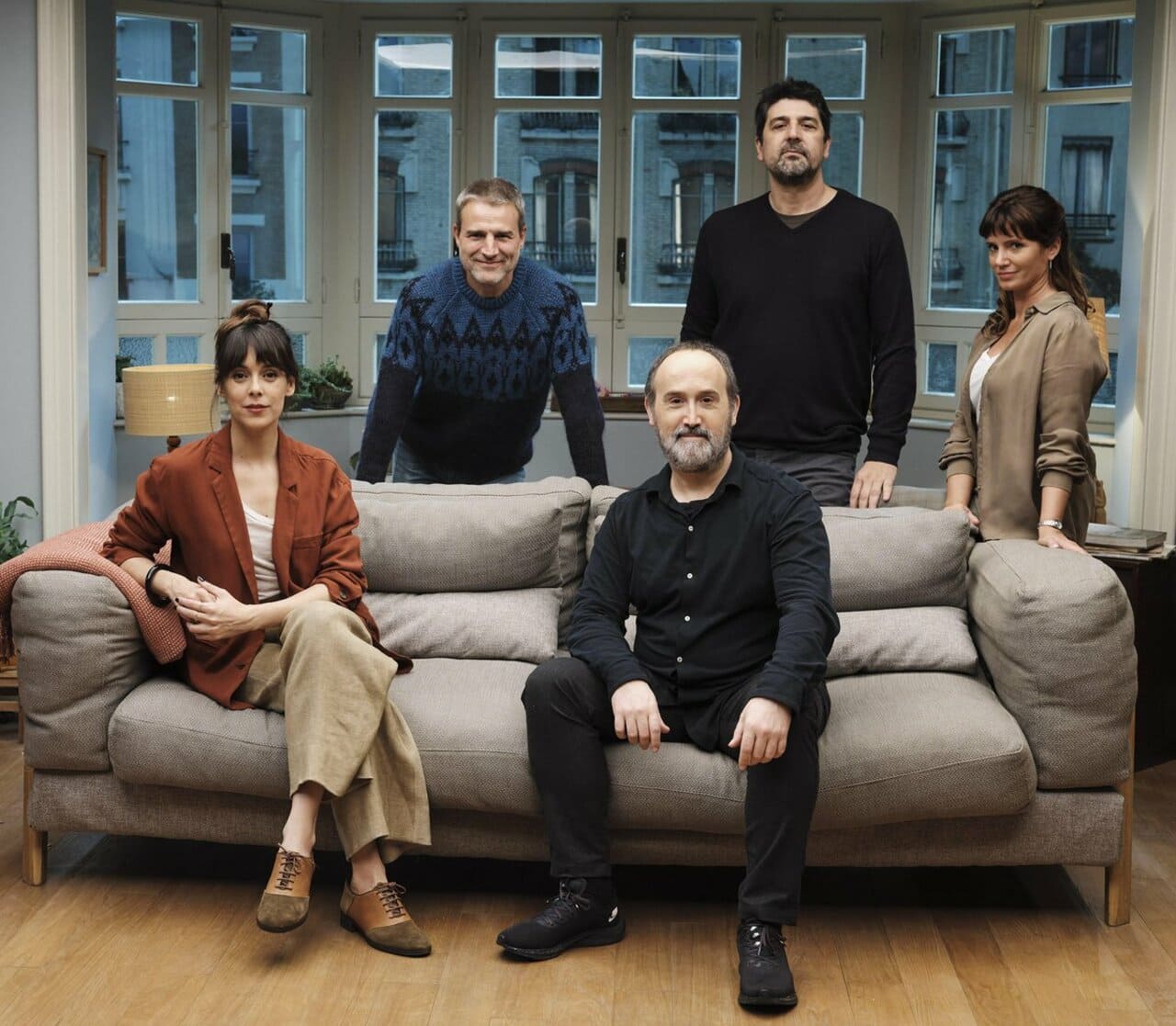
- Sentimental. Cesc Gay's work that is selected in several of the most important categories of the Goya and Gaudí awards, including the main one for best film, and Cesc Gay for best director and best screenplay. Also one of its protagonists, Javier Cámara, is nominated for both awards as best lead actor; Alberto San Juan and Griselda Siciliani only aspire to a supporting Goya. Making predictions about the awards and winners, taking into account the variety, taste and tact of the academics from here and there who choose them, is a perfect passport to error, but let's say that Sentimental is better placed for the Gaudí than for the Goya.
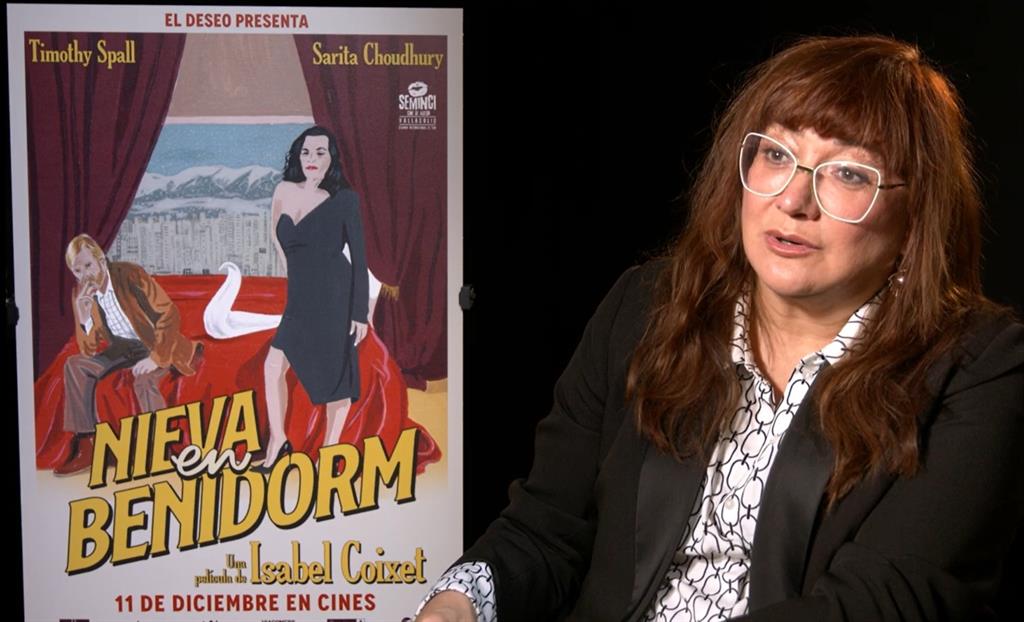
- Isabel Coixet. The director of Nieva en Benidorm arrives at the Goya awards with only two nominations, that of her production director, Toni Novella, and that of Coixet herself, who aspires to best direction. With all precautions, one could risk the conjecture that she does not have real weight among the favorites, as Nieva en Benidorm has gone unnoticed by the Academy, which has ignored it in the preliminary selection for the bulk of the important awards for film, actors or screenplay. On the other hand, Isabel Coixet has not received a single ballot for the Gaudí awards.
- My Mexican Bretzel. Without a doubt, one of the surprises of this year. Barcelona-native Núria Giménez Lorang has achieved with her first feature film, a most ingenious miscellany of documentary and melodrama, a film full of magic, feeling, and nostalgia. It is nominated for two Goya awards, for best documentary and best new director, and although Núria Giménez Lorang more than deserves both, it gives the hasty impression that she will not win any, as she competes against the highly acclaimed documentary El año del descubrimiento and against new director Pilar Palomero, who with Las niñas has many chances of becoming the big winner of both galas (it is nominated for thirteen Gaudí awards)…, although those chances also make her a potential big loser. Where Mi Mexican Bretzel could have a better night is at the Gaudí awards, as it aspires to best screenplay and, with more guarantee of success, to best documentary.
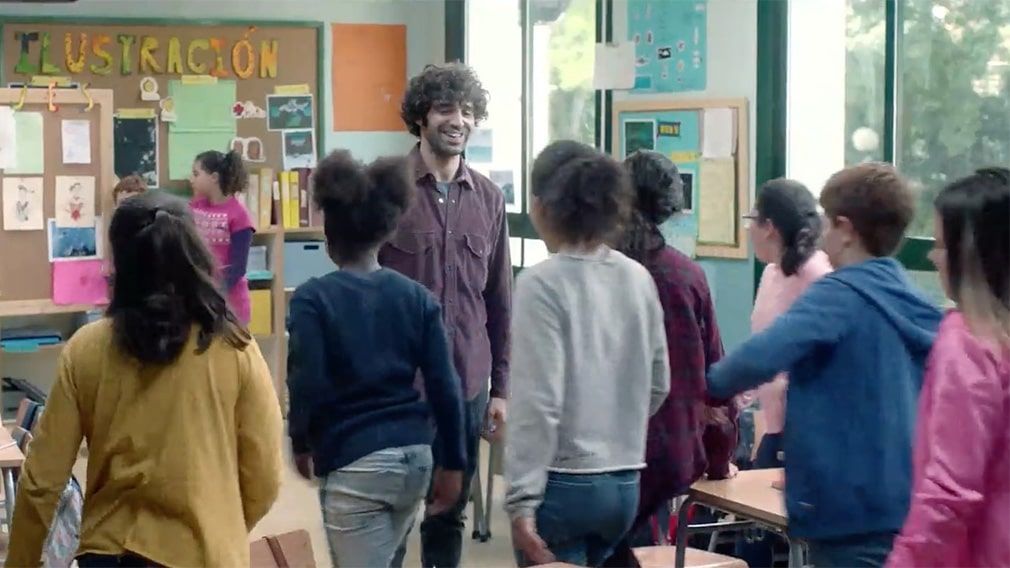
- David Verdaguer. The excellent film Uno para todos, directed by David Illundain, whose plot focuses on a teacher, his class of sixth-grade children, and the relationships, feelings, and circumstances, has not achieved greater prior recognition from the Academies than the nomination for best actor for its protagonist, David Verdaguer, who already won a Goya as a supporting actor in 2018 for Verano de 1993 and a Gaudí for Tierra firme. The film is magnificent, moving, and rewarding, and Verdaguer is fantastic, but his chances are slim against the omnipotence of Javier Cámara or the impact of Mario Casas, who are also nominated for Goya and Gaudí.
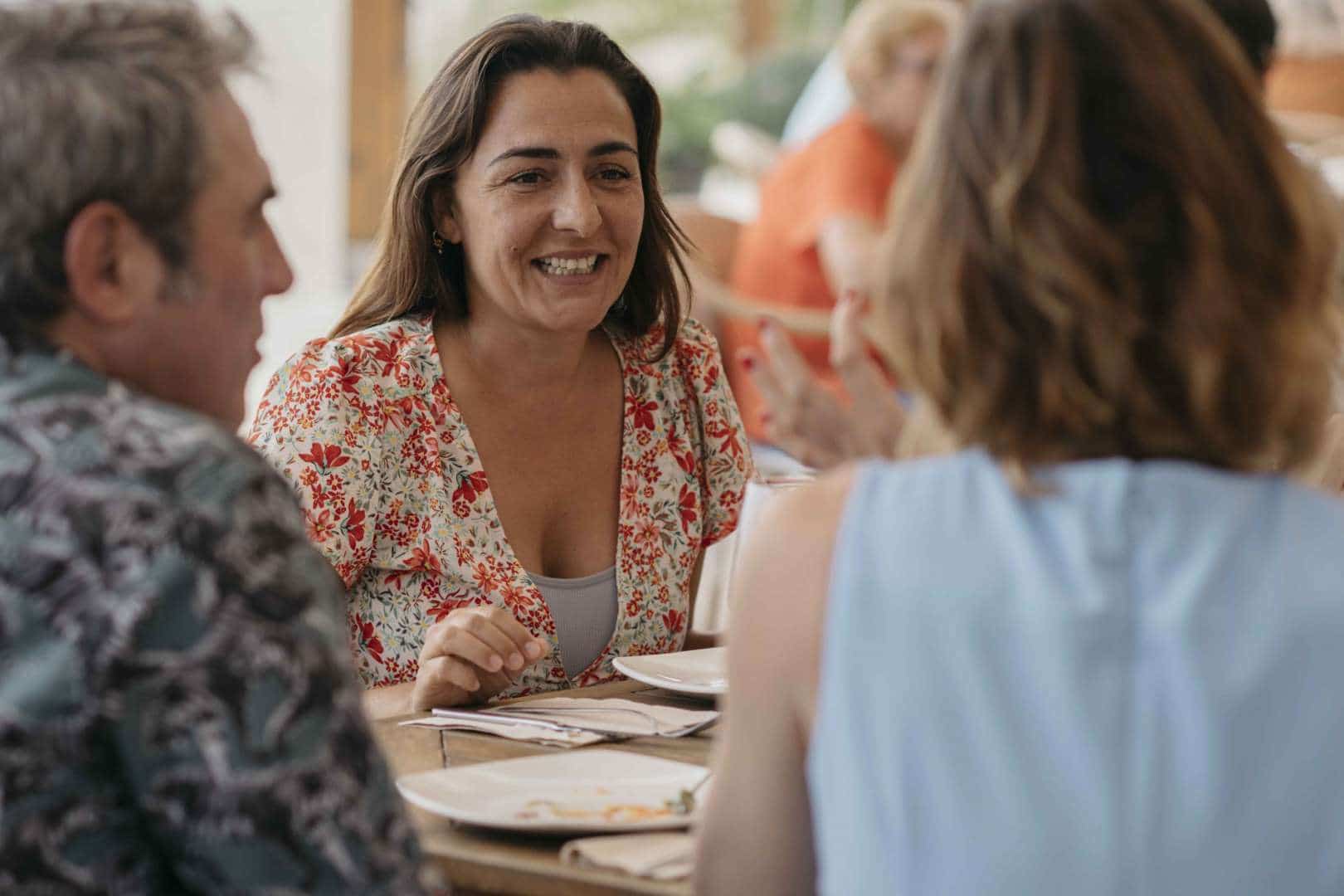
- La boda de Rosa. This title directed by Madrid-native Icíar Bollaín collects eight Goya nominations and five Gaudí nominations, including best film and direction, but its best-sharpened weapon is the enormous, pulsating, and crisp performance by Barcelona actress Candela Peña, who portrays a character full of power and fragility. The Goya for best actress would never escape Candela Peña were it not for Kiti Mánver also fighting for it with her masterful lesson in El inconveniente, and the Gaudí will be contested by Nora Navas for her work in La vampira de Barcelona.
Add The New Barcelona Post as your preferred Google source for free
Stay informed with the latest news.