
The response to humanitarian emergencies requires rapid and efficient action, channeled through solidarity and often provided by non-governmental entities. Personnel, medical supplies, food, clothing, and water are examples of the multitude of essential goods required in these actions. The startup Humanitaria, based in Barcelona, was founded precisely to facilitate the access and transport of one of these elements: beds.
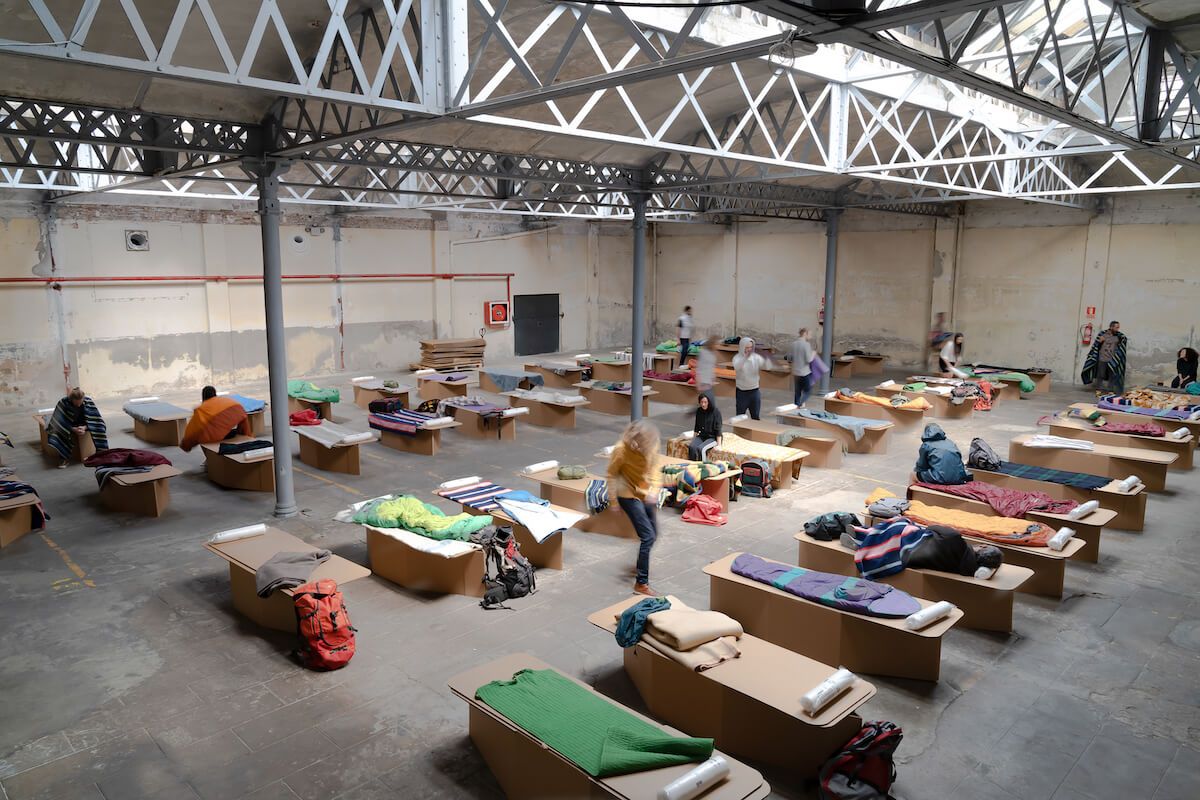
The acquisition, transport, and installation of beds require a large deployment of resources for NGOs. The startup, boosted through the Unicef Lab acceleration program, was born with the aim of designing a bed that is more economical, lighter, and easier to transport and install than traditional ones, which are usually made of metal. The result? Cardboard beds that can support up to 350 kilos and assemble in five seconds. It achieves this with a two-step deployable system, through which a flat cardboard sheet becomes the bed, without using tools and with an assembly that can be done by a single person.
These cardboard beds cost a tenth of the average price of traditional equipment. While the usual price for 1,000 beds ranges between 100,000 and 200,000 euros, the cardboard ones cost about 16,000 euros, at about 16 euros per unit. They can be transported folded, and are assembled and installed in about 20 minutes. Manufacturing speed is also accelerated, as about 1,000 cardboard beds can be produced per hour, in a production process that can be carried out in any average packaging factory.
They address the fact that the beds are single-use from the perspective of "taking advantage of the benefits that cardboard offers and its limited durability"This production speed allows responding to demand peaks without long waiting times or stockoutsstock, to prevent the repetition of situations similar to those derived from the pandemic. The reaction to the emergency generated by Covid-19 was precisely the seed of the idea of the CEO and co-founder of the project, Juan Sanz. "We realized that standardized resources were needed, seeing the organizational chaos of all governments worldwide," says Sanz, who is dedicated to industrial design and invested his background in conceiving these beds.
The startup, driven by Sanz together with J.Alberto Paniagua, has opted to apply concepts of specialization and superefficiency to humanitarian equipment. It chose cardboard to manufacture its model due to the price, weight, and resistance of this material, which also facilitates its storage and transport. Manufacturing the beds in this material reduces the cost by around 90% compared to the price of other beds for humanitarian use. The fact that cardboard is biodegradable also played a role. The model has been conceived as "ephemeral beds," disposable and easily recyclable. Although the beds currently used by NGOs are absolutely reusable due to being made of metal, Sanz assures that they are often abandoned on site for "logistical convenience" and the cost involved in transporting them again, so they are not reused. Sanz explains that they face the fact that the beds are single-use not from the perspective that they are polluting, but from the perspective of "taking advantage of the benefits that cardboard offers and its limited durability."
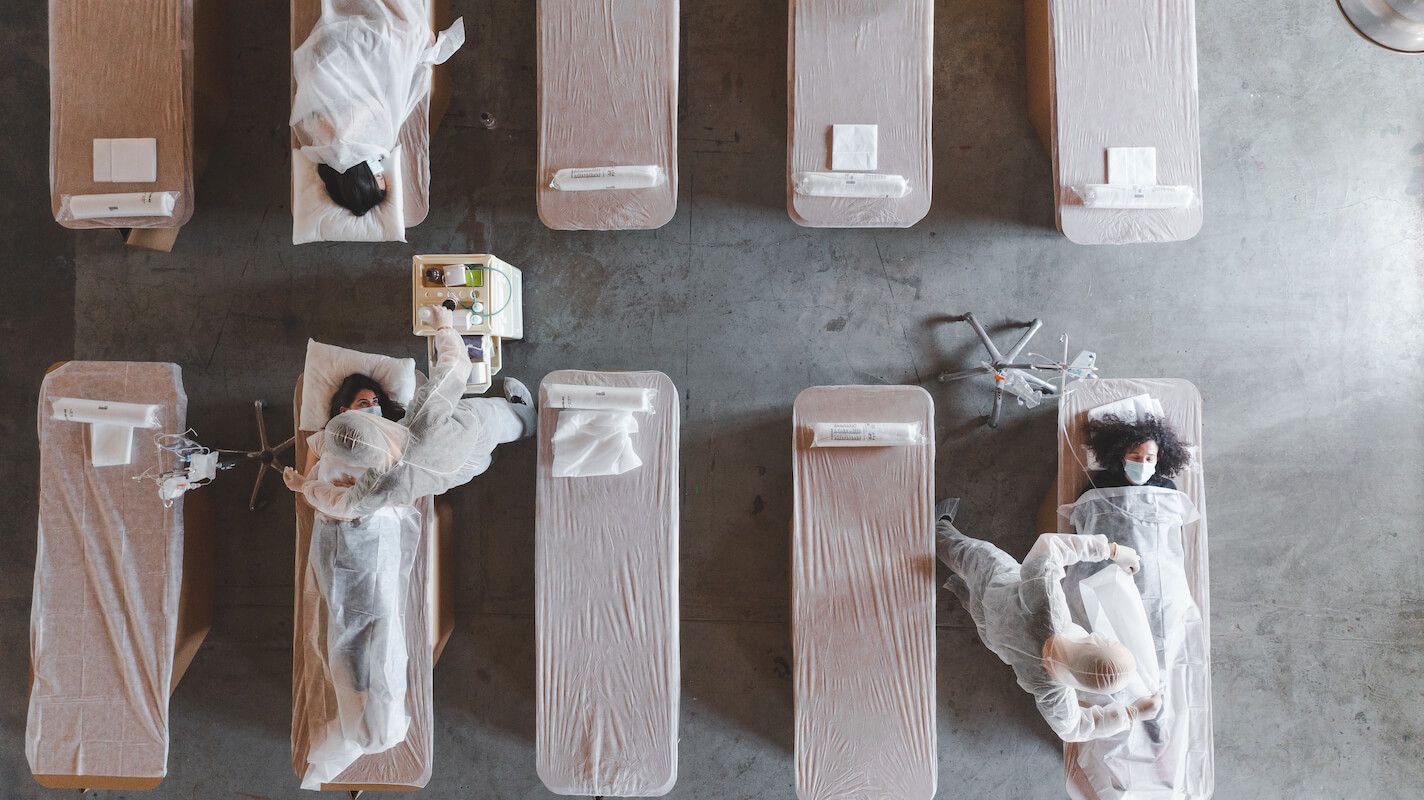
The Humanitaria team is decentralized and has Sanz and Paniagua as a fixed structure. While the co-founders now operate from Albacete and Madrid, the startup was born in Barcelona and has its associated manufacturer in the Barcelona area to produce the beds. For now, Creu Roja Catalunya will have its beds for the rescue operations planned for this autumn. Sanz does not reveal his sales forecasts but assures that the objective "was never profitability, but rather a project of personal fulfillment." The co-founder, who predicts a good international reception for the product, emphasizes that his challenge now is to combat the reluctance of entities, which in many cases choose to stick "with what is known even if it is a burden for their activity." These misgivings can slow down responses that need to be quick, and represent a wall of doubts that Humanitaria intends to knock down with cardboard blows.
Add The New Barcelona Post as your preferred Google source for free
Stay informed with the latest news.
