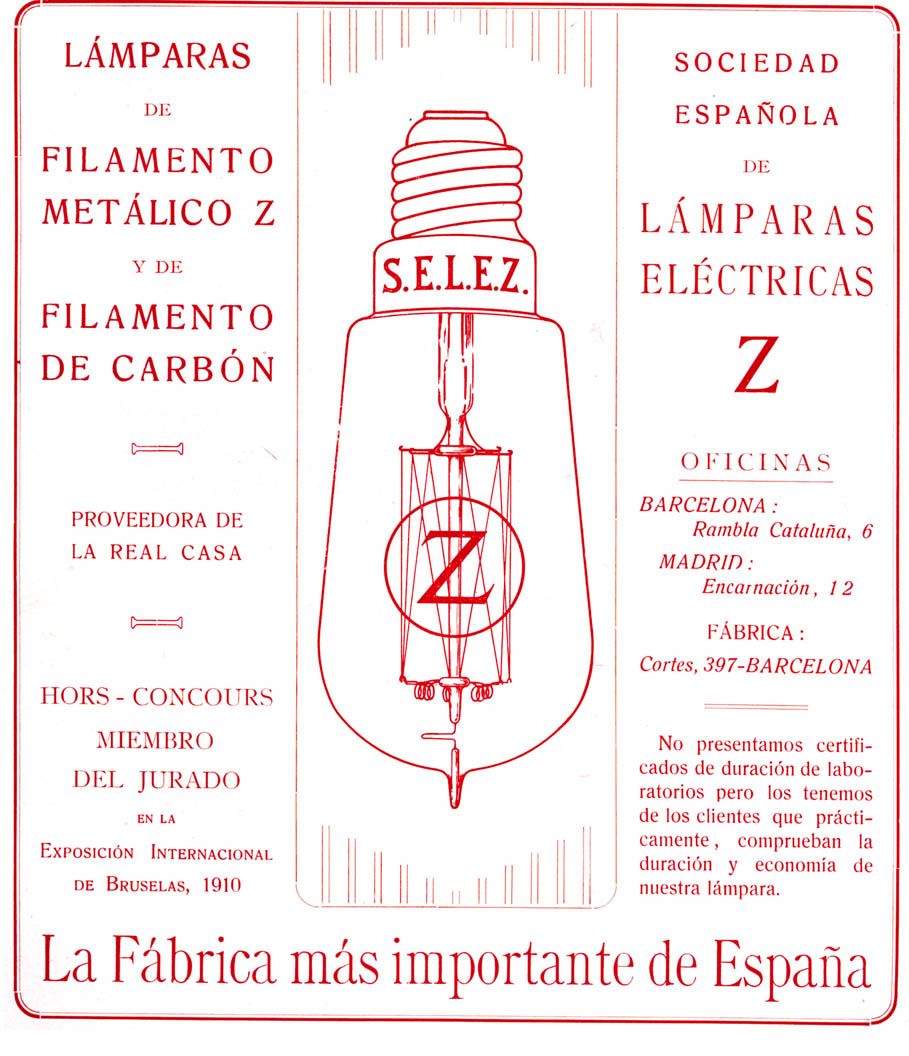
[dropcap letter="L"]
he commercial archives of the Egibi family are, as David Landes mentions in his work The Invention of Enterprise, the first documentary records of a company's activities that are preserved. They are cuneiform tablets that narrate the business history of the House of Egibi, dedicated for five generations to trade in ancient Mesopotamia.
In the United Kingdom, the business association The Tercentenarians is based, a club that brings together family companies with more than 300 years of history. The Fortnum & Mason store, located in Piccadilly and founded in 1707, and the Whitechapel Bell Foundry, bell manufacturer (1570), are some of the members of this association.
Les Hénokiens, created in 1981 by Marie Brizard, is made up of 47 family businesses with at least 200 years of existence. Its oldest member is the Hoshi Ryokan, a traditional Japanese establishment considered the oldest hotel in the world, operating since 718.
In Spain, according to INE data, there are currently more than 3.4 million commercial companies. 16.3% of active companies are more than 20 years old, while 20.8% are less than two years old. The average life of Spanish commercial companies is approximately between 12 and 15 years, and they are dying sooner and sooner. According to the latest known data (2016), there were 1,312,345 companies with employees in Spain. Creative destruction, popularized in its day by Joseph Schumpeter in his book "Capitalism, Socialism and Democracy" - innovation produces a constant renewal of the productive fabric; new products destroy old companies - has been established in the Spanish economy.
Spain currently has around 100 centenarian companies, far from the 800 existing in Germany and the 200 in Holland and France. These are companies, many of them family-owned, that are still present, having survived the great difficulties of 20th century Spain: loss of colonies, civil war, autarky, entry into the European Union, and the new challenges of globalization.
But the success or failure of centenarian companies does not depend so much on overcoming external conditions, which affect everyone, but rather on internal factors, such as business management, succession, innovation, diversification, and internationalization. These are key factors for their success and longevity.
More than 30 of these companies are currently associated with Foment del Treball: Baccardi, Codorniu, Freixenet, Font Vella, Miguel Torres, Vichy Catalán, Siemens or La Vanguardia... In 2018 some of them celebrate an anniversary, such as Laboratorios Uriach (180 years) and Gas Natural (175 years).
Last year 2017, several of these companies commemorated their founding. Through the bibliographic and documentary information provided by the Historical Archive of Foment del Treball, we approach their origins:
AGUAS DE BARCELONA (1867-2017) – A 150-year history of water
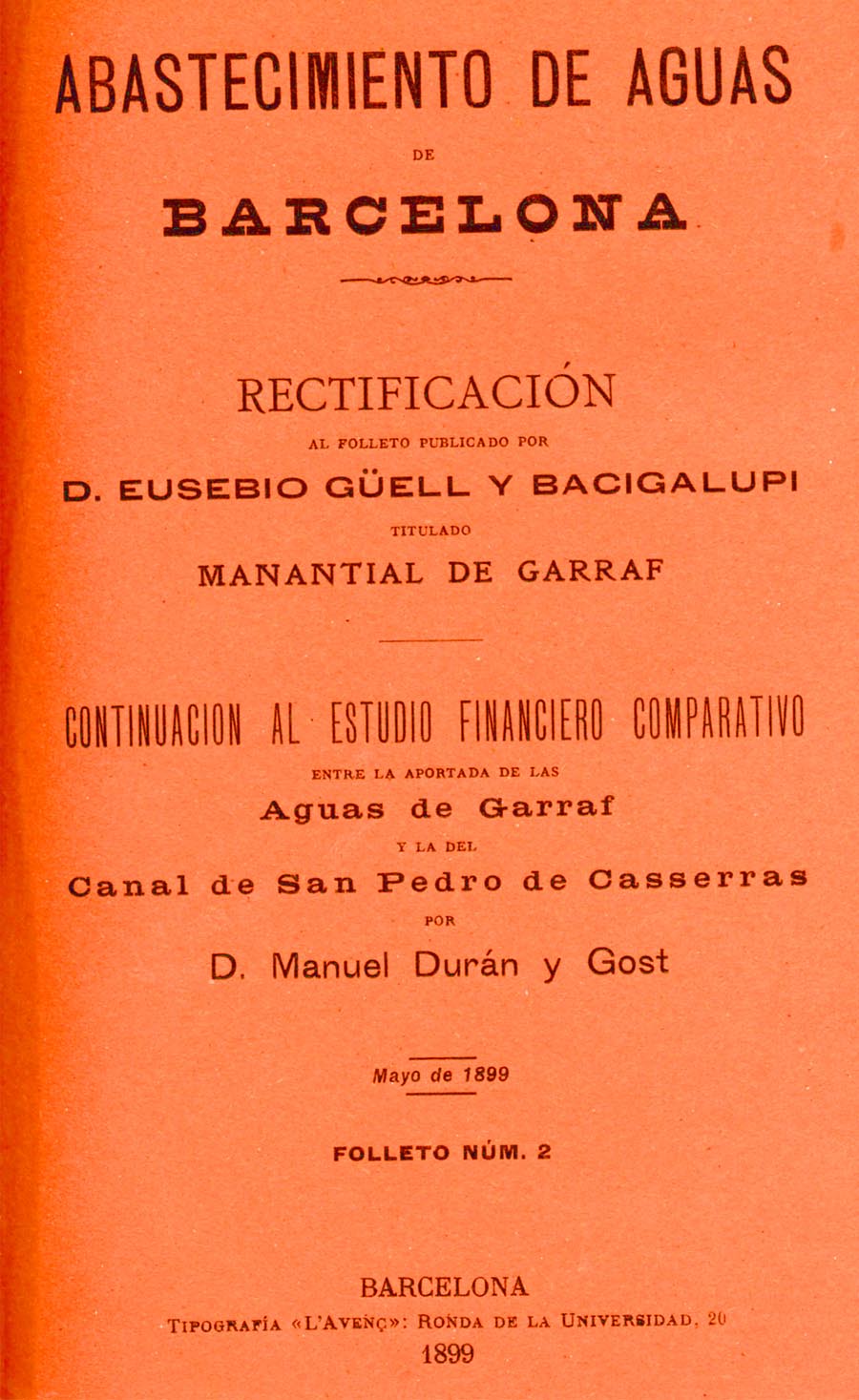
Constituted in Liege in 1867. Aguas de Barcelona took the initiative, at the end of the 19th century, to harness all water resources and create an extensive supply network. Between 1875 and 1880 it obtained the concession to carry out soundings in the municipal area of Dosrius and Canyamàs and between 1879 and 1881 it began the underground exploitation of the right bank of the Besòs.
It collaborated in the Barcelona Universal Exposition of 1888 by supplying water to the fountain installed in Plaza Cataluña, and in the Barcelona International Exposition of 1929 with the supply of water to the Magic Fountain of Montjuïc.
INDUSTRIAS TITÁN (1917-2017) – Brushstrokes of success
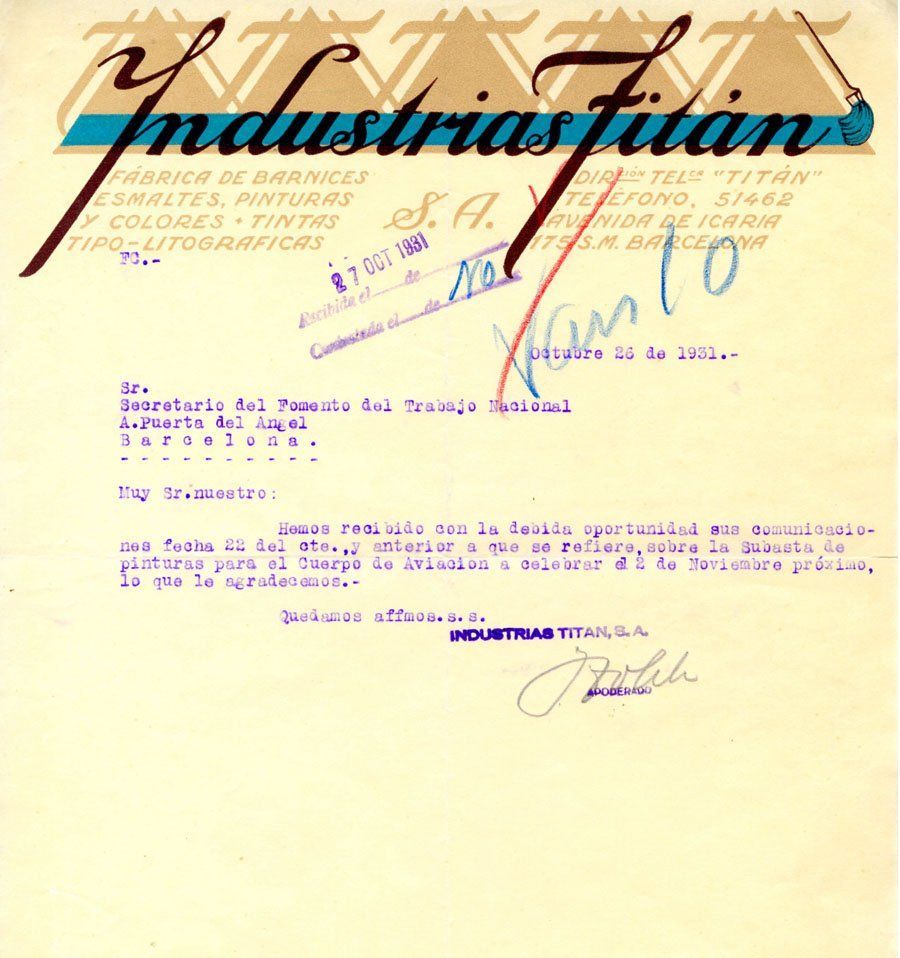
It has its origin in "Floch, Albiñana y Cía" (1882), initially dedicated to grain trade, and later as a distillery and alcohol factory. In 1917, Sociedad Anónima Novellas was constituted. In 1920, Joaquin Folch y Girona joined as a partner. In 1934, Industrias TITAN presented its first synthetic enamel.
ROCA CORPORACIÓN EMPRESARIAL (1917-2017) – A Global Company
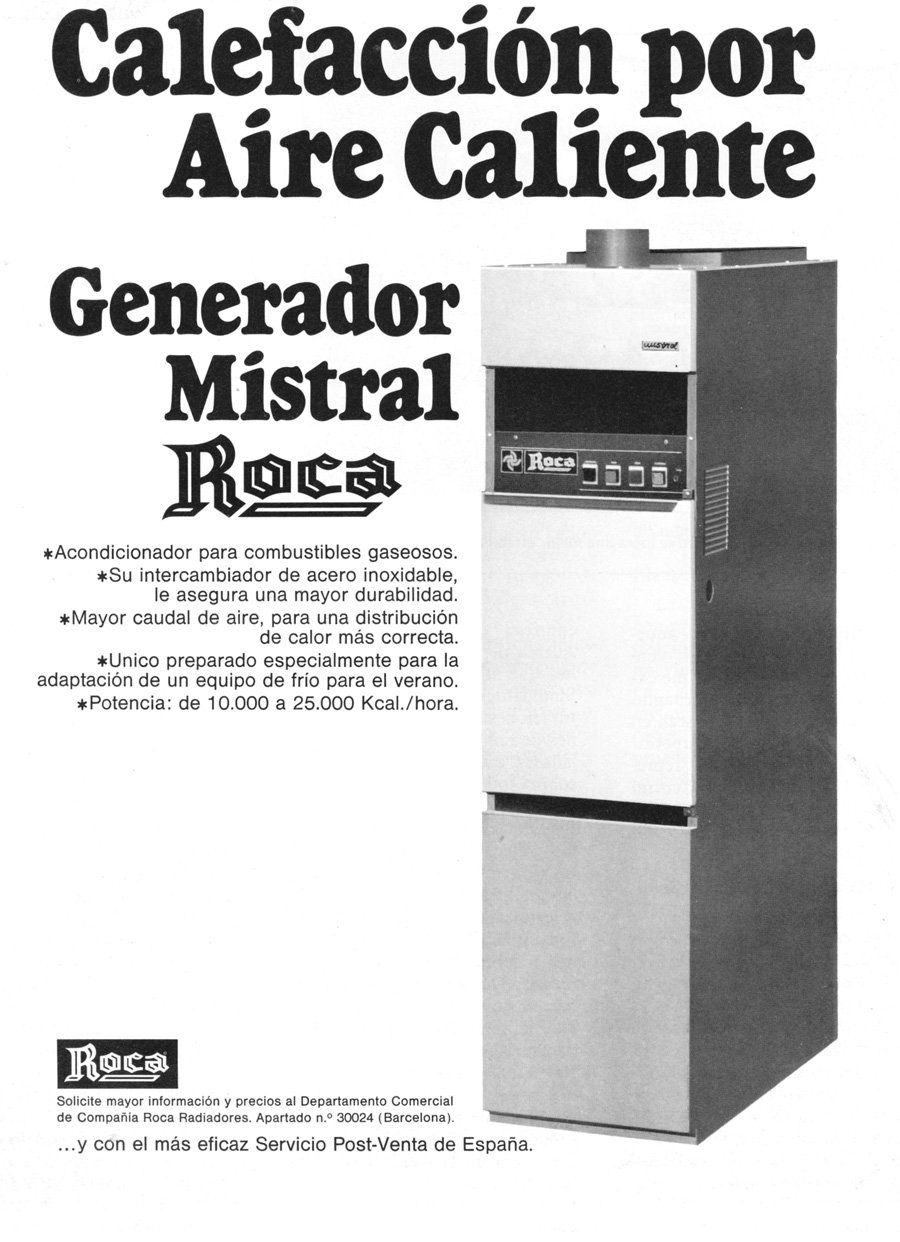
It has its origins in Talleres Roca S.A., a small blacksmith workshop promoted by Ignacio Soler: it would be his great-grandchildren -Ángela, José, Martín and Matías Roca Soler- who in 1917 founded the first factory of radiators for domestic and industrial heating in Spain. Later, they began manufacturing cast iron bathtubs, faucets, and porcelain.
GERMAN CHAMBER OF COMMERCE FOR SPAIN (1917-2017) – 100 years of history to remember
It was founded in 1917, when 40 companies of German origin decided to create the German Economic Association in Barcelona with the aim of fostering Hispanic-German economic relations and defending the interests of German companies established in Spain.
The first manifestations of German companies in Spain since the late 19th century became widespread in the 1880s. Investments were concentrated in the following sectors:
- chemical-pharmaceutical: BASF, with representation in Spain, in Barcelona, since 1878; Bayer (1884); Schering (1885); Merck (1888); Fabricación Nacional de Colorantes, S.A. (1922); La Química Comercial y Farmacéutica S.A. (1925); IG Farben (1925).
- electrotechnical: AEG with headquarters in Madrid, Seville, Bilbao and later in Barcelona with the Compañía Barcelonesa de Electricidad (CBE) in 1896 and Siemens.
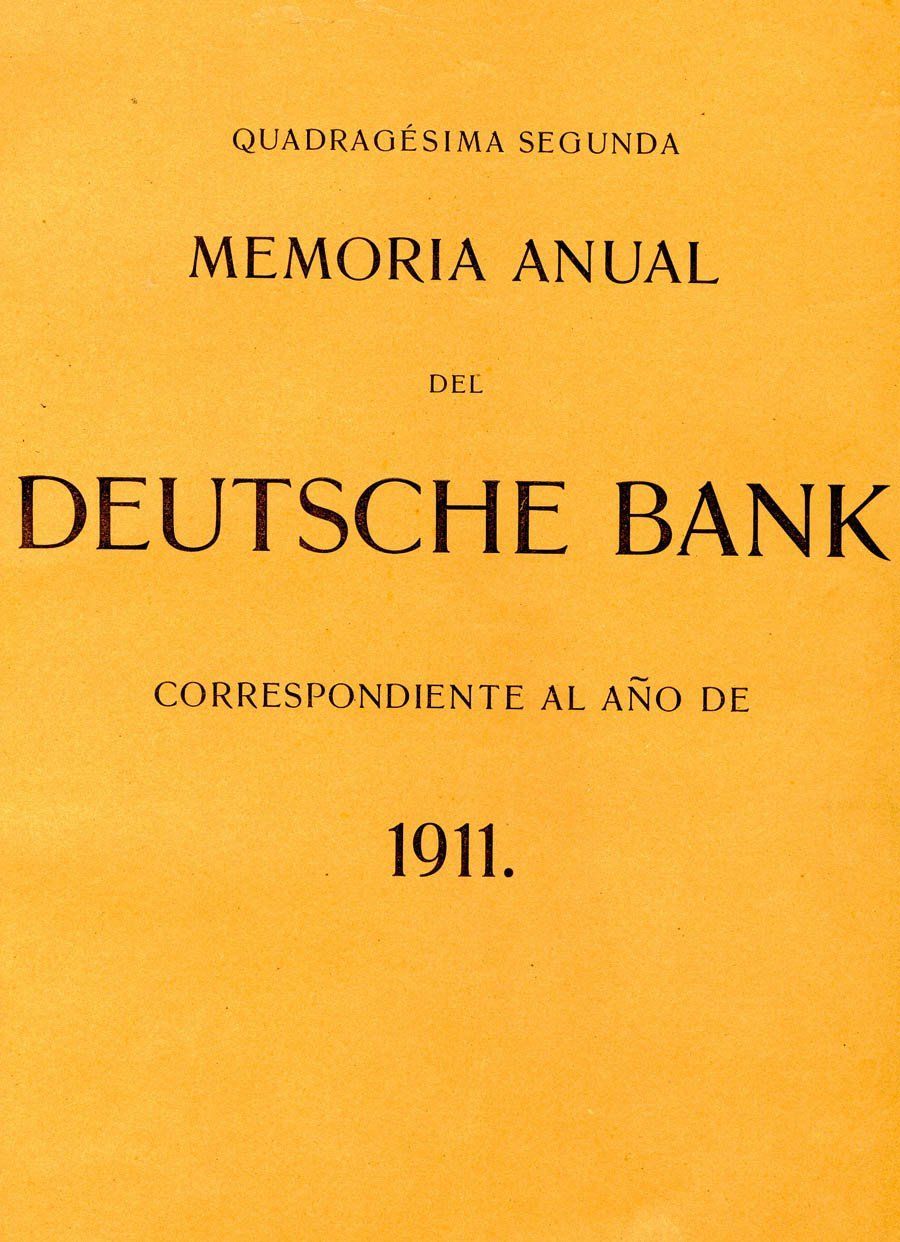
- in banking: Banco Hispano Alemán, Deutsche Bank, Banco Alemán Transatlántico.
- and in insurance such as: Albingia, La Mannheim, El Alto Rhin, La Victoria de Berlín and La Badense.
* All images belong to the Historical Archive of Foment del Treball Nacional (AFTN)
Add The New Barcelona Post as your preferred Google source for free
Stay informed with the latest news.