[dropcap letter="L"]
he verses of Carta a casa by Ovidi Montllor narrate the loneliness of a man forced to leave home in a social context of economic hardship. The courage of characters like the one described by the artist from Alcoi has left its mark on recent European history. And they continue to do so, albeit with the roles reversed and evidencing the most brutal meanness. The refugee, the exile; in short, the emigrant, strive to rebuild their lives away from home. Away from the everyday. But often this new life is arduous and difficult to get ahead. A similar course is that of grief. When this happens, we resort to longing, a song of hope that we sometimes launch from the desert of anxiety when we feel lost, a neuronal lifeline that connects the present and the longed-for memory. Those of us who went through it twenty or more years ago wrote letters or waited for them, and we are able to reconstruct the atmosphere: stopping to feel, choosing the message well, slowly re-linking the letters like an extensive filament of light on the paper, putting the address on the envelope, licking its edges to close it and the stamp.
That the atmosphere is reconstructible is determined by the quality and quantity of time dedicated. In contrast, the current sending and receiving of mobile messages or emails is a premature routine without much value, without achievement. We write texts, delete them, rewrite them, and devour them impatiently. And at night, next to libraries, people gather to scratch a few lines of wifi to be able to maintain a decent videoconference with the home that misses them tens of thousands of kilometers away. However, the day will also come when we reconstruct the sending and receiving of digital messages because we will have overcome a new technological stretch, as when we explained the anxiety of waiting for a call to the landline sitting in the armchair at home. However, I fear that we are losing the details that make up the atmosphere of memory, which are increasingly weaker. There will be fewer and fewer breadcrumbs that allow us to retrace the path back to the atmosphere.
A good part of the phases of a day unfold within the same patterns and sequences. Without realizing it, we create atmospheres: the bedroom, where almost all days begin, with the exception of lovers, who warm one bed today and another tomorrow, and executive salespeople who wake up in a different hotel room every morning. Then follow rituals such as showering, creams, choosing clothes, perfumes. The kitchen, with the usual smells of coffee, of toast. The elevator. The commute to work on foot, by bicycle, or by public transport. The park. The weekend house or that of our parents, which has seen us grow.
[subscribe_newsletter_esp]
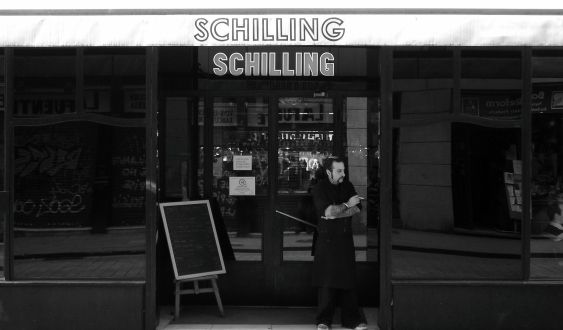
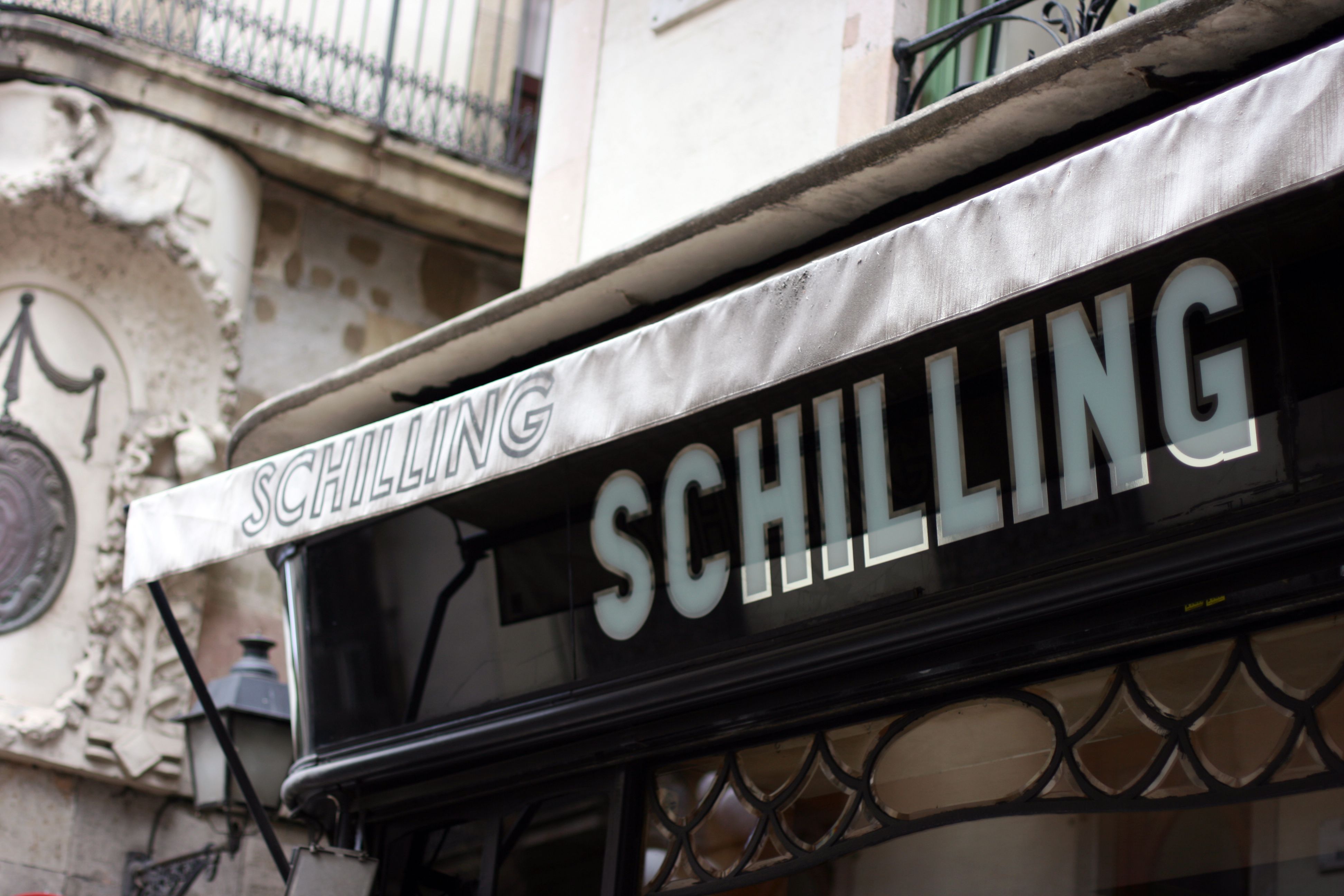
For this reason, the unprecedented inconsistency of recent months has brought to the surface an eagerness, which is none other than the desire to accelerate the outcome of the present's importunity. The desire to return to routine, to habit, to the custom that seemed strong, that seemed rooted, that even willpower had not been enough to uproot, but which the virus has twisted with dizzying ease: lives consumed, dreams in ruins or, what is worse, postponed. Those who have fared worst have been the self-employed and small businesses. With the prevention regulations against contagion, an avalanche of Barcelona establishments have not reopened the shutters they were forced to close. Some of these, bars or cafes like Beriestain or Schilling, and restaurants like El Gran Café were not just a place to have a cortado. They were, above all, atmospheres: a marvel of inner peace that revealed itself in exhausting reading or conversation time around a cup, a meal or a dinner, when you returned to the street, to the inclemency of the incessant noise, and the uncomfortable temperature and bad smells reappeared.
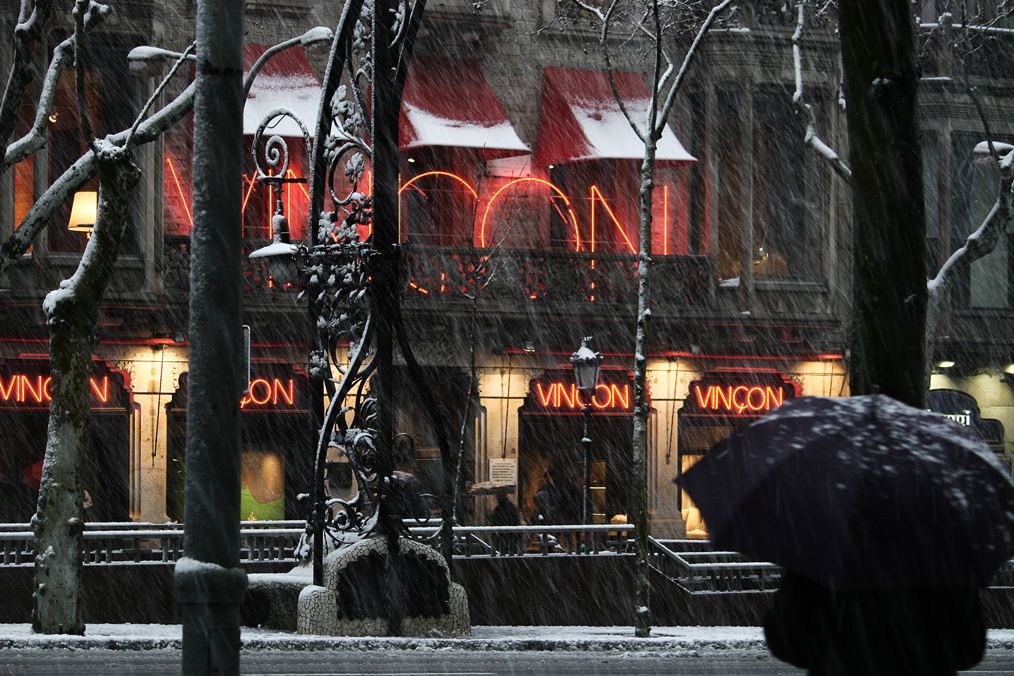
Added to the mentioned cases, some similar examples in other sectors and not necessarily linked to the pandemic's casuistry are Barcelona-Reykjavik, Arlequín máscaras, or Vinçon. These establishments brought closer, or even connected, the harmony that we only find in primitive sensibility, in the homeland. The question is whether we are in a period prone to the destruction of these atmospheres or if it is just a romantic feeling. To begin with, that we are destroying them seems an impossible statement. At least contradictory. Because humans eagerly latch onto the realities that they provide us and, afterwards, it is unwritten how difficult it is to detach, even having recognized that they have stopped providing or that they do not do so as at the beginning. This narrative is supported by an empirical reason: we have become accustomed to the constant passing typical of sedentarism, an effect comparable to what we misunderstand as well-being, an acceptable, comfortable state of pleasure.
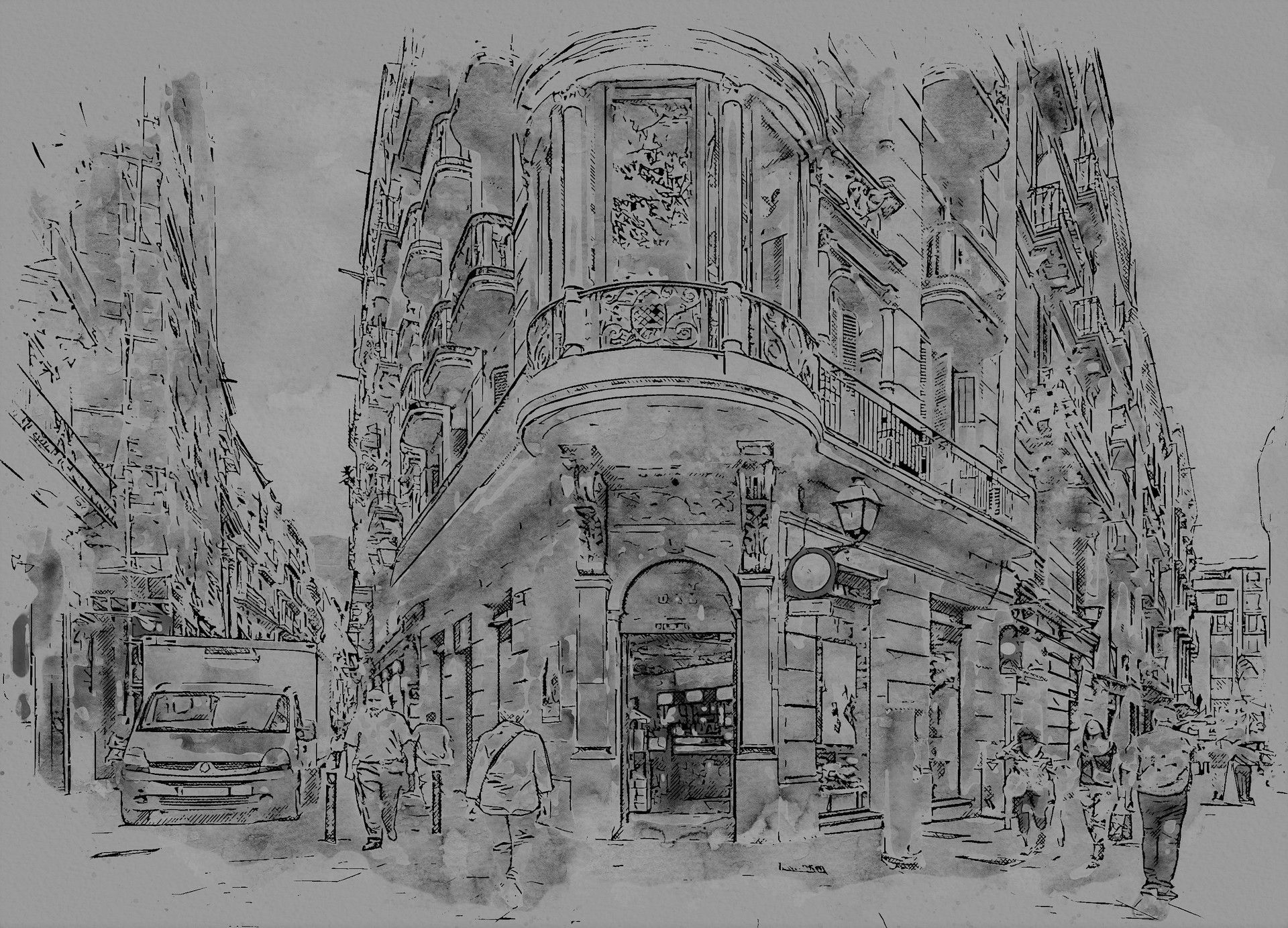
When I was still a child, I remember waiting my turn at the pastry shop. It was a simple establishment. With white tiled walls. An austere counter and wooden shelves that exhaled the formidable and warm scent of bread. I have not eaten one like that again. But I am convinced that it was not, only, the bread. In large part, it was also the atmosphere. And I would a hundred times prefer that pastry shop that had to close to the current pastry-cafeteria models that seek recurrence without imprinting atmosphere.
Because no matter how much interior design and furniture tries to dazzle the senses, the result is disappointing, given that the intangibility of atmosphere can only be replaced with intangibility. And the elements, the decoration and the furniture, being tangible, are insufficient. Atmosphere demands authenticity and patience. The patience of someone who, for example, returns home after a few days in the hospital and, during the convalescence phase, sees that their bed has been transformed into an articulated bed. And that mobility, which they could do with their eyes closed, now depends on a wheelchair.
Another particular case is the school. On occasion, I have visited the building where I attended primary school. Currently, and for some years now, it is a secondary school. When this change occurred, an architectural renovation was necessary: adapting the classrooms, replacing the neutral wall colors with vibrant ones... At first, the new reality notably distanced me from the school I had experienced. But it was returning to the smells of the entrance, to those of the restrooms, or feeling the emotion when looking out the hallway windows, and using the lifeline to reconnect with the atmosphere that remains anchored in the experience of the senses. And then the atmosphere categorically folded the attempt at reform to place me back in the school I lived in.
Are we, then, in a period prone to the destruction of these atmospheres? I'm still not clear. Because Barcelona-Reykjavik closed, but it stamped an atmosphere that has been successfully replicated in other establishments in the city. And the same happens with Schilling. And Beriestain. These are atmospheres that do not die. They are unique, they change and proliferate despite the pressure from commercial chains that would want to tip the balance towards insipid consumption. But for that reason, perhaps it would be advisable to dedicate more and higher quality time to the contexts and people that provide them to us. Because this fact will condition our balance and the openness to the only possible journey during the last stretch of life: that of returning to the atmosphere we have loved so much and that has allowed us to love.
Add The New Barcelona Post as your preferred Google source for free
Stay informed with the latest news.