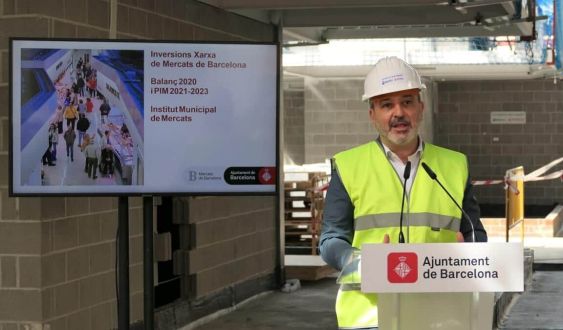
Markets are one of the backbone pillars of the city's daily life. With fresh, local, and quality products, their offer attracts almost seven out of ten Barcelona residents when it comes to shopping. The pandemic has served to highlight the value of local shops, the usual ones. For years, the network of municipal markets has been undergoing a process of reform and updating to ensure they remain competitive compared to other shopping options. To continue in this direction, the Barcelona City Council plans to invest nearly 100 million euros by 2023.
The major reforms will be carried out in the markets of Abaceria (Gràcia), Sant Andreu, Horta, Montserrat (Nou Barris), Besòs (Sant Martí), Galvany (Sarrià-Sant Gervasi), and Sagrada Família (Eixample). A total of 70.6 million euros will be allocated. With these works, the comprehensive renovation of the 40 buildings where the 43 municipal markets are located will practically be completed. Those of Canyelles, Mercè (Nou Barris), Carmel (Horta-Guinardó), Estrella (Gràcia), and Tres Torres (Sarrià-Sant Gervasi) are still pending. In addition to these works, until 2023, 22.4 million will also be invested in general improvements and maintenance of the network. During 2020, actions have been carried out in 35 markets, and 23 more actions are planned for this 2021.
The council's plan to modernize the markets also includes their digitalization, one of the great challenges they face if they do not want to be left behind. The coronavirus has also given an unprecedented boost to online shopping, and stalls are increasingly closer to being able to join digital sales. As The New Barcelona Post advanced, the future marketplace of the municipal market network will be ready in the coming months. The Barcelona startup Ulabox will be in charge of developing it, after testing it on a small scale in the Mercat del Ninot a couple of years ago.
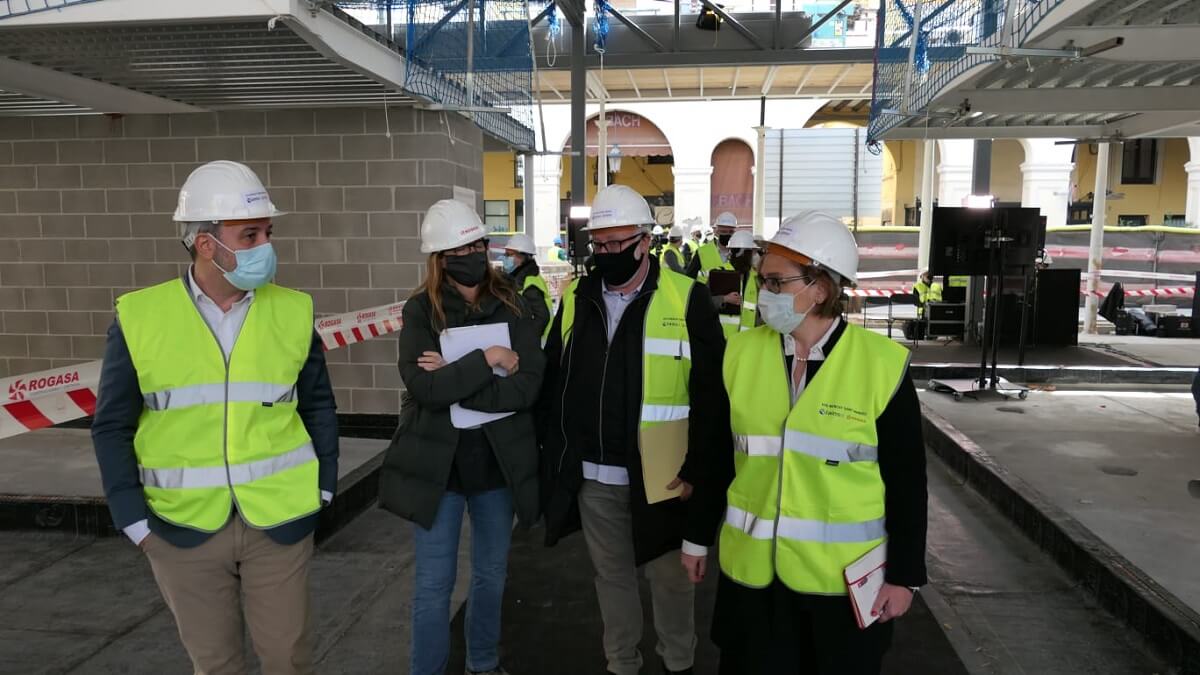
The digitalization projects for the municipal market network will have a budget of almost 2.8 million euros. Apart from the Ulabox digital market, these resources will be dedicated to creating the necessary infrastructure so that markets can adapt to this new business model. In fact, the marketplace will be based on a locker system, where users can pick up their orders, which will also include the option of receiving them at home or picking them up at the stalls. In a first phase, these lockers will be deployed in 14 markets in Barcelona (Boqueria, Concepció, Ninot, Lesseps, Sants, Sarrià, Sant Antoni, Provençals, Carmel, Clot, Felip II, Sagrada Família, Santa Caterina and Horta).
Add The New Barcelona Post as your preferred Google source for free
Stay informed with the latest news.
