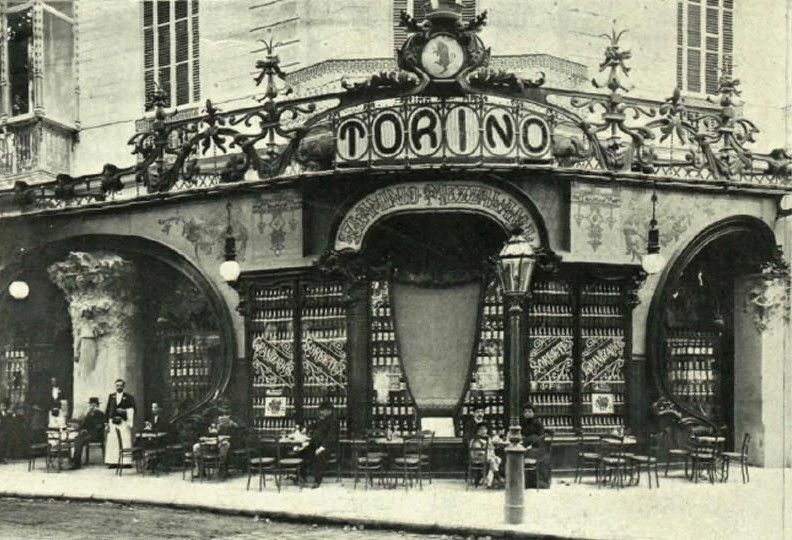
Legend has it that at the beginning of the 20th century, the Italian Flaminio Mezzalama introduced vermouth to Spain, specifically here in Barcelona, at the now-defunct Café Torino, a true gem of Catalan modernism. The exotic drink quickly became popular (the Catalan bourgeoisie was among the first to praise it) and soon became what it is today, one of our main gastronomic and social attractions.
[subscribe_newsletter_esp]
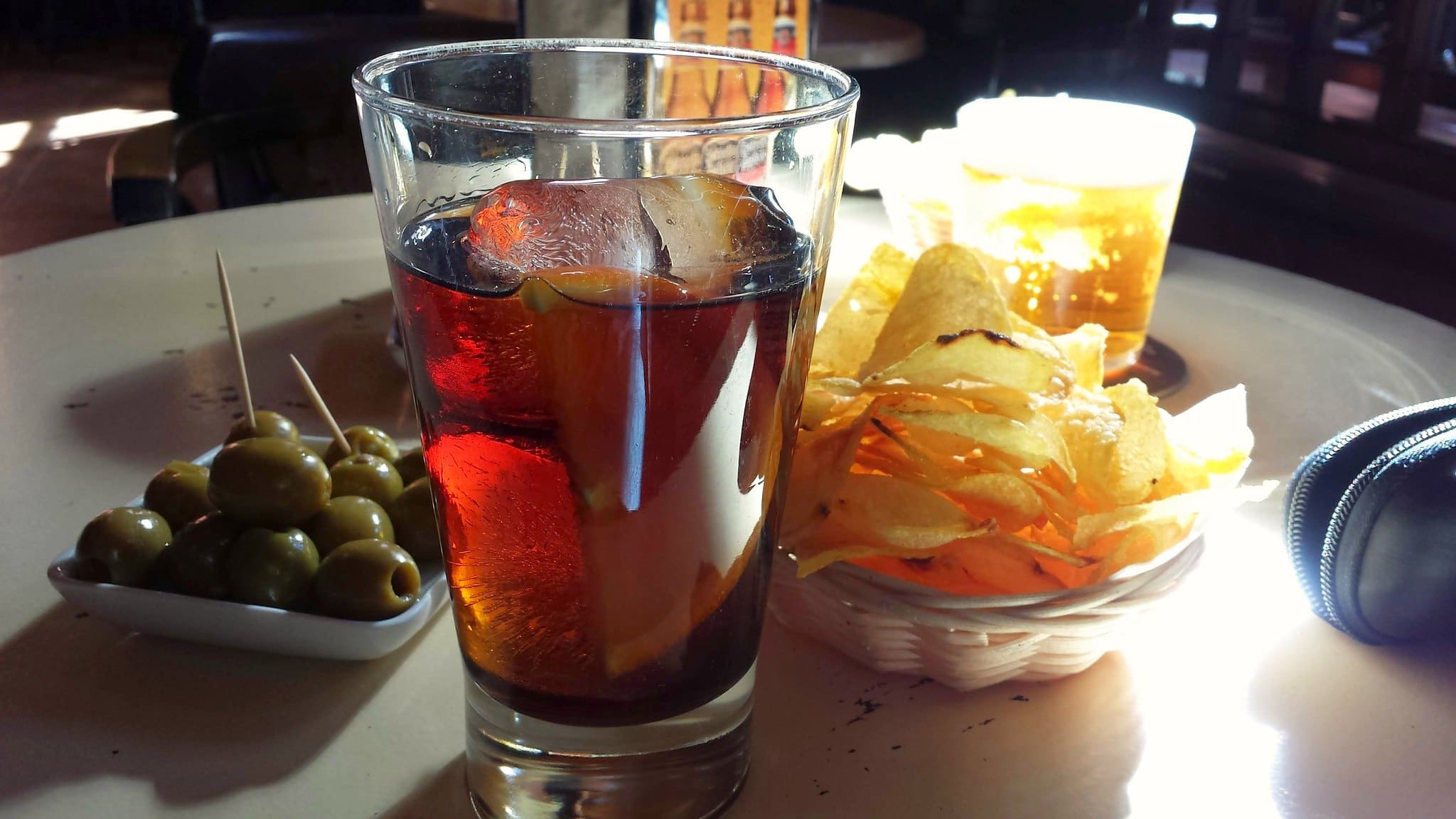
Because vermouth, in addition to being a drink made from wine, wormwood, and herbs, is a whole social event, for chatting, for sharing. Served neat, ---for me with a little orange peel, please---, or accompanied by traditional potato chips or simple tapas, the most popular drink between 12 and 2 in the afternoon returns strongly to our table.
Recovering traditions
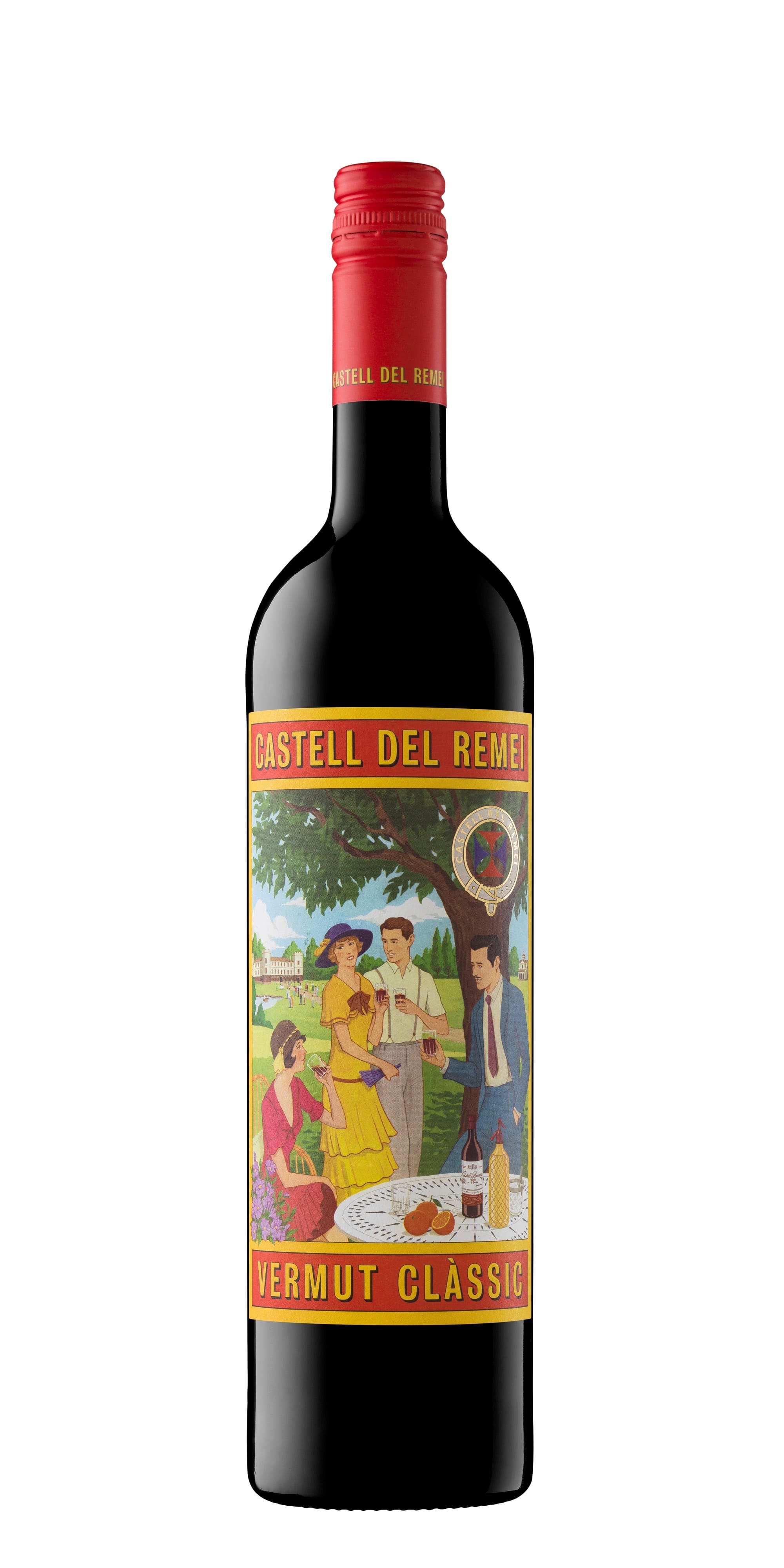
Castell del Remei knows this well, as they have just relaunched one of their most traditional products, their classic vermouth, also recovering a historical recipe. The oldest aging winery in Catalonia thus recovers an ancestral recipe in this vermouth with botanicals such as blessed thistle or holy herb and spices such as saffron or orange peel. In the 1920s, Castell del Remei was known, in addition to its still wines, for the production of aromatized drinks such as Castell del Remei Chamomile Liqueur and spirits such as Castell del Remei brandy, and it is precisely an old recipe from that era that is now being rescued to bring this aromatized wine to light. The base of the Castell del Remei classic vermouth is made from Macabeo white wines, and on the other hand, the aromatic herbs are macerated for one to three months to achieve the desired potential of aromas, which in a third phase are combined with the base wine, resulting in a vermouth of approximately 15% vol alcohol.
The label of this classic vermouth bottle is also a tribute to that era at the beginning of the 20th century when Castell del Remei produced not only wines, but also liqueurs and vermouths, a tradition that is now being recovered in this bottle.
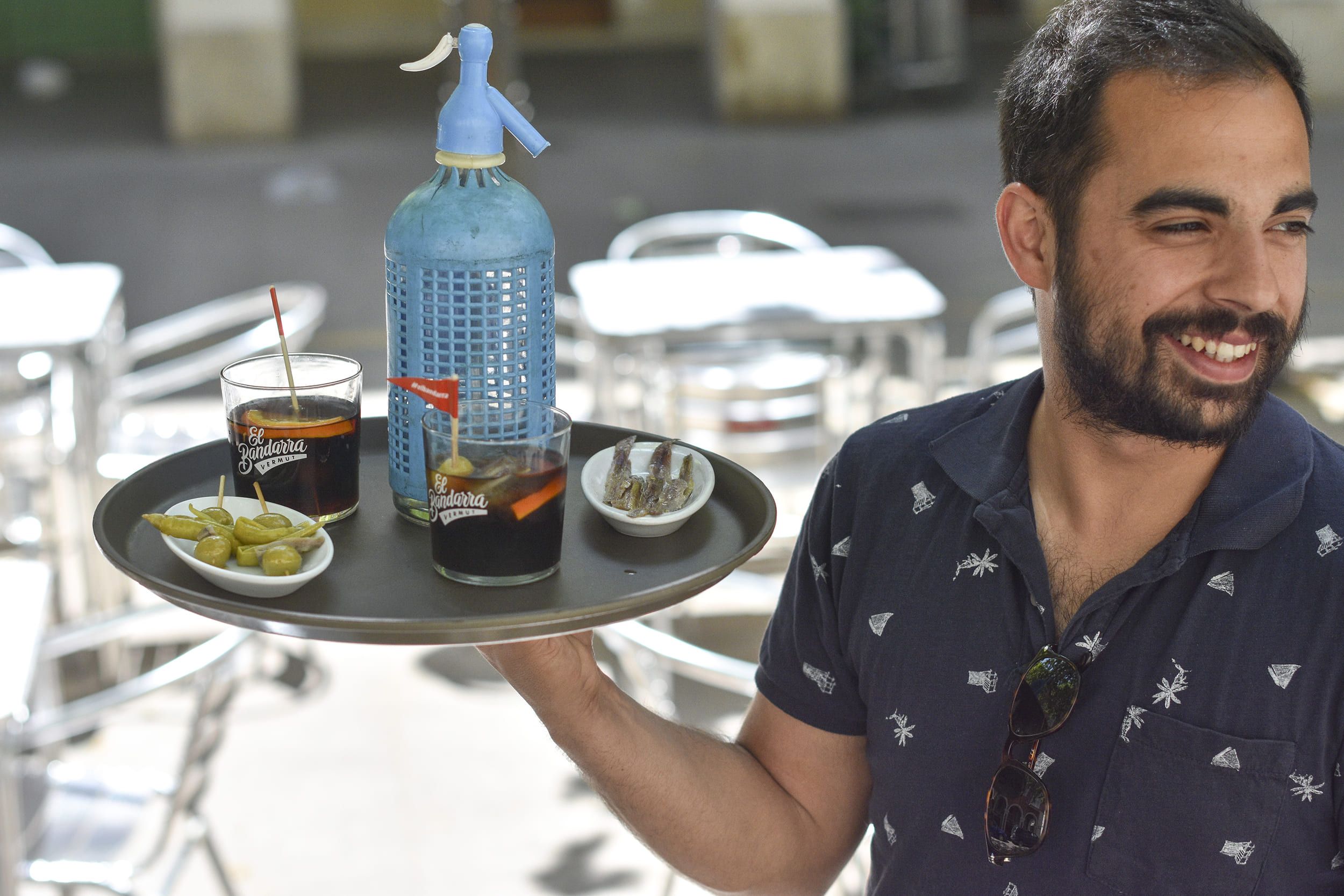
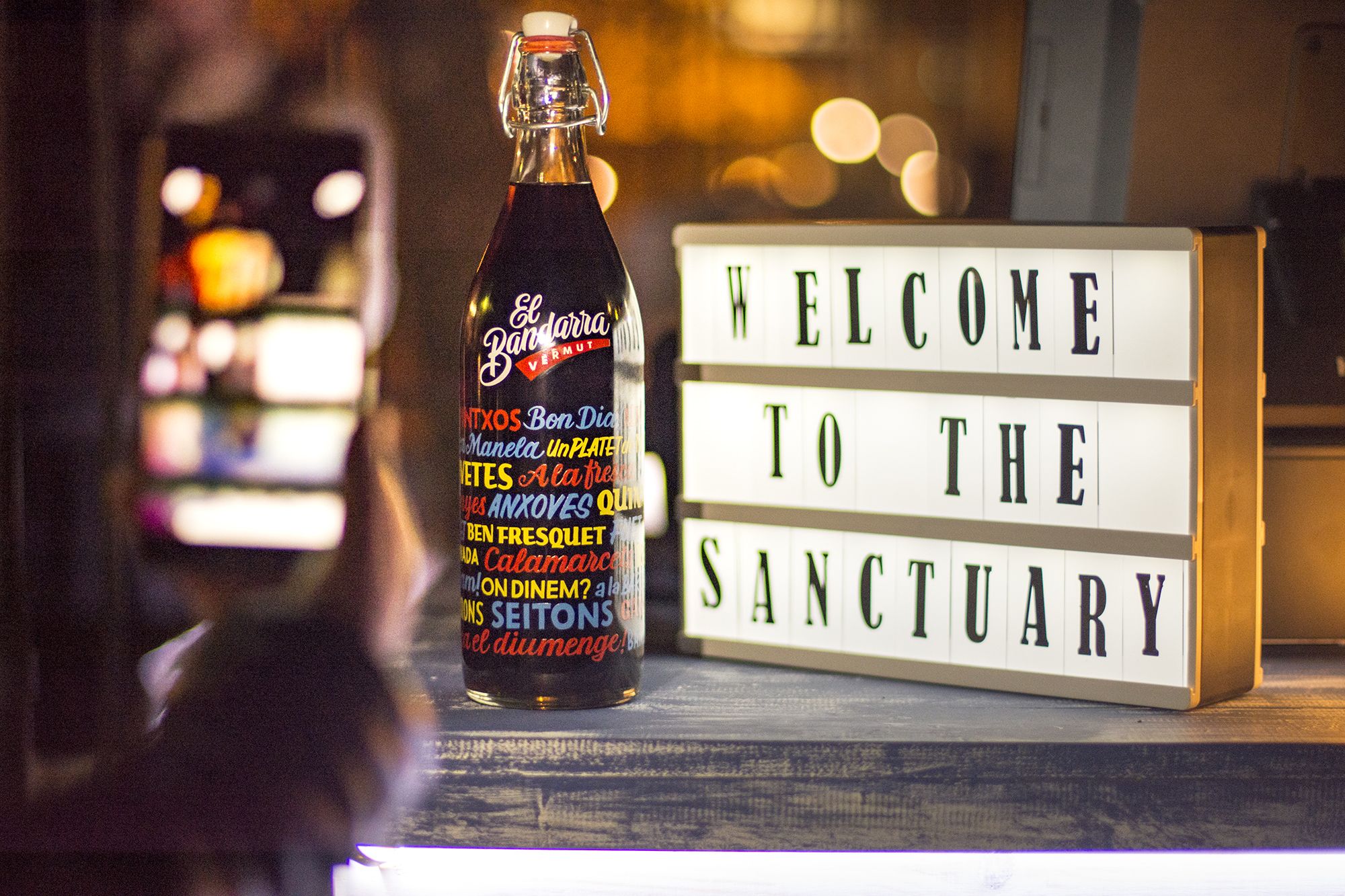
For the Virgili Bros brothers, the new wine era involves the creation of more enjoyable, creative, and attractive concepts aimed at a young consumer with the goal of catching their attention and being their first experience, not only within vermouth in particular, but also the world of wine in general. And how? Well, either by trying the designer sangria La Sueca, the artisan vermouth El Bandarra, or the range of organic wines Organic and Orgasmic. They have modernized vermouth and traditional bulk wines, bottling them and giving them new opportunities within the market, a market, by the way, that is more receptive than ever because the pandemic has boosted online purchase rates and home consumption.
The Virgili Bros are clear: you have to practice "bandarrismo," and they propose it as such: a small terrace, hustle and bustle, and good vibes. This is the "bandarra" attitude and the philosophy of their vermouth, a popular drink made to be shared with joy. El Bandarra is a 15-degree vermouth of mahogany color with orange reflections, intense and rogue. A bottle full of color for a drink full of life. Long live vermouth!
And if legend has it that vermouth came from Italy, it is appropriate to return to the neighboring country to discover, and this is a common phrase because we go back to the 18th century, the range of vermouths created by Giovanni & Carlo Cinzano, master distillers since the founding of Casa Cinzano in 1757. It was here, from their small shop in Torino, where the two brothers began a new trend with their unique aromatic wines made from a secret recipe combining herbs, spices, and local wines. The Cinzano Vermouth range is extremely versatile, which is why its presence is not limited to aperitif time, but is also the base of many classic and creative cocktails made with white, red, or extra dry vermouth.
Street-level Vermouth
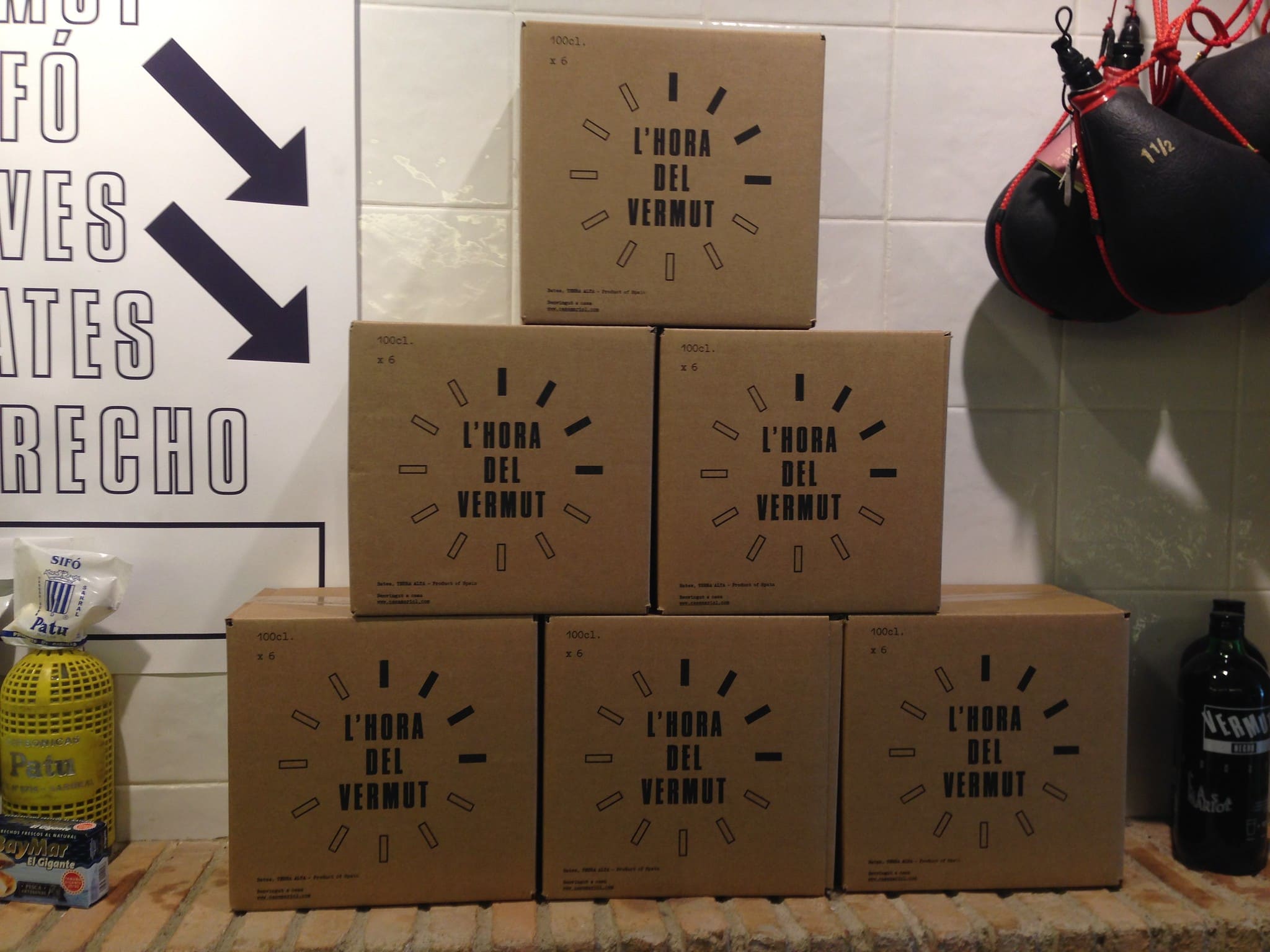
At Rosselló street 442 is located Casa Mariol, where they go beyond a simple label in an unpretentious place that prioritizes good and simple things, like its vermouth and its tapas. Here, no one is intended to be indoctrinated, which is why there is always a queue at its door to try any of its specialties, among which itsSuau, the updated version of its famous drink. A good idea to make the liturgy perfect is to accompany it with a goodclotxa, a kind of bread filled with sardines, tomato, onion, and garlic.But Casa Mariol is much more than a street-level establishment in the Eixample; it is a winery whose heart still beats strongly in a medieval village in Terra Alta of just over 2,000 inhabitants called Batea. Here, the vineyard and wine are a religion, and Casa Mariol is a home for devout parishioners. The villagers live in houses built centuries ago to store wine, they tend the fields as if they were their gardens, and not even their patron saint, San Miguel, is celebrated in his month, September, the month of the grape harvest. Here, wine in general and vermouth in particular are a very serious matter.
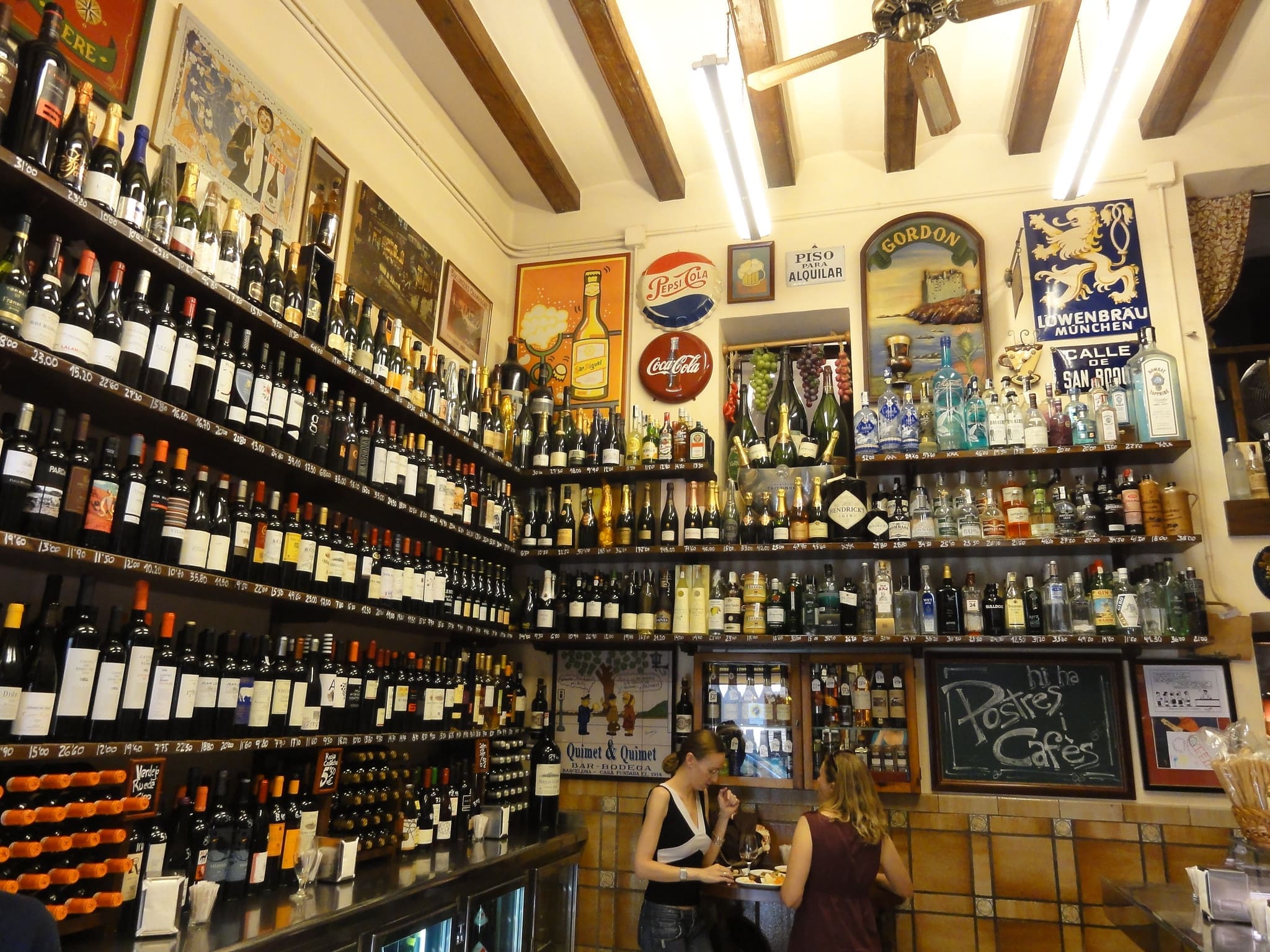
When Barcelona is Barcelona again, which it will be, it might be worth celebrating in a place where the vermouth tradition is strictly followed, Quimet & Quimet, where you shouldn't go on a Sunday because it's closed. There really isn't enough space to tell everything that goes on in this small place in the Poble Sec neighborhood. Quimet is famous for many things, but above all for serving the best tap vermouth in the city. In the country. In the world. Here they also make their own beer, and their variety of wines reaches the ceiling. Literally. Their cuisine will never be characterized by avant-garde, but who cares about avant-garde when they serve their cheese platter or a salmon, yogurt, and truffled honey montadito. Accompanied by a glass of vermouth, of course.
That vermouth is in fashion is undeniable, which is why new brands are constantly appearing on the market, joining many other pioneering brands such as Yzaguirre, Miró, or Espinaler. Priorat Lab, owner of Dos Déus vermouth, is another company that has consolidated in recent years, with innovative proposals such as its Nordic and Mediterranean vermouths, which are very versatile, as they can not only be served with ice but are also designed to be drunk warm, like the spiced wines (Mulled wine) consumed in northern and central Europe. As stated: Long live vermouth!
Add The New Barcelona Post as your preferred Google source for free
Stay informed with the latest news.